Two jobs within one mattress
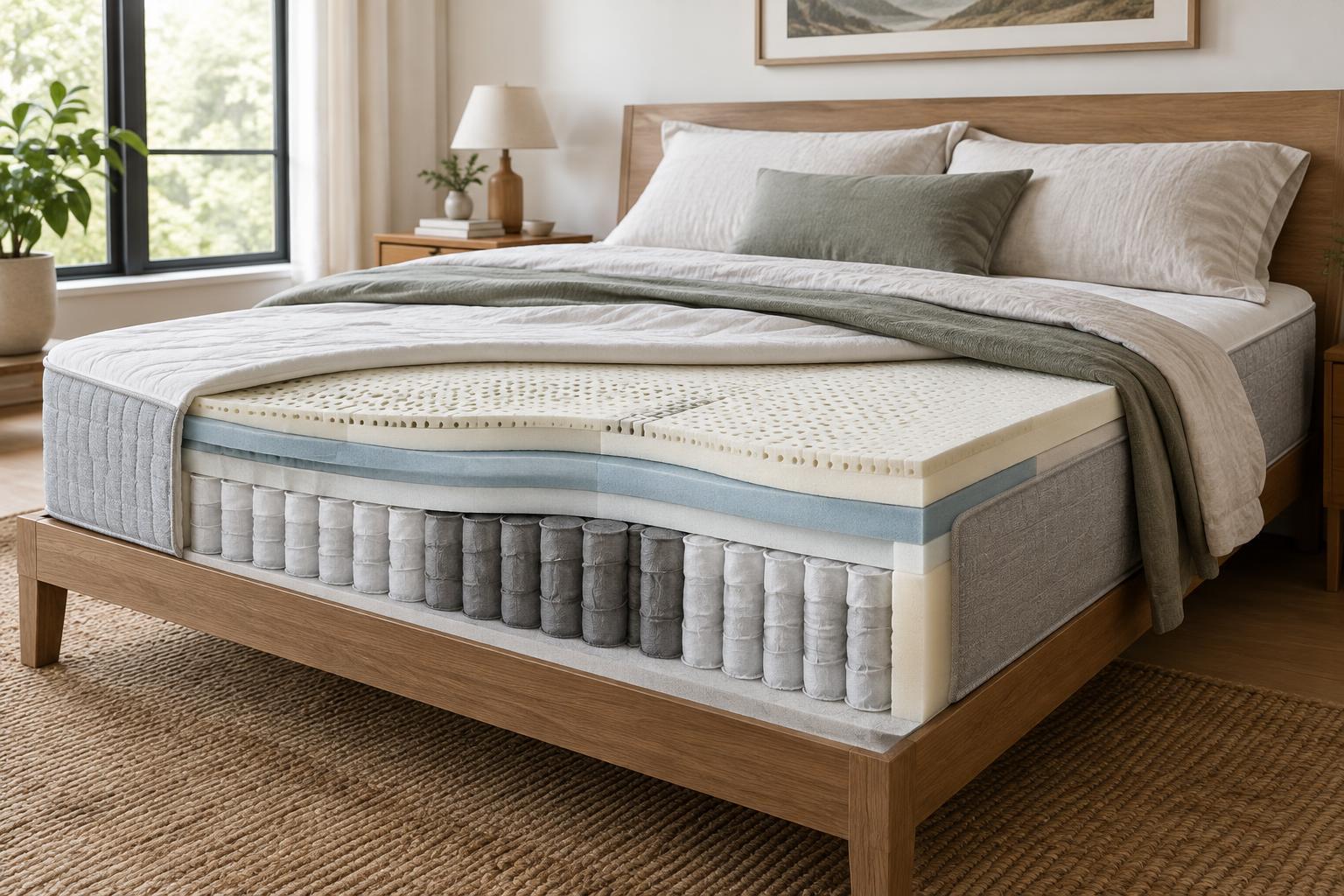
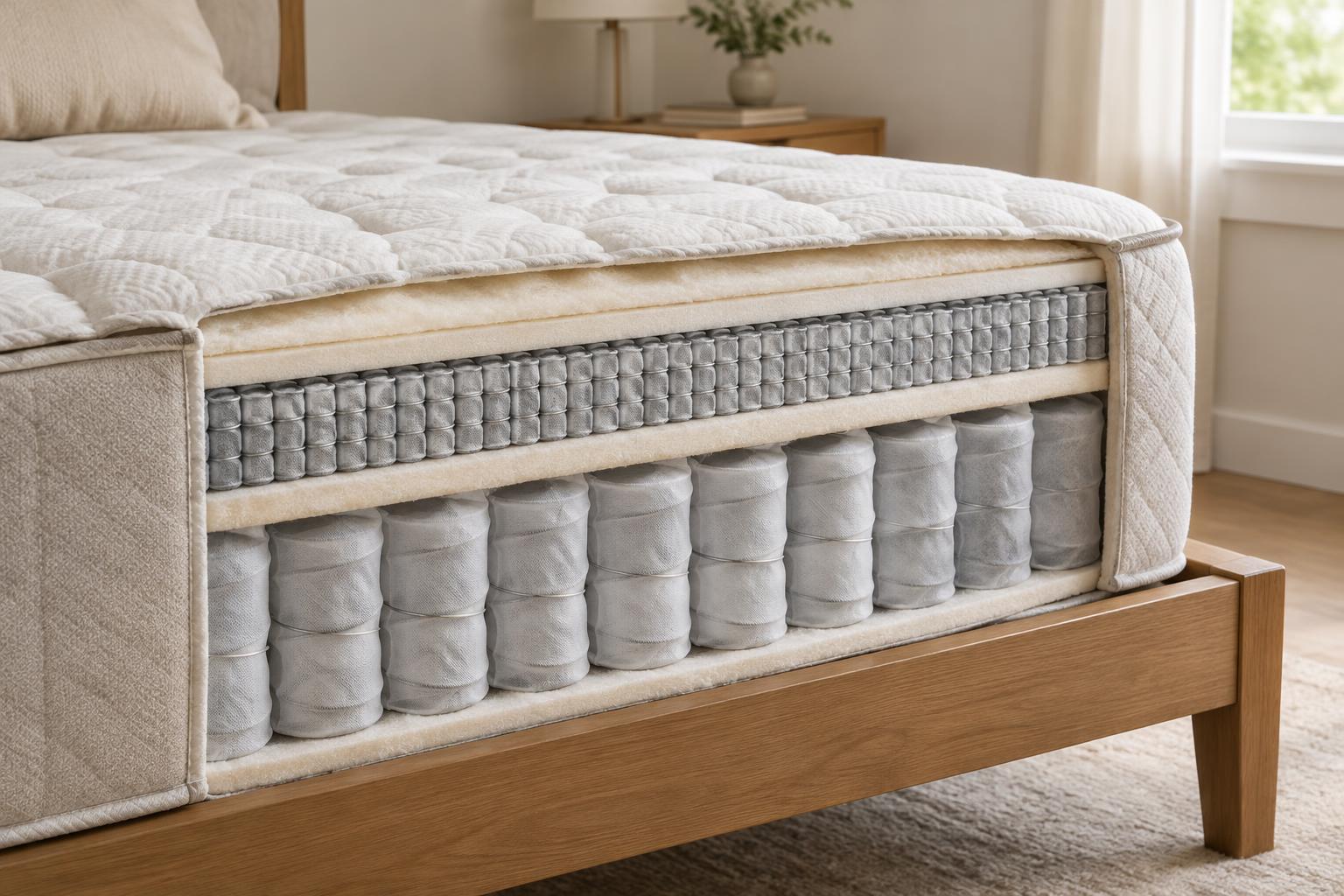
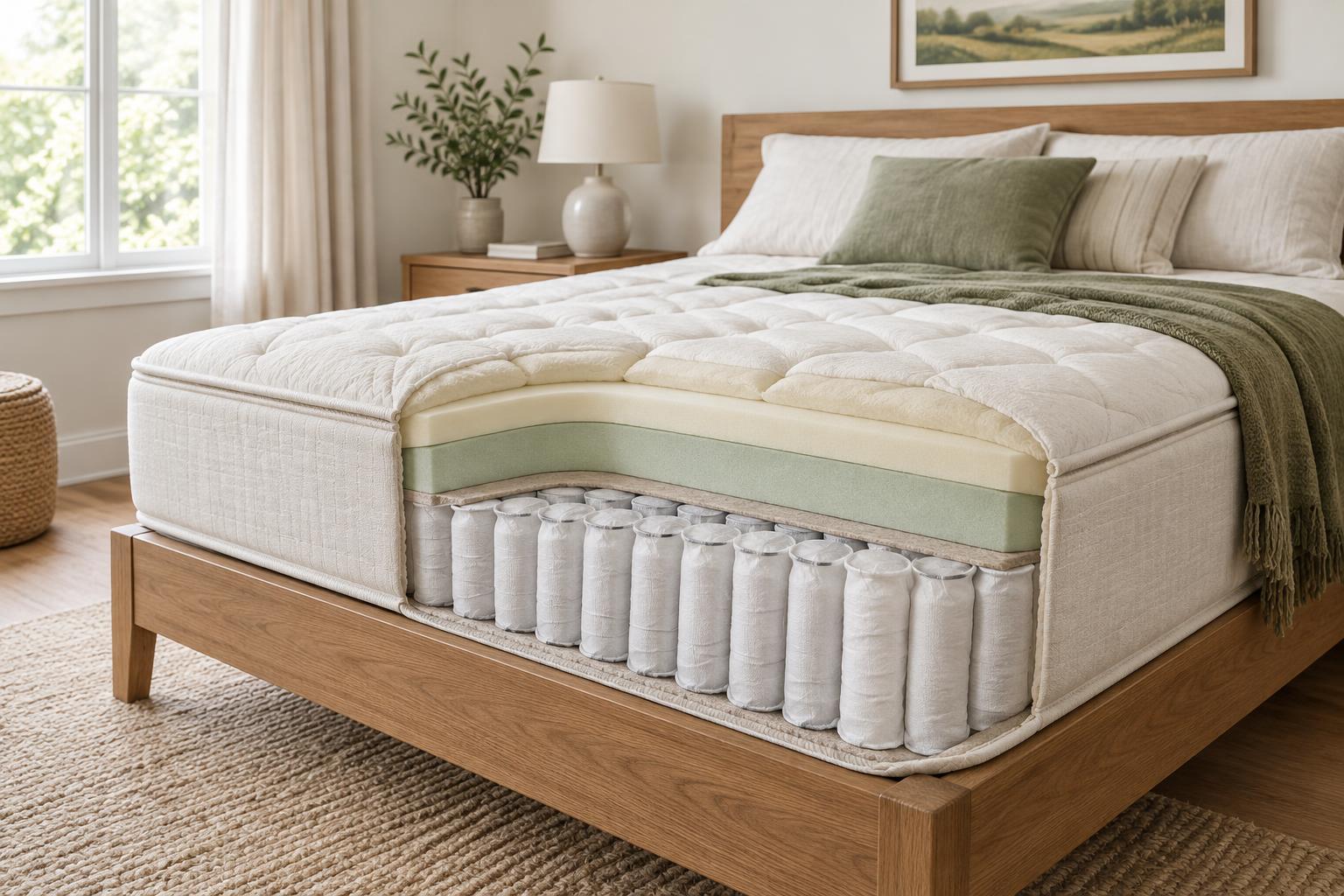
A mattress is usually built from several layers, but the most useful distinction is between its comfort layer and its support core. The comfort layer sits near the sleeping surface and shapes your first impression: cushioning, contouring, and how readily you can move. The support core lies deeper in the mattress and provides the resistance that keeps you from sinking too far. Neither part works alone. You feel the result of their combined thickness, materials, and firmness.
A mattress can feel soft at the surface yet remain supportive underneath. It can also have a firm core and still feel uncomfortable if the layers above it do not provide enough cushioning for you. Labels such as “plush” or “firm” describe the overall feel more than they explain the construction, so it helps to ask what is creating that feel.
What the comfort layer does
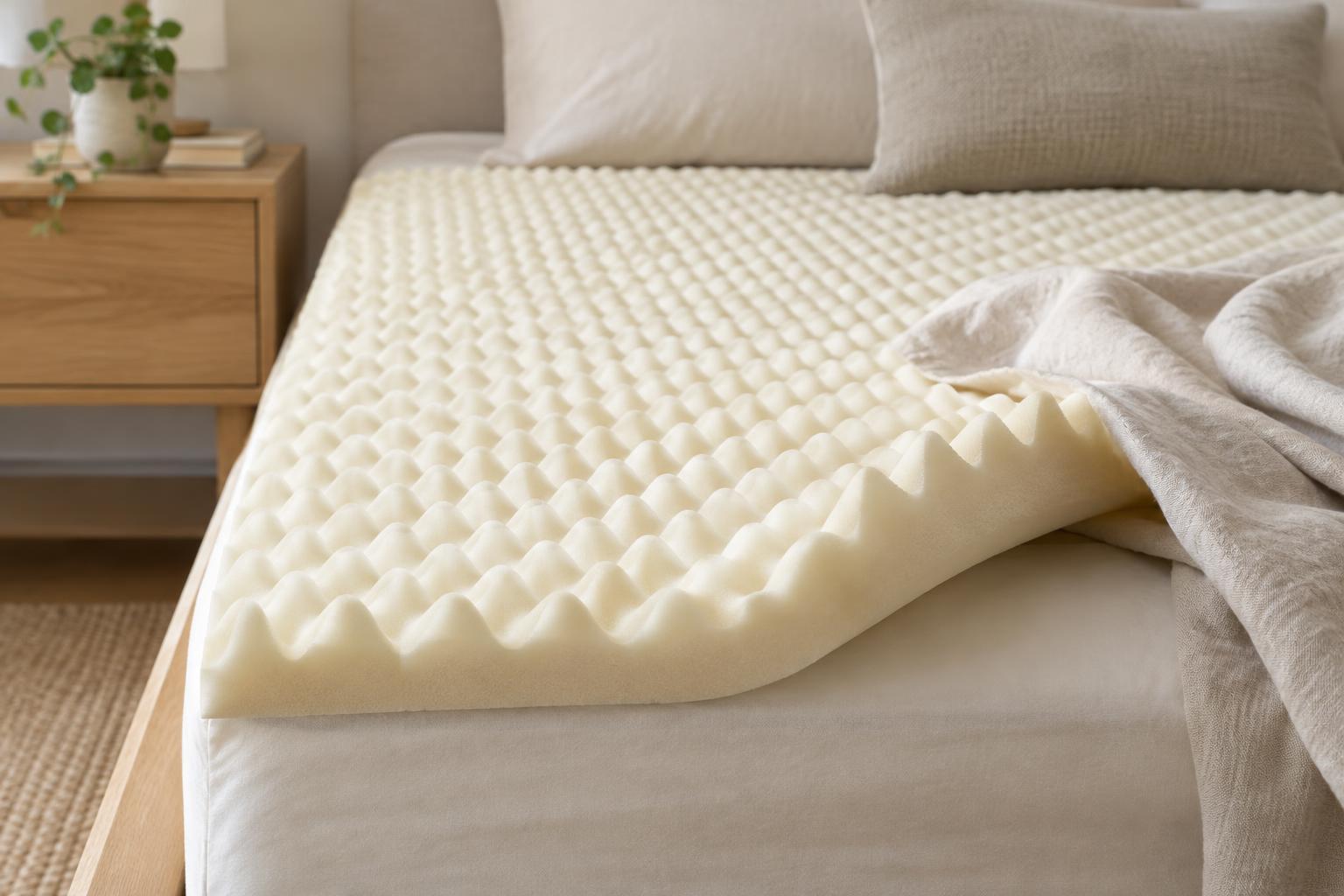
Comfort layers respond to the parts of your body that press into the bed. Materials used here include memory foam, other polyurethane foams, latex, fiber padding, and sometimes small coils. A closely conforming layer may soften the sensation of pressure around the shoulders and hips. A springier layer may feel easier to change position on. The quilting and cover also affect the surface feel, even when they are too thin to serve as major structural layers.
Thickness matters as much as material. A thick, soft comfort section can let a sleeper sink farther before the core begins to resist. A thin comfort section makes the character of the layers below more noticeable. Some mattresses place a transition layer between the soft surface and the core to make that change in feel less abrupt. There is no single ideal arrangement: body size, sleep position, and personal preference all influence how a layer feels in use.
Material names alone cannot tell you everything. Two foams of the same broad type may differ in firmness and responsiveness. Likewise, a latex comfort layer can feel different depending on its formulation and the layers around it. When comparing mattresses, treat material descriptions as clues to likely feel, not as guarantees.
What the support core does
The core is the main structure beneath the comfort section. In an all-foam mattress, it is commonly a thicker, firmer foam. In an innerspring or hybrid mattress, it is typically a coil unit, sometimes with foam around its perimeter. Some latex mattresses use a firmer latex layer as the core. These designs can all provide support, though they differ in bounce, motion transfer, weight, and how they feel near the edge.
The core’s role is to limit deep sinkage and provide a stable foundation as you change position. Coil count or foam thickness by itself does not establish how well it will do that job; coil design, foam properties, and the layers above the core also matter. Edge reinforcement may make sitting or lying close to the side feel steadier, but its effect varies by construction.
Support does not mean a mattress must feel hard. If the surface allows appropriate cushioning while the deeper structure resists excessive sinking, the bed may feel both comfortable and stable. The right balance is personal, and a mattress that works well for one sleeper may feel too yielding or too rigid to another.
How to compare the layers when shopping
Start with the layer diagram, if the seller provides one. Note the thickness and material of each comfort and transition layer, then identify the core. This helps you compare two mattresses that share a firmness label but use very different constructions. If specifications are vague, ask what makes up the upper cushioning and what forms the main support structure.
When you can try a mattress, spend time in your usual sleeping position and notice both the surface and the deeper feel. Do your shoulders and hips have room to settle without an uncomfortable sense of bottoming out? Can you change position without difficulty? If you share the bed, consider whether movement on one side is distracting on the other. A brief showroom impression is useful, but it may not reveal how the mattress feels over a full night.
Also check the return terms and any requirements for the bed base before buying. A topper can change the cushioning at the surface, but it may not resolve a problem caused by a core that feels too yielding or has lost its shape. Understanding which part of the mattress is responsible for the feel makes it easier to choose a bed—and to recognize what a later adjustment can realistically change.