How to Choose a Mattress for a Guest Room
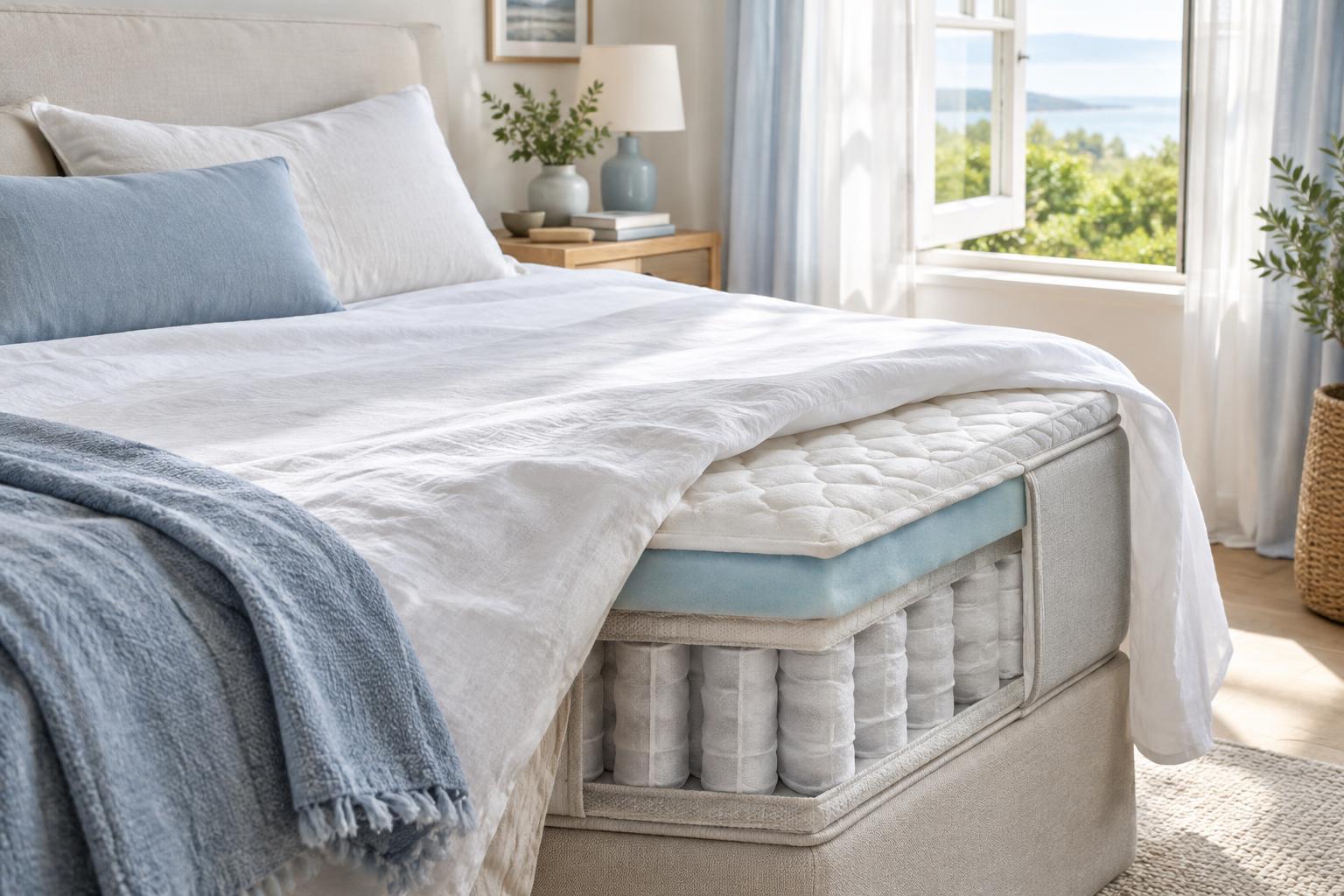
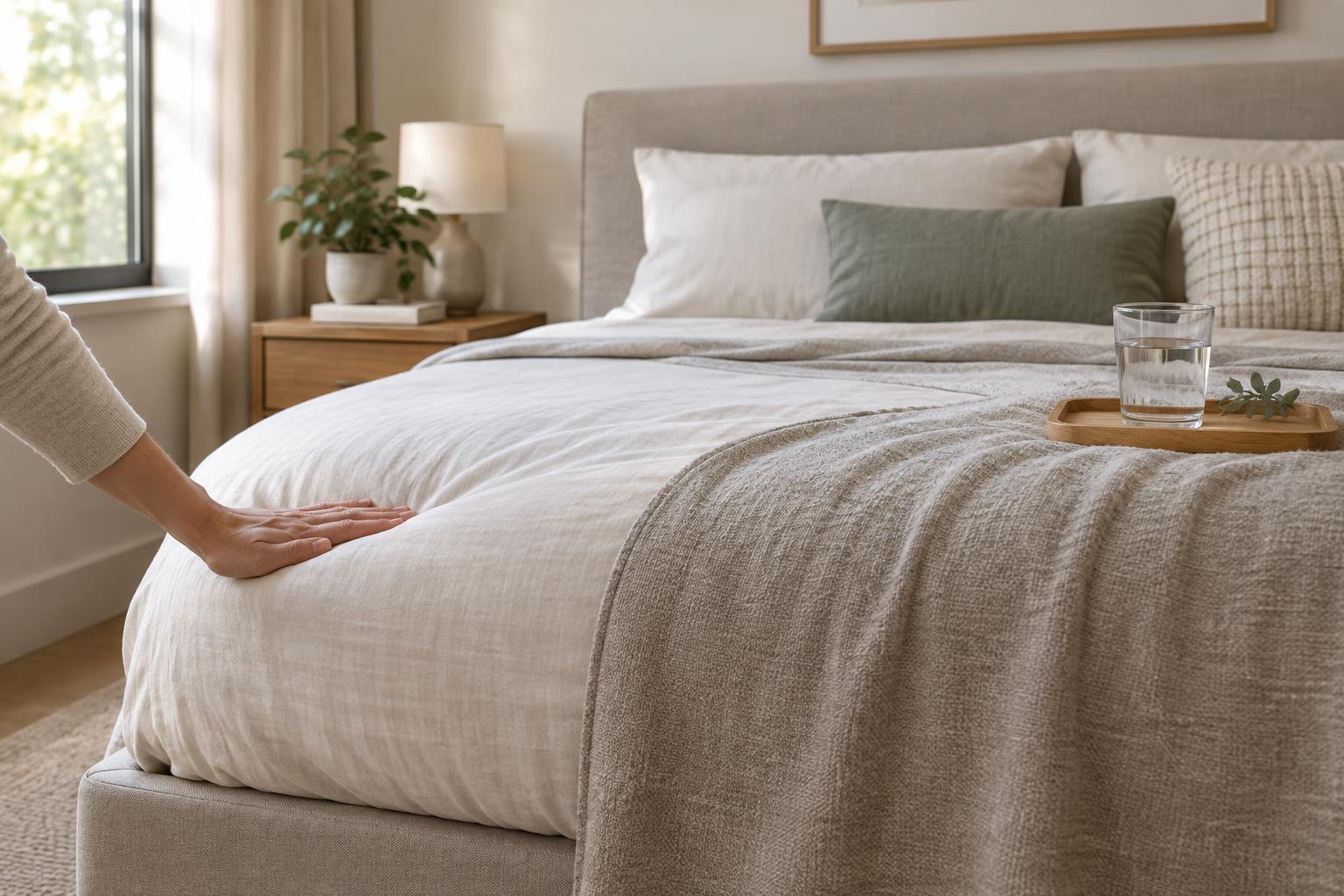
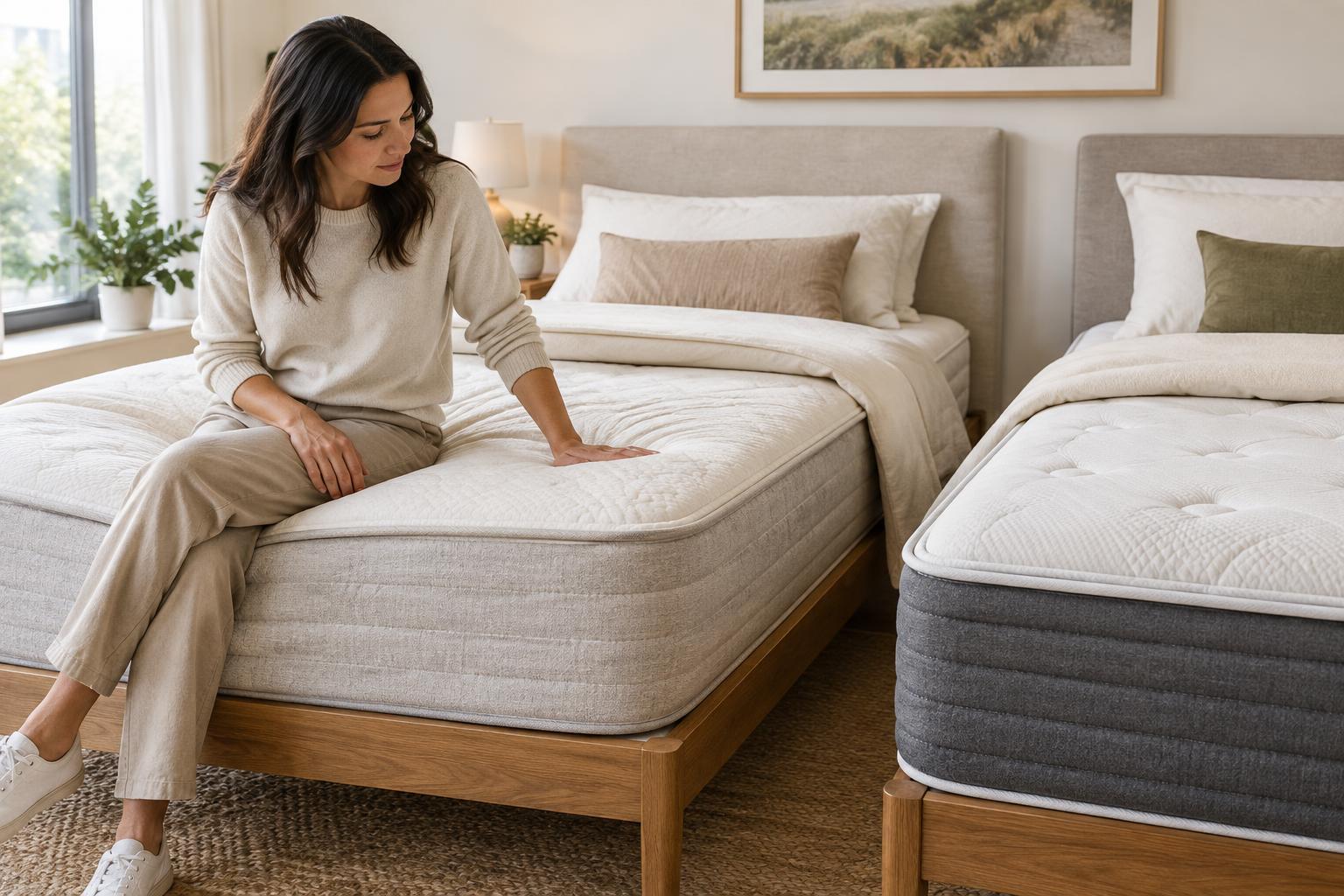
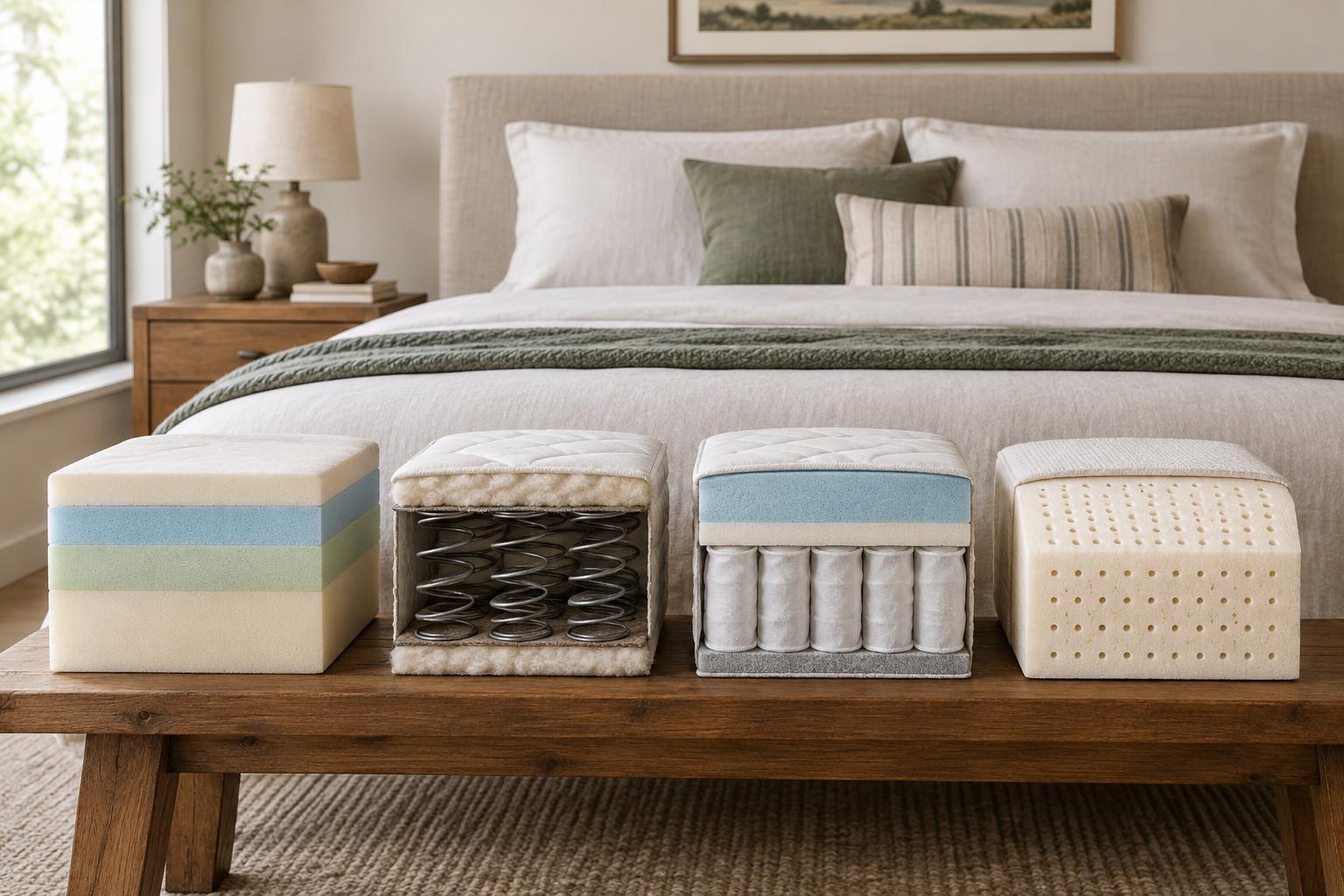
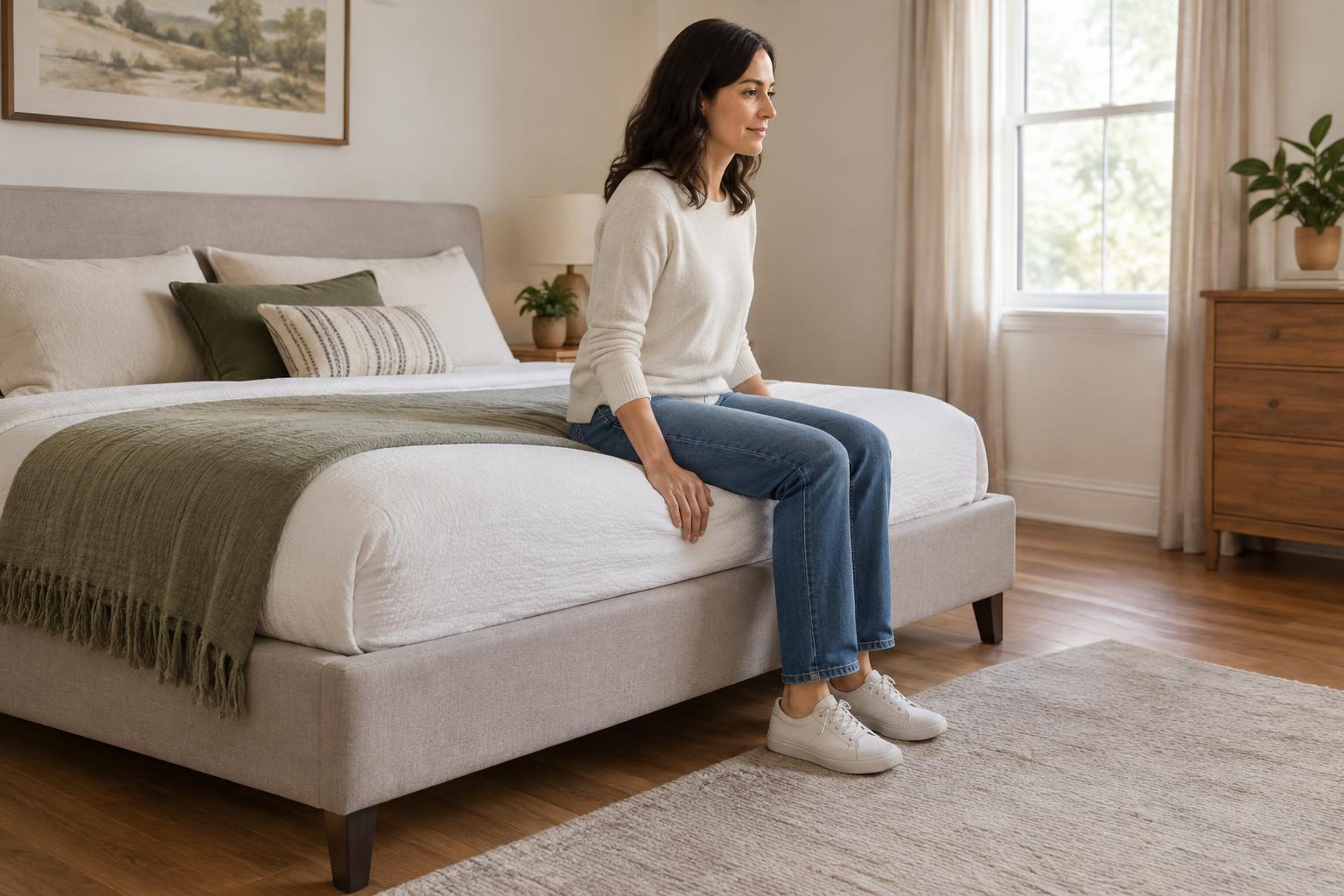
A guest-room mattress needs to work for different sleepers without taking over the room or the budget. Learn how to balance size, feel, construction, and upkeep when choosing one.
Read article · 4 min↗Mattress Materials
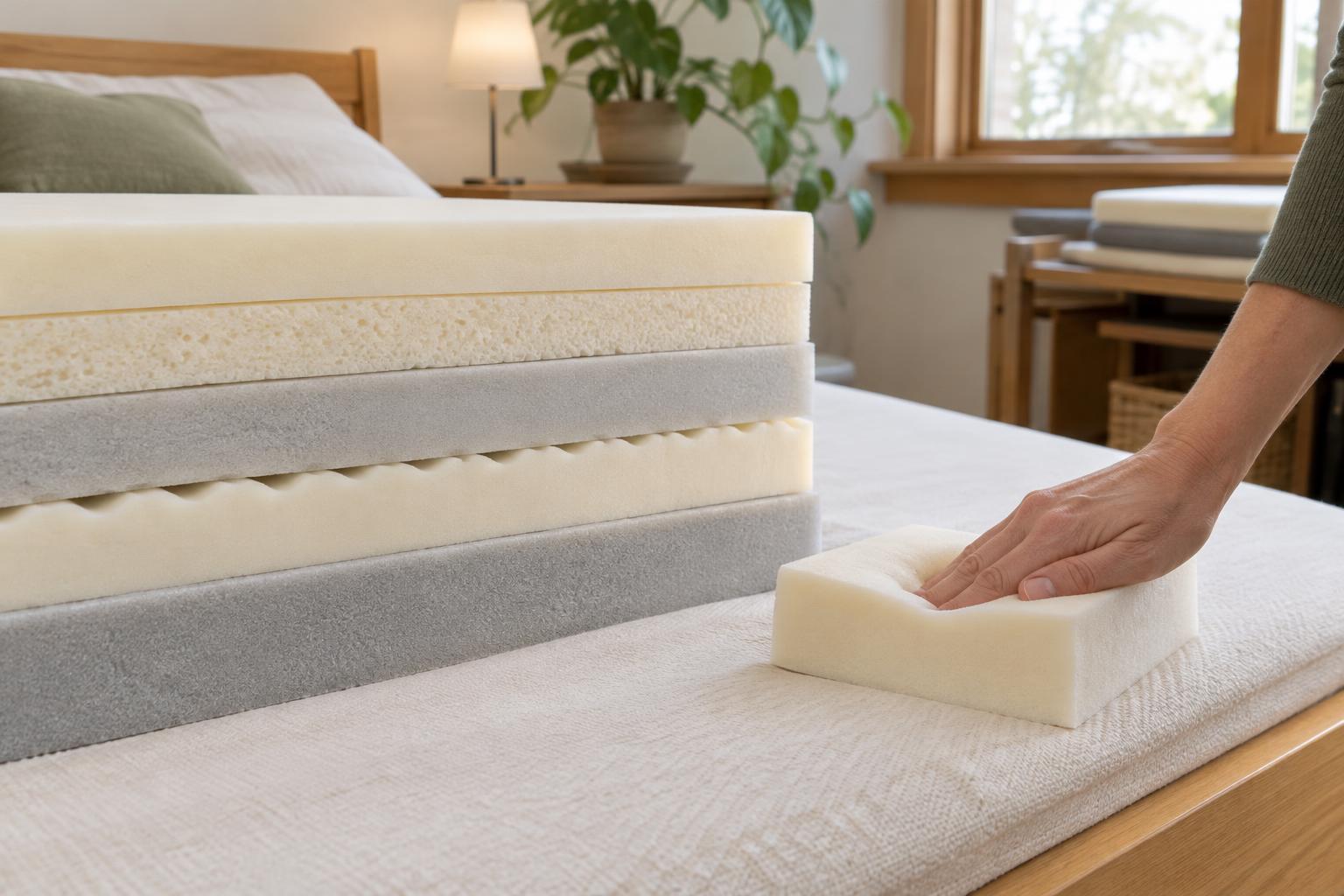
More to discover ↗ILD and IFD describe how much force it takes to compress a foam sample under specified conditions. Learn why the numbers can help you compare layers, but cannot predict how an entire mattress will feel.
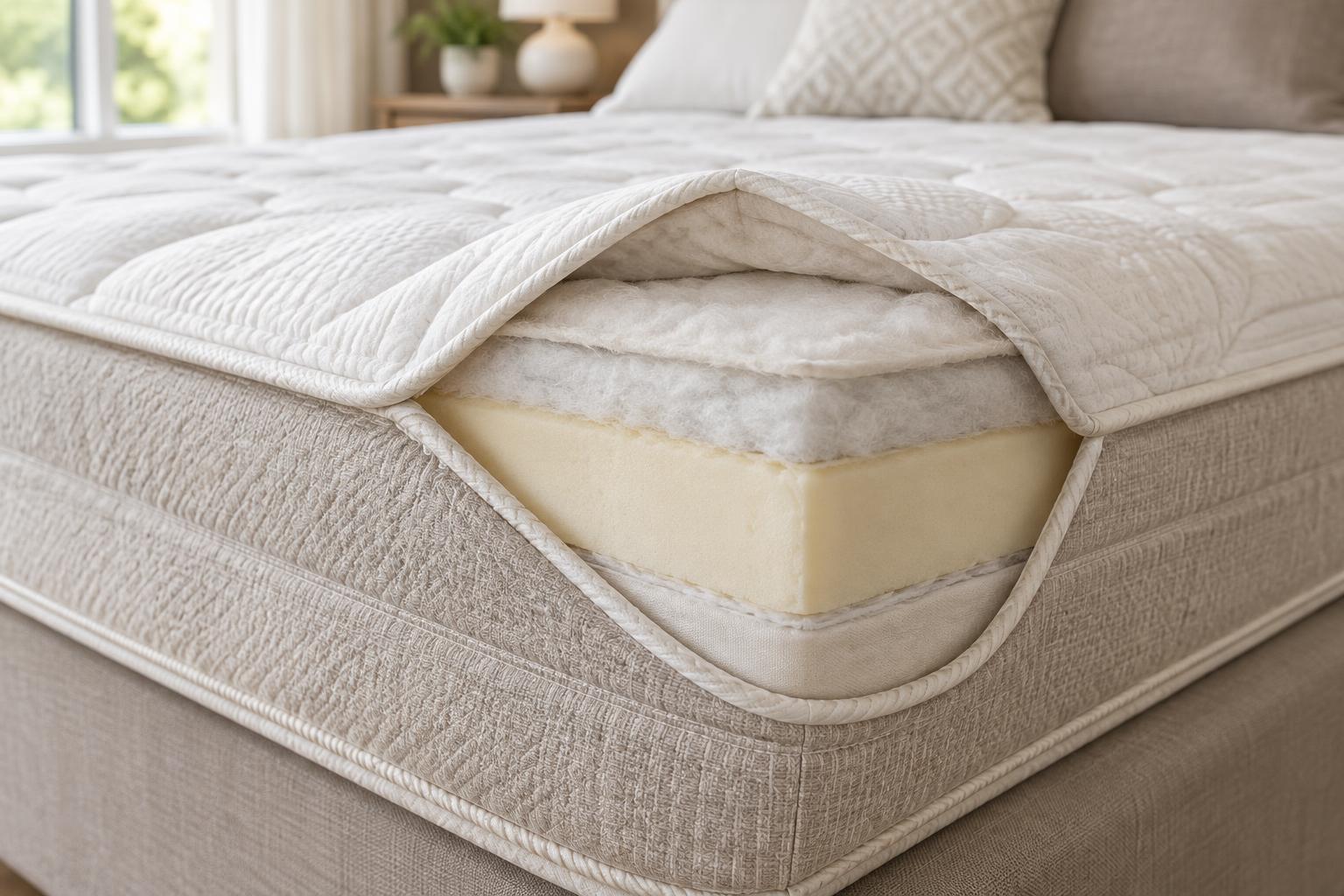
A guest-room mattress needs to work for different sleepers without taking over the room or the budget. Learn how to balance size, feel, construction, and upkeep when choosing one.
Read article · 4 min↗A mattress edge may be reinforced with firm foam, stronger perimeter coils, or no separate border at all. Learn what these designs can change, what they cannot guarantee, and how to assess the edge when shopping.
Read article · 4 min↗Phase-change materials can absorb and release heat as their temperature changes, but they cannot keep a bed cool indefinitely. Learn how PCM mattress covers work, what affects their performance, and what to check before buying.
Read article · 4 min↗A certification badge can tell you something useful about mattress foam, but it rarely describes the whole bed. Learn how to read common labels, check what was certified, and separate emissions and material standards from comfort claims.
Read article · 4 min↗Many mattresses use adhesives to hold foam, fabric, and other components in place. Learn where bonding matters, how to assess construction and odor information, and what questions to ask before buying.
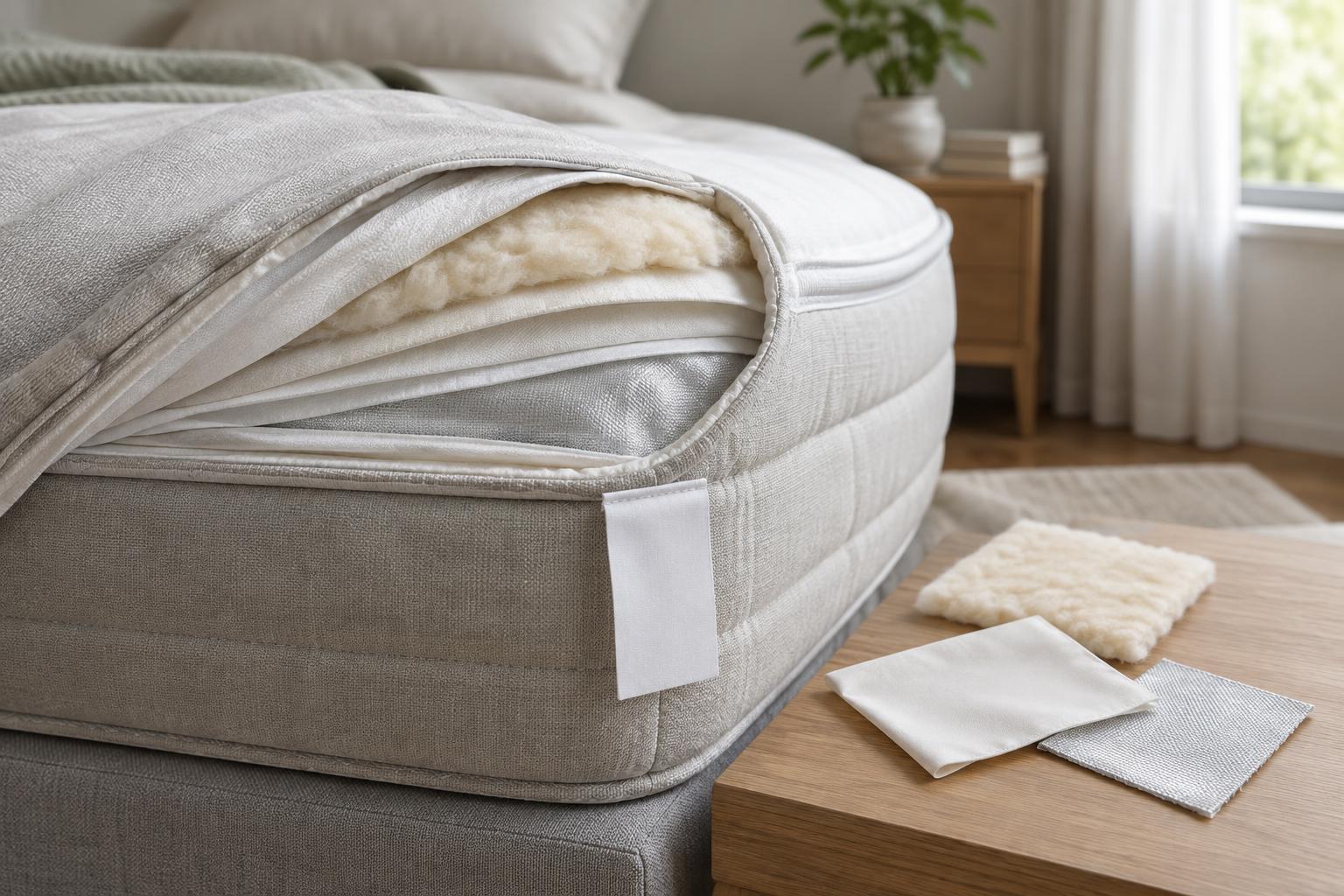
Read article · 4 min↗A mattress fire barrier sits beneath the outer fabric, but its materials are not always easy to identify. Learn how wool, rayon and fiberglass barriers differ, what labels may reveal, and which questions to ask before buying or removing a cover.
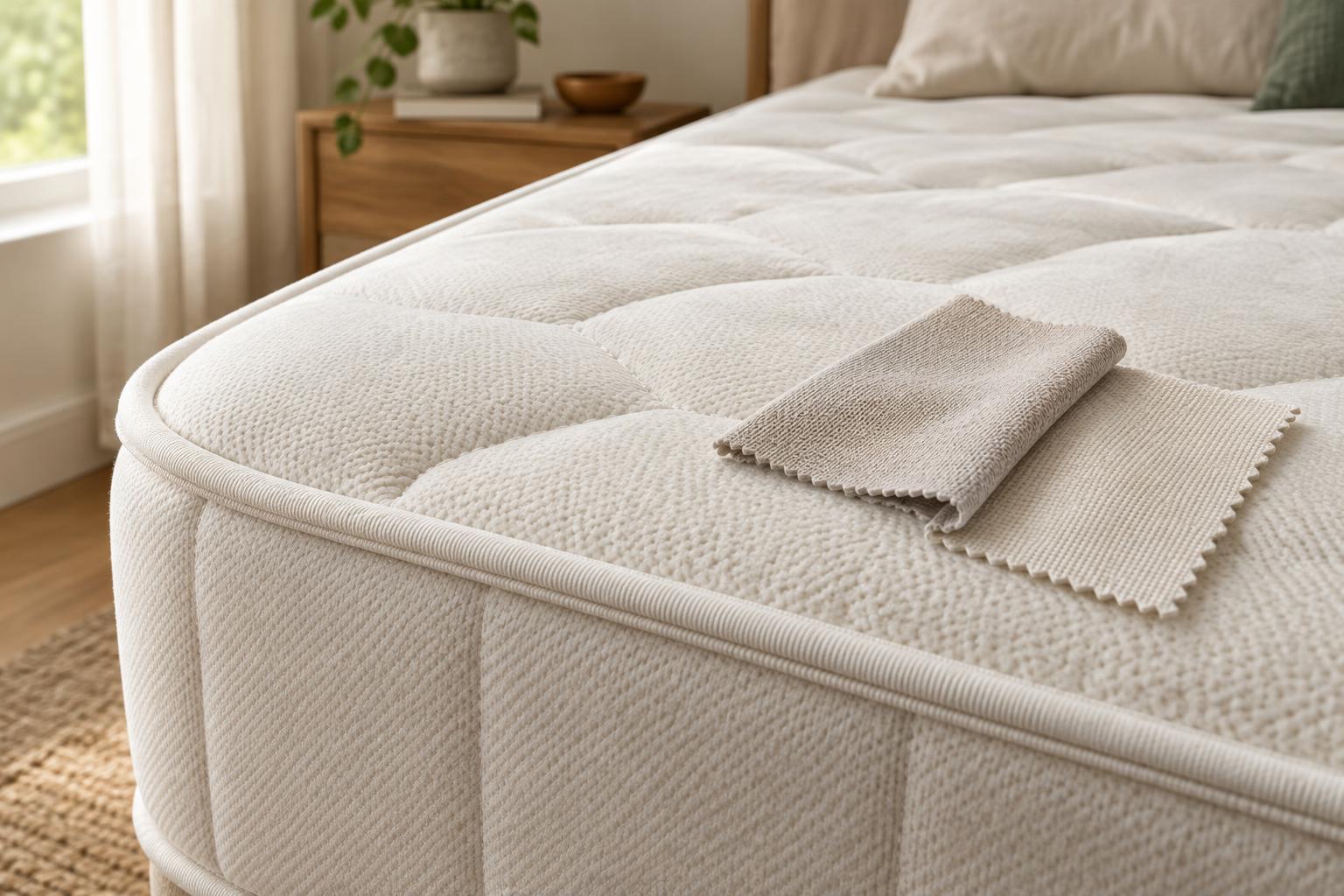
Read article · 3 min↗A mattress cover does more than finish the look of a bed. Learn how knit and woven fabrics differ, what quilting adds, and which cover details matter when comparing mattresses and planning for care.
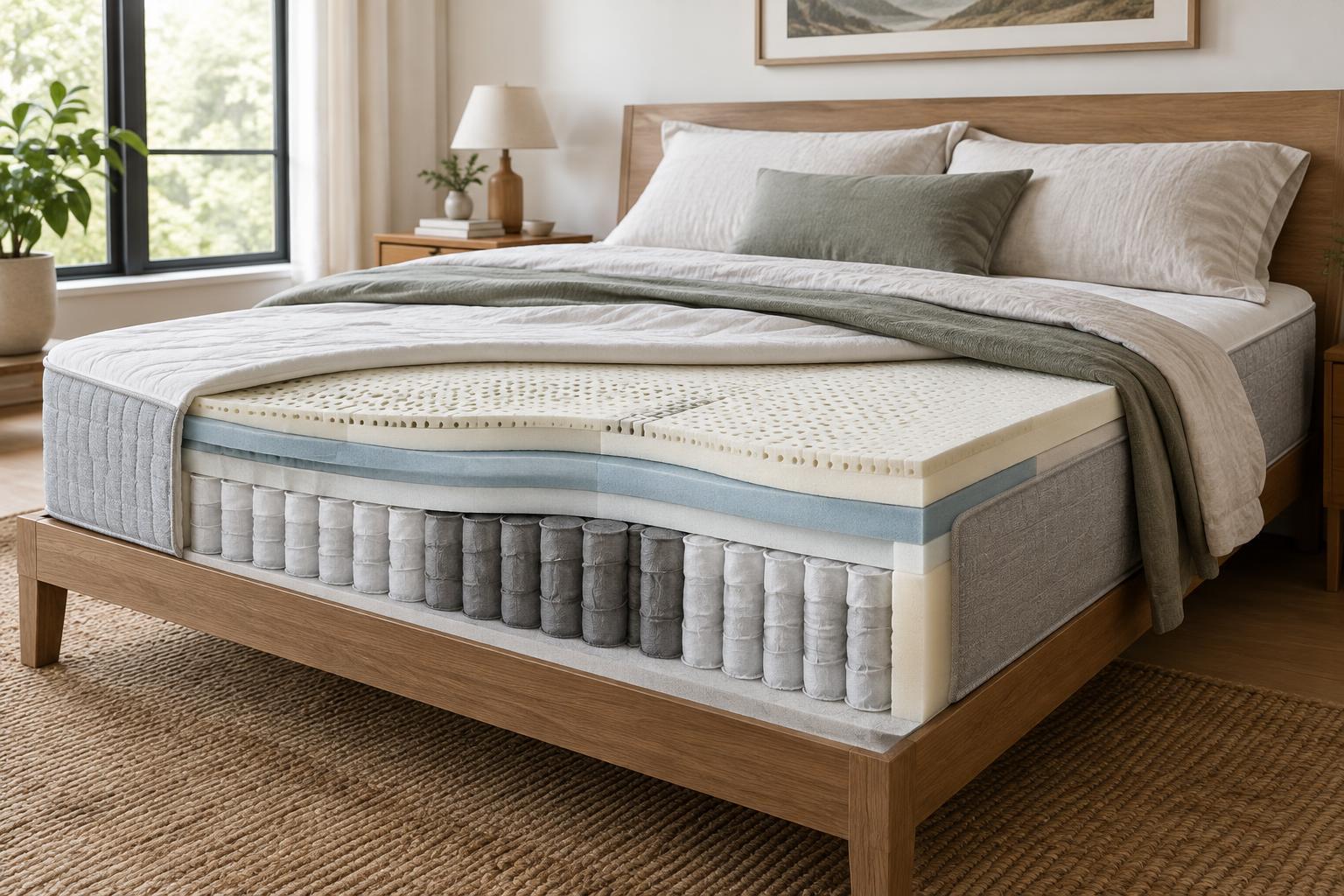
Read article · 4 min↗A zoned mattress changes its construction from one area of the bed to another. Learn how foam, latex, and coils create those differences, what zoning may feel like, and how to judge whether it suits your sleeping position.
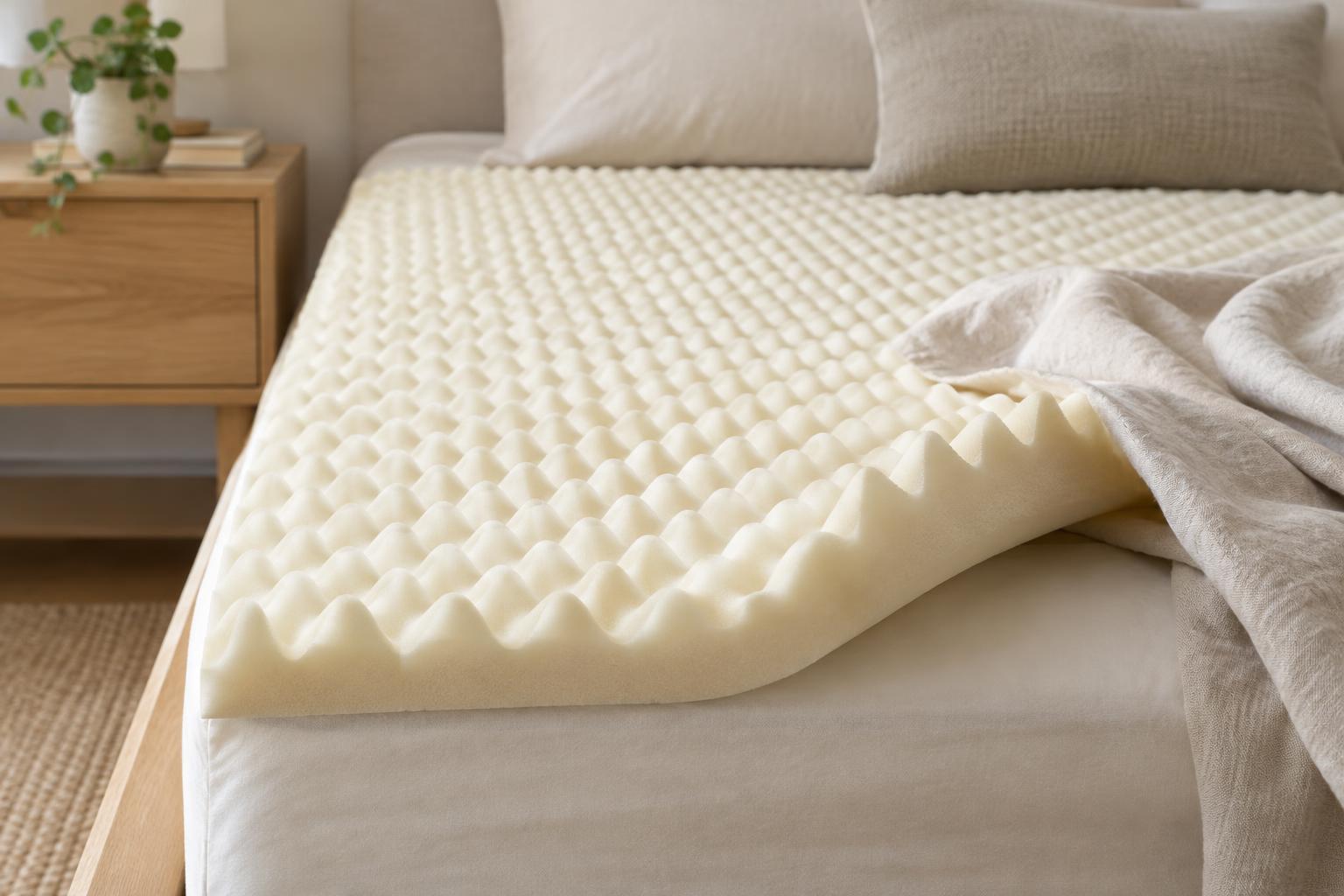
Read article · 4 min↗Convoluted foam has a familiar egg-crate surface, but its shape does not tell you everything about how a mattress will feel. Learn what the peaks and valleys can change, how they affect airflow and support, and what to check before buying.
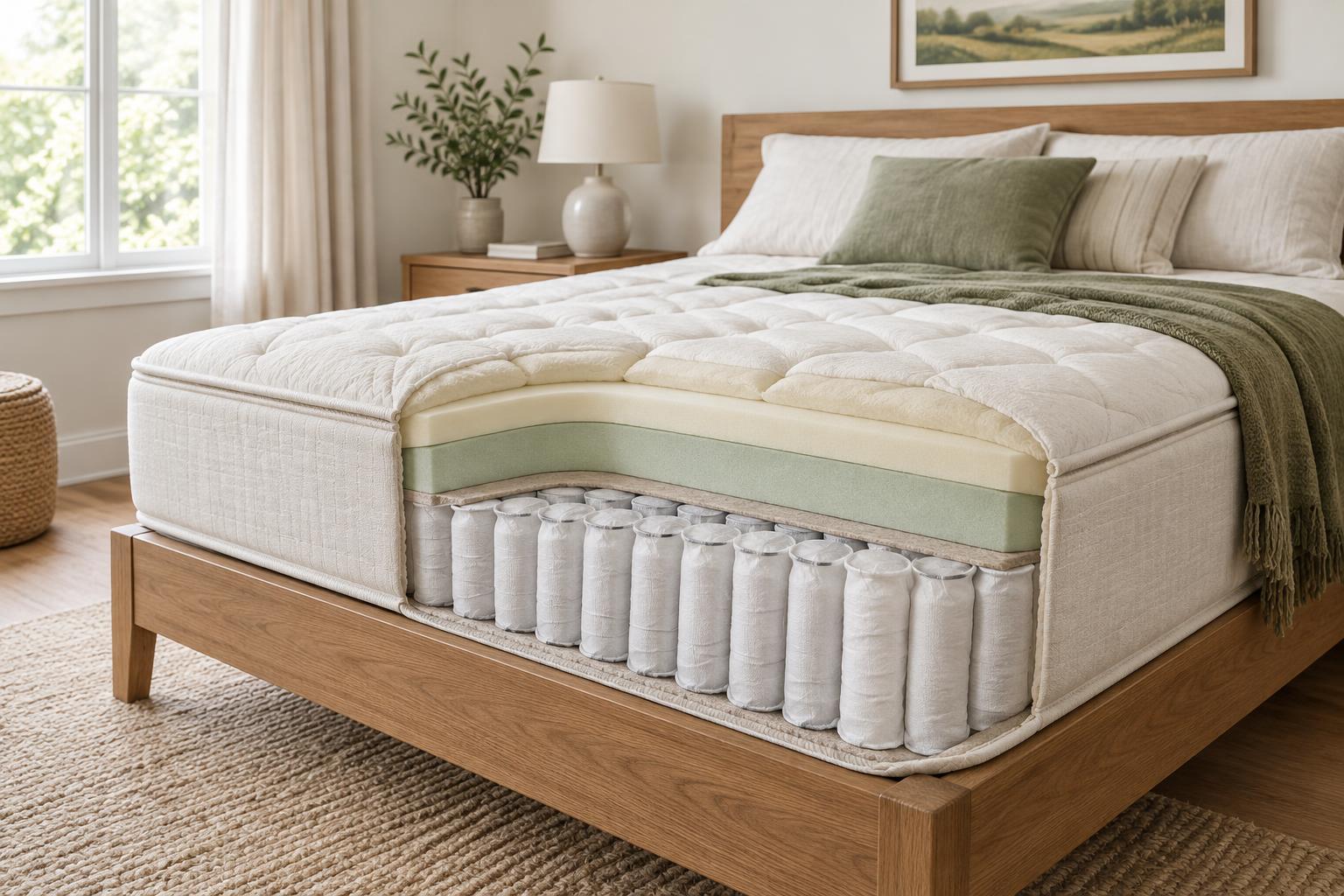
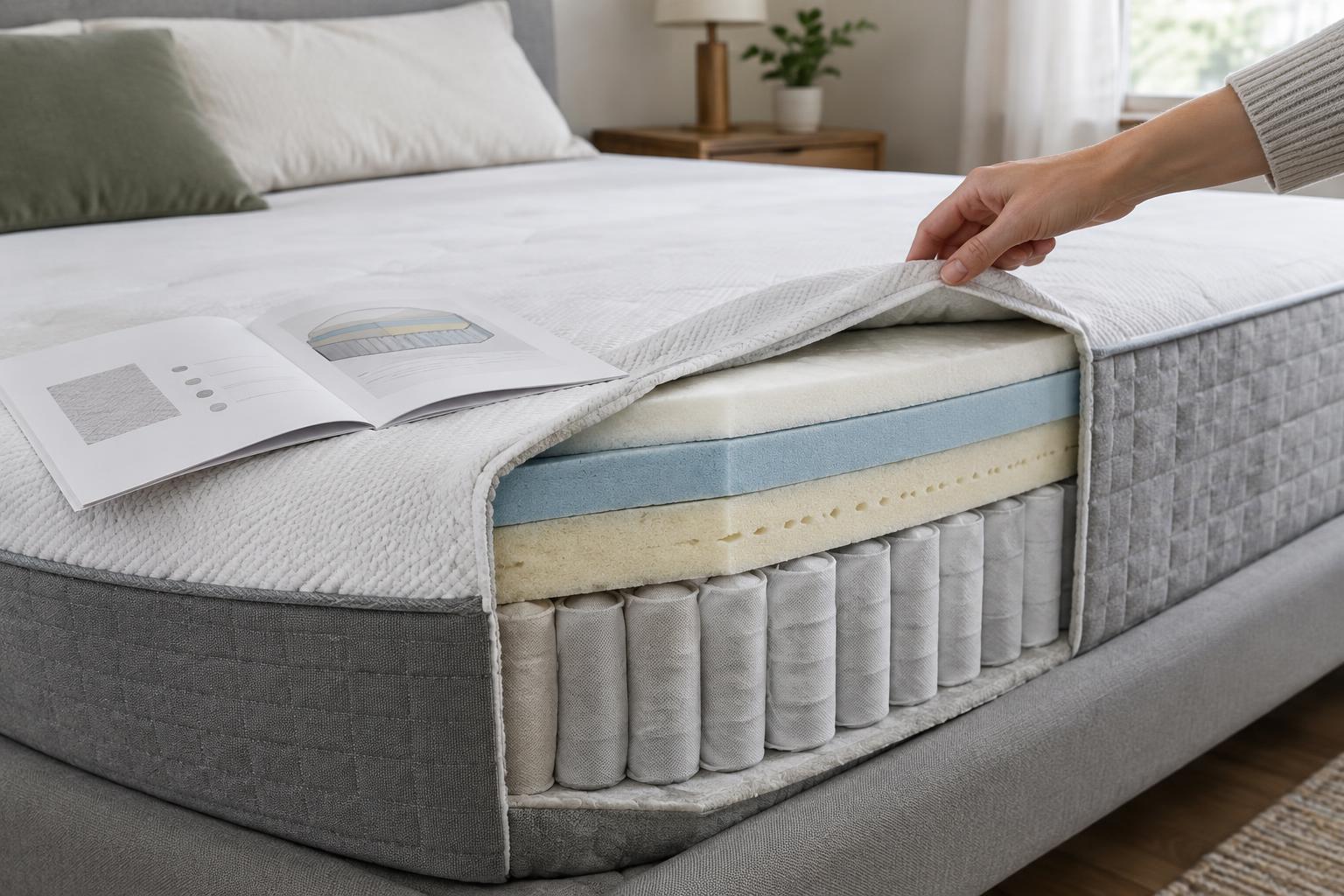
Read article · 4 min↗A mattress’s upper layers shape how it feels when you lie down, while its core provides the deeper resistance beneath them. Learn how these parts work together, what common materials do, and which construction details are worth checking before you buy.
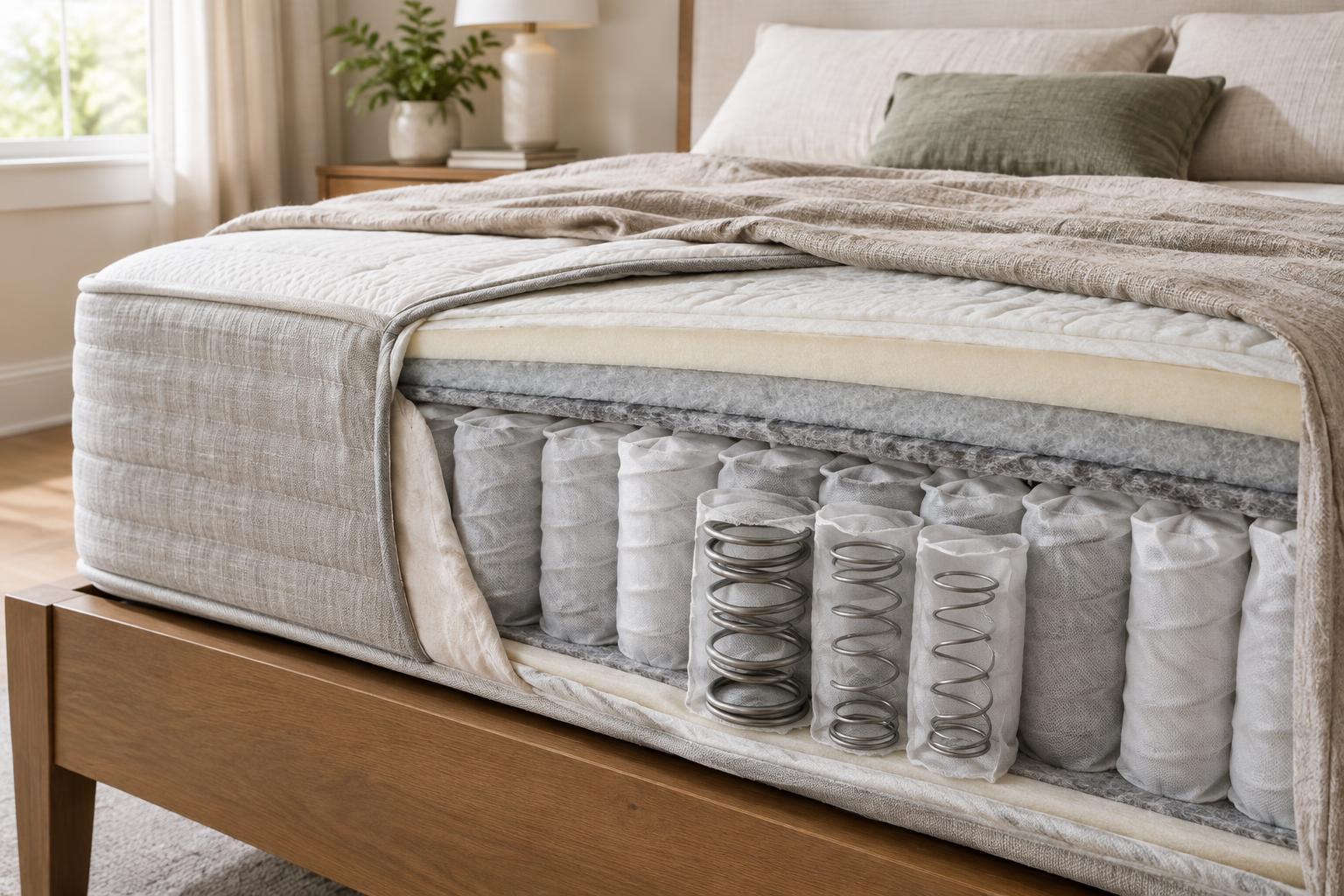
Read article · 4 min↗Microcoils are small springs used in some mattress comfort and transition layers. Learn where they sit, what they may change about a bed’s feel, and which construction details matter when comparing models.
Read article · 4 min↗Coil gauge describes the thickness of the wire used in a mattress spring, while coil count describes how many springs are present. Neither number predicts comfort or durability on its own. Learn how to compare these specifications alongside coil design, comfort layers and the way a mattress feels to you.
Read article · 4 min↗Bonnell, offset and continuous coils are three ways to build a connected-spring mattress. Learn how their shapes and connections can affect feel, motion transfer and shopping decisions—and why the layers above the springs matter just as much.
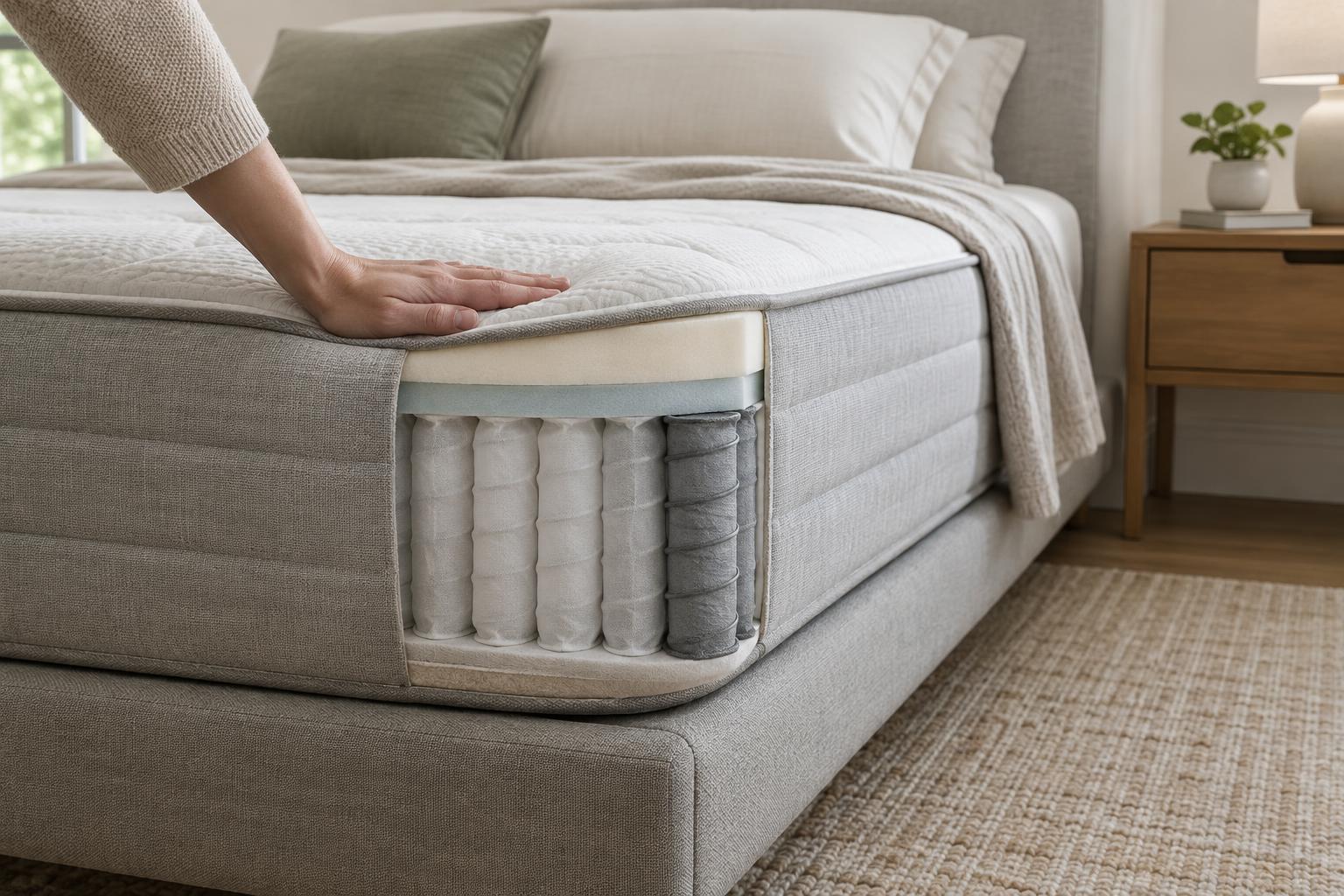
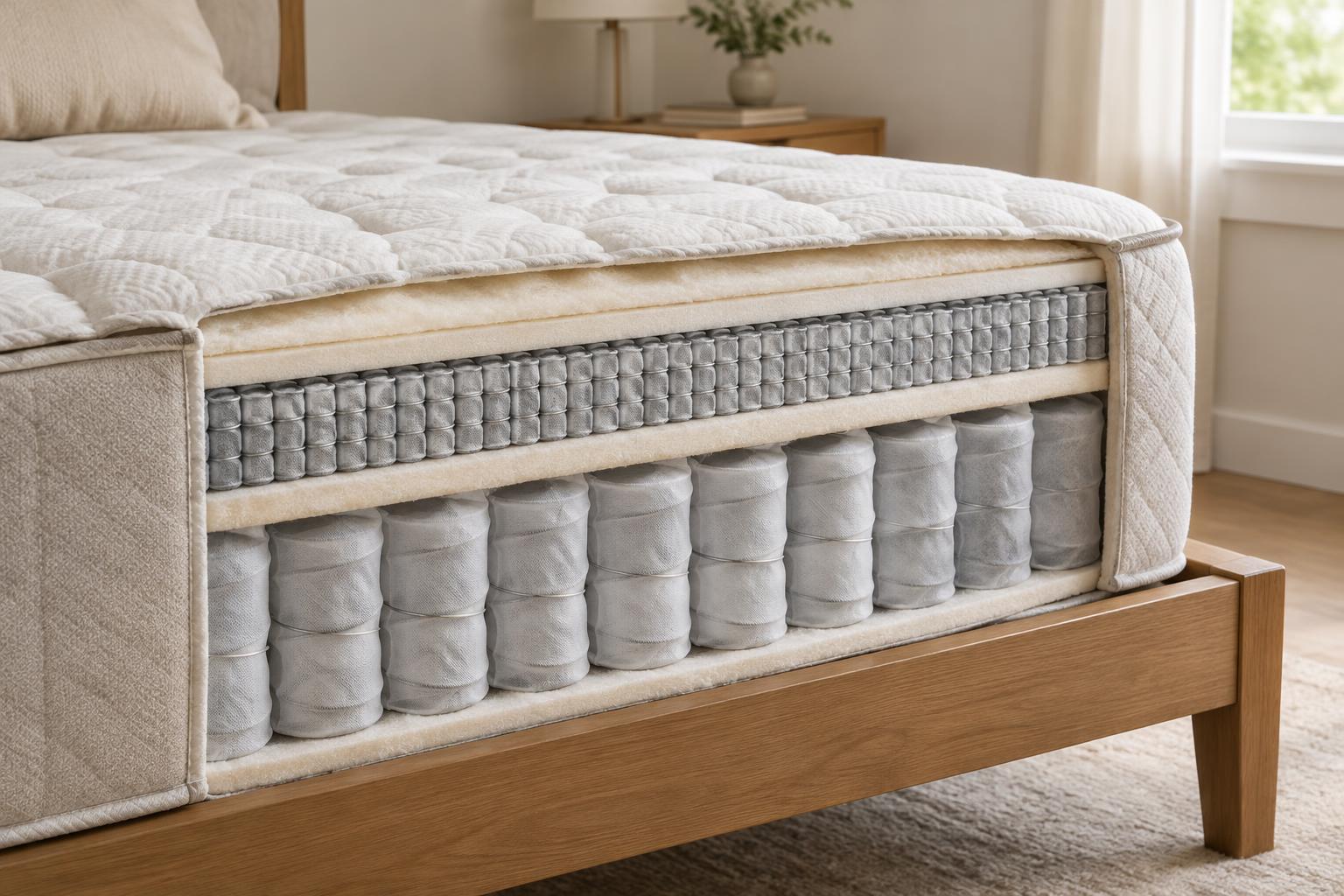
Read article · 4 min↗Pocketed coils sit in individual fabric sleeves, while connected coils are linked into a shared spring unit. Learn how each design is assembled, what that construction can mean for movement and support, and which details matter more than a coil-count claim.
Read article · 4 min↗Latex mattress labels can describe the foam’s ingredients, how it was made, or the construction of the finished bed. Learn which details help you compare mattresses—and which terms call for a follow-up question.
Read article · 4 min↗A mattress labeled “latex” may contain natural rubber latex, synthetic latex, or a blend. Learn how to identify what is in each layer, interpret common marketing terms, and ask useful questions before buying.
Read article · 4 min↗Dunlop and Talalay latex begin with liquid latex, but different molding steps give the finished foams distinct feels. Learn how each process works, what labels can and cannot tell you, and how to compare latex mattresses and toppers without relying on broad claims about comfort or durability.
Read article · 4 min↗Gel-infused memory foam combines the slow, contouring feel of memory foam with gel added during manufacturing. Learn how the material is made, why cooling claims need context, and what to check in the rest of a mattress.
Read article · 4 min↗High-resilience polyfoam is designed to spring back readily after compression, but the label alone does not tell you how a mattress will feel or how long it will last. Learn how it differs from conventional polyfoam and which details are worth checking before you buy.
Read article · 4 min↗Open-cell and closed-cell describe how air spaces connect inside foam. Learn what that difference can mean for airflow, feel and mattress shopping—and why the rest of the bed matters just as much.
Read article · 3 min↗Foam density describes how much a piece of foam weighs for its volume. It can help you compare mattress materials, but it does not tell you how firm, cool, supportive or durable a finished mattress will feel. Learn how to read density specifications without giving them more weight than they deserve.
Read article · 4 min↗Memory foam and conventional polyfoam are both polyurethane-based materials, but they respond differently to weight, movement and temperature. Learn what creates their distinct feel, where each is used in a mattress and what to check before buying.
Read article · 4 min↗A topper can change how a mattress feels, but it cannot restore a worn-out support system. Learn how to assess your current bed, choose between a topper and a replacement, and compare costs before you buy.
Read article · 4 min↗A mattress purchase is not complete until the new bed is in place and the old one is handled. Learn how to compare doorstep delivery, room-of-choice service, setup and removal so you can choose the right level of help.
Read article · 4 min↗A mattress warranty can help when a product develops a covered defect, but it is not a promise that the bed will stay comfortable for everyone. Learn how to read coverage terms, recognize common exclusions, and keep the information you may need for a claim.
Read article · 4 min↗A long sleep trial is only useful if you understand its conditions. Learn how to check the trial dates, required waiting period, return fees, mattress condition rules, refund method and exclusions before you buy.
Read article · 4 min↗A mattress price tag is only part of the cost. Learn how to set a practical budget, account for delivery and accessories, and compare return terms, warranties and expected use before you buy.
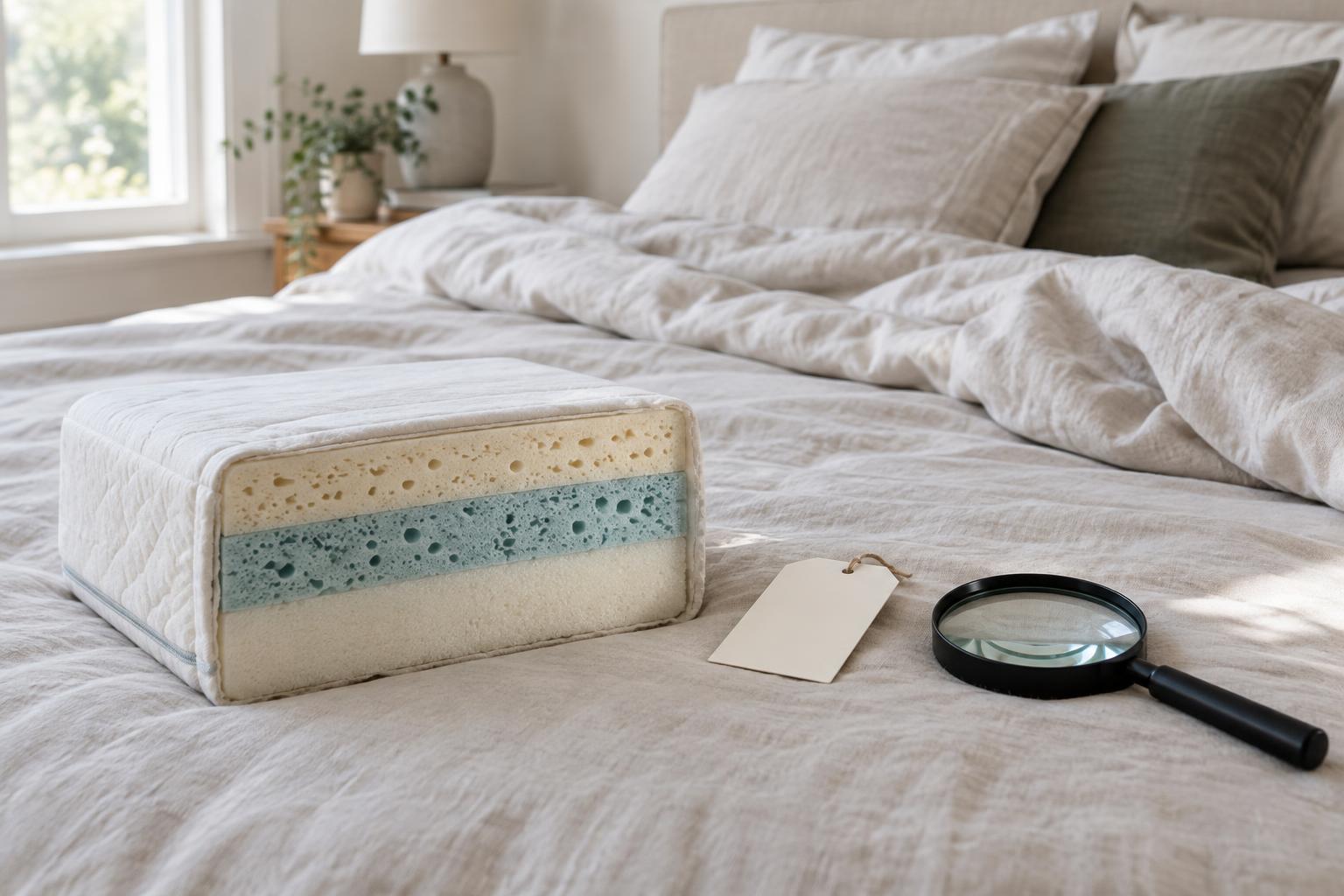
Read article · 4 min↗Mattress listings often lead with comfort claims while placing construction details elsewhere. Learn how to find the layer order, foam and coil specifications, cover materials, and missing information that matters when comparing models.
Read article · 4 min↗A quick sit on the edge cannot tell you much about a mattress. Use a repeatable showroom routine to compare support, pressure, movement and practical details, then check the written policies before deciding.
Read article · 3 min↗Online mattress shopping makes it easy to compare specifications from home, while a store lets you feel the mattress before buying. Neither route guarantees the right choice. This guide explains how to compare comfort, construction, trial terms, delivery and total cost so you can shop with fewer surprises.
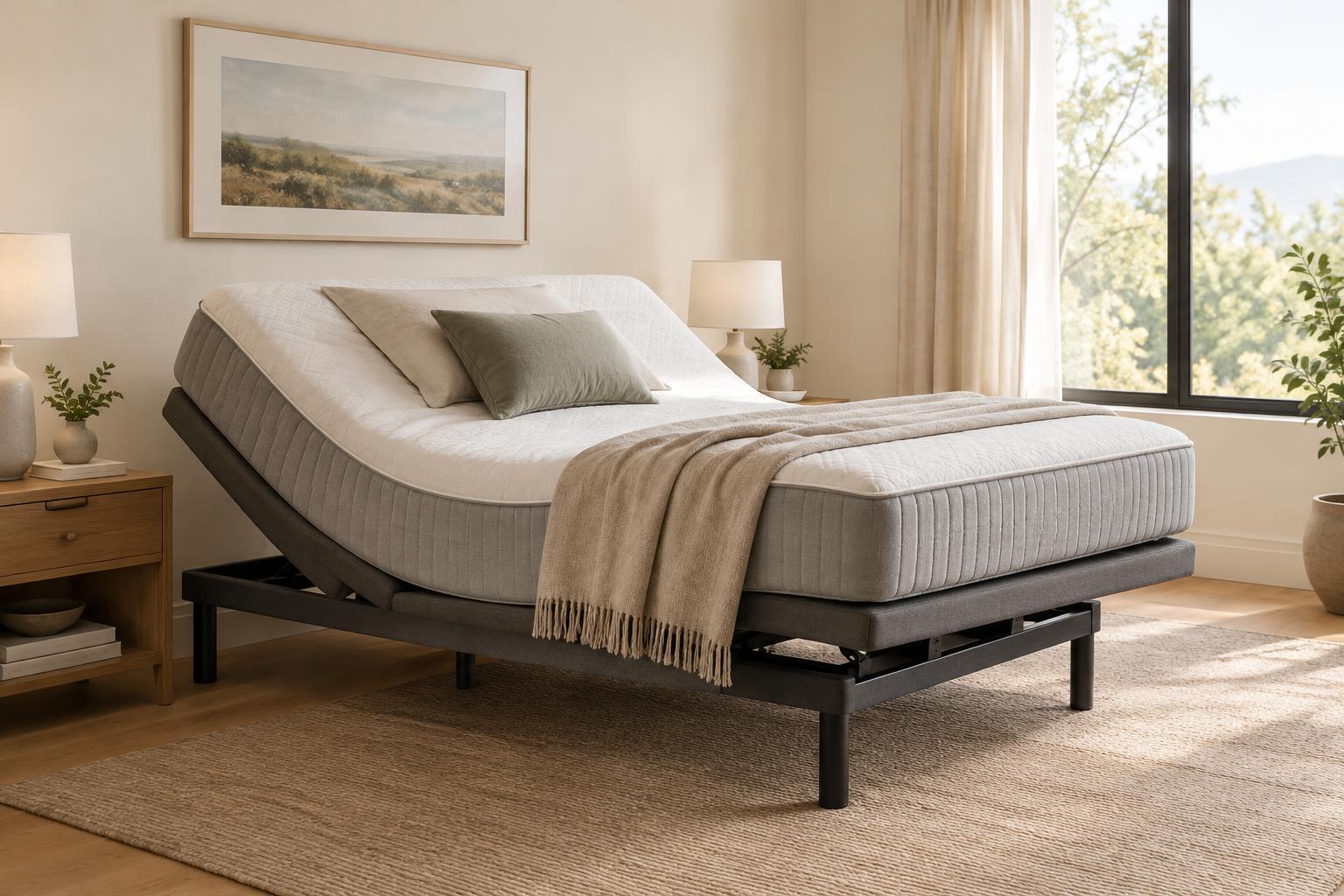
Read article · 3 min↗A mattress can look right on a flat bed yet behave differently when the head and foot of an adjustable base rise. Before buying, check compatibility, flexibility, size, weight limits and return terms together. This guide explains what to confirm and which questions to ask before you commit.
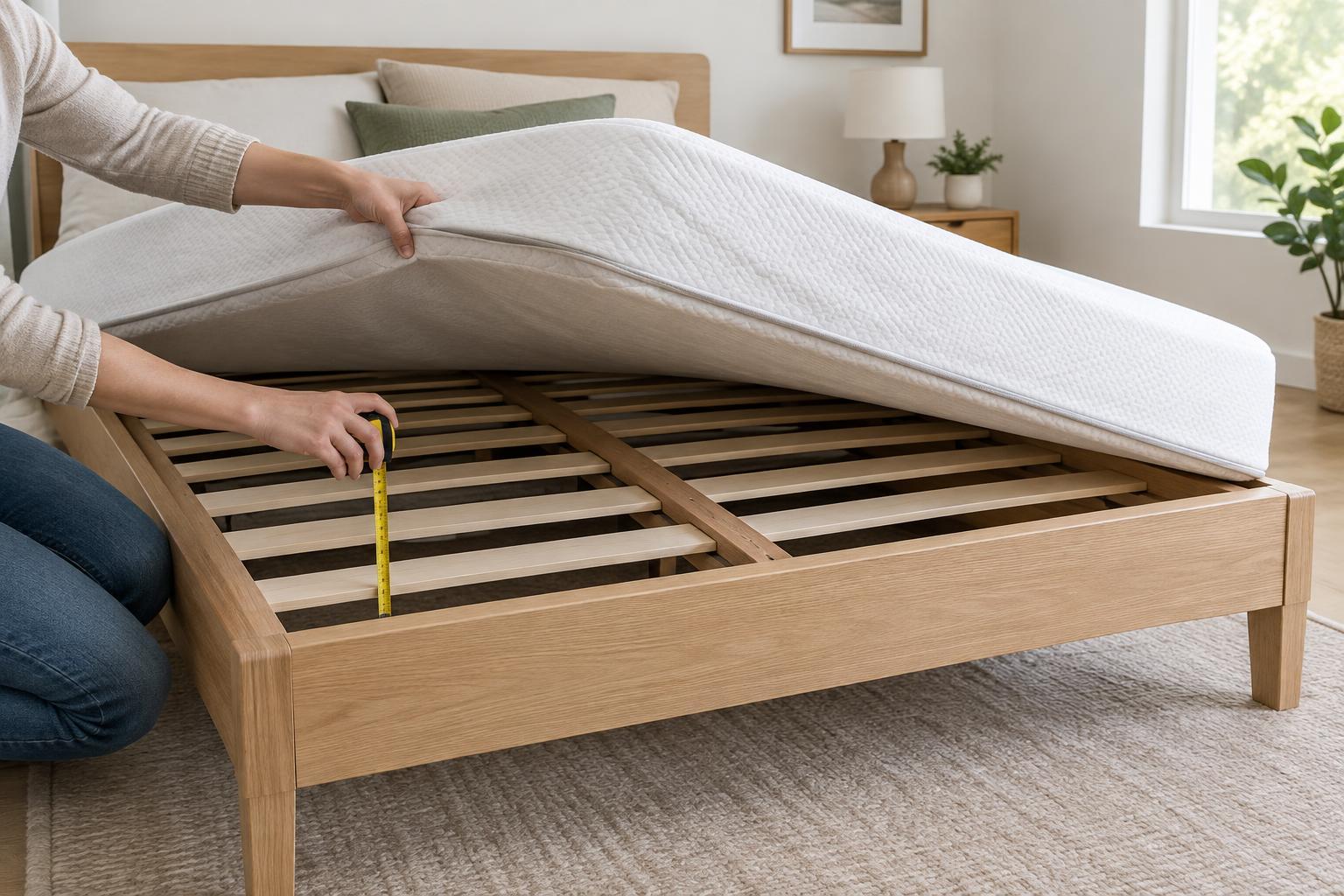
Read article · 4 min↗A mattress needs the right support to feel stable and wear as intended. Learn how to check dimensions, slat spacing, weight capacity, adjustable-base suitability, and manufacturer requirements before you buy.
Read article · 4 min↗Mattress height changes more than the look of a bed. Learn how to account for the frame, bedding, room layout and daily routines when choosing a mattress profile.
Read article · 4 min↗A mattress can feel cool when you first lie down yet feel different later in the night. Learn how to assess cooling claims by looking at airflow, surface feel, bedding, room conditions and return policies rather than relying on product labels alone.
Read article · 3 min↗Edge support affects how stable a mattress feels when you sit down or lie near its sides. Learn what to check in a showroom, how to compare online descriptions, and which trade-offs matter for your space and sleeping habits.
Read article · 4 min↗Motion isolation describes how much movement travels across a mattress. Learn what design details and product claims can tell you, where they fall short, and how to compare mattresses when you share a bed.
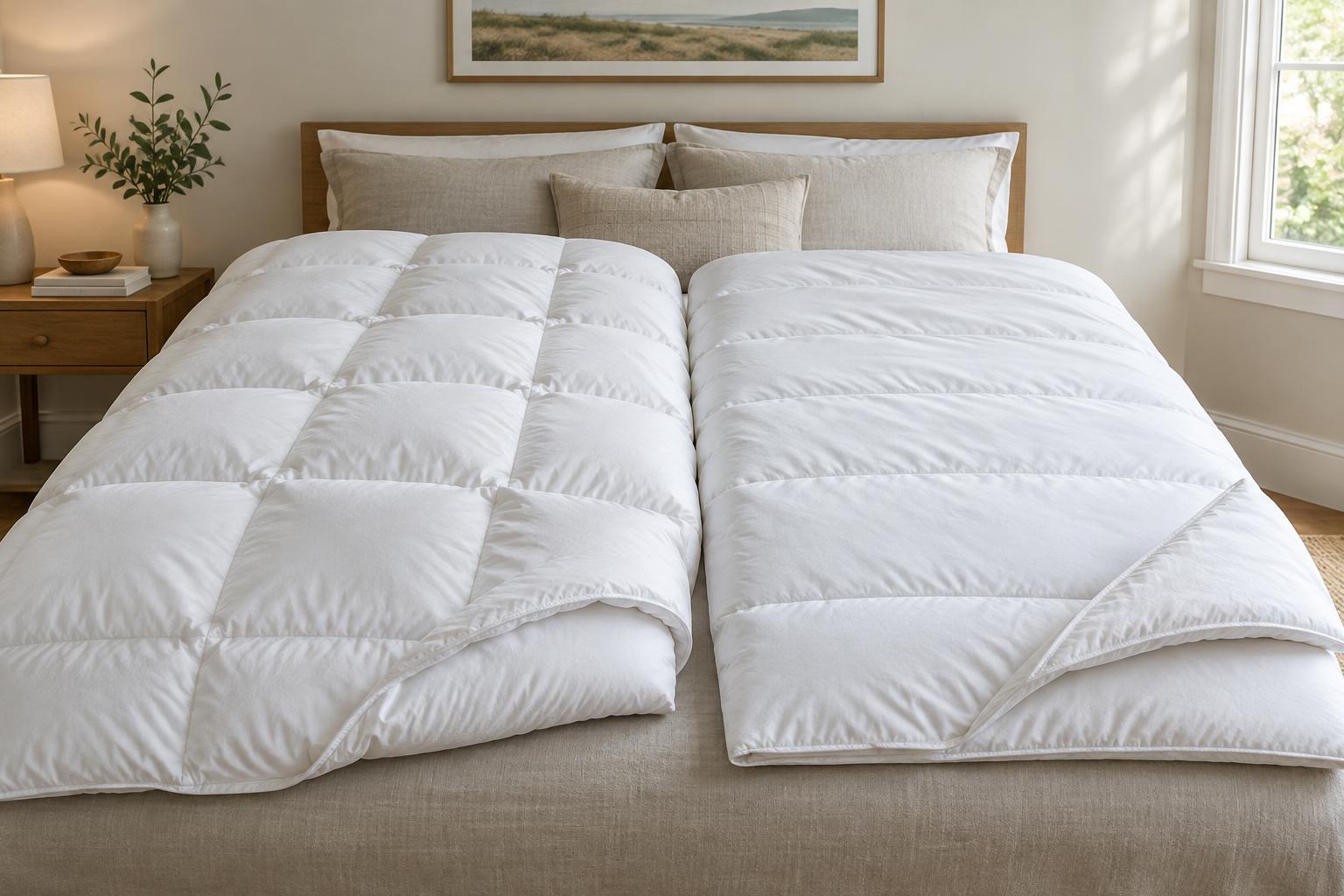
Read article · 4 min↗A shared mattress does not have to feel identical on both sides. Learn how to compare firmness, motion transfer, temperature, size and split designs, then shop with a plan that accounts for both sleepers.
Read article · 4 min↗A mattress weight limit is only one part of a supported sleep setup. Learn how to read per-sleeper and total limits, check foundation requirements, compare construction details, and clarify missing specifications before you buy.
Read article · 4 min↗Your usual sleep position can help you narrow down mattress choices, but it should not dictate a single firmness rating. Learn how to assess pressure relief, support, movement and comfort in the position you actually use.
Read article · 4 min↗A mattress firmness rating describes how a bed may feel at first, but it is not a universal measure of comfort or support. Learn how to read firmness scales, account for your sleep position and body weight, and compare mattresses without relying on a single number.
Read article · 4 min↗Mattress labels describe construction, not guaranteed comfort. Compare foam, innerspring, hybrid and latex mattresses by how they feel, manage movement and respond to different sleeping preferences, then check the details of the model you plan to buy.
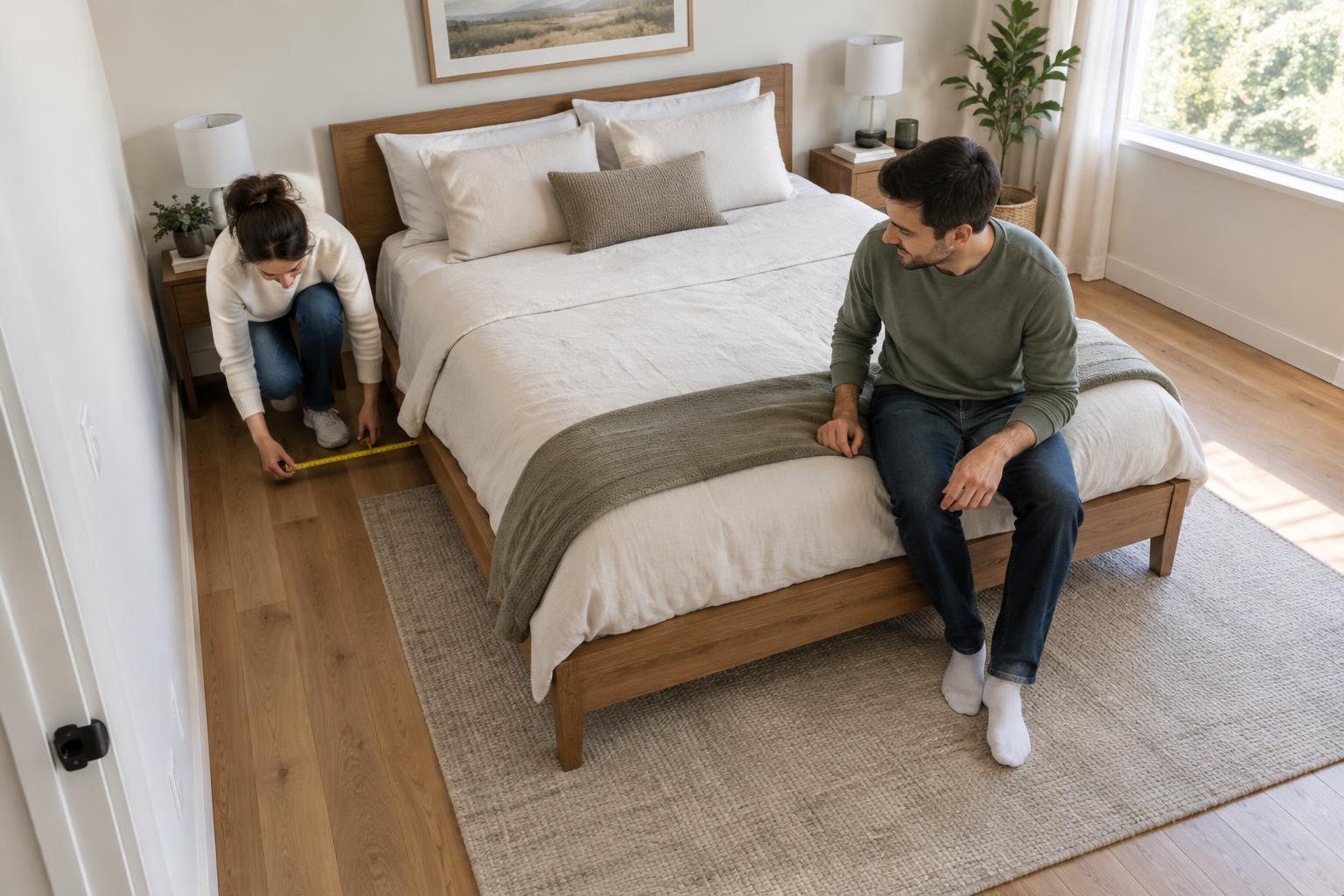
Read article · 4 min↗The right mattress size gives sleepers enough space without making the bedroom awkward to use. Compare common sizes, account for who shares the bed, and measure the room, bed frame and delivery route before you buy.
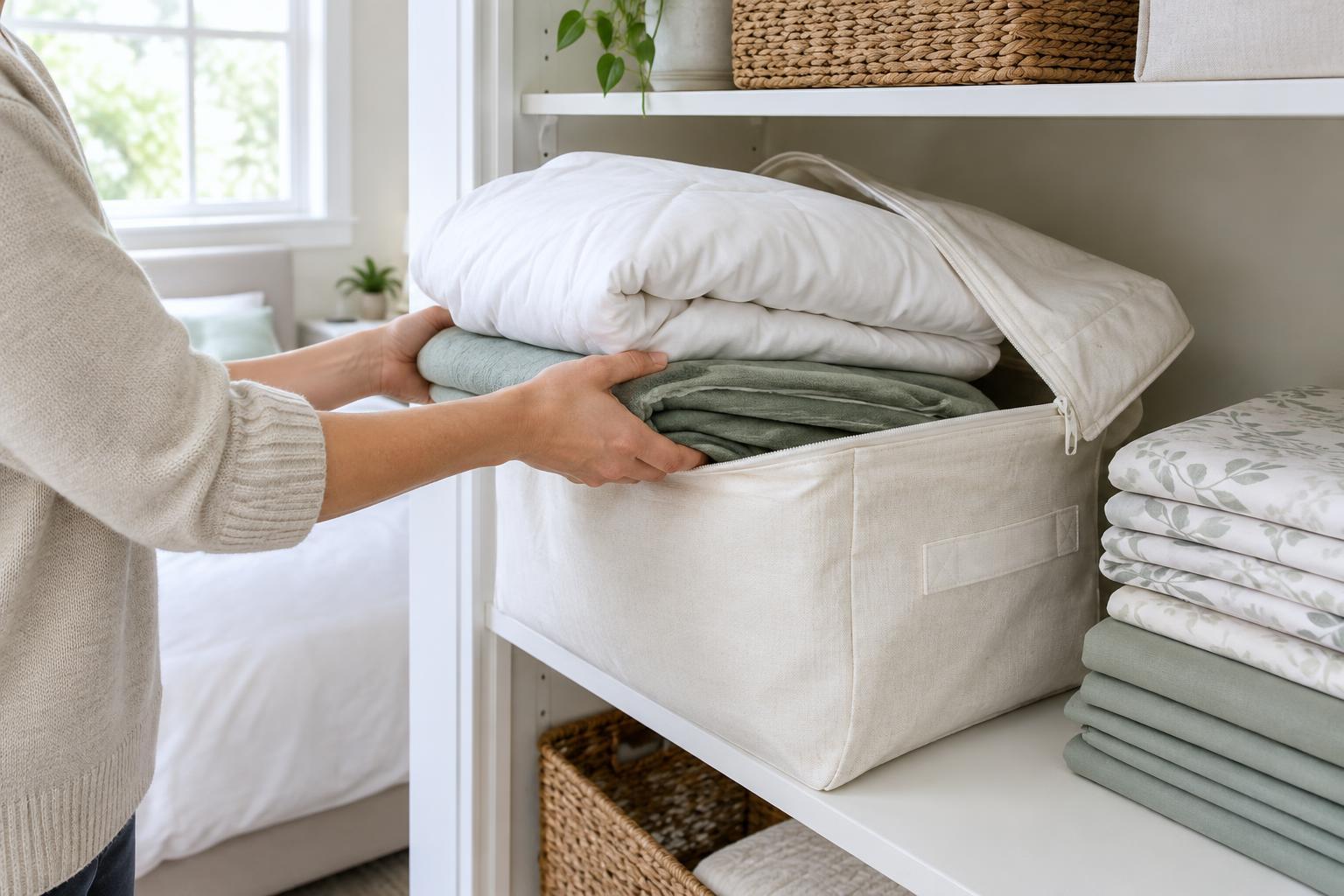
Read article · 4 min↗Seasonal bedding stays fresher when it goes into storage clean and completely dry, is packed in a suitable container, and is kept away from damp or dusty spaces. Use this guide to prepare, store, and refresh comforters, blankets, and spare sheets.
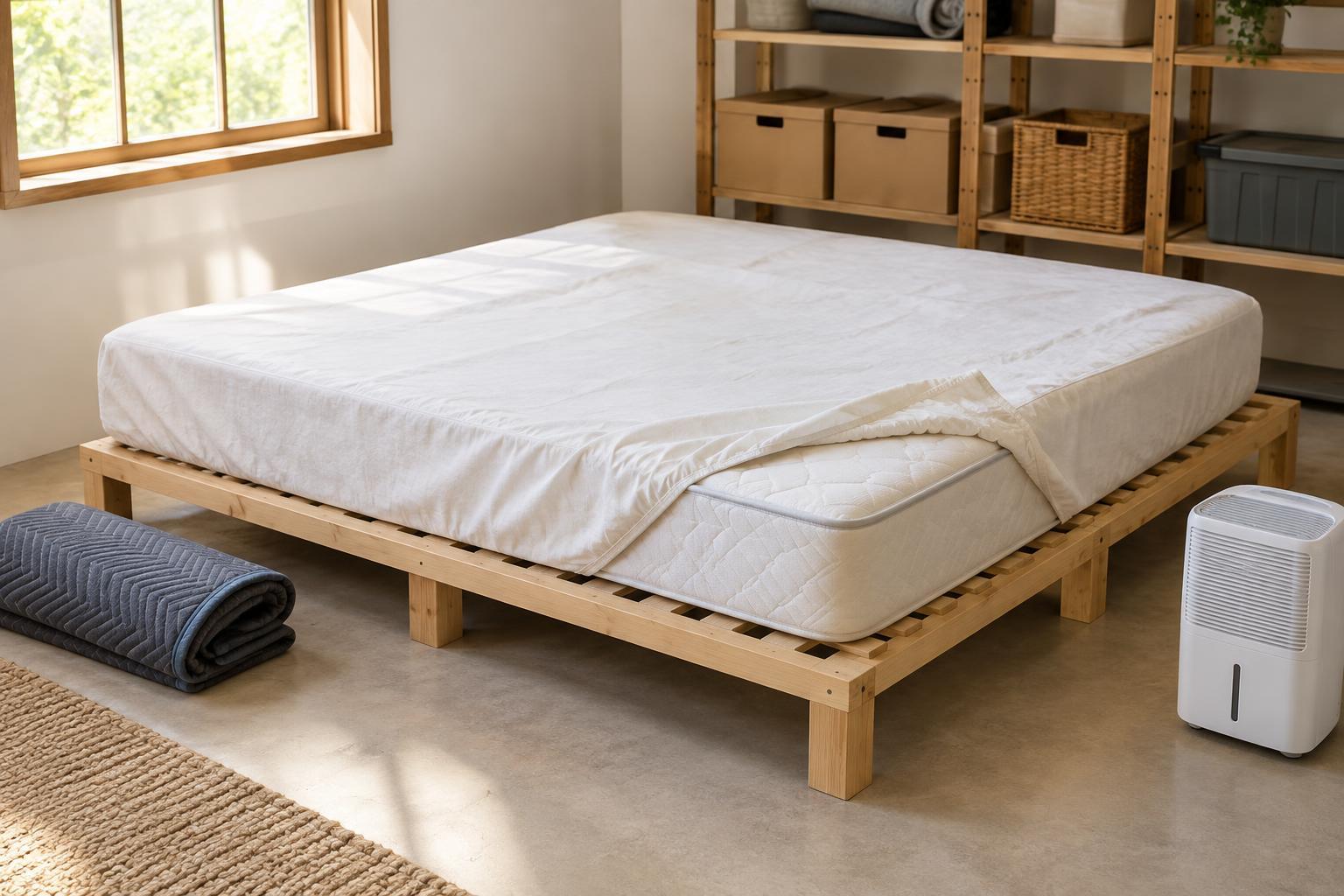
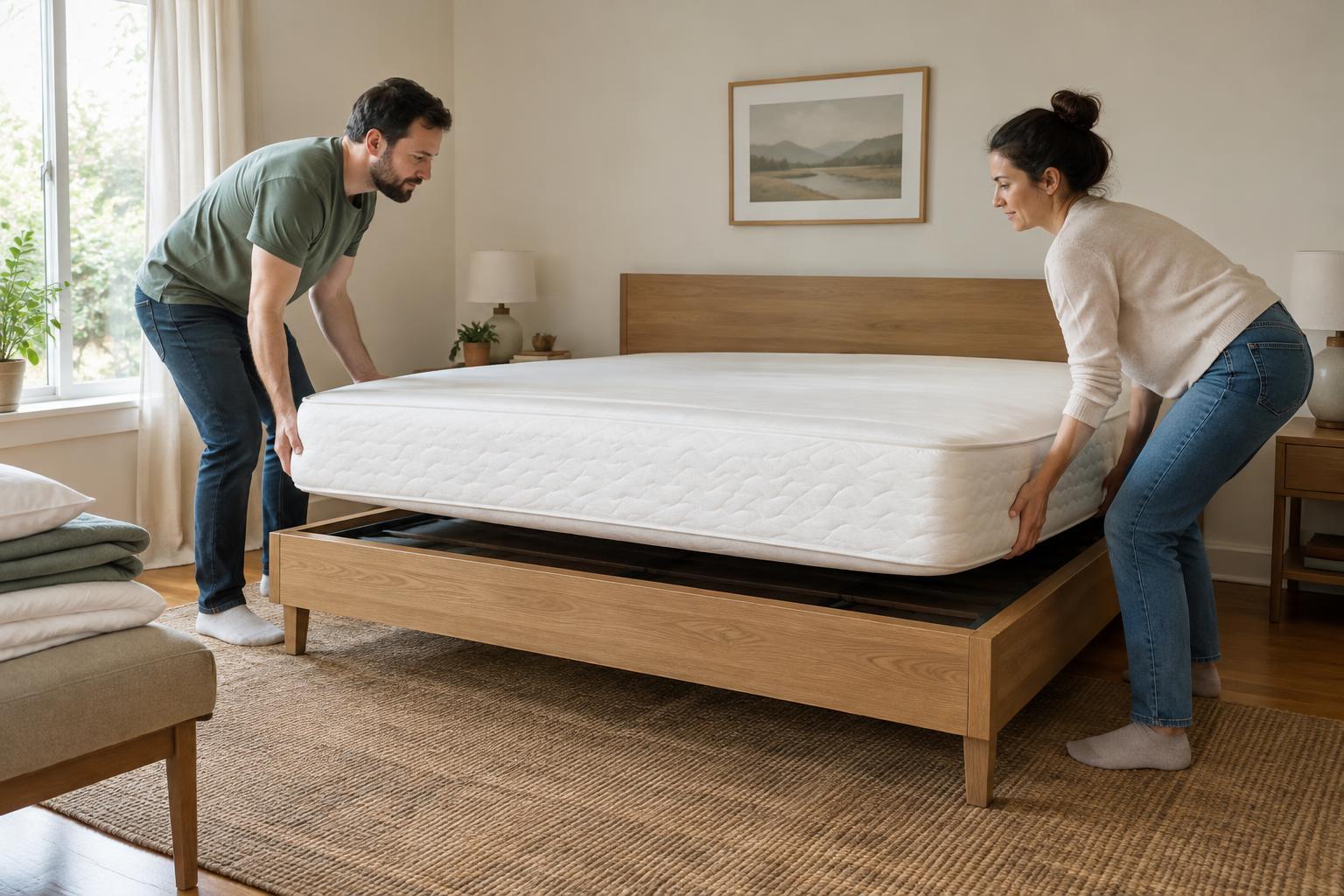
Read article · 4 min↗A mattress needs clean, dry conditions and steady support while it is in storage. Learn how to prepare it, move it without folding it, choose a protective cover and check it before putting it back on the bed.
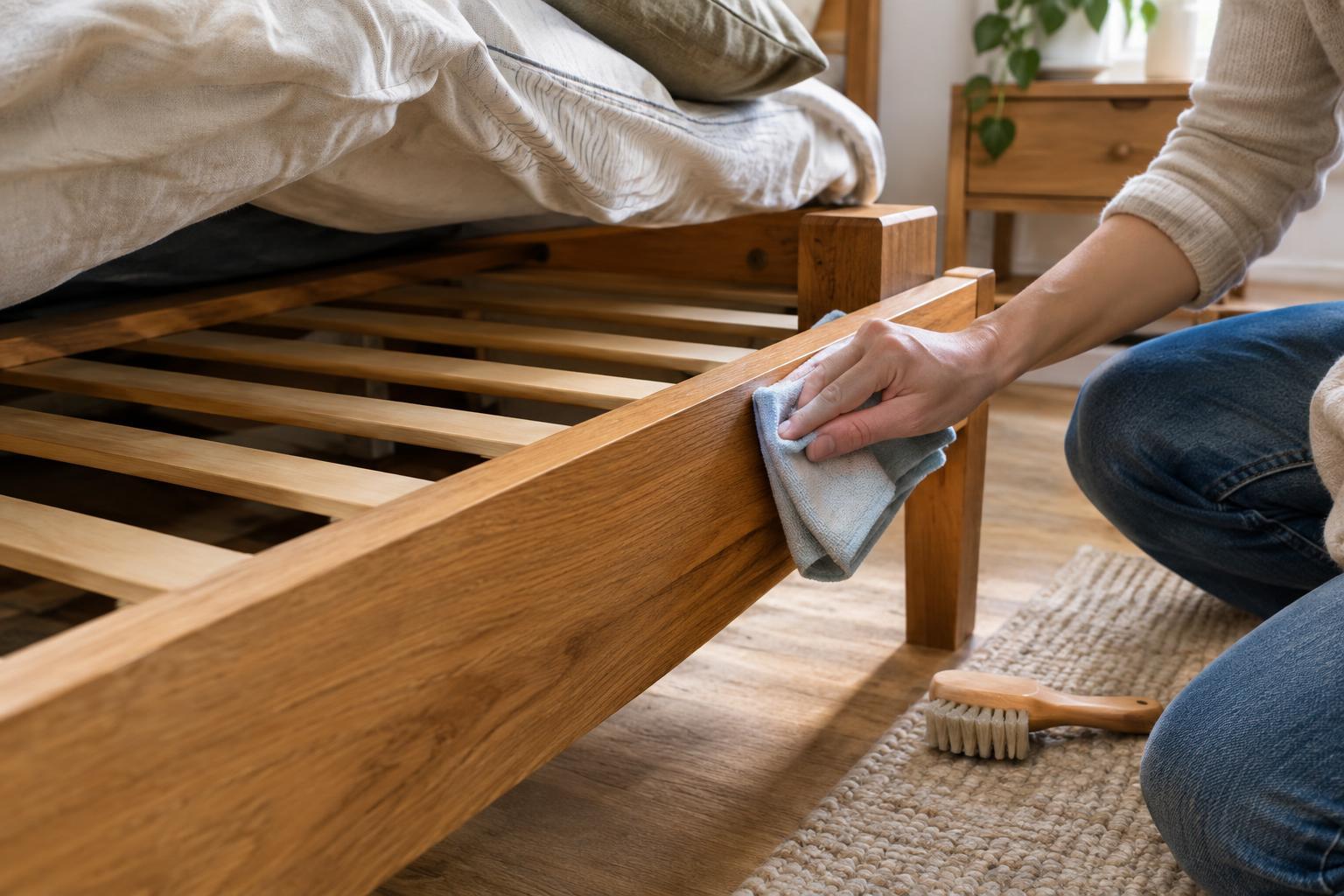
Read article · 4 min↗A wooden bed frame usually needs only gentle dusting and a lightly damp cloth. Learn how to identify its finish, clean joints and slats, handle sticky spots, and avoid excess moisture or abrasive products.
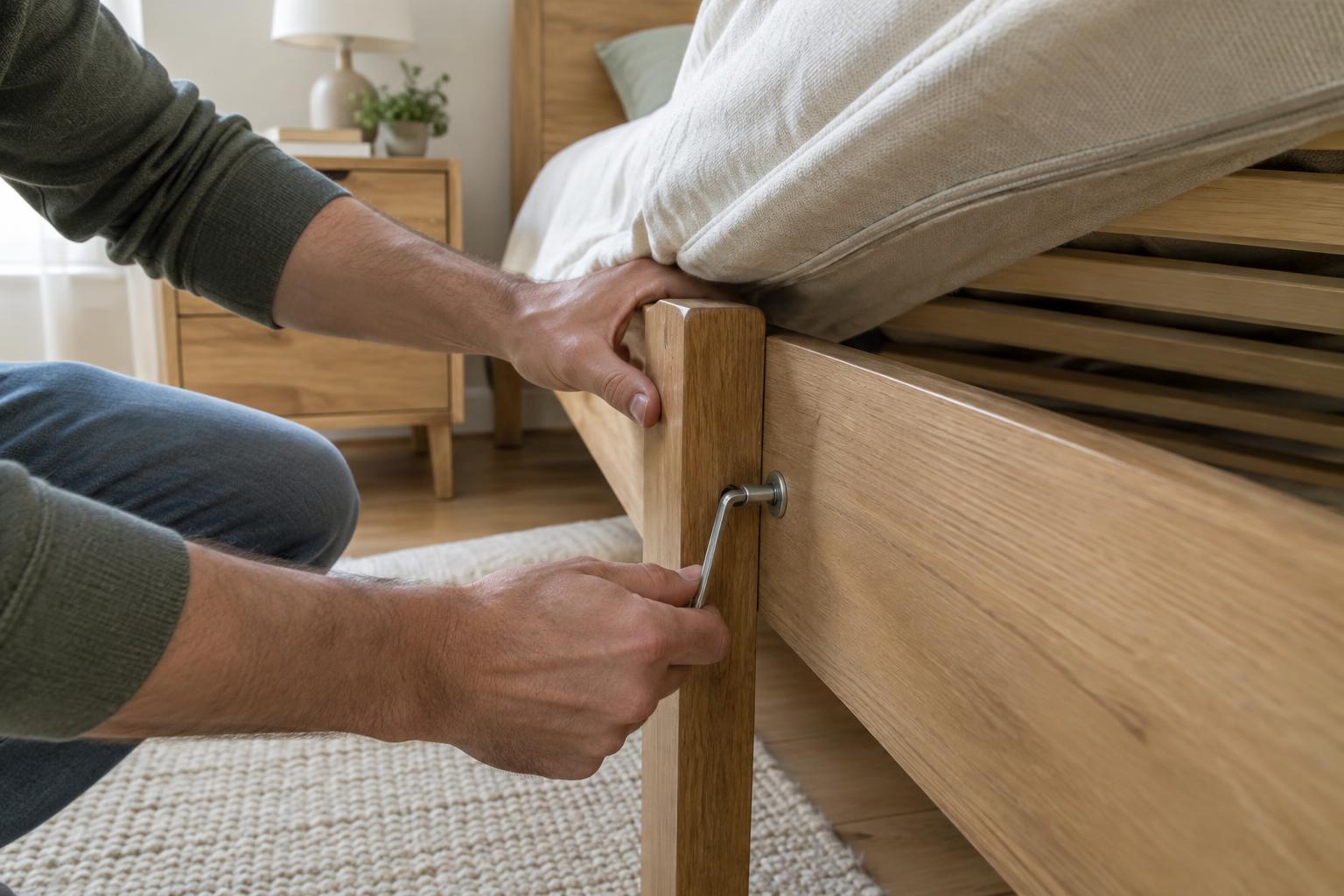
Read article · 4 min↗A squeak can come from loose fasteners, shifting slats, rubbing joints, or the floor beneath the bed. Use this step-by-step approach to locate the sound, tighten the right parts, and avoid damaging the frame.
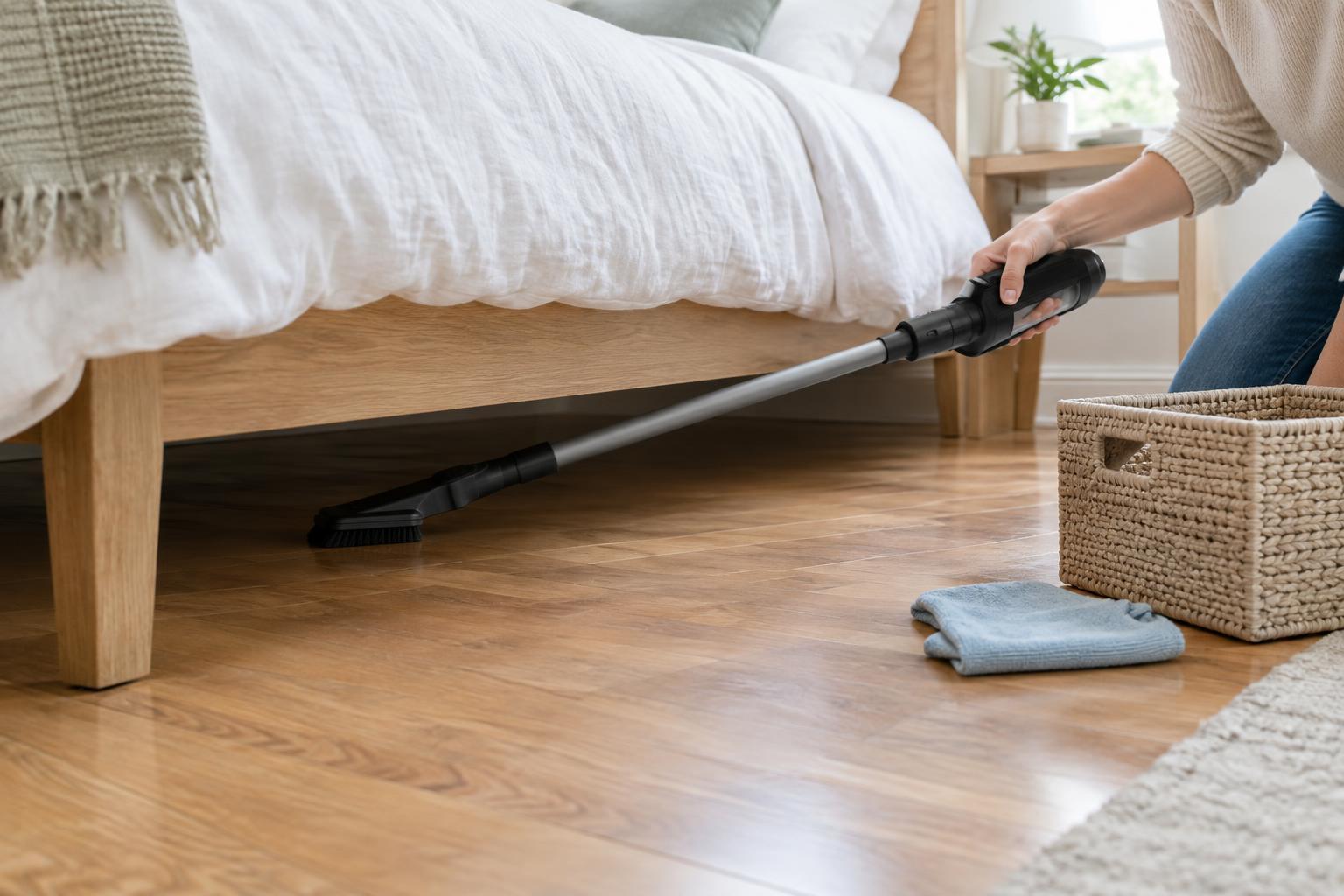
Read article · 3 min↗A calm, low-mess approach to cleaning beneath your bed: clear the space, capture dust before it spreads, and choose tools that fit the floor and bed frame.
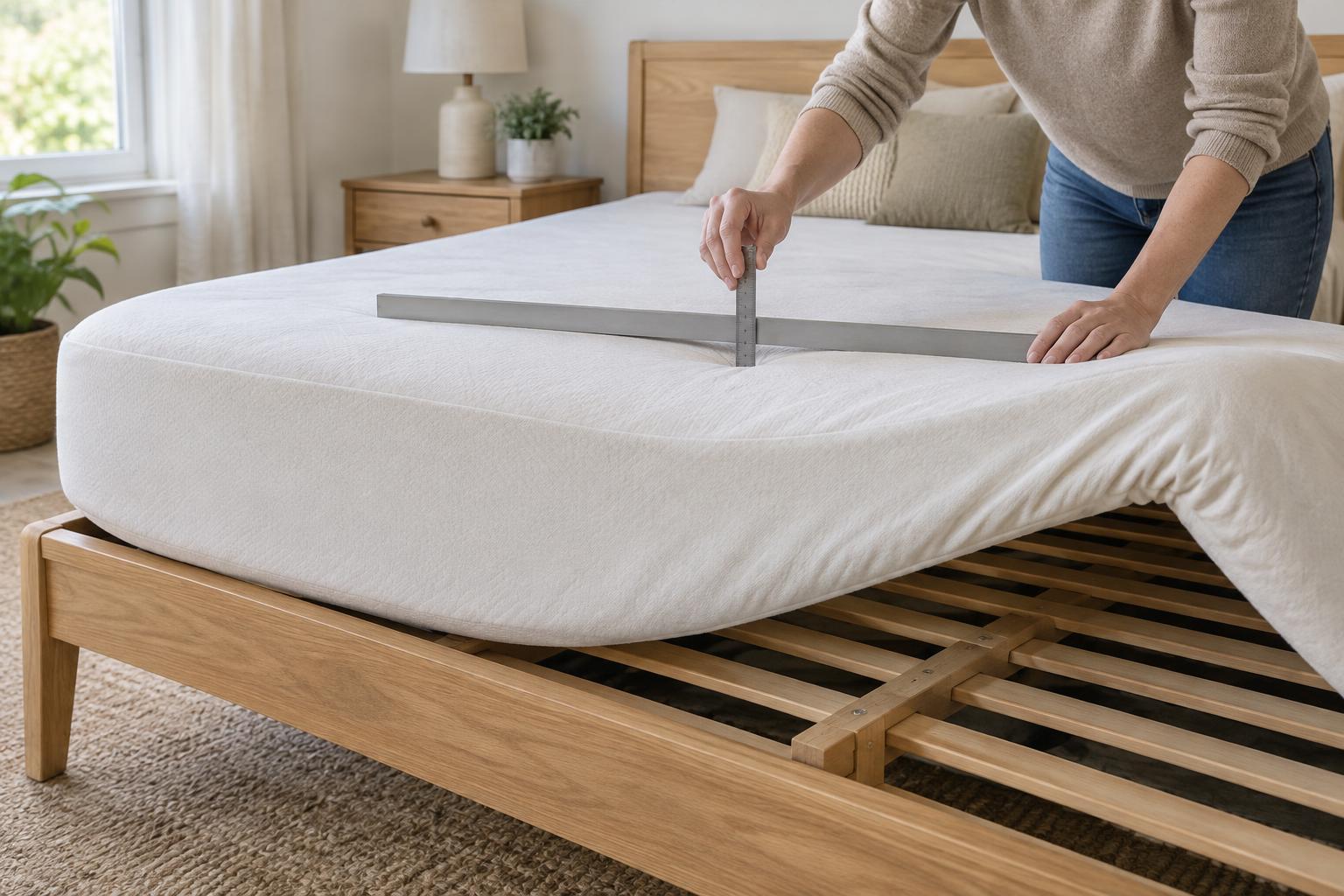
Read article · 4 min↗A low spot in a bed does not always mean the mattress has failed. Learn how to check the surface, separate ordinary impressions from possible sagging, and inspect the base before deciding what to do next.
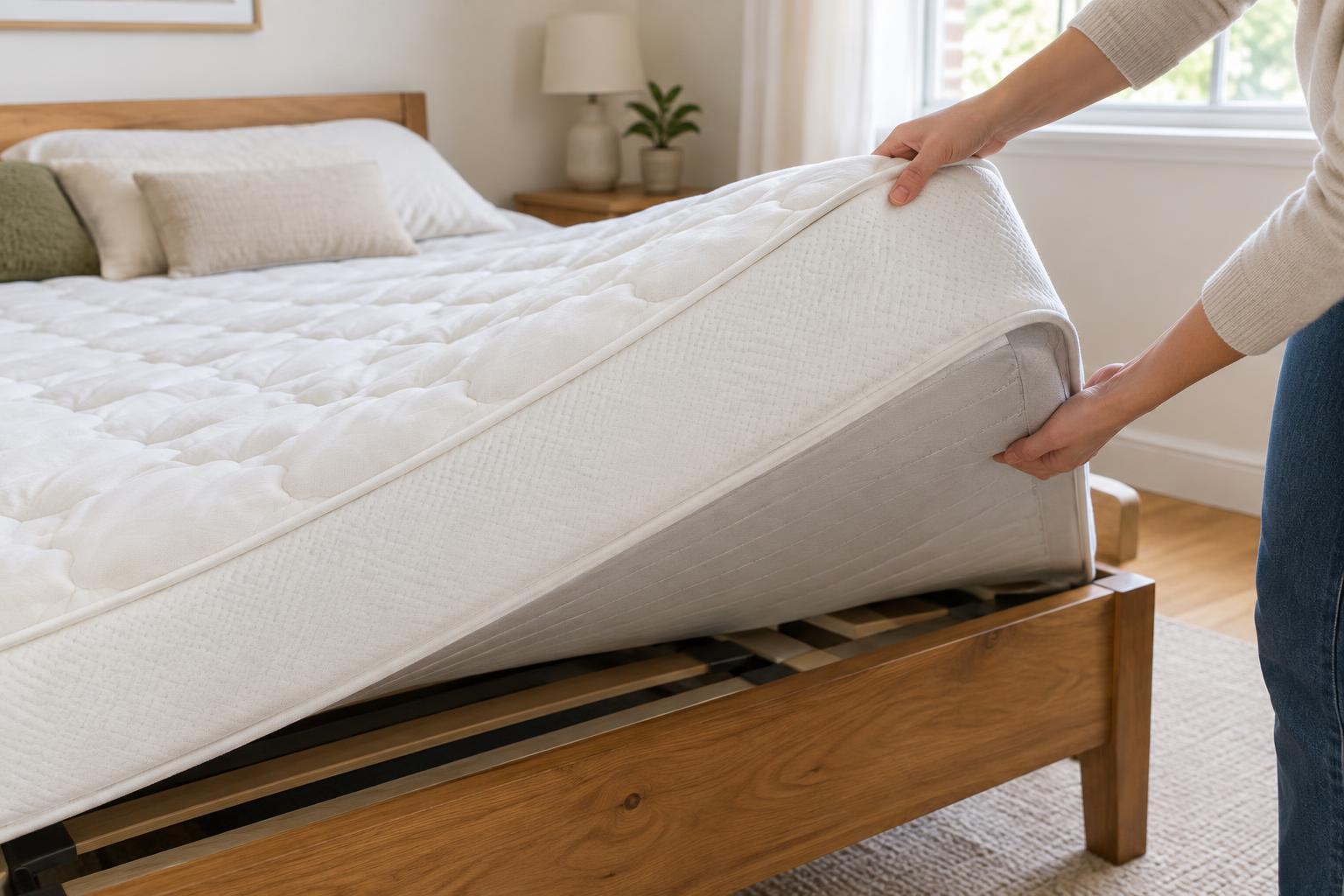
Read article · 4 min↗Flipping can spread wear on a mattress designed for use on both sides, but it can put the wrong surface on top when a mattress is one-sided. Learn how to identify your mattress’s construction, when to rotate instead, and how to move it safely.
Read article · 4 min↗Rotating a mattress can help spread everyday wear, but the right schedule depends on its construction and the manufacturer’s instructions. Learn when to rotate, when to skip it, and how to move a mattress without straining it or yourself.
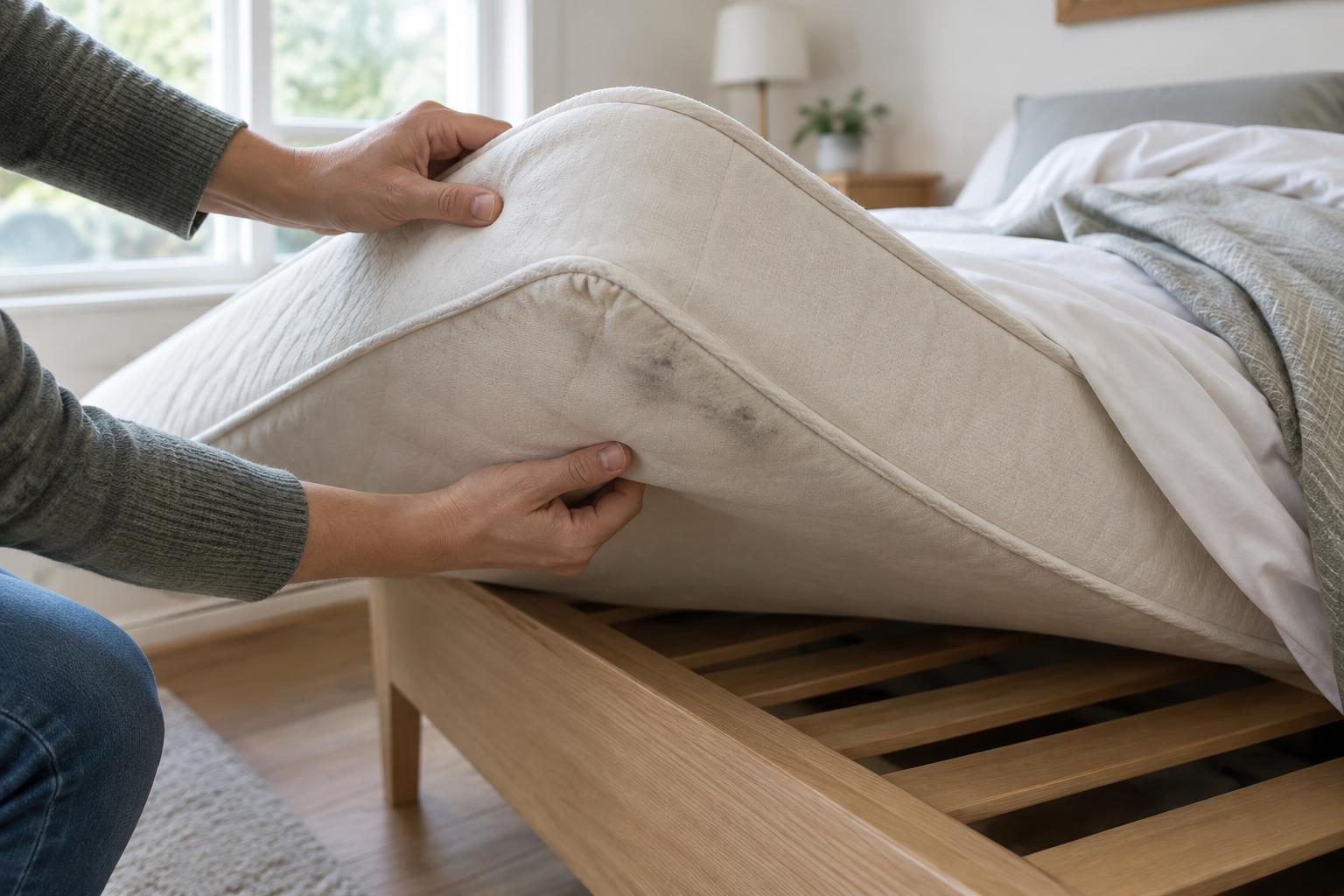
Read article · 4 min↗A damp smell or dark mark does not automatically mean a mattress has mold, but it deserves a closer look. Learn how to inspect the cover, seams, underside and surrounding bed area, then decide whether drying, cleaning or replacement is the sensible next step.
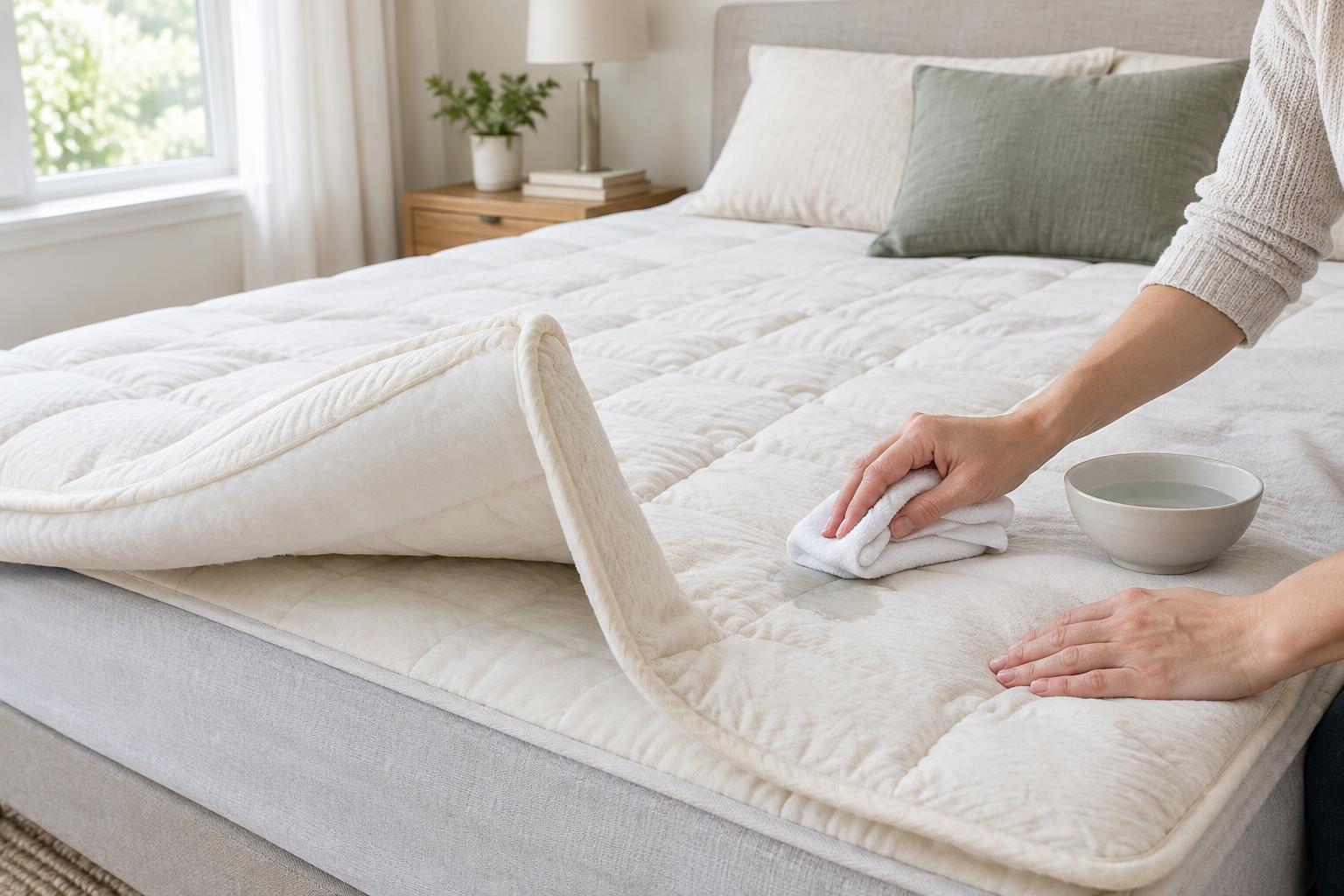
Read article · 4 min↗Mattress toppers do not all tolerate water, heat or agitation in the same way. Learn how to handle spills and routine cleaning for foam, latex, fiberfill, down and wool, then dry and protect your topper so it stays comfortable.
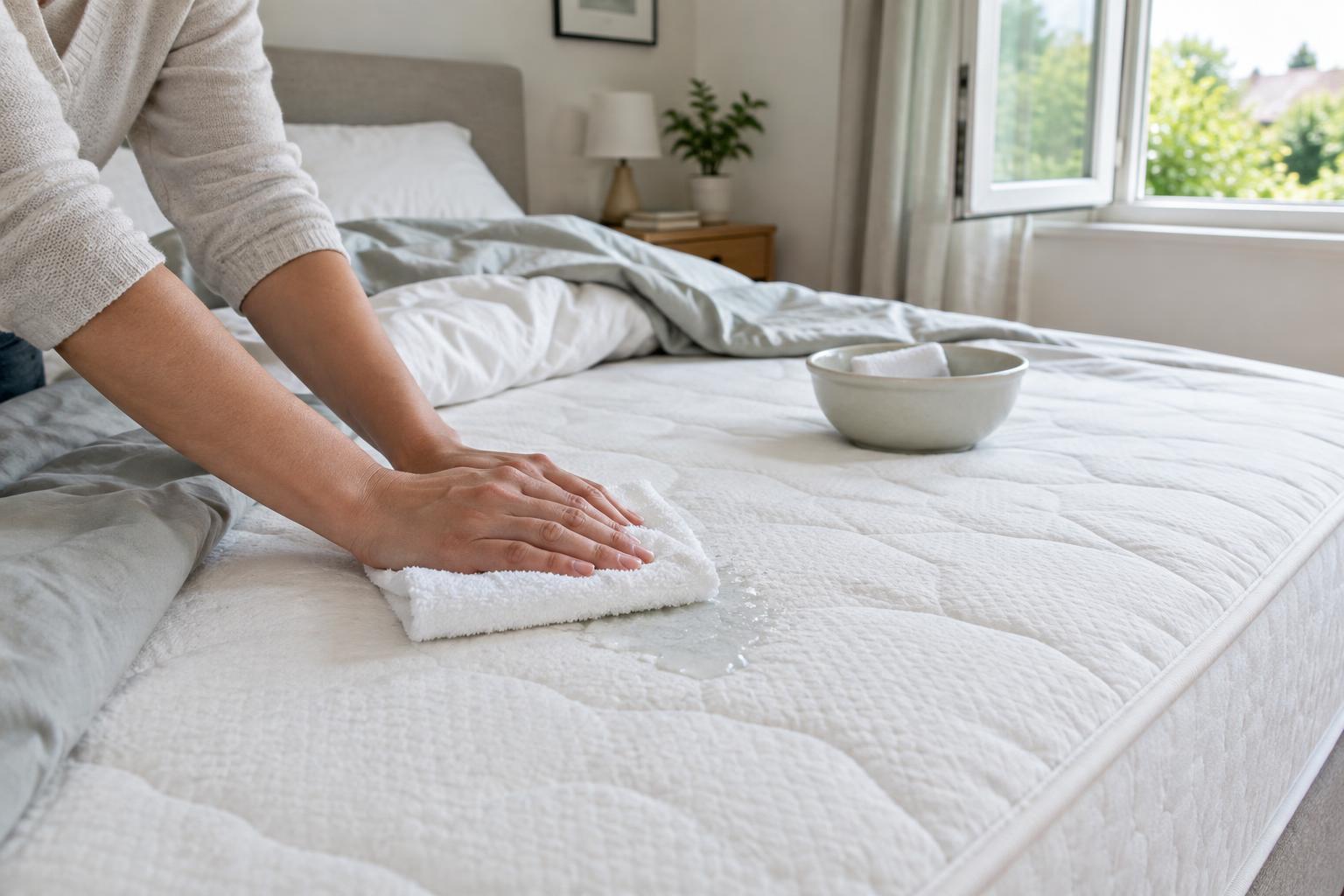
Read article · 4 min↗A quick response can keep a mattress spill from spreading, but drying matters as much as cleaning. Learn how to blot, use a small amount of cleaner when needed, and check that the mattress is dry before making the bed.
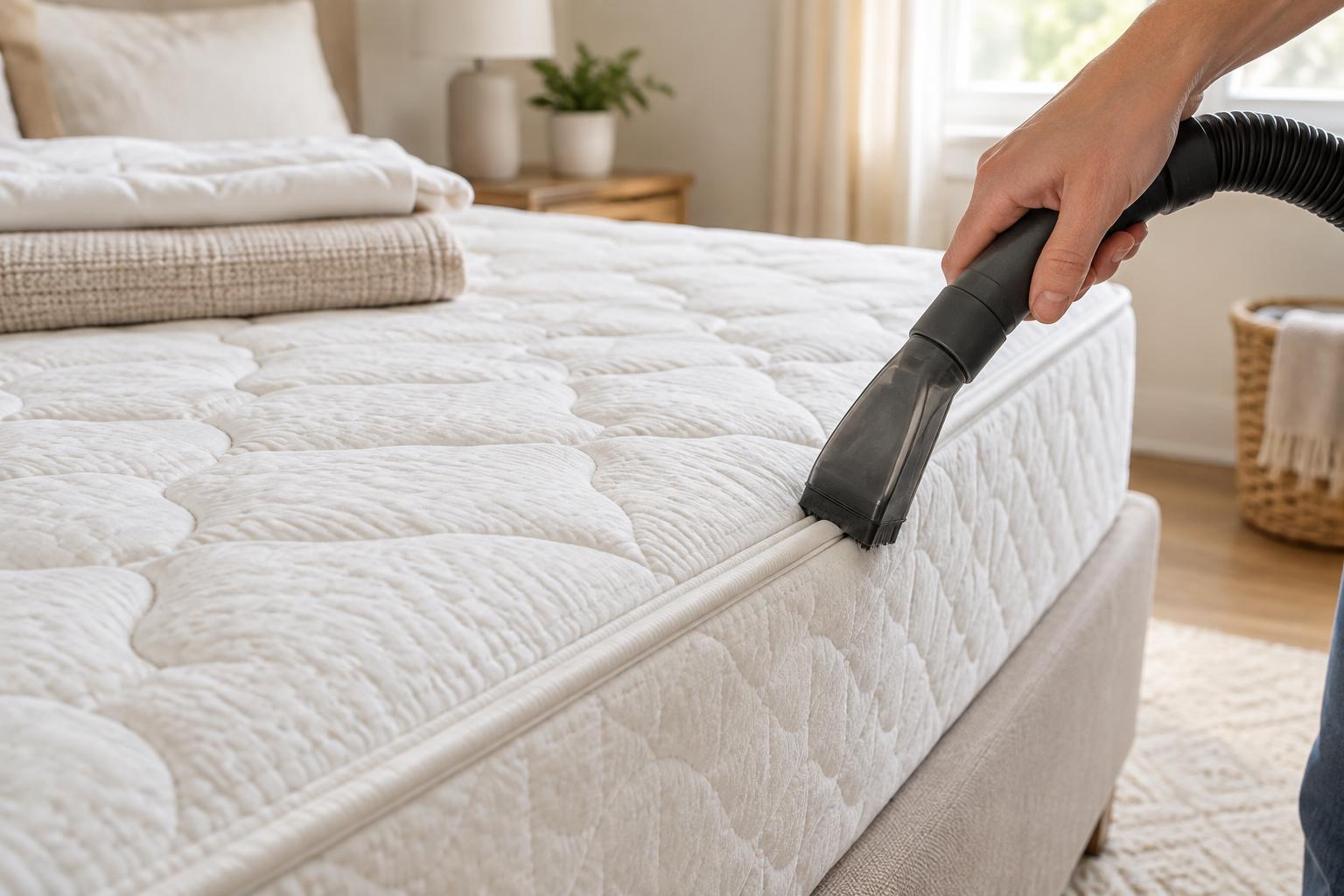
Read article · 4 min↗Vacuuming a mattress can remove loose dust, lint and crumbs from the surface and help clear debris from seams. This guide covers the tools to use, a gentle step-by-step method and the limits of what vacuuming can accomplish.
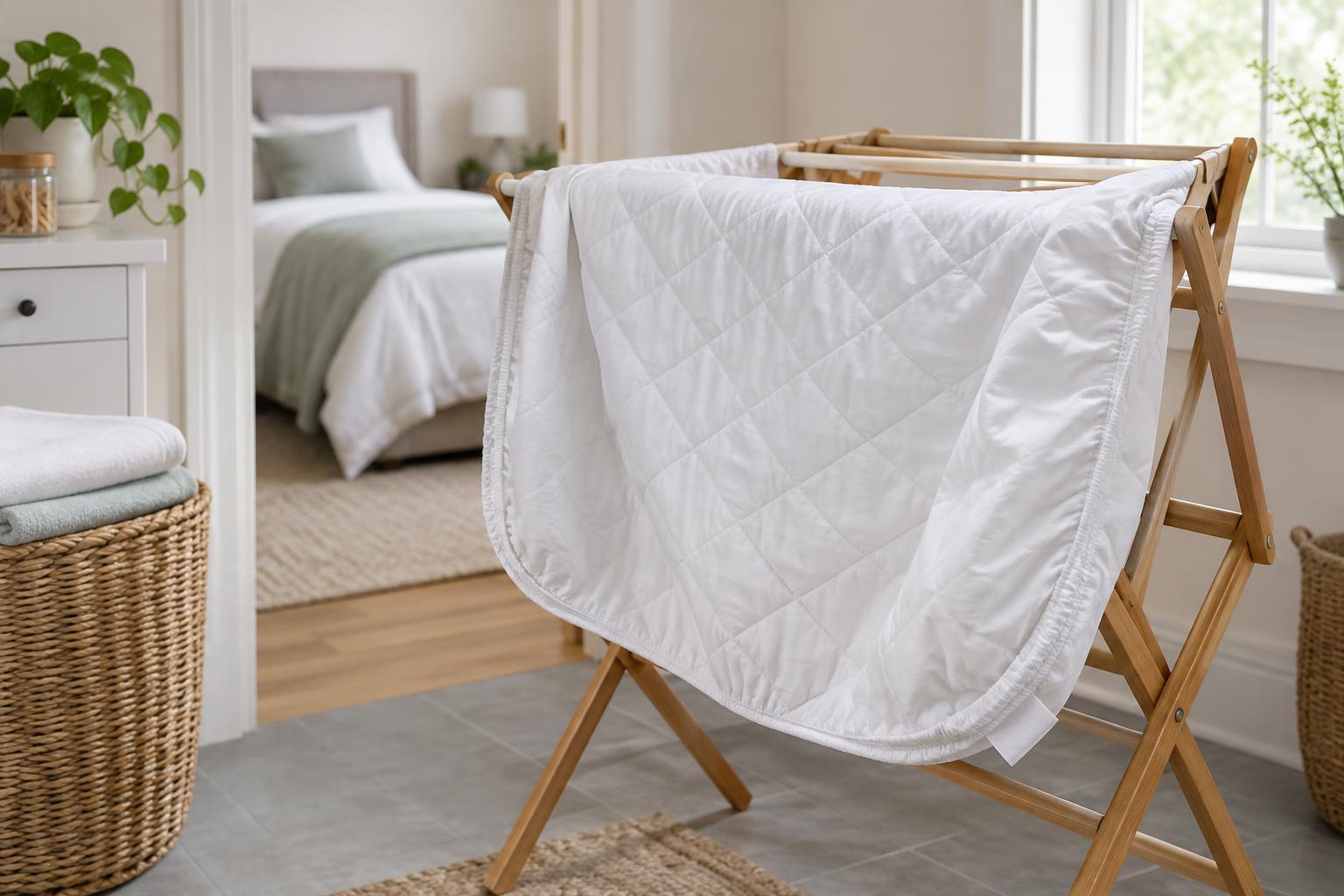
Read article · 4 min↗A waterproof mattress protector needs regular washing, but heat, harsh products and rough handling can shorten the life of its barrier. Learn how to check the care label, choose a gentle wash and dry the protector thoroughly before it goes back on the bed.
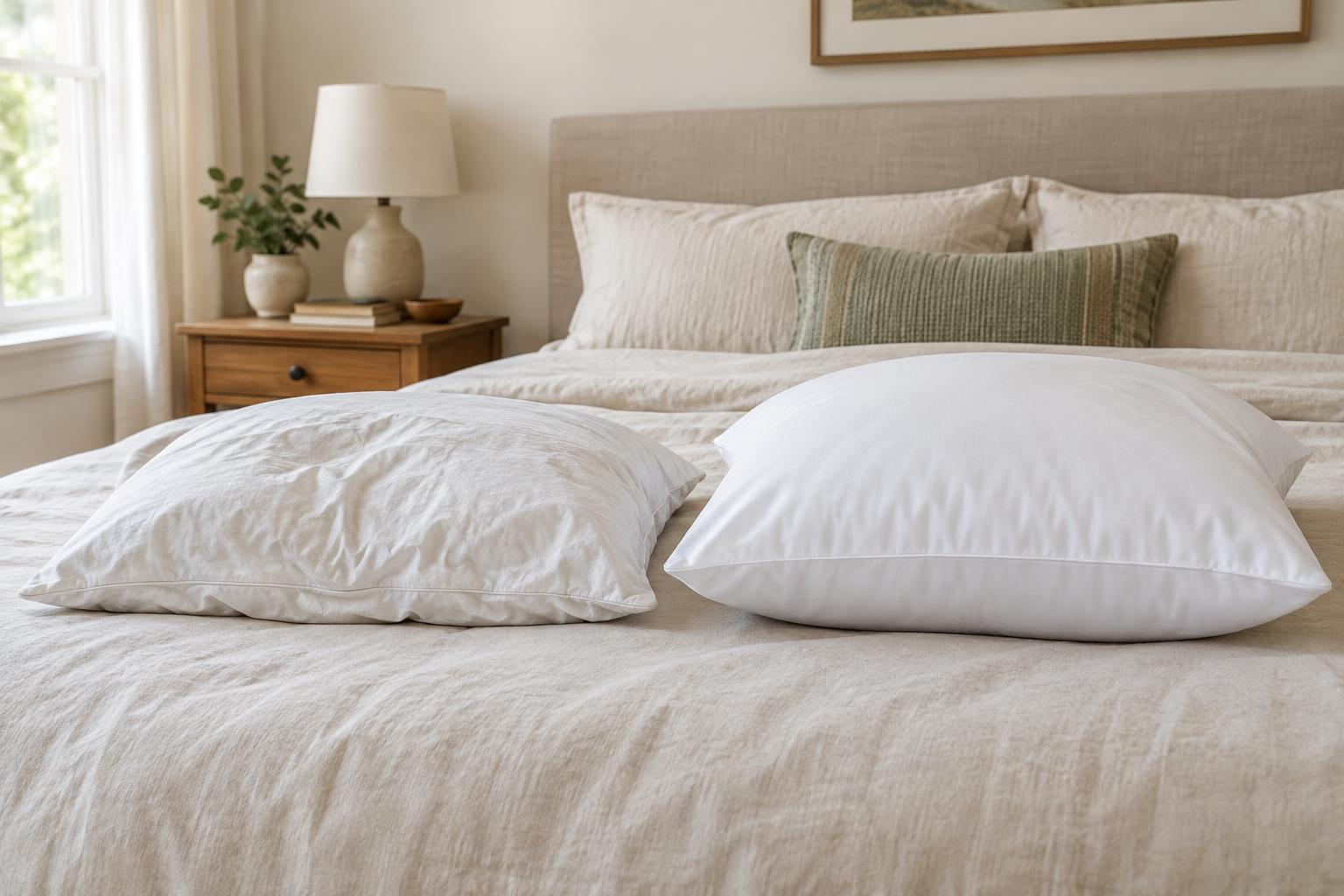
Read article · 4 min↗A pillow can look tidy in a fresh case while no longer giving you the height or support you prefer. Learn how to check for flattened fill, lumps, persistent odors and changes in comfort—and how proper care can help you decide whether to refresh or replace it.
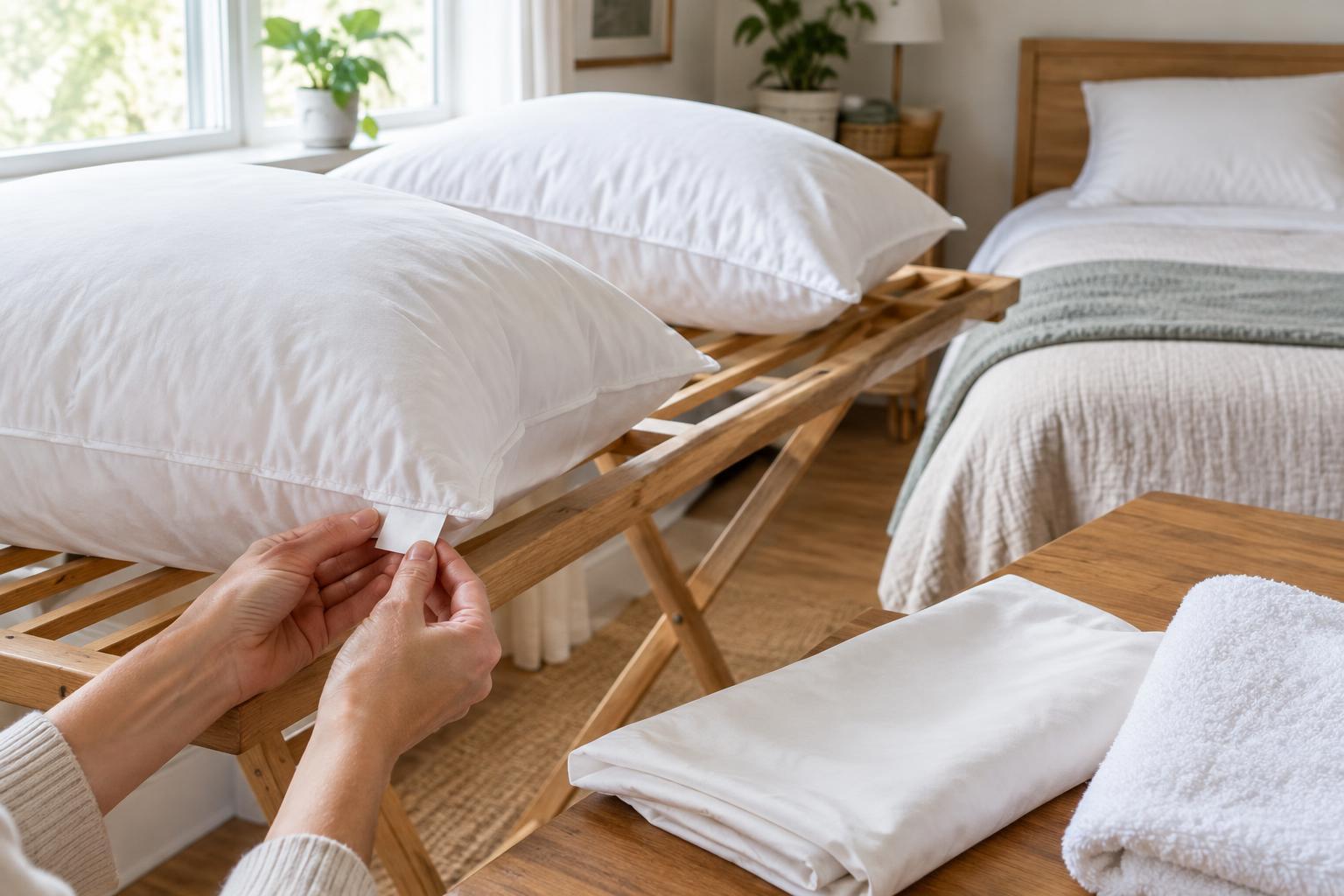
Read article · 4 min↗Pillow care depends on what is inside. Learn how to check the care label, wash or spot-clean common fills, dry them thoroughly, and keep pillows fresher between cleanings.
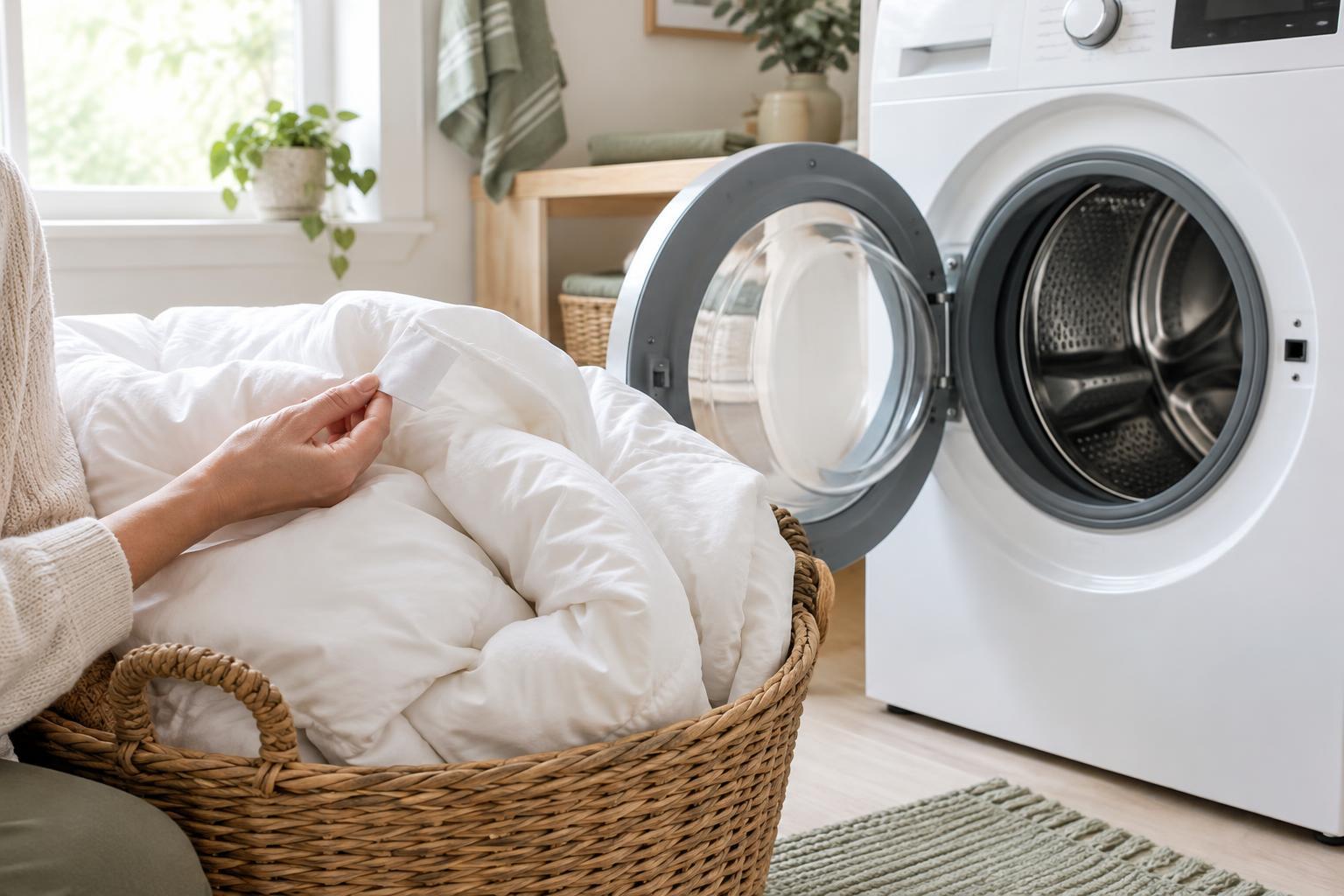
Read article · 3 min↗A comforter or duvet insert needs room to move through the wash and dry completely afterward. Learn how to read its care label, judge whether your machine is large enough, and choose a cleaning approach that protects the filling.
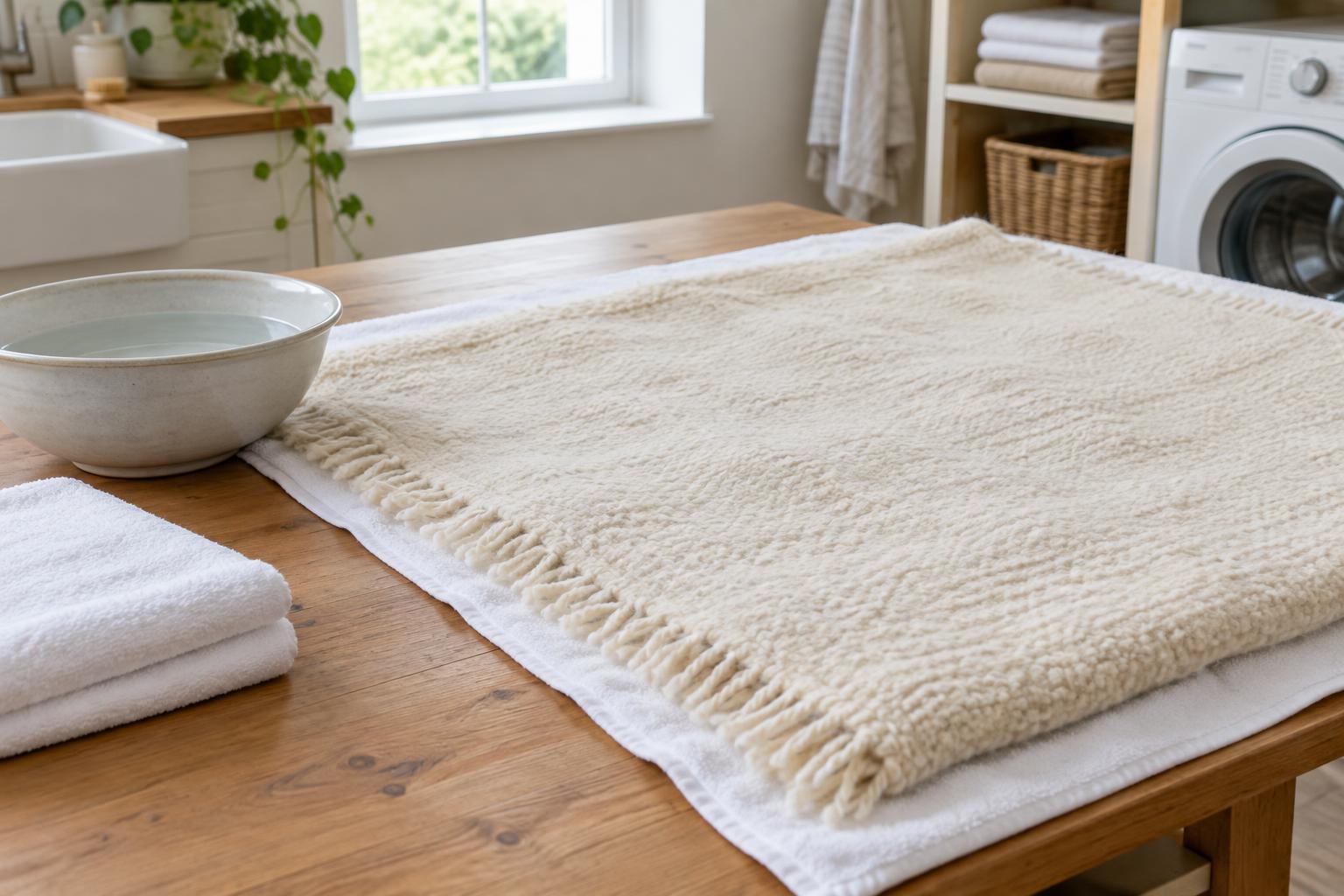
Read article · 4 min↗Wool blankets need gentle handling to stay soft and keep their shape. Learn when to wash, how to choose between hand and machine washing, and how to dry a blanket without unnecessary heat or agitation.
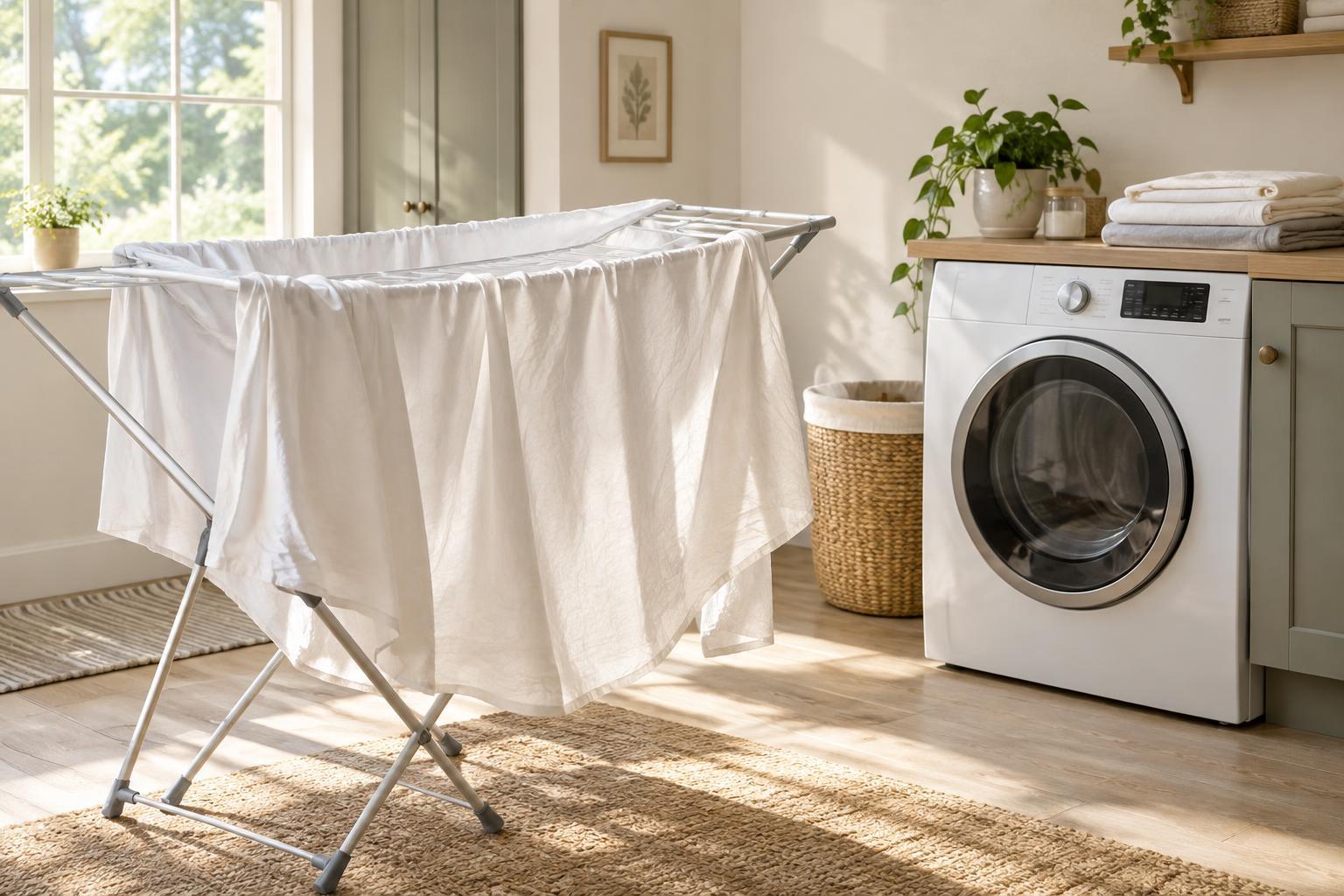
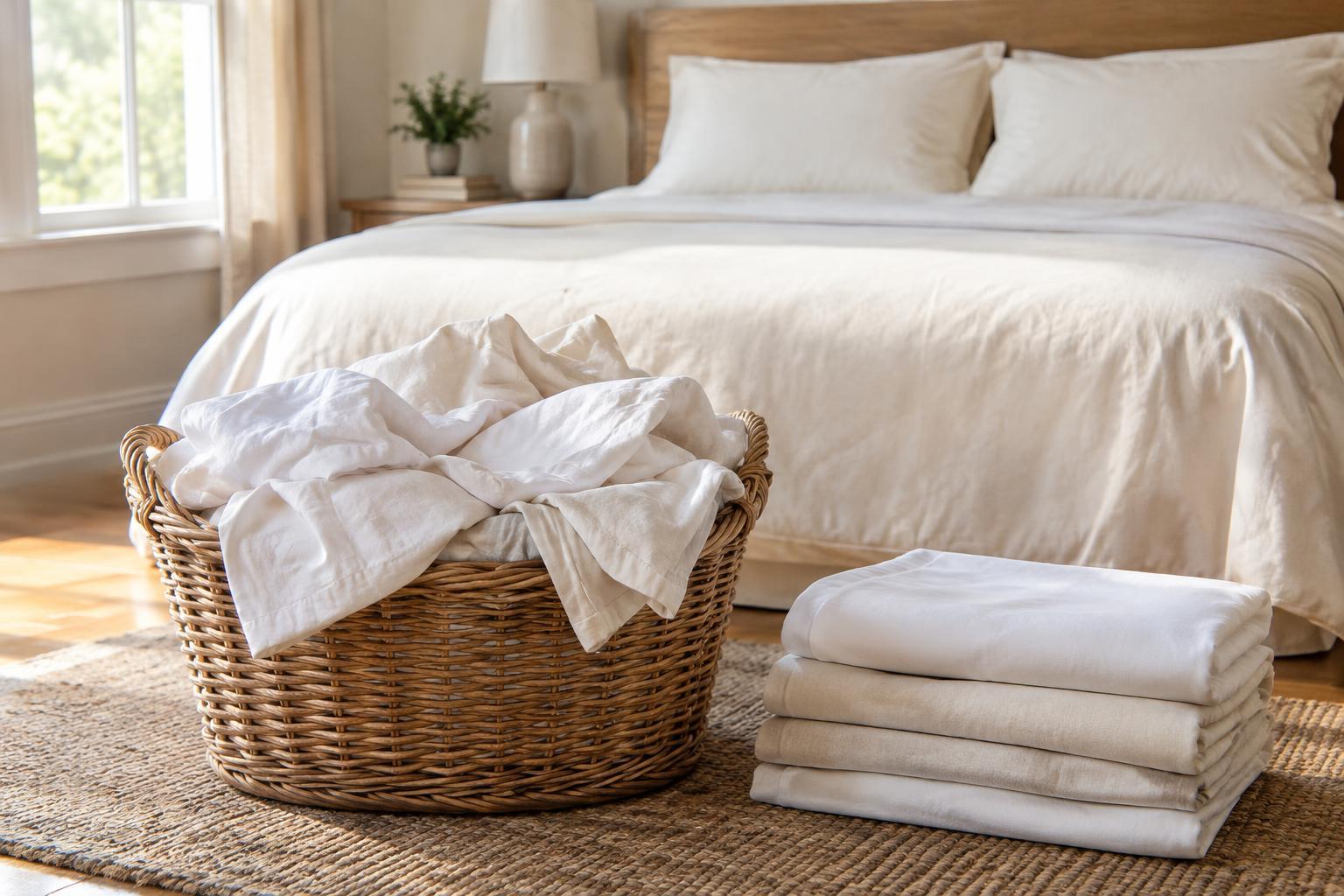
Read article · 4 min↗A practical guide to drying sheets with less heat, less overdrying and fewer wrinkles. Learn when to use a dryer, when to air-dry, and how to keep different fabrics feeling comfortable.
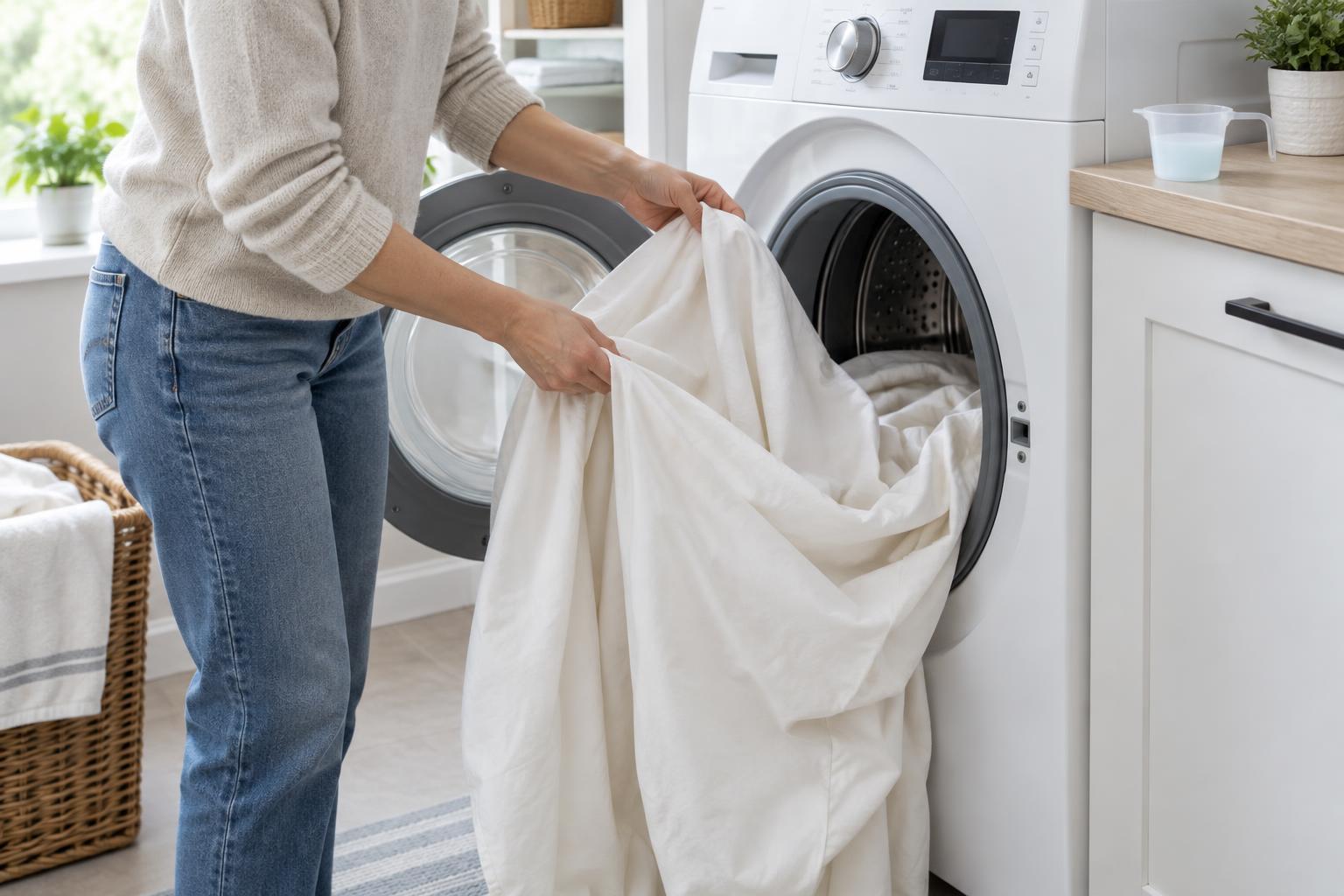
Read article · 4 min↗Sheets that emerge from the washer in a tight knot may still have soap trapped in their folds. Learn how load size, wash settings, detergent and drying habits can help sheets come out cleaner and easier to handle.
Read article · 4 min↗A weekly sheet wash is a useful starting point, but your routine can change with how you sleep, the season and the bedding you use. Learn when to wash pillowcases more often, how to adjust the schedule and how to make laundry day easier.
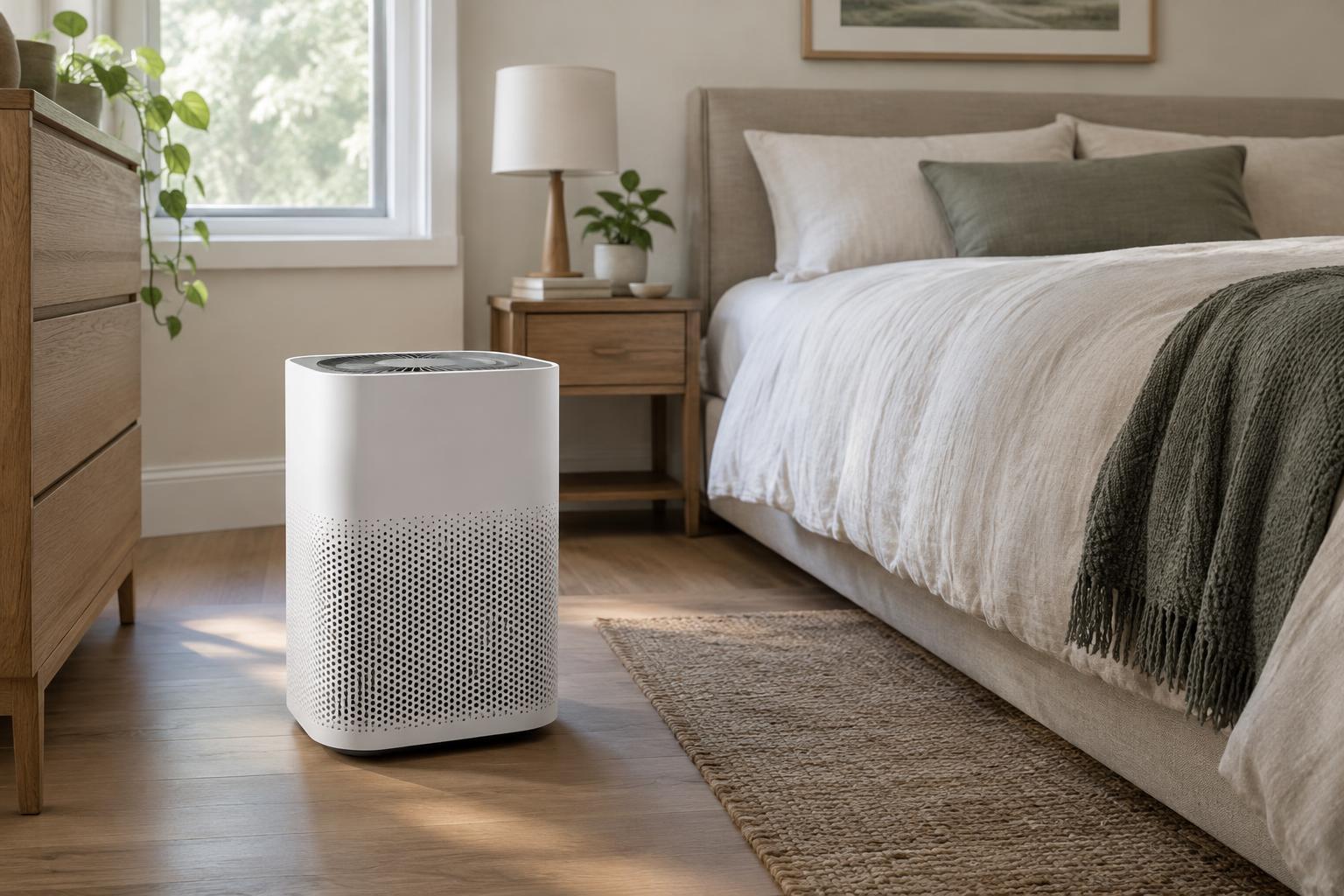
Read article · 4 min↗A bedroom air purifier is easiest to choose when you start with the room’s size, then check its particle-cleaning capacity, filter costs and sound at a speed you can live with. This guide explains what the main filters do, where to place a unit and how to maintain it.
Read article · 4 min↗A useful bedroom night-light makes the route to the door, bathroom or bedside essentials easier to see without filling the room with light. Learn how to choose a fixture, place it along a walking path and check it from the places you actually move at night.
Read article · 4 min↗A bedroom can feel chilly even when the heating is on if outside air slips around a window or door. Learn how to locate common leaks, choose simple fixes, and avoid sealing problems that need a more careful repair.
Read article · 4 min↗Daylight can make a bedroom feel welcoming, but direct sun and bright reflections may make it harder to rest, read or use a screen. Learn how to locate the source of glare and choose window coverings, room layouts and finishes that soften the light without making the space feel closed in.
Read article · 4 min↗A bedroom can feel open to daylight without feeling exposed. Learn how sheer curtains, blinds and window film affect visibility, light and everyday use, and how to choose a combination that also works after dark.
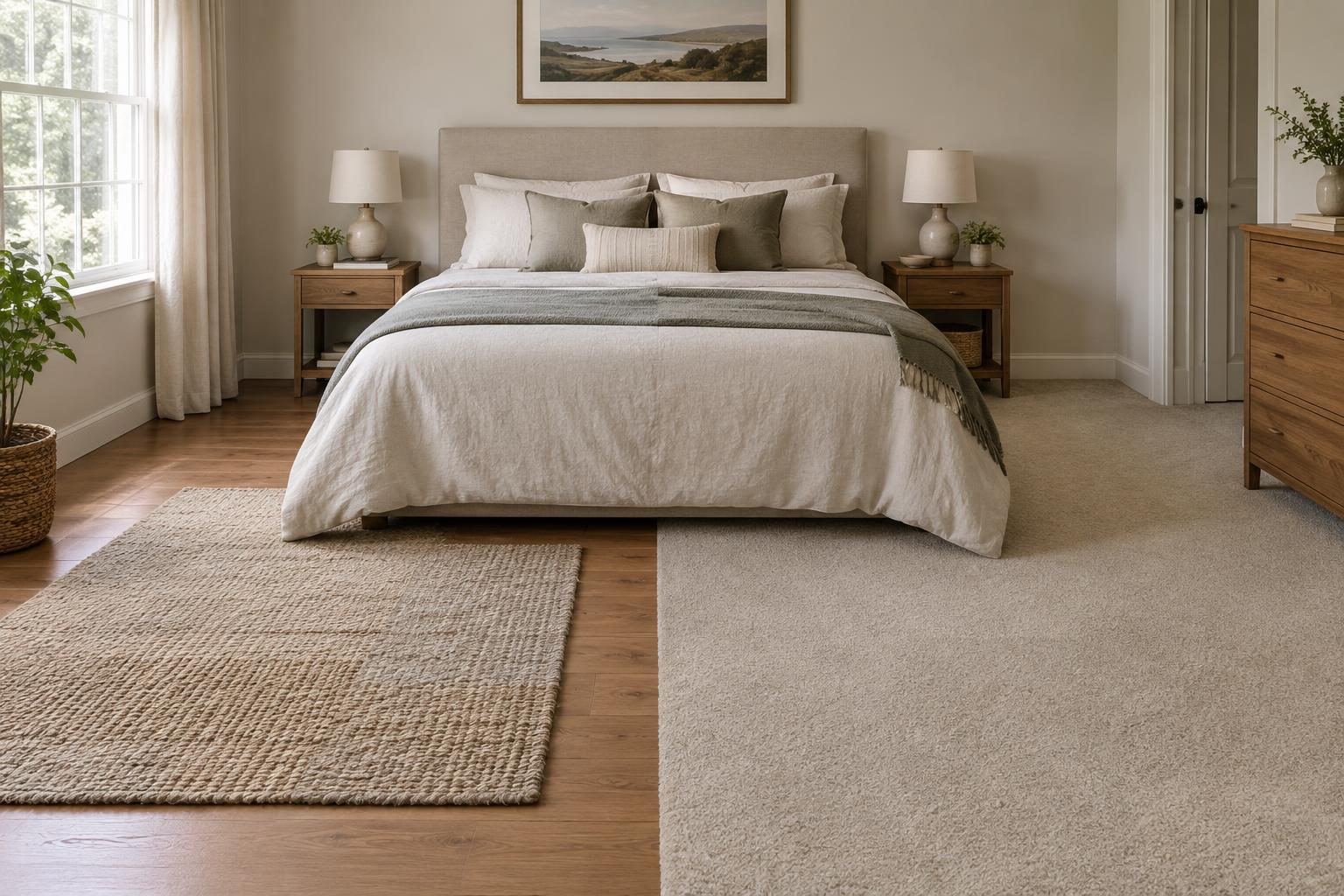
Read article · 3 min↗Carpet can make a bedroom feel softer and quieter, while hard flooring is often easier to wipe clean and change with a rug. Compare the trade-offs in comfort, sound, upkeep and long-term flexibility before choosing.
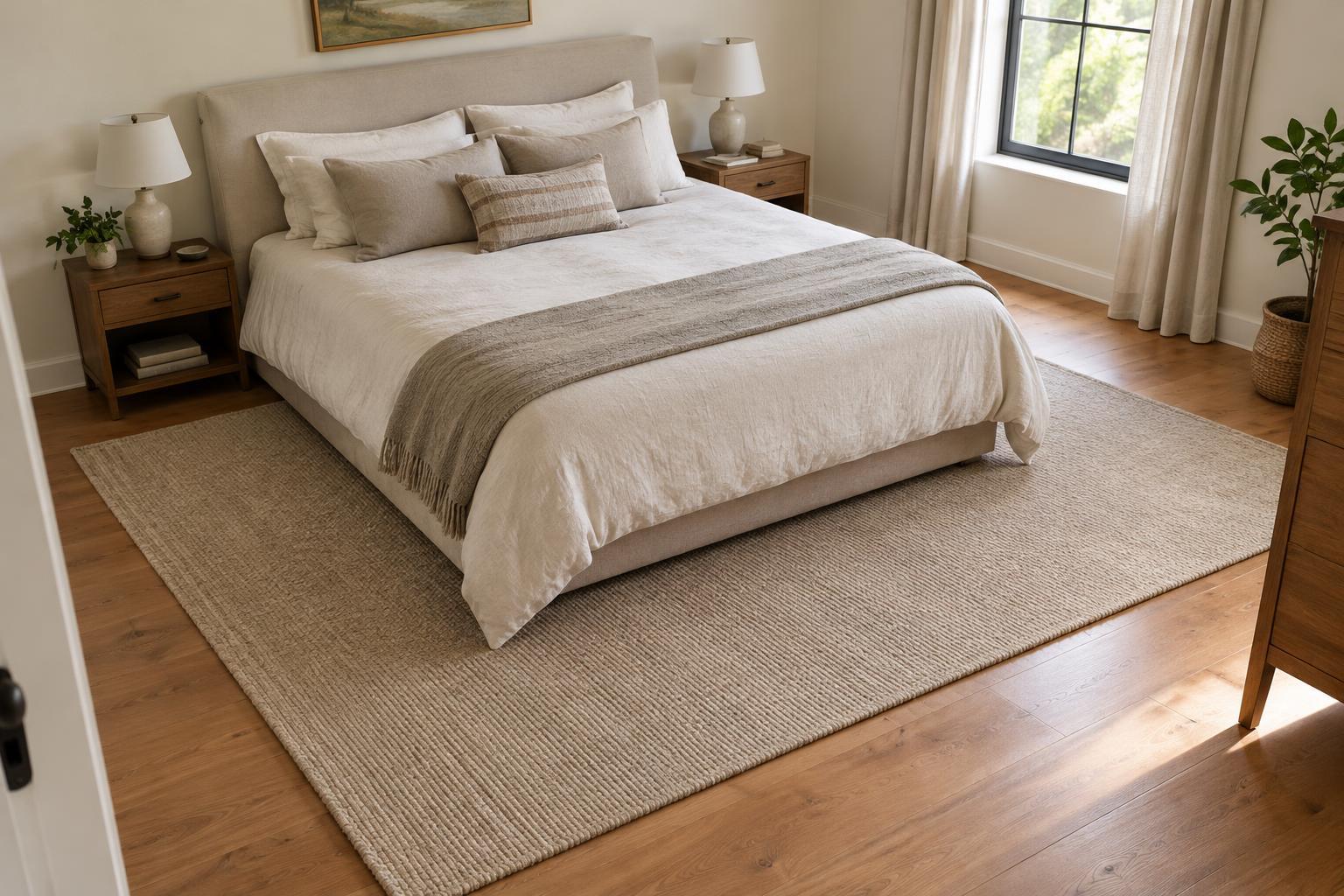
Read article · 4 min↗A bedroom rug should give your feet a comfortable landing without crowding the room. Learn how to measure for a rug, compare common placements, and account for walkways, furniture and easy care.
Read article · 4 min↗An upholstered headboard can feel soft for reading, while wood and metal offer different looks and cleaning routines. Learn how to compare comfort, construction and everyday upkeep before choosing one for your bedroom.
Read article · 4 min↗A bed frame changes more than the look of a bedroom. Its height, combined with the mattress and foundation, affects how far you lower yourself to sit and how easily you can stand again. Learn how to assess the finished bed height and choose a setup that feels comfortable and steady.
Read article · 4 min↗A bedside table is most useful when you can reach it comfortably without stretching or knocking things over. Learn how to compare its height with your mattress, check the space beside your bed, and arrange everyday items within easy reach.
Read article · 4 min↗A well-placed bed leaves enough room to move, open storage and use the bedroom comfortably. Learn how to measure the space around your bed, compare common layouts and test a plan before moving heavy furniture.
Read article · 4 min↗A fan and a sound machine can both make intermittent bedroom noises less noticeable, but they differ in airflow, sound choices, placement and upkeep. Compare their practical trade-offs before deciding which fits your room.
Read article · 4 min↗A quieter bedroom starts with finding the paths sound takes into the room. Learn how door gaps, window seals, curtains, rugs and furniture affect noise, and which changes are worth trying first.
Read article · 4 min↗The right bedroom bulb depends on what you do in the room and where the light falls. Learn how to compare lumens and color temperature, plan separate lights for reading and winding down, and check whether LED bulbs will work with your fixtures and dimmers.
Read article · 4 min↗A comfortable bedroom needs more than one overhead light. Learn how to combine ambient, task and accent lighting, place fixtures where they are useful, and choose controls that make the room easy to use throughout the day.
Read article · 4 min↗Blackout curtains, blinds and shades can all make a bedroom darker, but they differ in how they cover the window, handle light leaks and fit the room. This guide explains the trade-offs and how to choose a practical setup.
Read article · 4 min↗Bedroom humidity affects how the room feels and how well bedding dries between uses. Learn where to place a hygrometer, how to interpret its readings, and when ventilation, a humidifier, or a dehumidifier may help.
Read article · 4 min↗A comfortable bedroom needs more than the right mattress and bedding. Learn how windows, built-in vents and simple airflow habits can help a room feel fresher without overlooking temperature, outdoor conditions or safety.
Read article · 4 min↗Ceiling and portable fans can both make a bedroom feel more comfortable, but they move air in different ways. Compare coverage, noise, placement, upkeep and flexibility before choosing one for your room.
Read article · 4 min↗A comfortable bedroom temperature depends on more than a thermostat number. Learn how to choose a starting setting, adjust for the season, and use bedding, airflow, and humidity to make the room feel right.
Read article · 4 min↗Bedding labels can tell you more than whether a sheet is cotton or a comforter is down. Learn how to separate fiber content from fabric construction, interpret common terms such as percale and sateen, and compare labels without relying on a single marketing claim.
Read article · 4 min↗A flexible bedding setup makes it easier to respond to changing room temperatures and different sleep preferences. Learn how to choose a breathable base, add removable layers and arrange blankets so warmth is easy to adjust.
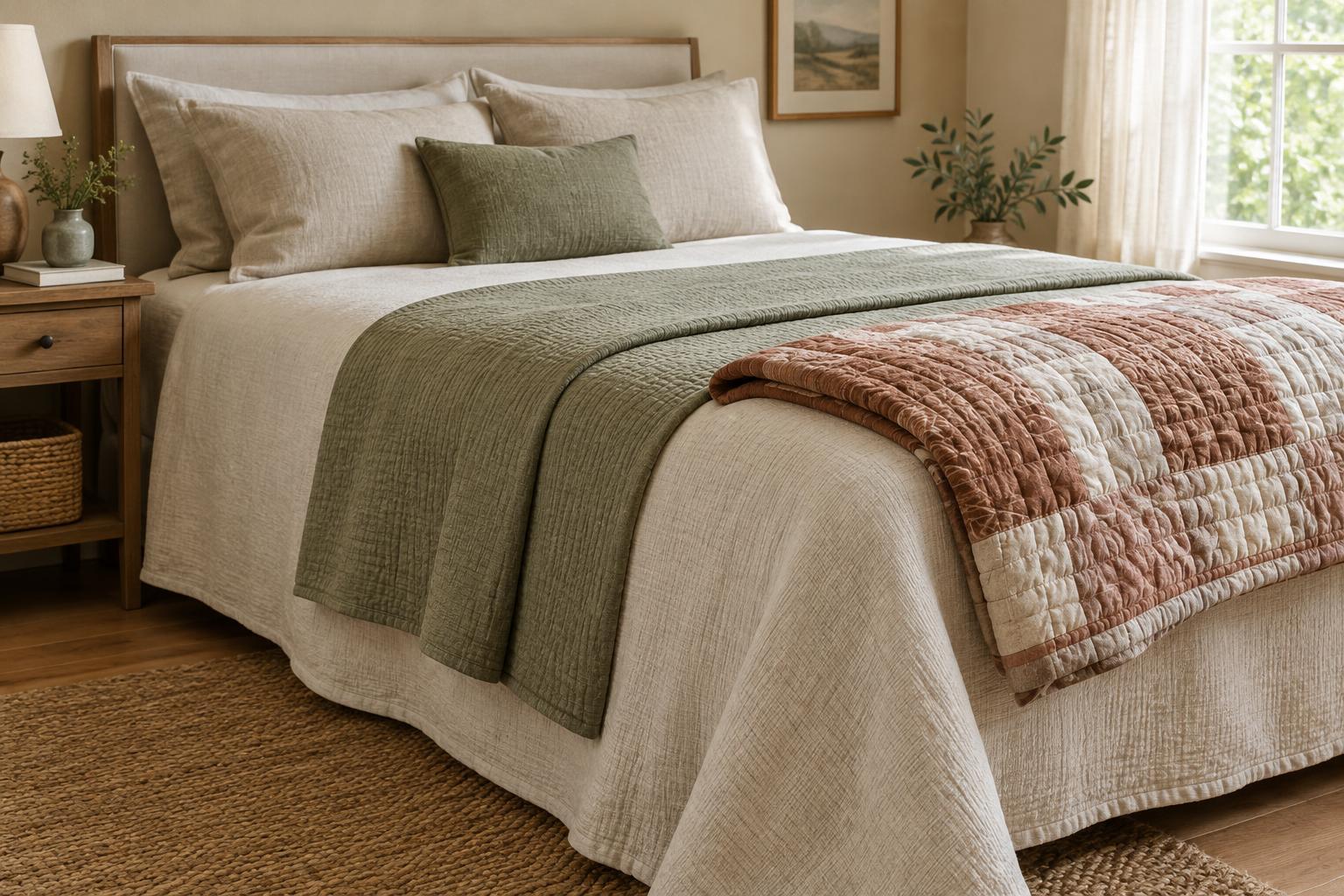
Read article · 4 min↗Quilts, coverlets and bedspreads can all finish a bed, but they differ in construction, warmth and how far they hang over the sides. Learn what each one does best and how to choose a layer that suits your room and routine.
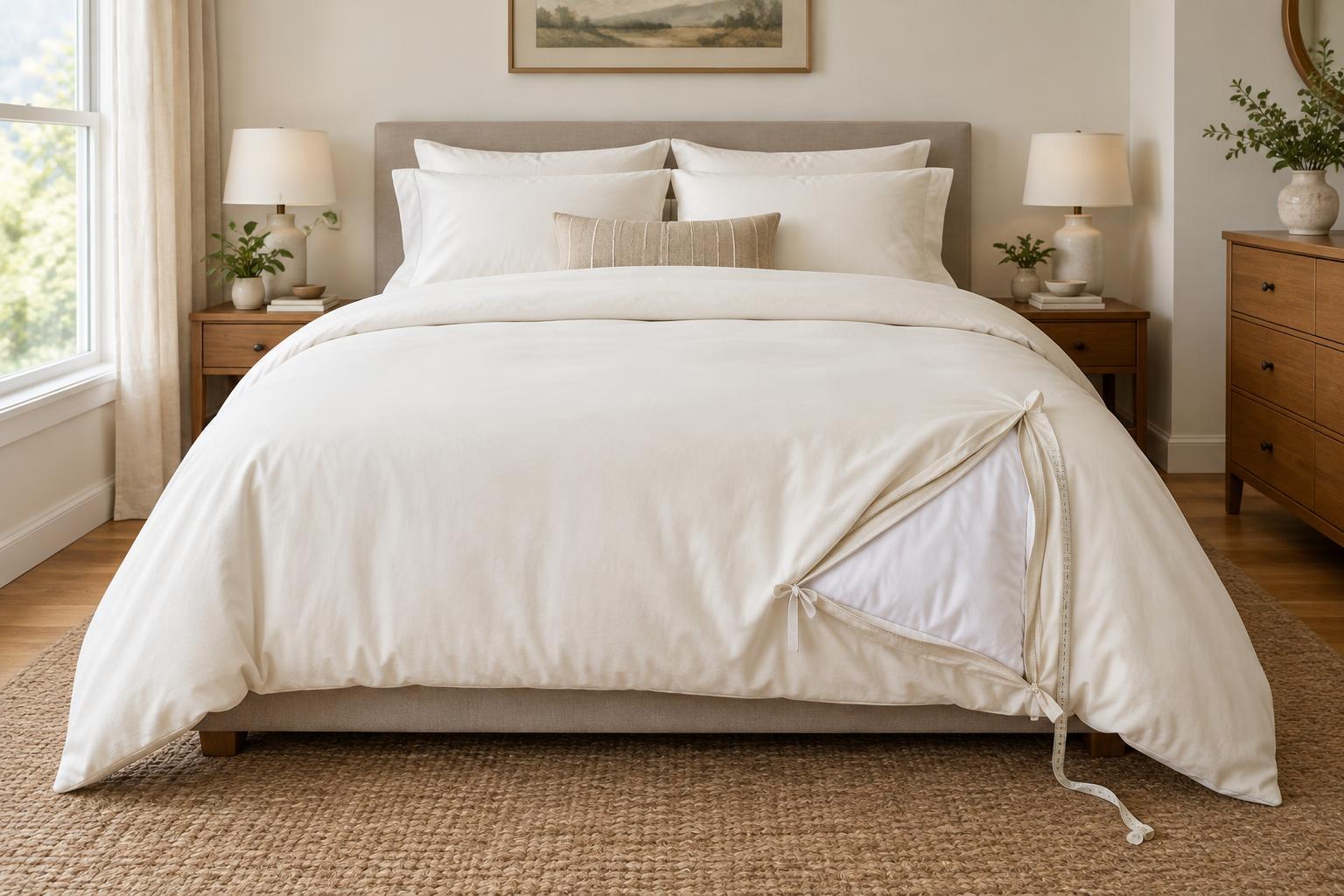
Read article · 4 min↗A duvet cover needs to fit its insert, but the insert also needs to suit the bed. Learn how to compare actual measurements, choose the drape you want and avoid a cover that bunches or pulls tight.
Read article · 4 min↗A duvet insert’s warmth rating is a starting point, not a promise of how it will feel in your bedroom. Learn how to compare tog ratings and other labels, then account for room temperature, fill, construction, and your own sleep preferences.
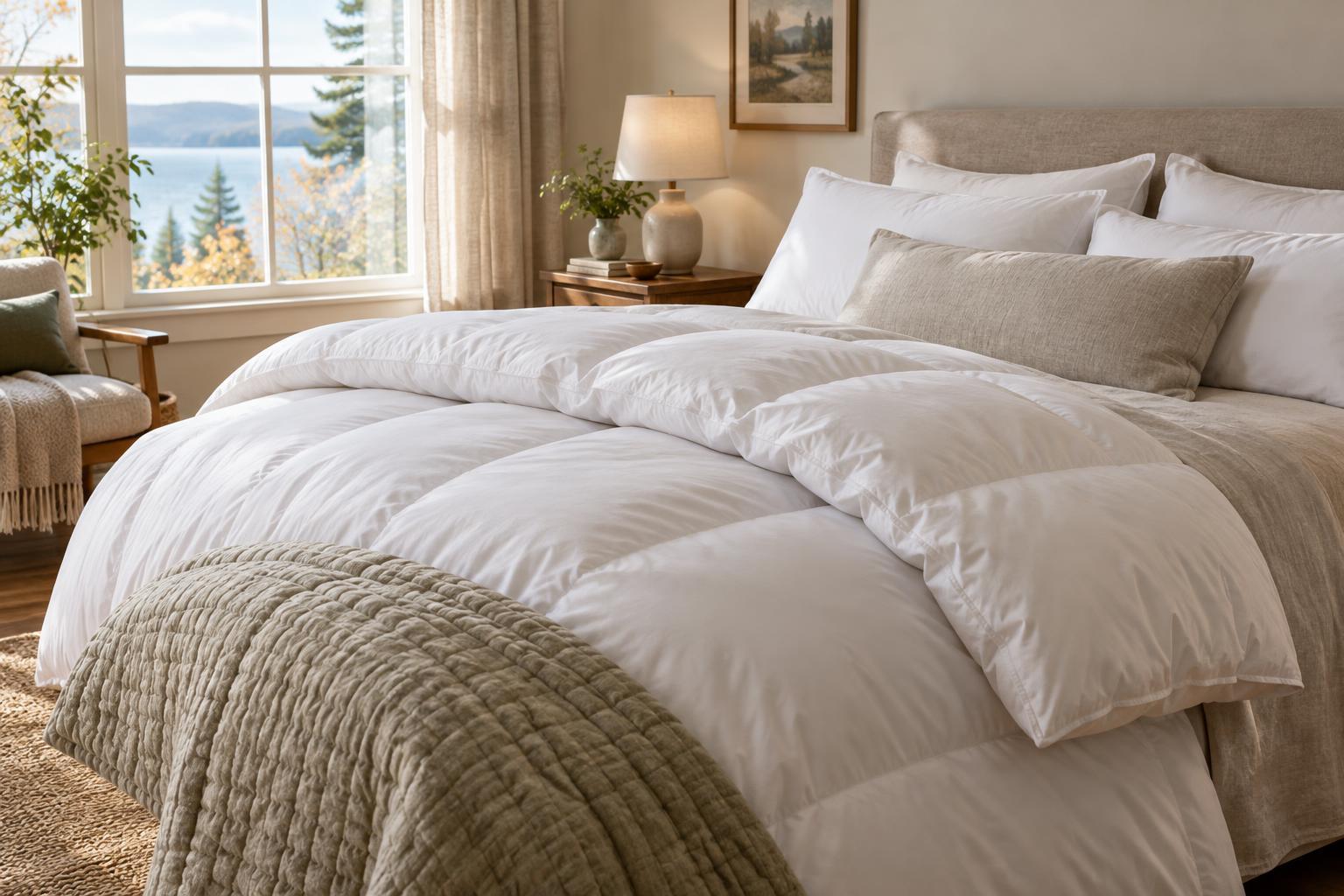
Read article · 4 min↗Down and down-alternative duvet inserts can both make a bed feel inviting, but they differ in weight, warmth, care and cost. Learn what the labels can—and cannot—tell you before choosing an insert.
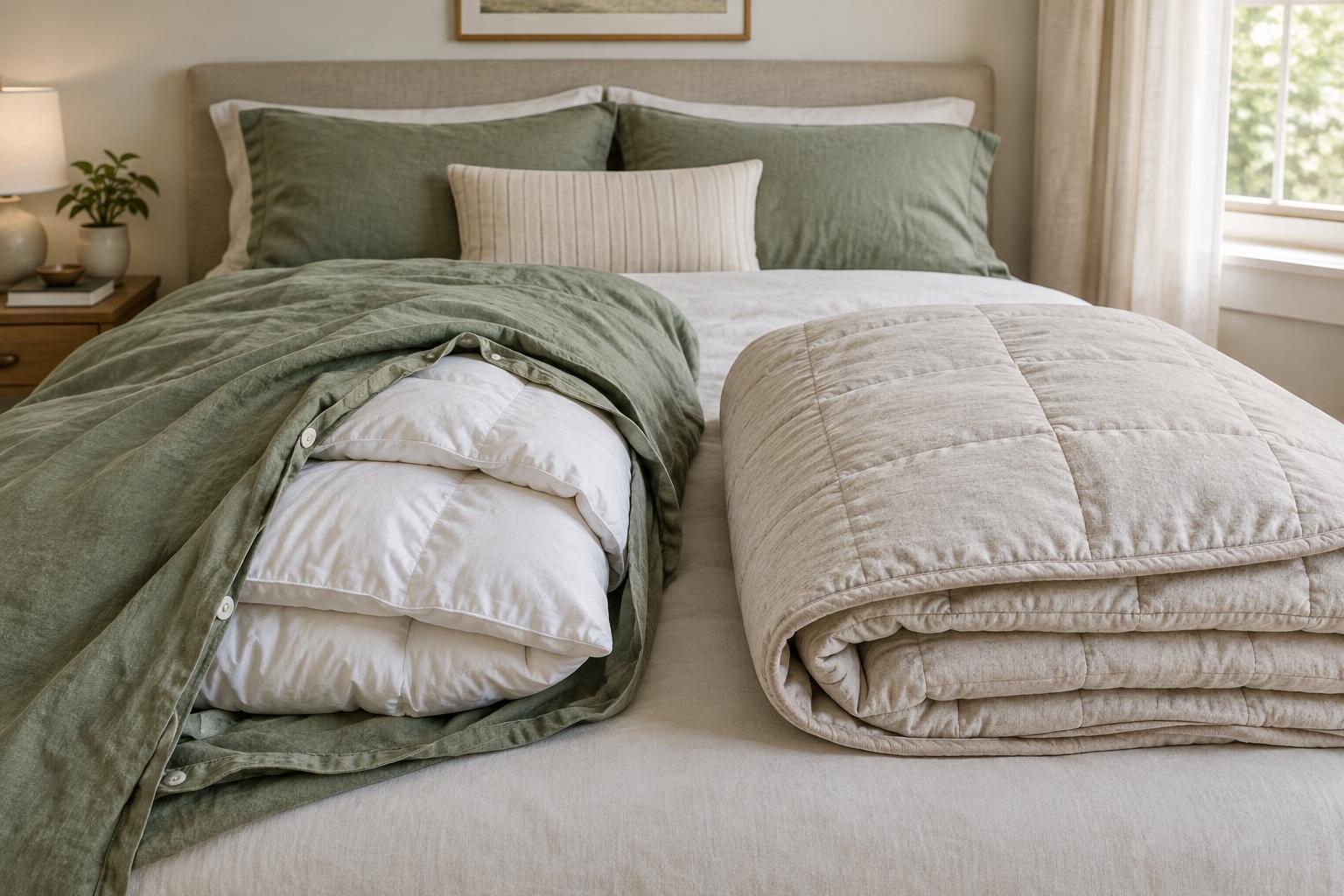
Read article · 4 min↗A duvet insert and a comforter can look much the same on a bed, but they are designed for different routines. Learn how their construction, covers, warmth and care requirements compare so you can choose the option that suits your bedroom.
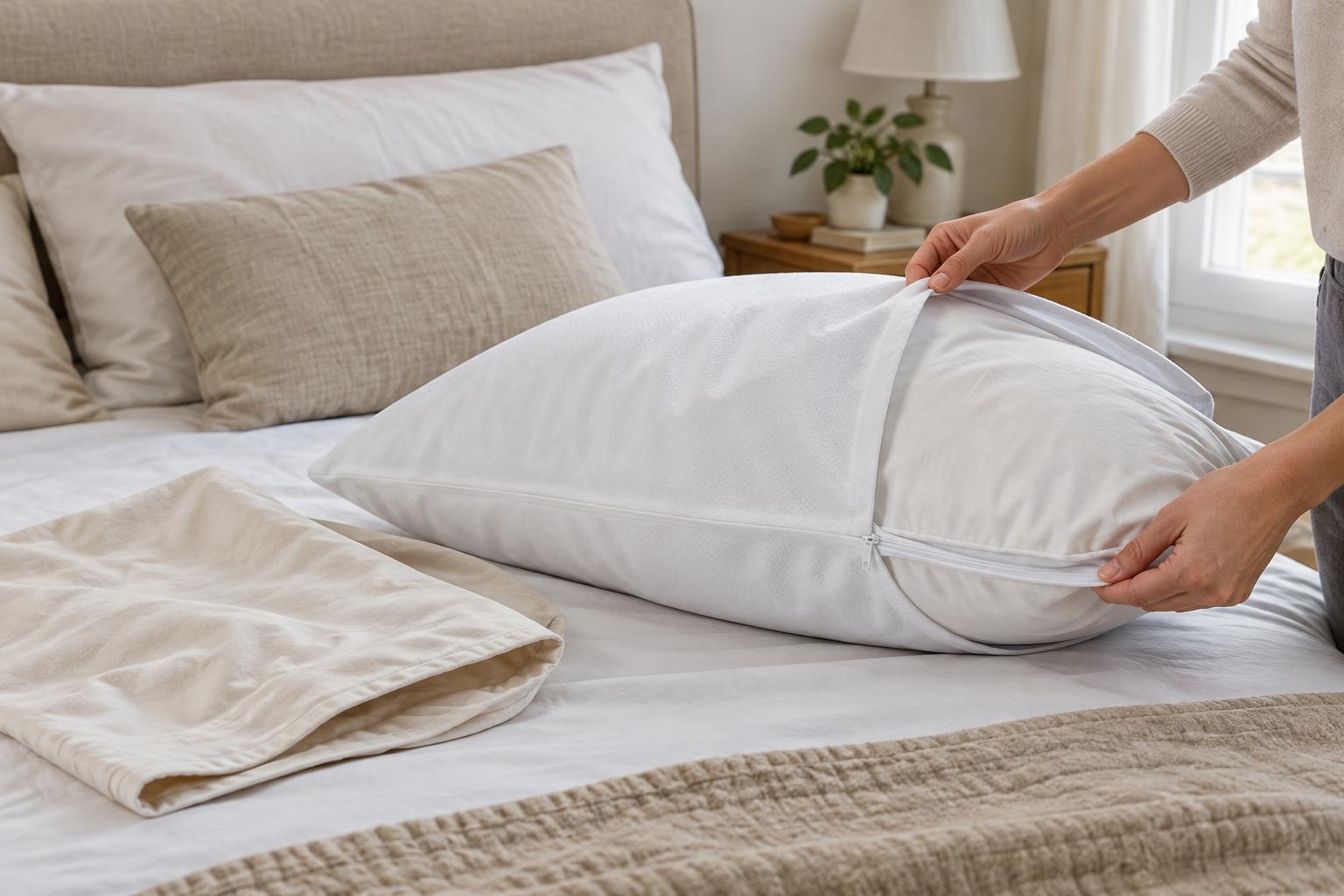
Read article · 4 min↗A pillow protector is a removable layer that sits between your pillow and pillowcase. Learn what it can help keep off your pillow, how common materials differ, and when an extra layer is worth using.
Read article · 4 min↗Pillowcases and pillow shams may fit the same pillow, but they usually serve different purposes. Learn how they differ in feel, construction, sizing and care so you can choose what belongs under your head and what belongs on display.
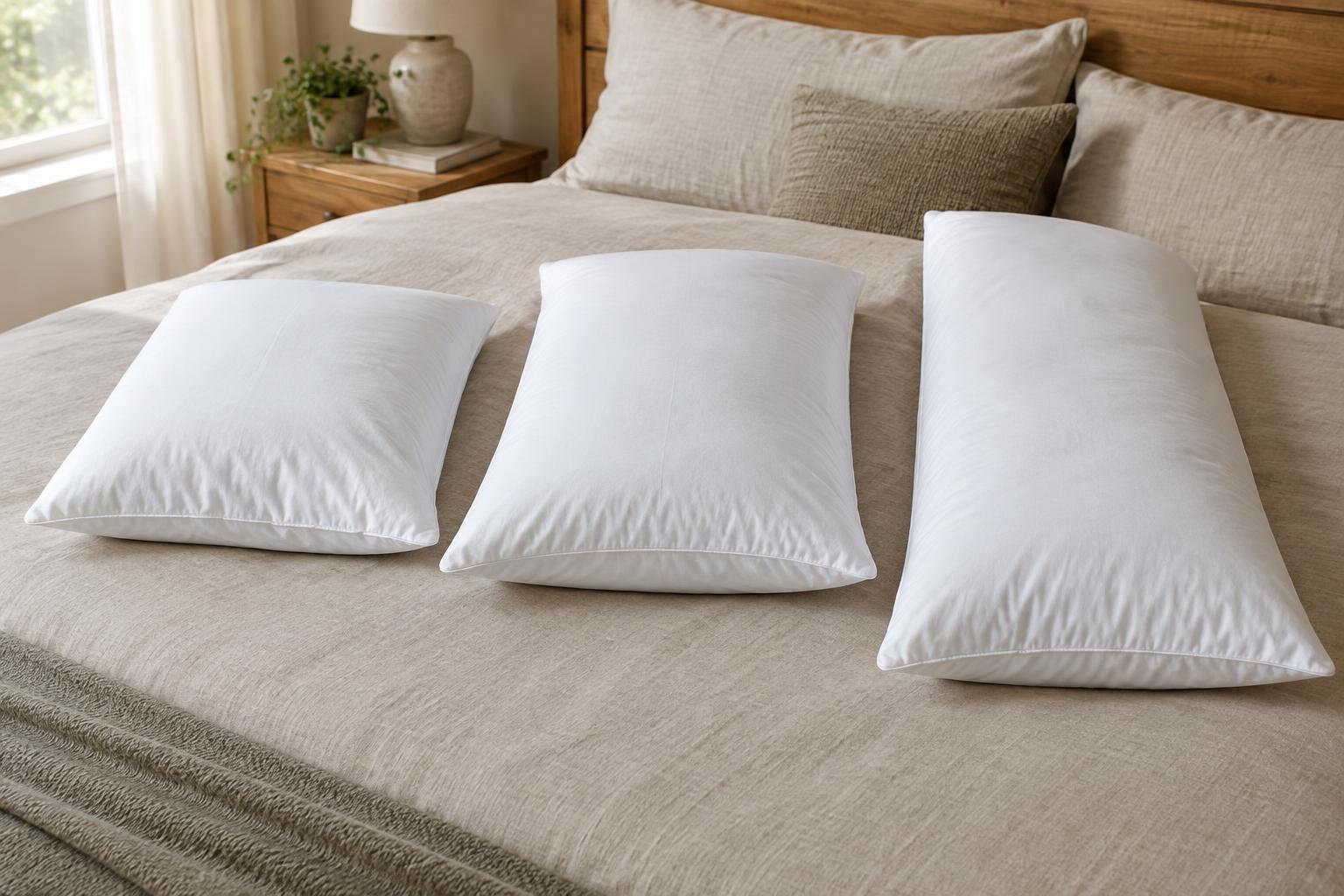
Read article · 3 min↗Standard, queen and king pillows share a similar width but differ in length. Learn the usual dimensions, how each size sits on a bed, and what to check when buying pillowcases and shams.
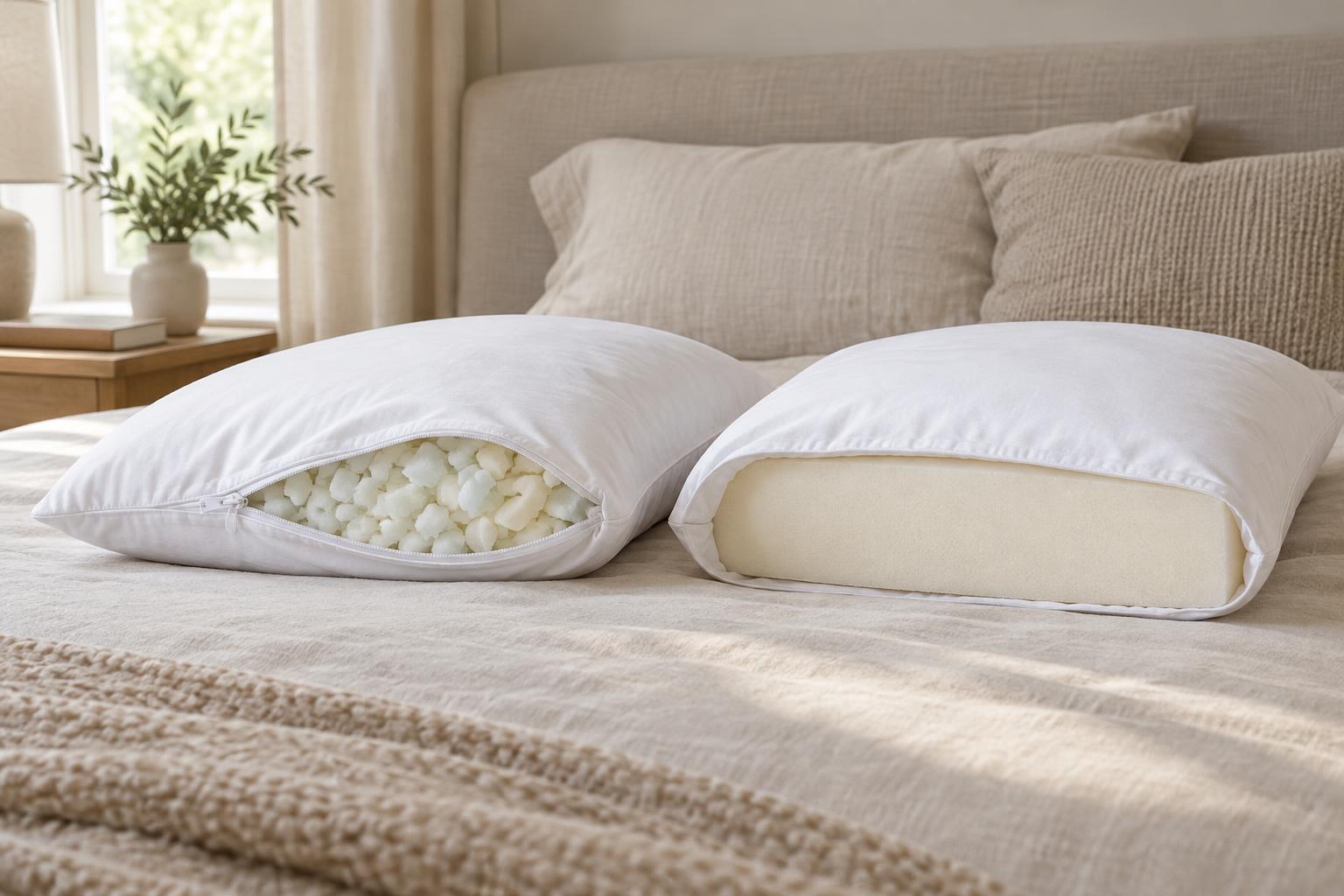
Read article · 4 min↗Shredded and solid foam pillows can feel quite different, even when they use similar materials. Learn how their construction affects shape, support, temperature and upkeep—and which details to check before buying.
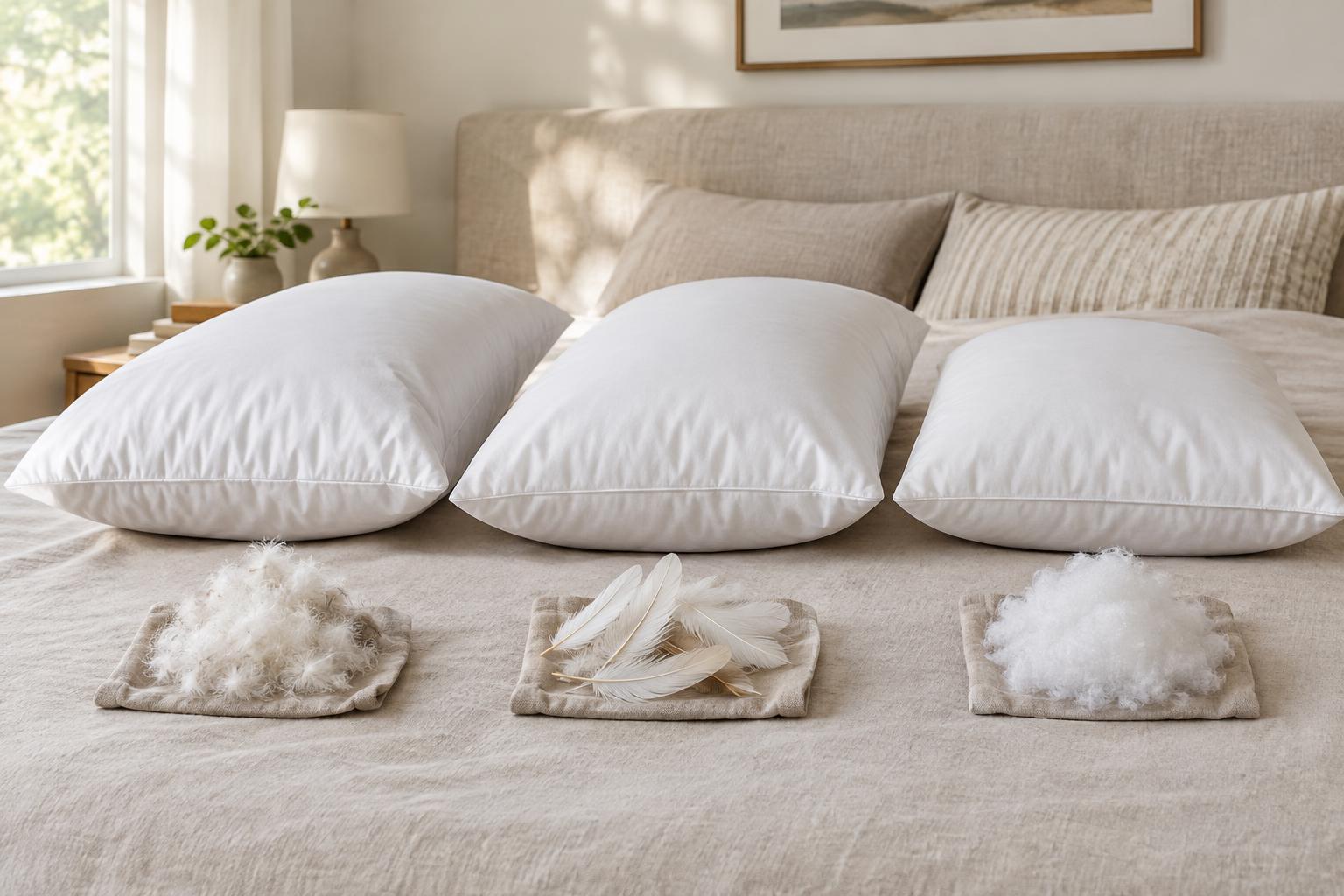
Read article · 4 min↗Down, feather and down-alternative pillows can feel similar at first glance, but their fill, support and care needs differ. Learn how each type is made and what to check when choosing a pillow for your bed.
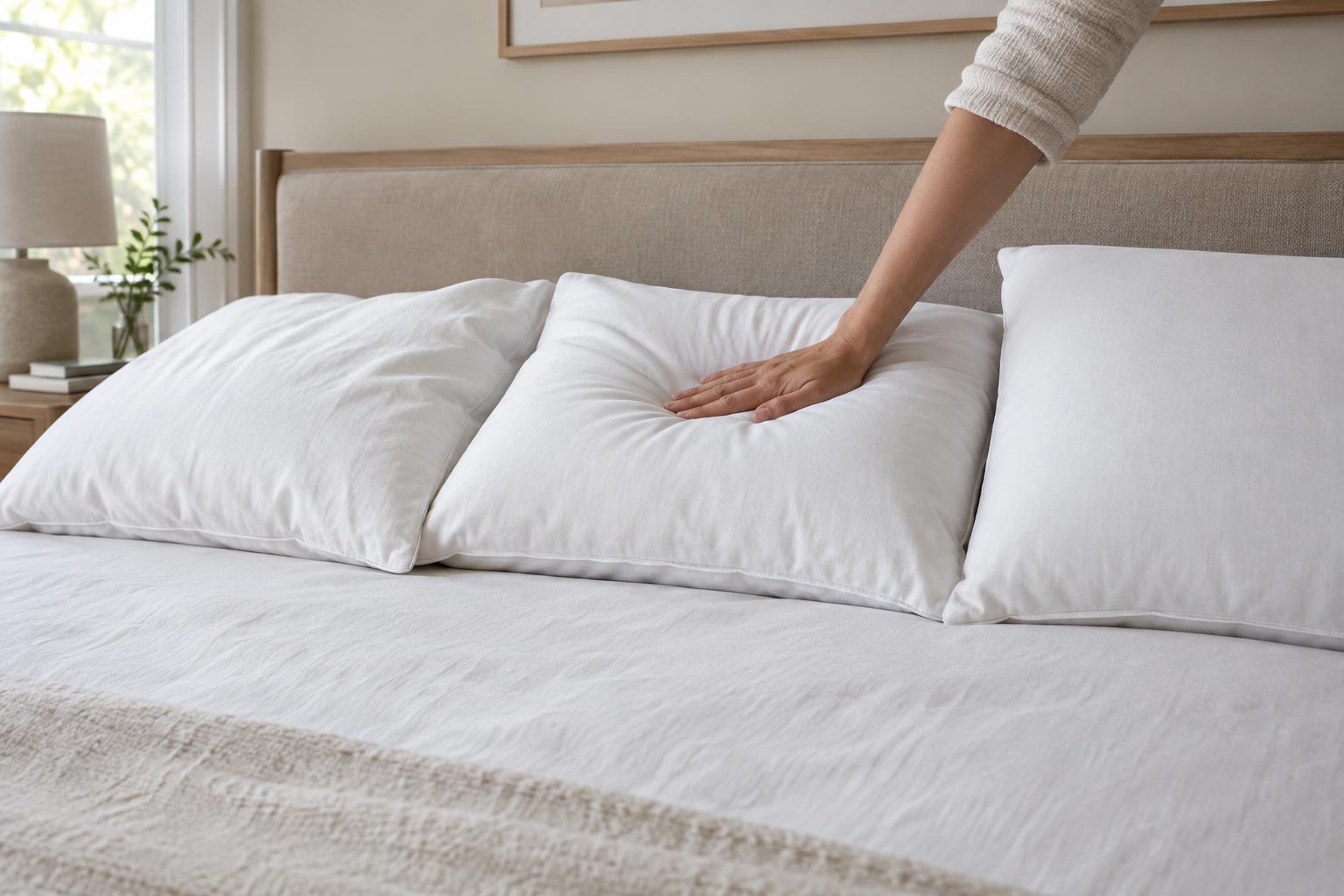
Read article · 4 min↗Pillow firmness describes how readily a pillow compresses, but it is only one part of a comfortable fit. Learn how firmness works with loft, sleep position and mattress feel, then use a simple at-home check to compare options.
Read article · 4 min↗Pillow loft is the height of a pillow, but the height you feel while lying down matters more than the number on a label. Learn how sleep position, shoulder width, mattress feel and fill affect your choice—and how to check the fit at home.
Read article · 4 min↗A fitted sheet covers the mattress and stays in place with elastic. A flat sheet lies above the sleeper, usually beneath a blanket or duvet. Learn how each sheet works, when you might use both, and what to check before buying.
Read article · 4 min↗Thread count can help describe a cotton sheet, but it cannot tell you how the fabric will feel, breathe or hold up on its own. Learn what the number means, why it varies, and which details are more useful when comparing sheets.
Read article · 4 min↗Lyocell, viscose and microfiber can all feel soft, but their names describe different things. Learn what each label tells you about a sheet’s fibers, what it leaves out, and how to compare comfort, construction and care before buying.
Read article · 4 min↗Cotton, linen and hemp can all make comfortable sheets, but fiber is only part of the story. Compare how they tend to feel, how weave and finishing affect them, and what to check for care, fit and construction before buying.
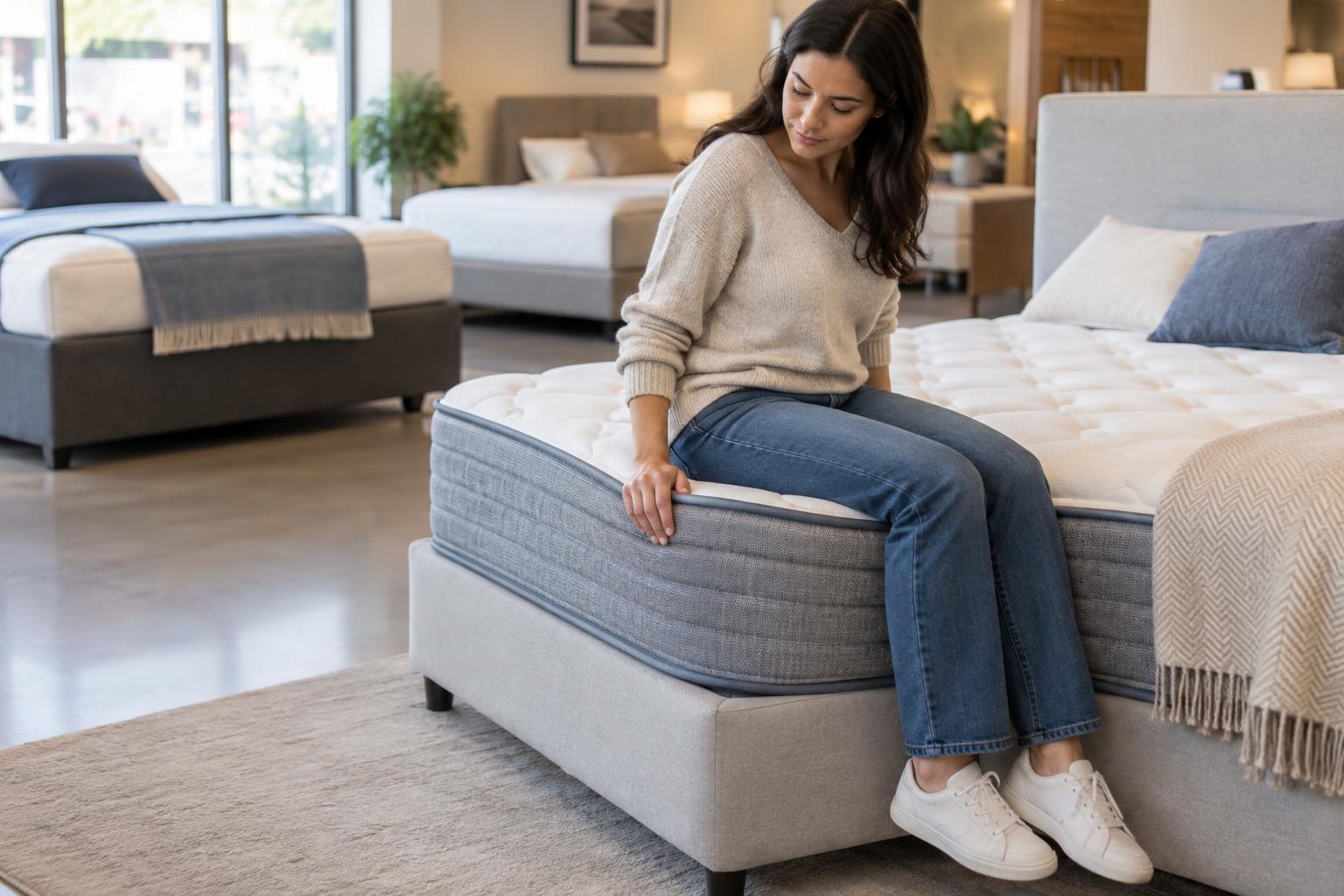
Read article · 4 min↗Percale and sateen describe how fabric is woven, not what it is made from. Learn why percale tends to feel crisp and matte while sateen tends to feel smoother and more drapey, and how to choose sheets that suit your bed and care routine.
Read article · 4 min↗A fitted sheet needs to match more than the name on your mattress label. Learn how to measure width, length and height, account for toppers, and choose a pocket depth that stays secure without leaving excess fabric.
Read article · 4 min↗Recommended

A scarf can change how familiar clothes feel without requiring a new outfit. UniqueYou focuses on women’s scarves, shawls, wraps and square scarves, offering ways to add color, softness or a more deliberate finish to what you already wear. This independent guide approaches the brand as a wardrobe choice, not a promise that one accessory will suit everyone. It explains how to think about shape, fiber, styling and gifts, then points readers toward the appropriate regional-language destination.
UniqueYou began in 2014 with scarves and clothing. Its history includes a pause and a later return after the domain was recovered; it should not be read as an uninterrupted run of trading. That distinction matters because a date on a brand identity tells you where a story began, not everything that happened between then and now. The original brown wordmark, horse motif and “Since 2014” detail remain part of that identity, while a neutral taupe palette gives the presentation a restrained backdrop.
The useful question for a shopper is less whether a scarf looks striking on its own than whether it works with the clothes waiting at home. UniqueYou’s positioning centers on elegant, accessible accessories selected to complement an existing wardrobe. Think of the range as a set of possibilities rather than a single signature look: a narrow accent at the neck, a generous layer over the shoulders, or a square folded into a neat line can each serve a different outfit.
Before comparing colors or materials, picture a specific occasion. A scarf for a daily commute may need to sit comfortably beneath a coat and be easy to adjust indoors. One intended for an evening outfit might be chosen for its drape across the shoulders. A square scarf can bring definition to an open neckline or the handle of a bag, while a longer style leaves room for loose loops and layered knots. These are styling possibilities, not guarantees about the dimensions of any individual item.
It helps to name the garment the accessory will accompany: a dark wool coat, a plain blouse, a favorite dress or a relaxed knit. Note where that garment already has detail. A patterned collar, prominent buttons or textured fabric may call for a quieter scarf; a simple top gives a print or contrasting color more space. Taking a quick photograph of the outfit in ordinary light can make comparisons more useful than trying to remember its exact shade.
Scarves, shawls, wraps and square scarves offer different proportions. A small square tends to create a compact accent when folded on the diagonal or rolled into a narrow band. A long scarf can run down the front of a coat or circle the neck, depending on its length and bulk. A broader shawl or wrap covers more of the shoulders and may suit an outfit whose neckline should remain visible. Names alone cannot tell you how an item will hang, so check the listed measurements and photographs for the particular design.
Consider where fabric will collect once it is tied. A substantial knot at the throat can compete with a high collar; an open drape can soften a tailored jacket without covering its lines. If you usually carry a shoulder bag, try to imagine whether a long loose end will be caught beneath the strap. The right shape is often the one you can put on quickly and keep wearing, rather than the one that looks most elaborate in a carefully arranged image.
UniqueYou has silk, cashmere and wool categories, but composition varies by product. A category label is a starting point for browsing, not proof that every piece has the same fiber content or construction. Read the individual description and care information before deciding. Silk can appeal when you want a fluid accent or a compact fold; cashmere may attract someone seeking a softer-feeling layer; wool can be worth considering when an outfit calls for more substance. Weight, weave, finish and size still affect the result.
Texture matters alongside the fiber name. A smooth surface may slip easily through a knot, while a more textured fabric may hold a loose arrangement differently. A thin scarf can fit beneath a close coat where a bulky one cannot. Conversely, a generous wrap may make more visual sense over a simple dress than a tiny square would. If you have sensitivities or strong preferences about how fabric feels at the neck, prioritize the specific product details and the recipient’s experience over broad claims about a material.

A reliable scarf need not match an outfit exactly. It can repeat a minor color in a print, sit near the shade of your shoes, or contrast with a neutral coat while keeping the rest of the look calm. Start by identifying the colors you wear most often, then decide whether the accessory should blend in or become the focal point. A quiet beige, gray or brown can connect several outfits; a saturated red or burgundy can give a plain ensemble a deliberate accent.
Look beyond color names when judging a match. Two items described as blue may have very different undertones, and a cream fabric can look warmer than a bright white shirt. Lighting and screens can also alter how a shade appears. If a purchase depends on a precise match, compare available photographs carefully and allow room for variation. Patterns deserve the same attention: a small check may read almost like texture from a distance, whereas a bold motif will be noticeable even when the scarf is partly tucked away.
The simplest styling experiments often reveal the most. Let a long scarf hang untied to create vertical lines over a coat, make one relaxed loop for a casual layer, or fold a square into a slim band to frame the face. A broad wrap can rest on the shoulders without requiring a complicated knot. Adjust the arrangement after putting on your outerwear: a tie that feels balanced with a blouse may become crowded once a lapel and bag strap enter the picture.
Comfort is part of the look. Check whether the fabric touches the chin, whether the knot shifts when you turn your head, and whether an end falls into your hands when you reach for something. If you prefer minimal fuss, choose a shape you can arrange in one or two movements. If you enjoy experimenting, a versatile square or generous length may offer more options. Neither approach is inherently better; the scarf earns its place when its appearance and everyday handling both suit you.
A scarf can be a thoughtful gift because it does not require the same fit decisions as many garments, but it still calls for observation. Notice whether the recipient usually wears prints or solids, warm colors or cool ones, lightweight neck accents or substantial winter layers. Look at the coats and jackets they reach for most often. A gift that works with those familiar pieces is more likely to feel personal than one selected solely because it makes an impressive photograph.
When you are unsure, consider a color that connects two or three outfits rather than trying to introduce an entirely new palette. Shape is another useful clue: someone who rarely wears anything near the neck might prefer a wrap for the shoulders, while a person who enjoys small finishing details may appreciate a square. Check composition and care requirements if the recipient avoids particular fibers or dislikes delicate upkeep. Leave room for their own taste instead of presenting any choice as universally suitable.
Once a style catches your eye, slow down and compare its listed size, fiber composition, color description, photographs and care directions. Ask what is actually specified and what you are inferring from an image. A scarf draped over a model can appear longer or fuller because of how it is folded; a close-up can reveal texture without showing overall scale. If important information is absent, avoid turning a category name or visual impression into a definite claim about the individual piece.
The same measured approach applies to shopping arrangements. Check the terms shown for the destination you intend to use, including any relevant delivery, returns and payment information, rather than assuming they are identical across countries. This guide is an editorial comparison of choices and considerations, not a hands-on test of the scarves or a report of visiting a shop. It makes no claims about current prices, promotions, customer reviews or manufacturing methods.
How you maintain a scarf depends on its actual fibers, construction and finish. Follow the care instructions supplied for that item; do not assume that all pieces within a silk, cashmere or wool category should be cleaned the same way. Before storing a scarf, make sure it is clean and completely dry according to its care guidance. Keep it away from snagging hardware, rough fasteners and crowded hooks that could distort a fine edge or catch a loose thread.
A gentle arrangement in a drawer or a suitable hanger can help keep an accessory ready to wear without forcing sharp folds into the same place every time. If a scarf has a noticeable crease, check its instructions before applying heat or moisture. Rotate frequently worn pieces so you can spot marks and wear early. Practical care is not about making a durability promise; it is about treating the particular material with the attention its label asks for.
UniqueYou has 20 regional domains, 21 regional-language versions and 16 distinct languages. The figures differ because a country can share a language with another country, and one domain can serve more than one language version. Germany and Austria, for example, have separate destinations in German; Belgium and the Netherlands have destinations in Dutch. Choose the destination appropriate to where you are shopping rather than treating a shared language as proof that every regional arrangement is the same.
The United Arab Emirates is the two-language exception within one regional domain: its root is in Arabic, and its English version is at /en. The guide below identifies both separately. Each destination description names its language before the relevant route so you can distinguish a familiar English explanation here from a local-language term there. Browse for inspiration, then use the individual item information and applicable regional terms to make the final decision.
Use the country and destination language to choose where to browse. The terms introduced below belong to their respective destinations; they are not alternative English names for the products.
For the Polish destination, begin at the brand entrance — UniqueYou. If a compact silk accent is on your list, the Polish collection term for women’s silk scarves leads to the relevant category — jedwabne chusty damskie UniqueYou. Check each item’s dimensions before deciding how it will sit with a jacket or blouse.
The German destination has a brand entrance — UniqueYou. For a layer that may sit comfortably with lighter outfits, the German term for a lightweight scarf points to a focused collection — leichter schal UniqueYou. Compare the listed fabric and size with the coat or neckline you plan to wear it beside.
Start at the Czech brand destination — UniqueYou. The Czech term for a women’s cashmere scarf leads to a material-focused collection — dámská šála kašmír UniqueYou, while a separate brand-labeled route opens the square-scarf selection — UniqueYou. A long layer and a folded square can play very different roles in the same wardrobe.
The Spanish brand entrance is here — UniqueYou. For neck or head accents, the Spanish term for scarves leads to a dedicated selection — pañuelos UniqueYou; a separate brand-labeled route presents shawls — UniqueYou. Compare coverage and proportions if you are choosing between a compact finishing touch and a shoulder layer.
Visit the French brand destination — UniqueYou. The French term for a silk scarf points toward a silk-focused collection — soie foulard UniqueYou, and a separate brand-labeled route leads to shawls — UniqueYou. Consider whether your outfit needs a small point of movement at the neckline or a broader drape.
The Hungarian brand entrance is here — UniqueYou. The Hungarian term for a scarf made of silk leads to a fabric-focused selection — sál selyemből UniqueYou, while the additional brand-labeled route presents black scarves — UniqueYou. Black may repeat a familiar wardrobe staple; verify the specific item’s fabric rather than inferring it from color.
Begin at the Italian brand destination — UniqueYou. The Italian term for a women’s burgundy scarf points to a color-focused collection — sciarpa bordeaux donna UniqueYou; another brand-labeled route leads to stoles — UniqueYou. Burgundy can bridge dark neutrals and warmer tones, but a stole’s wider silhouette deserves its own comparison.
The Romanian brand entrance is here — UniqueYou. The Romanian term for a cashmere scarf leads to a material-focused collection — fular din casmir UniqueYou, while a brand-labeled route opens white scarves — UniqueYou. If you favor pale accessories, consider how the shade looks against the coats you wear most often.
Open the Slovak brand destination — UniqueYou. The Slovak term for women’s scarves directs you to a broad selection — šatky pre ženy UniqueYou, and another brand-labeled route opens silk scarves — UniqueYou. Starting broad can help you choose a shape before narrowing the search by material.
The Finnish brand entrance is here — UniqueYou. For a longer silhouette, the Finnish term for a long scarf leads to the relevant selection — pitkä kaulaliina UniqueYou. Check the individual measurement if you want enough length for a loop as well as visible ends; photographs alone may not settle that question.
Begin at the Swedish brand destination — UniqueYou. The Swedish term for attractive red scarves leads to a color-led collection — snygga röda scarfar UniqueYou, while the separate brand-labeled route presents neck scarves — UniqueYou. A red accent can be vivid against a plain coat; the right shade still depends on your existing palette.
The Danish brand entrance is here — UniqueYou. The Danish term for women’s scarves leads to a relevant collection — dame halstørklæder UniqueYou. If you are buying for someone else, compare its available shapes with what they already wear instead of assuming that every scarf is meant to be tied the same way.
For Belgium’s Dutch-language destination, start at the brand entrance — UniqueYou. The Dutch term for a scarf with red leads to a color-focused collection — sjaal met rood UniqueYou. This is a Belgian regional route, distinct from the Netherlands destination even though both use Dutch.
The Austrian German-language brand entrance is here — UniqueYou. The German term for a fashionable silk neckerchief leads to a silk-focused collection — modisches Halstuch aus Seide UniqueYou, and a brand-labeled route opens red scarves — UniqueYou. Compare shape as well as color: a neat neck accent and a longer red layer may serve different outfits.
Begin at the Netherlands’ Dutch-language brand destination — UniqueYou. The Dutch term for beige women’s scarves leads to a neutral-color collection — beige sjaals voor dames UniqueYou, while a separate brand-labeled route presents silk scarves — UniqueYou. Beige can be versatile, but its undertone matters beside cream, white and gray clothing.
The United States English-language brand entrance is here — UniqueYou. The English term for a shawl to accompany formal clothing leads to the shawl collection — shawl for formal dress UniqueYou. Check its dimensions against the dress neckline and sleeves rather than relying on the occasion label alone.
For the United Arab Emirates in Arabic, the brand route opens the regional root — UniqueYou. This is the Arabic destination, not the separate English version. If you are comparing an accessory with a particular outfit, use the item-specific information available at that destination.
For the United Arab Emirates in English, the English term for a women’s scarf shop leads to the regional /en version — women's scarf shop UniqueYou. It shares a domain with the Arabic root but is a separate language destination. Choose the version you can read comfortably when checking product details.
The Ireland English-language brand entrance is here — UniqueYou. The English term for women’s winter scarves leads to a season-focused collection — winter scarves for women UniqueYou. Compare the particular fabric, size and bulk with the outerwear you already own; a seasonal collection name does not define every item’s feel.
Begin at the United Kingdom English-language brand destination — UniqueYou. The English term for a women’s checked scarf leads to a pattern-focused collection — womens check scarf UniqueYou. A check can echo a coat’s colors, but consider its scale if the jacket or dress already has a strong pattern.
The Portuguese brand entrance is here — UniqueYou. The Portuguese term for women’s head scarves leads to a collection for head and hair styling — lenços cabeça mulher UniqueYou. If that is how you plan to wear one, compare size, fabric and the fold you prefer before choosing a print.
Choose the destination that suits your country and language, then choose the scarf that suits your clothes. A good starting point is one familiar outfit and one clear purpose for the accessory.