Start with how you use the bed
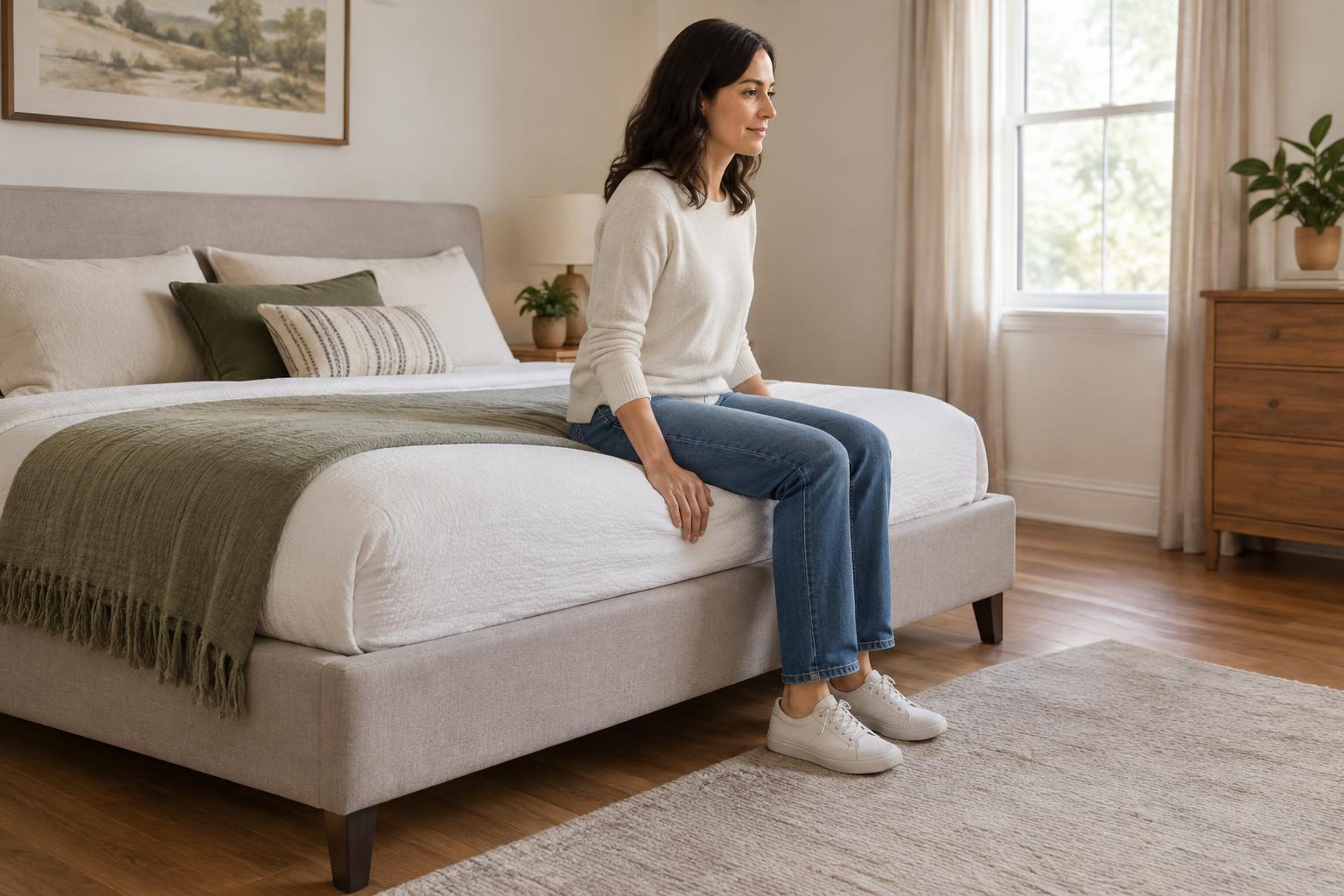
A headboard frames the bed, but its most useful feature depends on what happens there. If you often sit up to read, a padded surface may feel more comfortable against your shoulders than a hard one. If you mainly want a visual anchor for the room, the shape and finish may matter more than cushioning. Consider whether you lean directly on the headboard or usually arrange pillows behind you; pillows can make a hard headboard comfortable without changing the furniture.
Before comparing materials, check dimensions. A headboard that looks tall in a product photo may sit low once paired with a deep mattress and pillows. Measure from the floor or bed-frame attachment point to the height where you want the headboard visible. Also check its width, the space around bedside tables and any baseboards that could prevent it from sitting close to the wall.
Upholstered: soft to lean on, more to clean
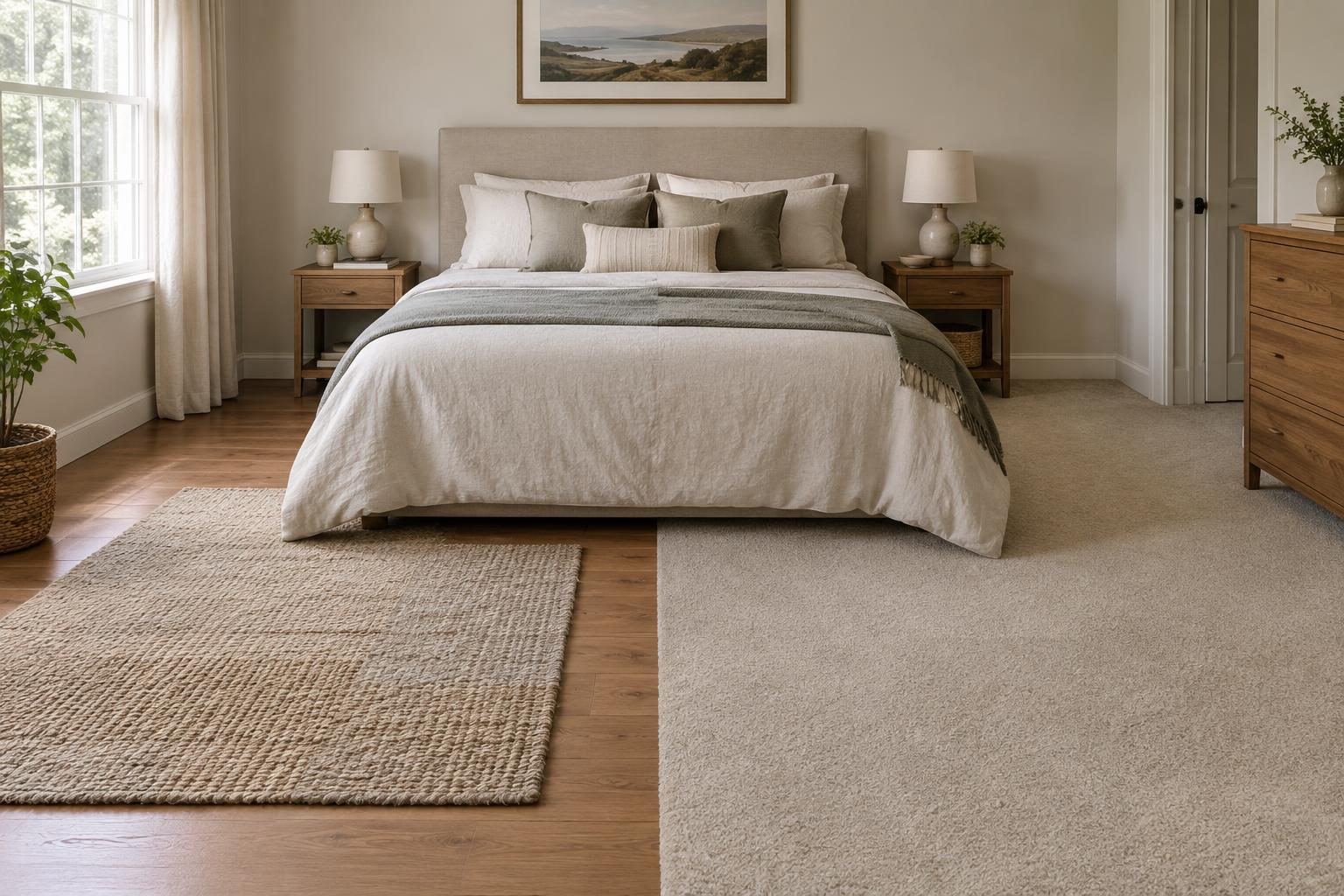
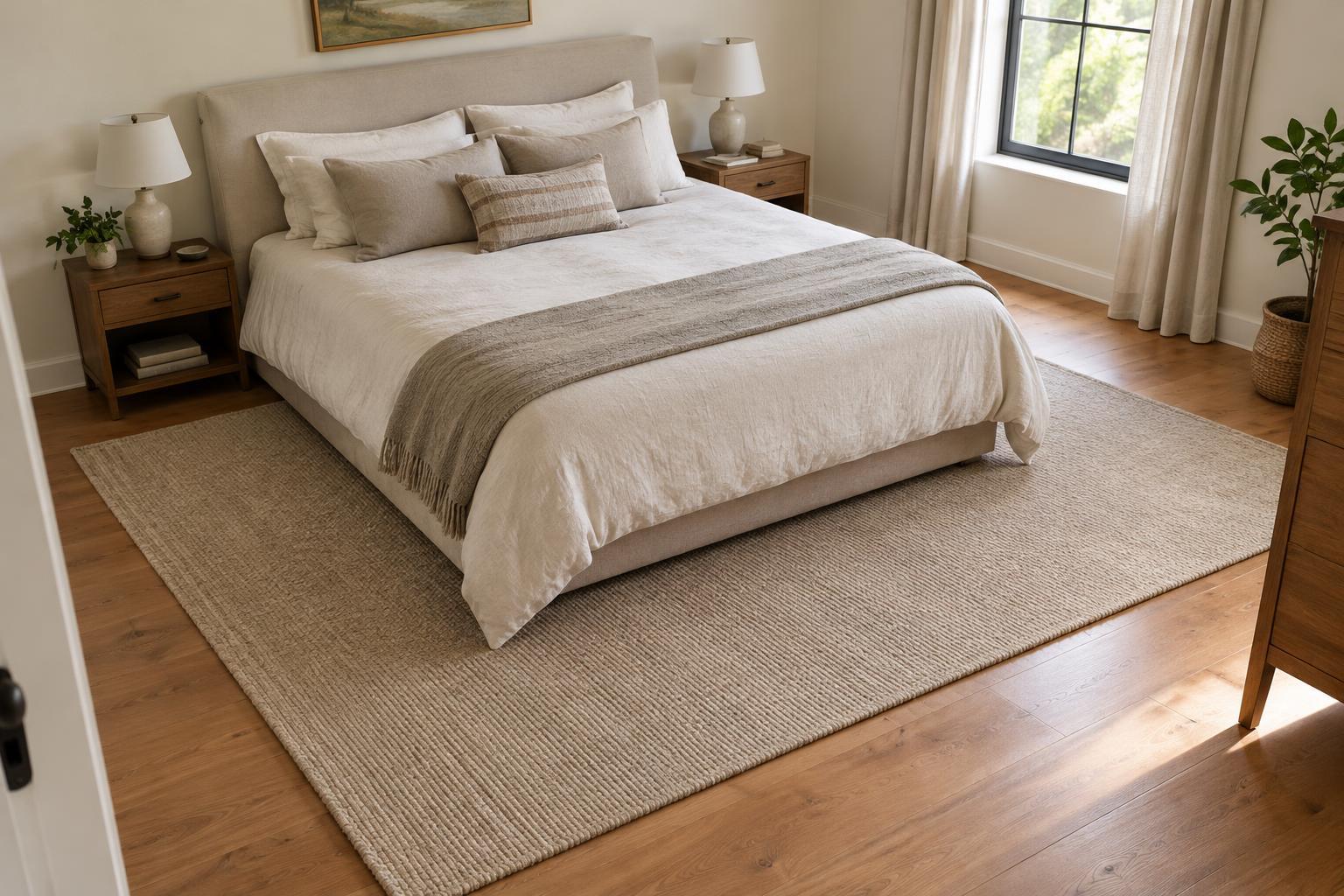
Upholstered headboards typically have fabric over padding and a supporting frame. The padding softens contact when you sit up, while the fabric brings color and texture to a bedroom. Comfort varies with the amount and firmness of padding: a thin upholstered panel may feel quite different from a generously padded one. Seams, tufting and buttons can add detail, but they also create places where dust can collect.
For upkeep, vacuum fabric gently with an upholstery attachment, paying attention to seams and the edge behind the mattress. Deal with spills according to the maker’s care instructions rather than assuming water or a household cleaner is safe for every fabric. If easy cleaning is a priority, look for a smooth surface, a suitable fabric-care label or a removable cover. Keep the headboard clear of persistent dampness, which can make fabric harder to maintain.
Wood: a firm surface with varied finishes
Wood headboards range from solid panels to open slats, so the material alone does not determine the look or feel. A broad, smooth panel provides a continuous surface behind pillows; widely spaced slats can let pillows slip into gaps. Wood is firm if you lean against it directly, but its surface is often straightforward to dust. Grain, stain and painted finishes also make it possible to match a wide range of bedroom styles.
Dust with a soft cloth and follow any finish-specific cleaning guidance. Wipe up moisture rather than leaving it on the surface, particularly near joints or unfinished edges. When shopping, inspect how the panels or slats connect to the frame and whether edges feel smooth. A substantial-looking headboard is not necessarily a stable one; its attachment method matters just as much as the wood you can see.
Metal: slim profile and simple surfaces
Metal headboards often have narrow rails or an open design that can make a small room feel less visually crowded. Many painted or powder-coated surfaces can be wiped down easily, although joints and decorative details may still need occasional dusting. Like wood, metal is firm to lean against. An open pattern may also allow pillows to move through the rails, so consider the spacing if you sit up in bed regularly.
Check the finish for chips and follow the manufacturer’s cleaning instructions; harsh abrasives may scratch a coating. If a headboard rattles when the bed moves, the cause may be loose fasteners or contact with the wall rather than the material itself. Recheck accessible fittings periodically, using the assembly instructions as a guide.
Choose for stability as well as style
A headboard may attach to a bed frame, stand on the floor or mount to a wall. Confirm that its fittings suit your bed and that the installation method is appropriate for the wall or frame. Once installed, it should not wobble under ordinary use. Allow enough clearance for outlets, switches and bedside furniture, and check whether the mattress and pillows cover details you hoped to show.
There is no single best material for every bedroom. Choose upholstery if a soft surface is important and you are comfortable with fabric care. Choose wood for a firm, versatile surface, or metal for a slimmer profile and a finish that is generally easy to wipe. Whichever you prefer, compare the specific design—not just the material—for pillow support, accessible cleaning and a secure fit.