Start with a weekly routine
For most regularly used beds, washing sheets and pillowcases about once a week is a sensible starting point. These fabrics sit against your skin and collect body oils, sweat, hair products and everyday dust. A regular wash keeps the bed feeling fresh and prevents buildup from becoming difficult to remove. It is a household guideline, not a rigid rule: the right interval depends on who uses the bed and how quickly the bedding feels or looks soiled.
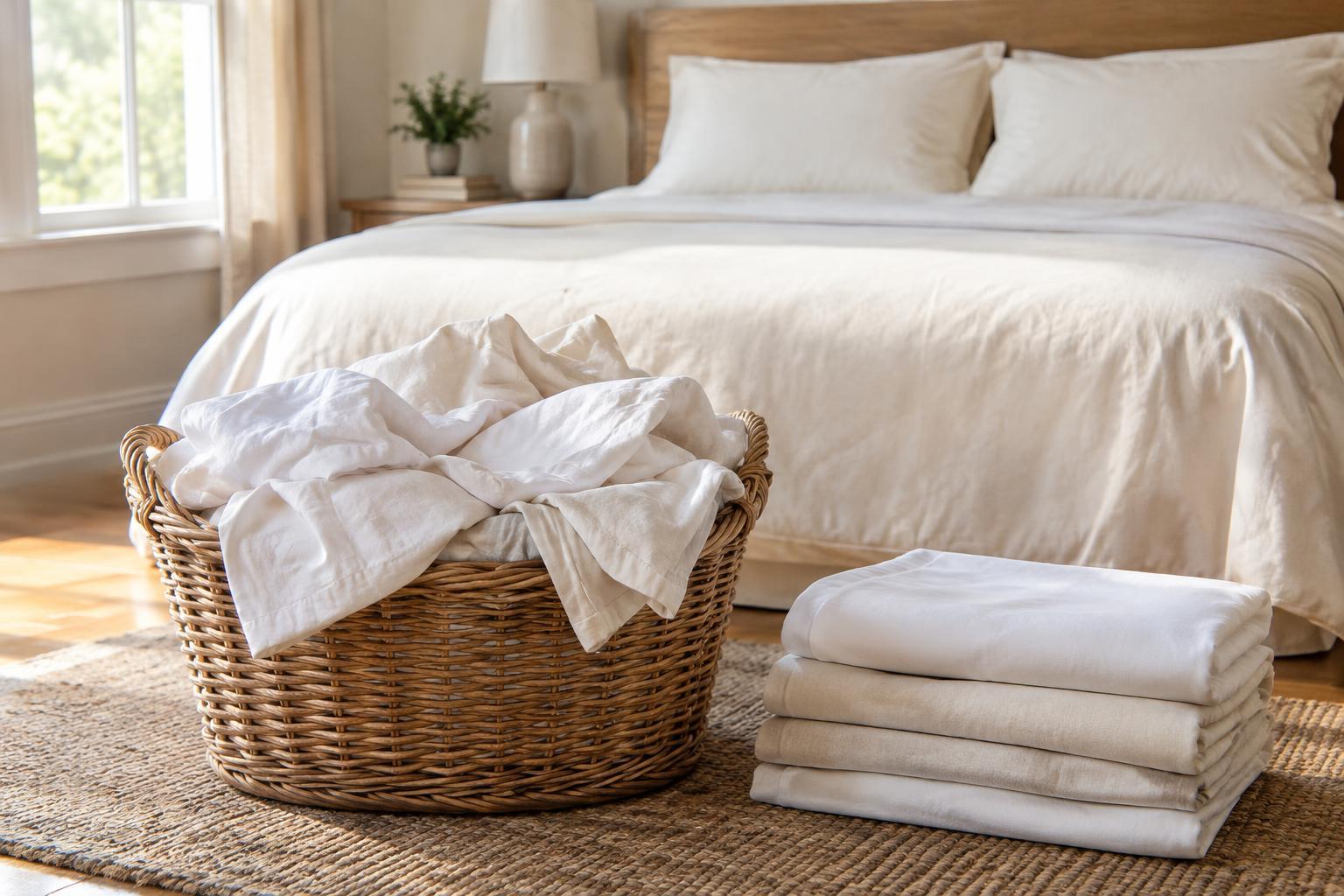
Choose a repeatable laundry day rather than waiting until you notice an odor. Strip the fitted sheet, top sheet if you use one, and pillowcases together. If a weekly load is hard to fit into your schedule, keep a second set ready so you can remake the bed immediately and wash the used set when convenient. A simple routine is easier to maintain than a complicated one.
When to wash more often
Some beds benefit from a shorter interval. Consider washing sheets and pillowcases every few days if you sweat heavily at night, sleep with pets on the bed, or regularly go to bed with product in your hair or on your skin. Pillowcases may need changing sooner than sheets because they come into direct contact with your face and hair. Keeping extra pillowcases on hand makes a midweek change easy without running a full load.
Wash bedding promptly after a spill or other visible soiling rather than waiting for laundry day. If someone has been unwell, follow any relevant care or hygiene guidance for the situation and check fabric labels before choosing a wash setting. Guest bedding is different from a bed used every night: wash it after a stay, then store it clean and dry until it is needed again.
Let fabric care labels guide the wash
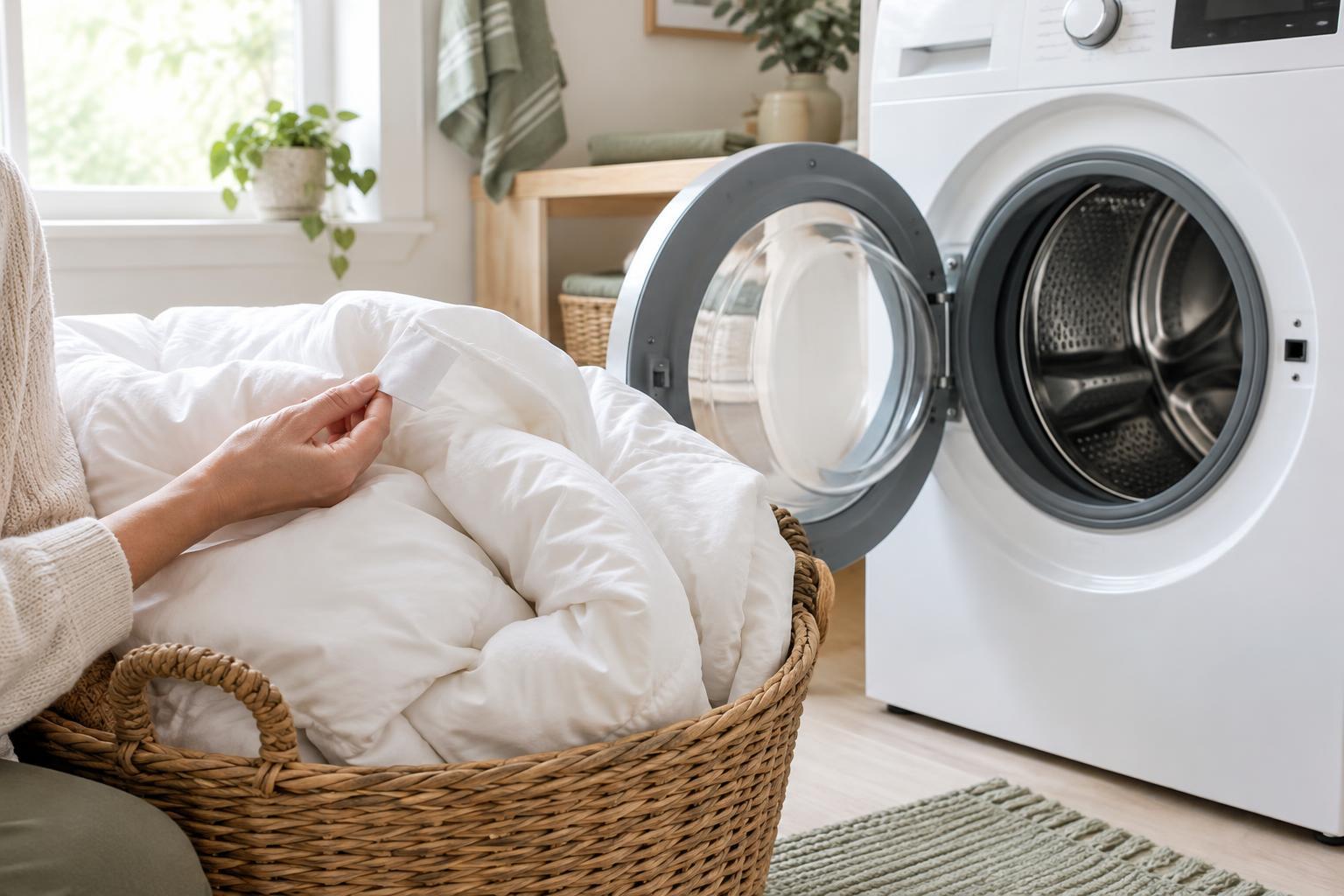
Frequency is only part of a good laundry routine. Check the care label on each set for wash temperature, drying instructions and restrictions. Cotton and linen sheets can have different care requirements from bamboo-derived fabrics, microfiber or silk, and finishes or decorative details may call for extra care. Use a suitable detergent and avoid packing the machine so tightly that the bedding cannot move freely. Washing sheets separately from rough items, such as towels with zippers or clothing with hooks, can also help limit snags.
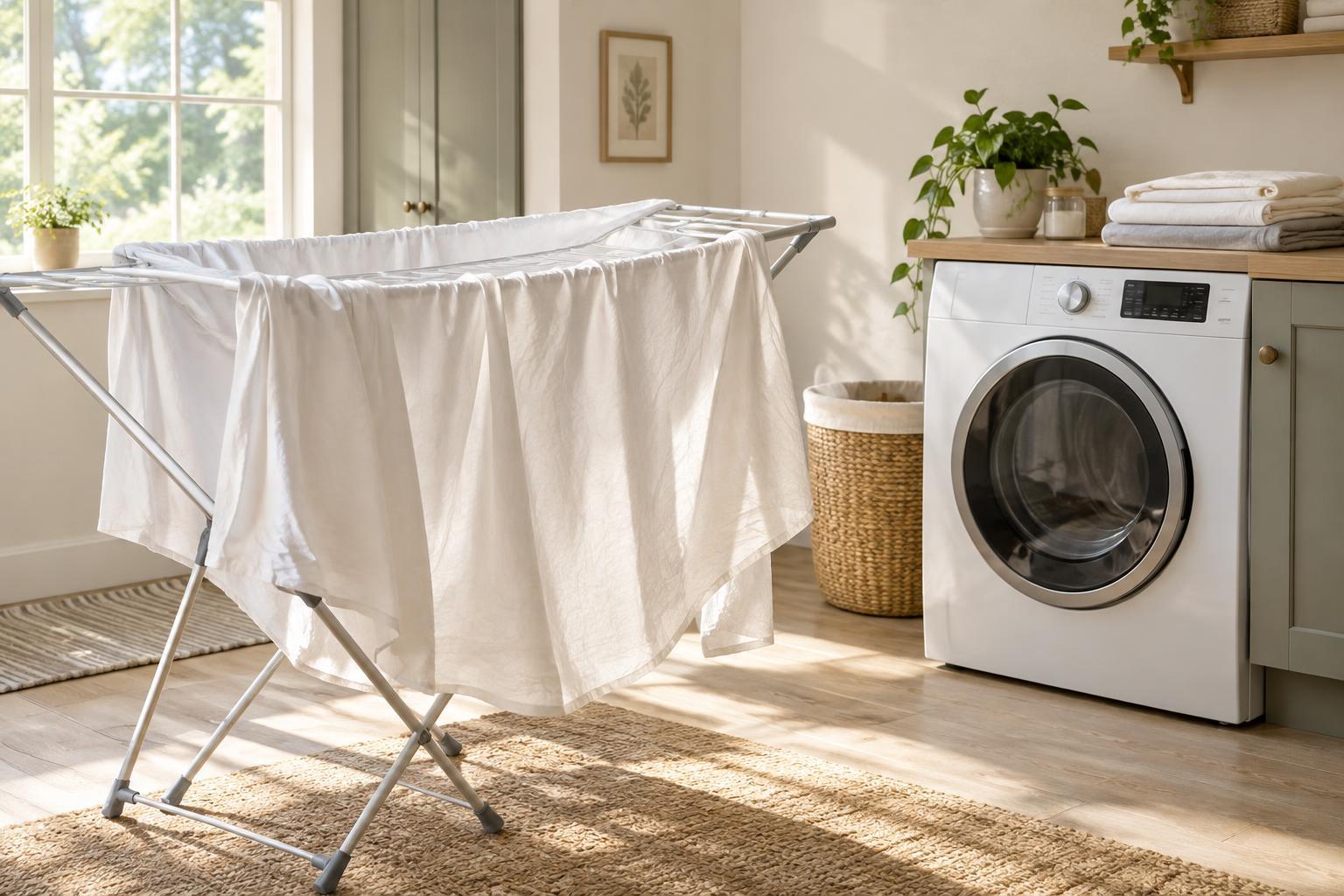
Treat stains before washing when the fabric instructions allow it. If you use bleach or another laundry additive, confirm that it is appropriate for the material and follow the product directions. Dry bedding fully before folding or putting it back on the bed; fabric stored while damp can develop an unpleasant smell. A lower dryer setting or line drying may be preferable for pieces whose labels warn against high heat.
Remember the layers beneath and above the sheets
Pillowcases do not replace pillow protectors, and a fitted sheet does not replace a mattress protector. These removable layers help keep everyday spills and buildup away from items that are harder to clean. Check their labels and wash them on a regular schedule, as well as after soiling. If you use a duvet cover in place of a top sheet, treat it as a frequently used bed layer and wash it on a similar schedule to your sheets.
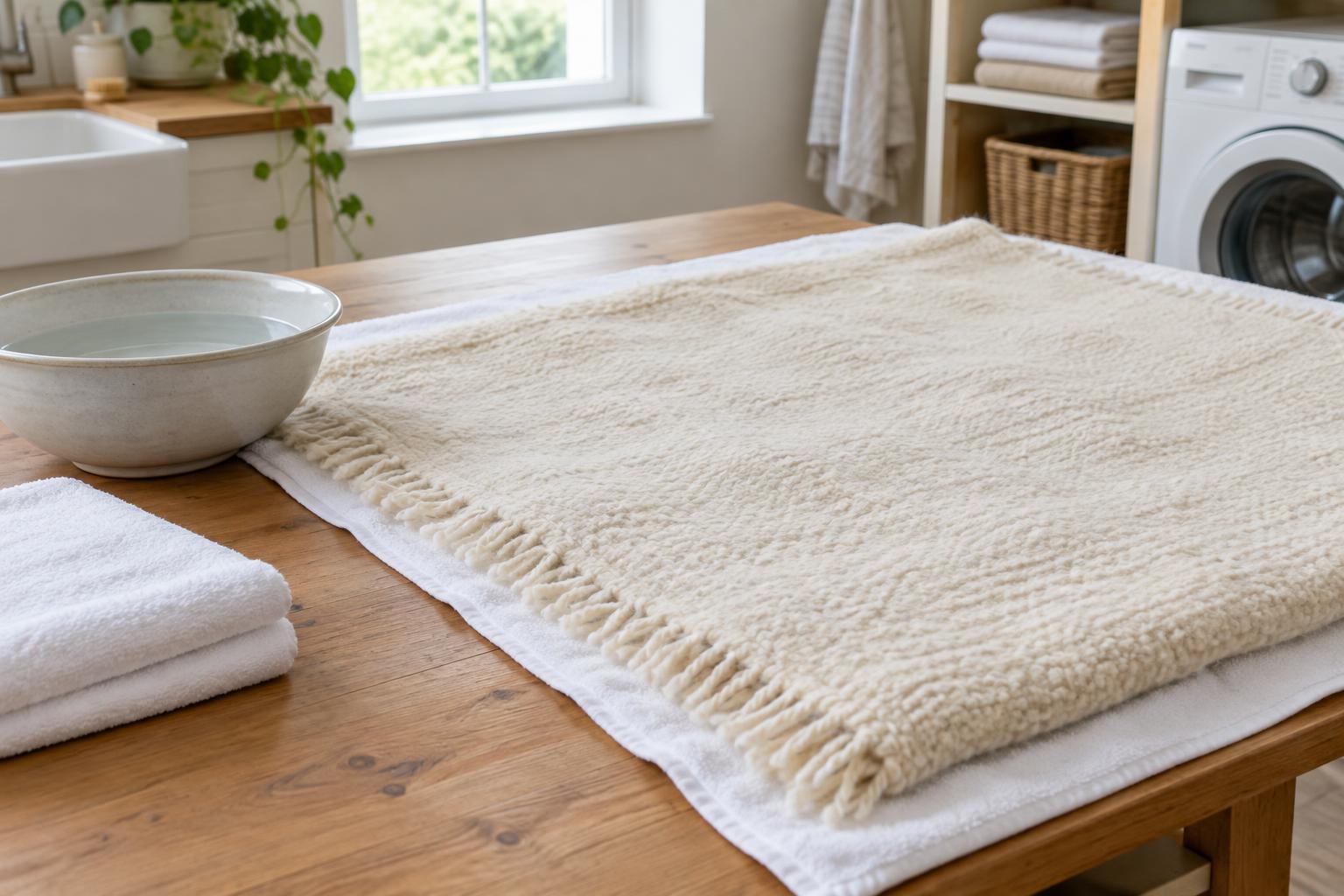
Comforters, blankets and pillows often need cleaning less frequently than the fabrics directly against your skin, but they still need attention. Their construction and fill can make care more complicated, so use the manufacturer’s instructions rather than assuming they can go in a standard machine cycle. Between washes, let the bed air out briefly before making it, and keep the bedroom dry enough that stored and in-use bedding does not stay damp.
Make the schedule work for your household
The most useful schedule is one you can follow. Start with a weekly sheet-and-pillowcase wash, add a midweek pillowcase change if it helps, and adjust when bedding becomes soiled sooner. You do not need to wash every item on the bed each time you change the sheets; set separate reminders for protectors and bulkier layers according to use and care instructions.
When shopping for replacement bedding, consider maintenance alongside softness and appearance. A set that fits your washer, tolerates your usual drying method and comes off the mattress without a struggle may be easier to care for consistently. Having two well-fitting sets can do more for a reliable routine than owning several that require special handling. The aim is a clean, comfortable bed without turning laundry into an unnecessarily demanding chore.