Start with the care label
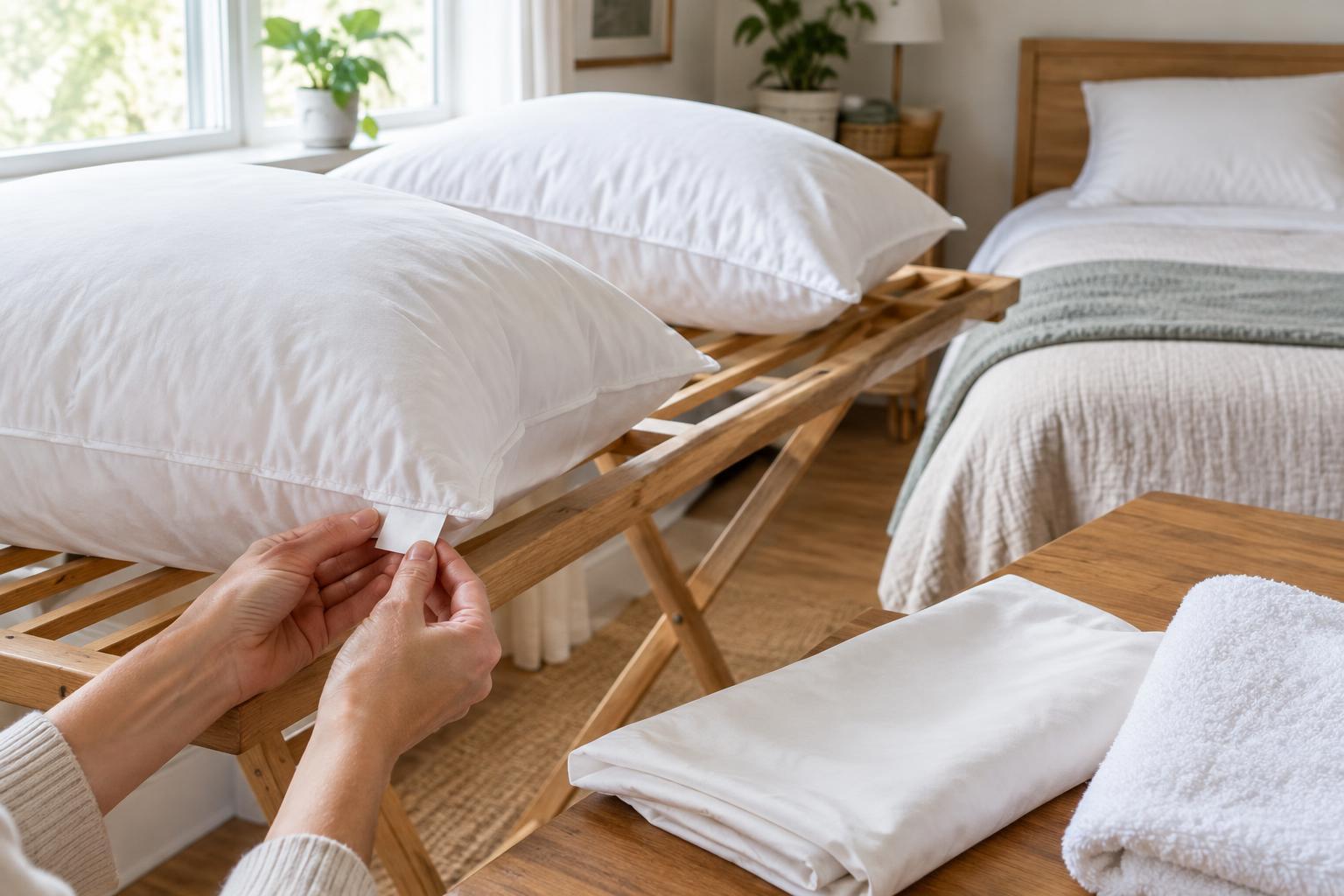
Before cleaning a bed pillow, check its sewn-in care label and any instructions from the maker. Two pillows with similar-looking fill may have different covers, stitching or construction. Follow the pillow’s instructions when they differ from general advice, and check whether a removable cover can be washed separately. If a label is missing, take a cautious approach: clean a small area first rather than assuming the whole pillow can go in a machine.
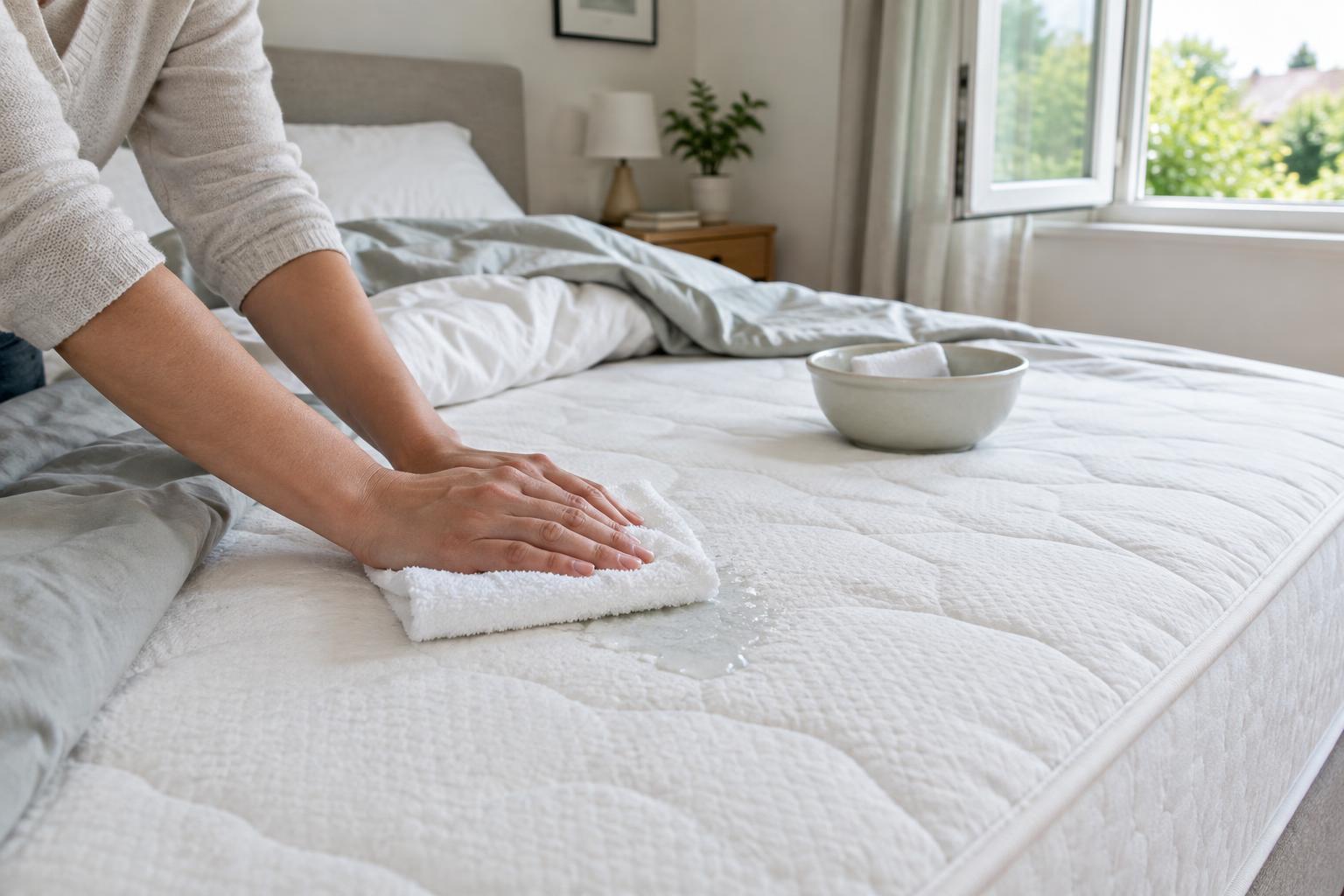
Remove the pillowcase and protector, then inspect the pillow for open seams, worn fabric or leaking fill. Washing can make existing damage worse. For a small mark, blot rather than scrub, using a little mild detergent diluted in water. Keep moisture to a minimum, remove detergent with a lightly damp cloth and let the area dry fully. Avoid strong bleach or added softener unless the care instructions specifically allow them.
Down and feather pillows
Many down and feather pillows can be machine-washed, but the label should confirm this. If washing is permitted, use a gentle cycle, mild detergent and the recommended water temperature. A large-capacity machine gives the pillows room to move; washing two together can help balance the load. Run an extra rinse if detergent remains, since residue can leave the fill clumped or stiff.
Drying matters as much as washing. If the label permits tumble drying, use the specified setting, pause to break up clumps by hand and continue until the center is completely dry. Dryer balls can help separate the fill, but they do not replace checking it. Feel several areas of the pillow for cool or dense patches before putting it back on the bed. Trapped moisture can lead to unpleasant odors and damage.
Polyester and other synthetic fiber fills
Many polyester-filled pillows are machine-washable, making them relatively straightforward to maintain. Follow the label’s temperature and cycle directions, use a modest amount of mild detergent and avoid crowding the washer. Handle a heavily worn pillow gently: loose seams can release fiber during a wash. If the fill is already permanently flattened or lumpy, cleaning may not restore its shape.
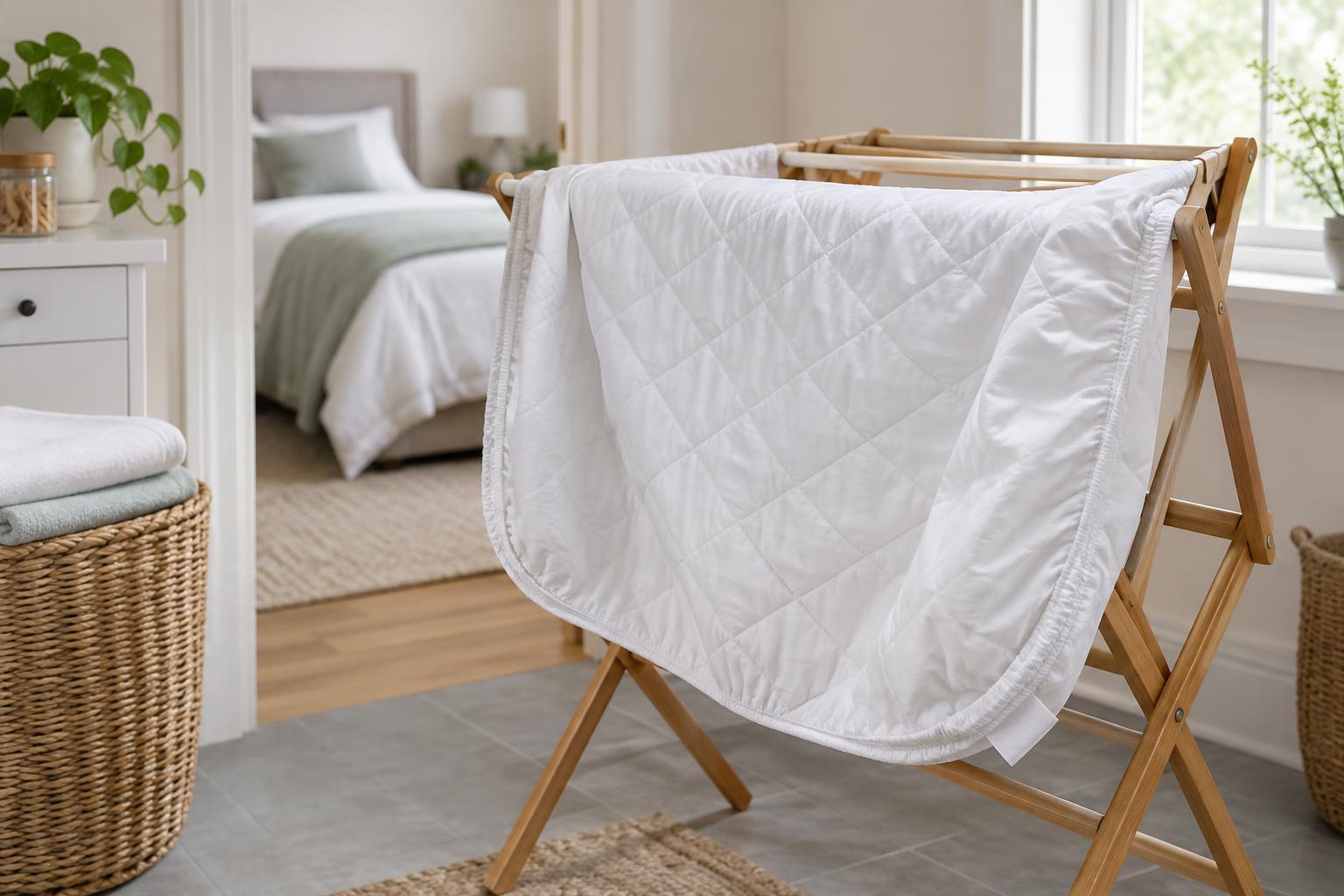
Tumble-dry only if permitted, using the setting on the label. Pause occasionally to fluff and redistribute the fill, and keep drying until no damp spots remain. If tumble drying is not allowed, lay the pillow flat in a well-ventilated place and turn it regularly. Air drying a thick pillow can take longer than its surface suggests, so check the center before replacing the pillowcase.
Memory foam, latex and specialty fills
Solid memory foam and latex pillows generally should not be put in a washing machine or dryer unless their maker explicitly says otherwise. Agitation, saturation or heat may damage the material. Wash a removable cover according to its label. For the core, spot-clean marks with a lightly damp cloth and a small amount of mild detergent, then wipe away any residue. Let it air-dry completely in a ventilated area, away from direct heat.
Shredded-foam pillows need their own instructions. A washable outer cover does not mean the loose fill can be washed; check whether the fill must be removed first. Pillows filled with buckwheat hulls, wool, silk or other specialty materials also vary. Some have washable covers but fills that must stay dry. Empty loose fill only if the pillow is designed for it, and follow the maker’s directions for cleaning and reassembly.
Keep pillows clean between washes
A washable pillow protector provides a barrier between the pillow and everyday moisture and body oils. Wash pillowcases and protectors as their labels direct, and let them dry before putting them back on. Fluff pillows when appropriate to help the fill settle evenly. If a pillow gets wet from a spill, remove its coverings promptly and dry it according to the fill’s care instructions rather than hiding the damp area under a fresh case.
Cleaning has limits. Persistent odor, visible damage or fill that stays clumped after proper washing and drying may mean a pillow needs replacing. When in doubt about a care method, choose the gentler option and avoid soaking a fill you cannot dry thoroughly.