Start with how you actually sleep
Sleep position is a useful starting point for mattress shopping because it changes where your weight rests on the bed. A side sleeper places more pressure around the shoulder and hip. A back sleeper may notice how well the mattress supports the torso and lower back. A stomach sleeper may be more sensitive to the midsection sinking. These are shopping considerations, not rules that identify one ideal mattress for everyone.
Think about the position in which you usually fall asleep and the positions in which you wake up. If you switch often, look for a mattress that feels comfortable in more than one posture rather than optimizing for a single pose. Your body size, proportions, preferred feel and pillow can also affect how a mattress feels. Treat labels such as “side sleeper mattress” as a prompt to investigate, not as proof of a good fit.
What side sleepers may want to notice
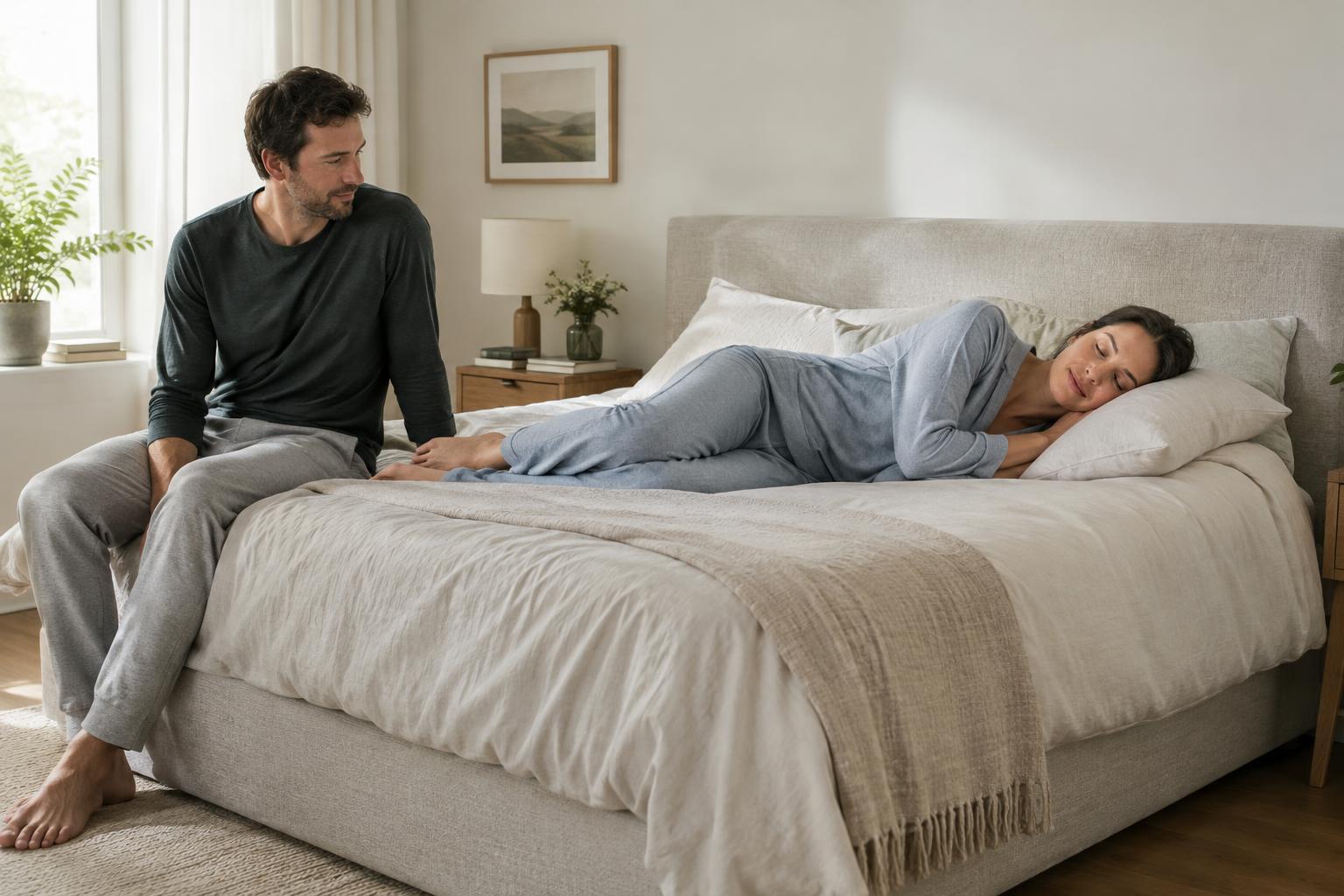
On your side, your shoulder and hip need enough room to settle into the surface. If a mattress feels too firm for you, pressure at those points may become distracting. A comfort layer with some cushioning can help, whether it is made from foam, latex or a padded material. The important question is not the material name alone, but how the complete mattress feels under your weight.
Too much sink can create a different problem: your waist and torso may feel as though they are dropping out of line with the rest of you. When trying a mattress, lie on your side long enough to notice both pressure and support. Check whether your shoulder can settle without your middle feeling unsupported. A pillow that fills the space between your head and the bed also matters, so use a comparable pillow when judging different mattresses.
What back and stomach sleepers may want to notice
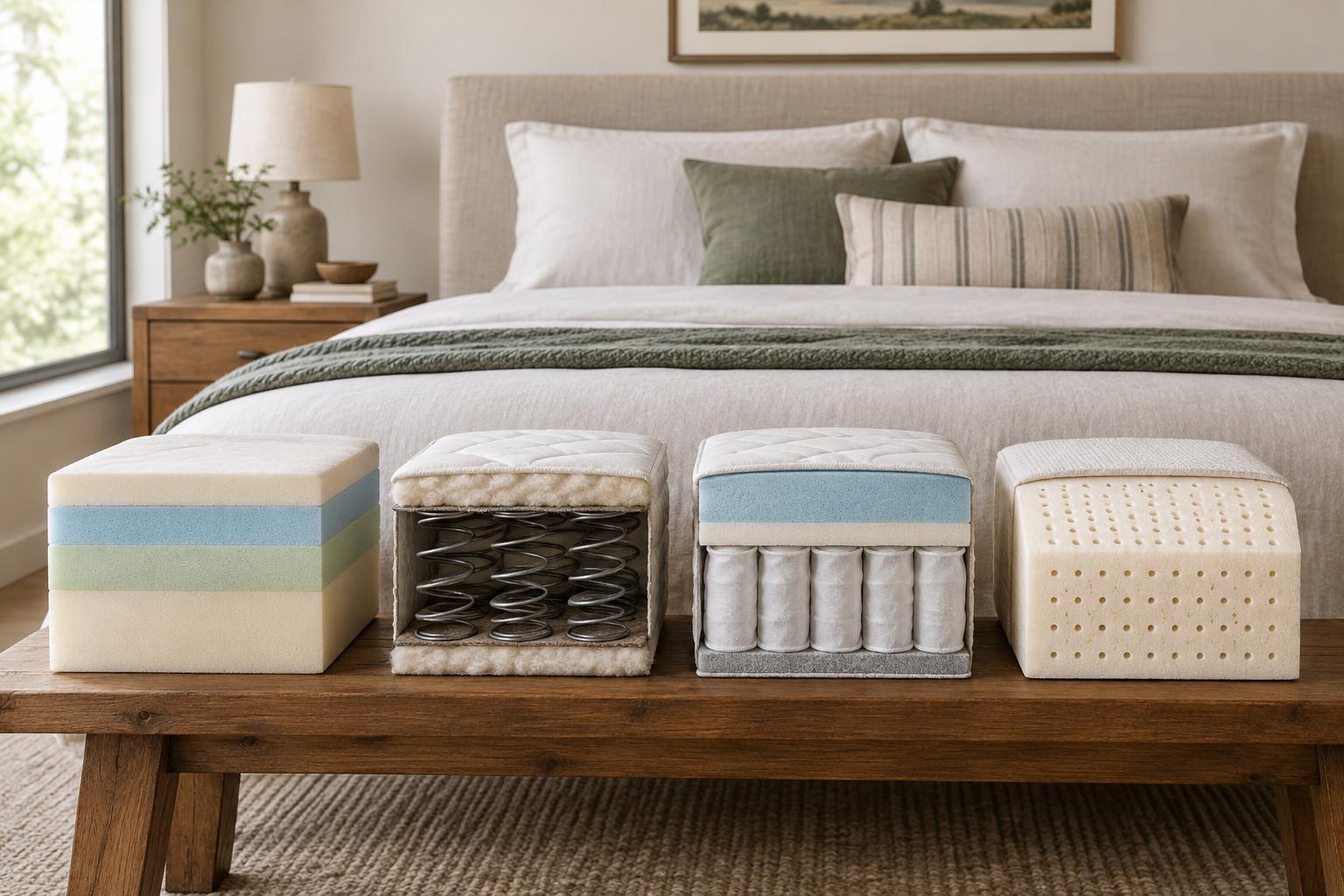
Back sleepers often look for a balance between surface comfort and steady support. The mattress should allow some contouring while avoiding a pronounced dip beneath the hips. Pay attention to whether your body feels level and whether you are tempted to reposition to escape an uncomfortable spot. A firm label alone cannot tell you how a bed will behave: two mattresses with the same advertised firmness can feel different because of their comfort layers and underlying construction.
Stomach sleepers may prefer a surface that limits deep sinking around the midsection while still feeling comfortable at the chest and hips. If the pelvis seems to drop noticeably, a more supportive feel may be worth comparing. Pillow height can change the experience too; a thick pillow may make this position feel awkward even on a mattress you otherwise like. If you alternate between stomach and side sleeping, seek a workable compromise rather than assuming the firmest option is best.
Test for your routine, not just a showroom impression
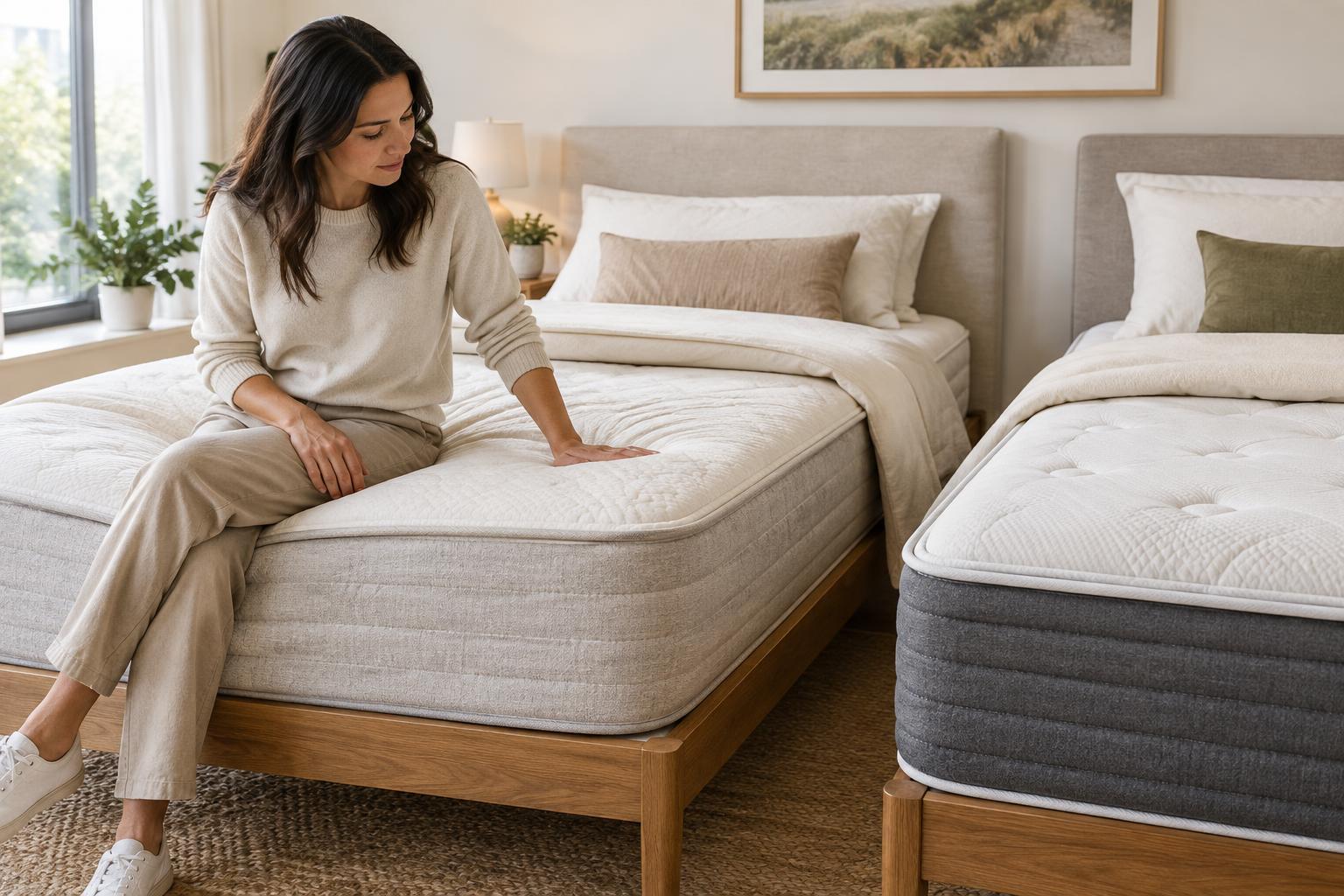
Firmness is subjective, and a quick hand press reveals little about how a mattress will feel while you lie on it. If you can try beds in person, use your normal sleep positions and give each one a few minutes. Notice pressure at your shoulder and hip, how far your midsection sinks, and whether changing position takes effort. A partner should try the mattress too if you share a bed; you may have different comfort preferences.
For an online purchase, read the construction details alongside descriptions of feel. Look at the thickness and type of comfort layers, the support core, and any stated variation between models. Check the trial terms before buying, including how returns work and whether there are fees or conditions. Reviews can help you identify questions to ask, but another sleeper’s firmness rating may not match your own experience.
Make a short list you can compare
Begin with your most common position and one or two concerns, such as shoulder pressure or too much sink at the hips. Then compare mattresses across a reasonable range of feels instead of choosing solely by a position-based recommendation. Note each model’s construction, price, trial terms and the reason it made your list. This keeps a wide search from becoming a collection of vague impressions.
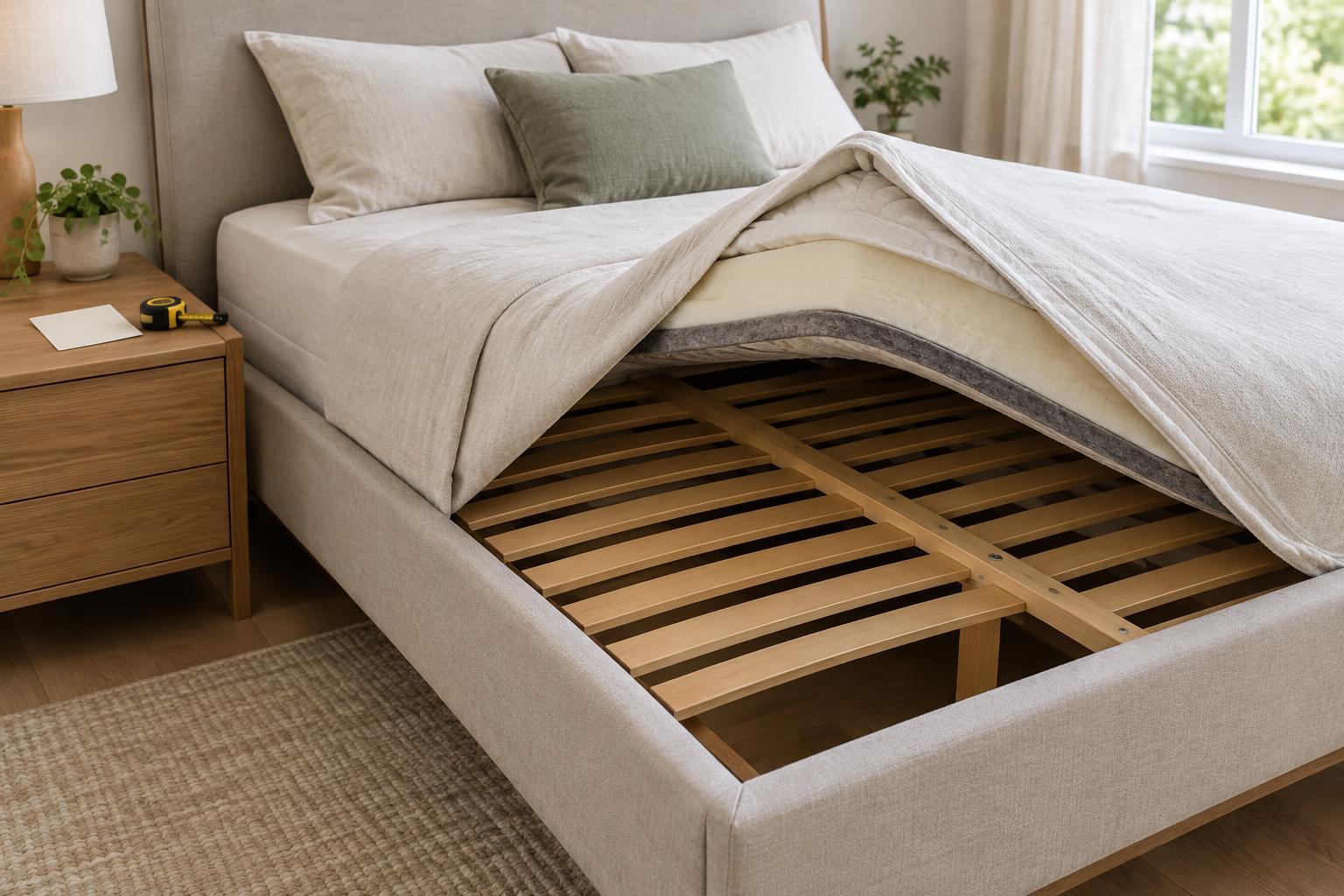
Finally, consider the whole sleep setup. A worn foundation, an unsuitable pillow or bedding that makes you too warm can influence comfort and may be mistaken for a mattress problem. Sleep position helps you ask better questions, but your own sustained comfort is the more useful guide. If one mattress feels supportive and comfortable in the positions you actually use, that matters more than whether its marketing describes it as ideal for your sleep style.