Start with the fiber, then look beyond it
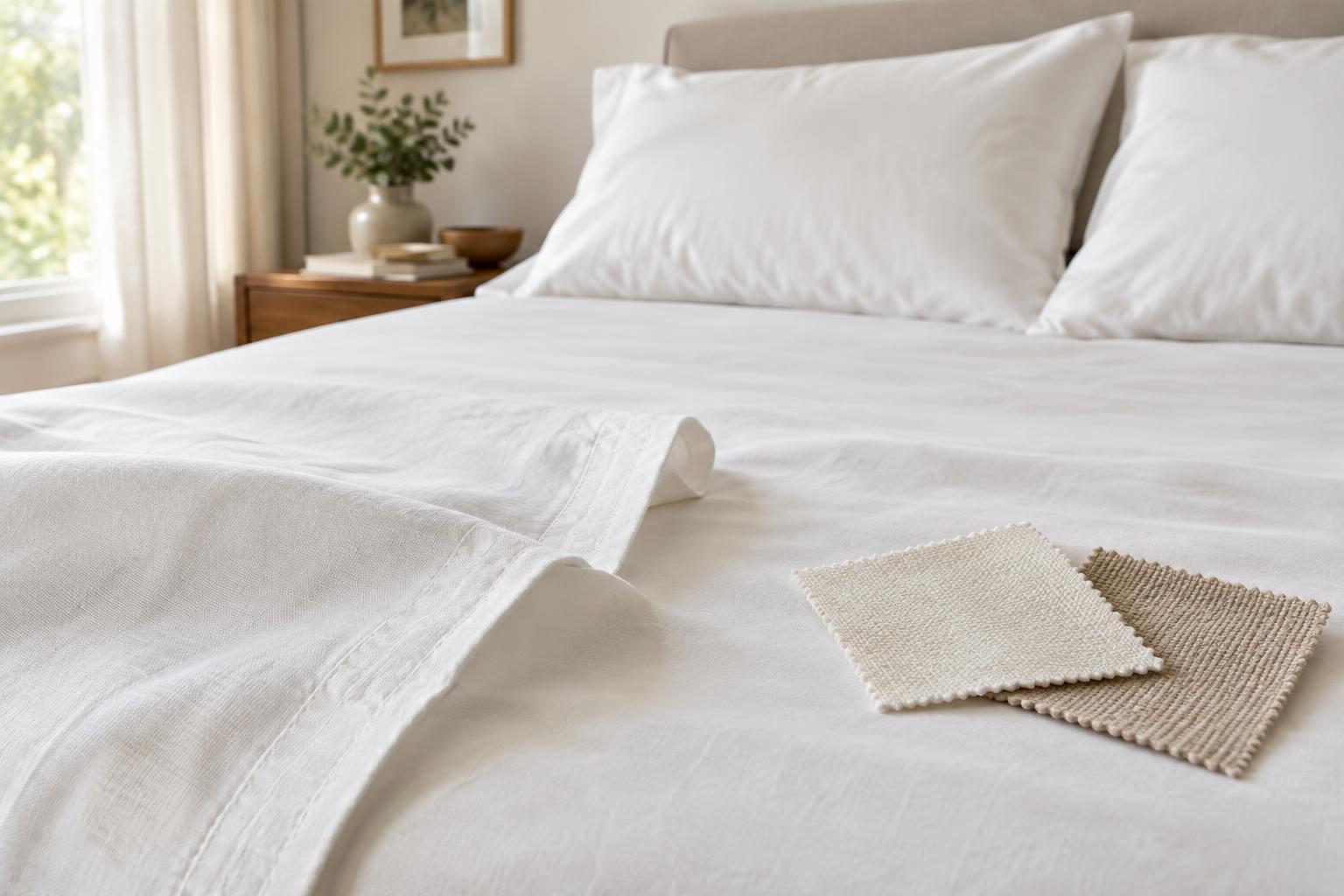
Cotton, linen and hemp are plant-derived fibers, but a sheet’s feel depends on more than its fiber name. The yarn, weave, fabric weight, finishing and laundering all matter. Two cotton sheets can feel less alike than a cotton sheet and a linen sheet, so treat the fiber label as a starting point rather than a promise of softness or coolness.
Cotton is familiar and widely available in a range of textures and prices. Linen is made from flax and often has a textured, relaxed appearance. Hemp fabric can have a similarly casual look, though its feel varies considerably by processing and weave. None is automatically the best choice for every sleeper: the useful question is which combination of texture, upkeep and price suits your bed.
Compare texture and warmth
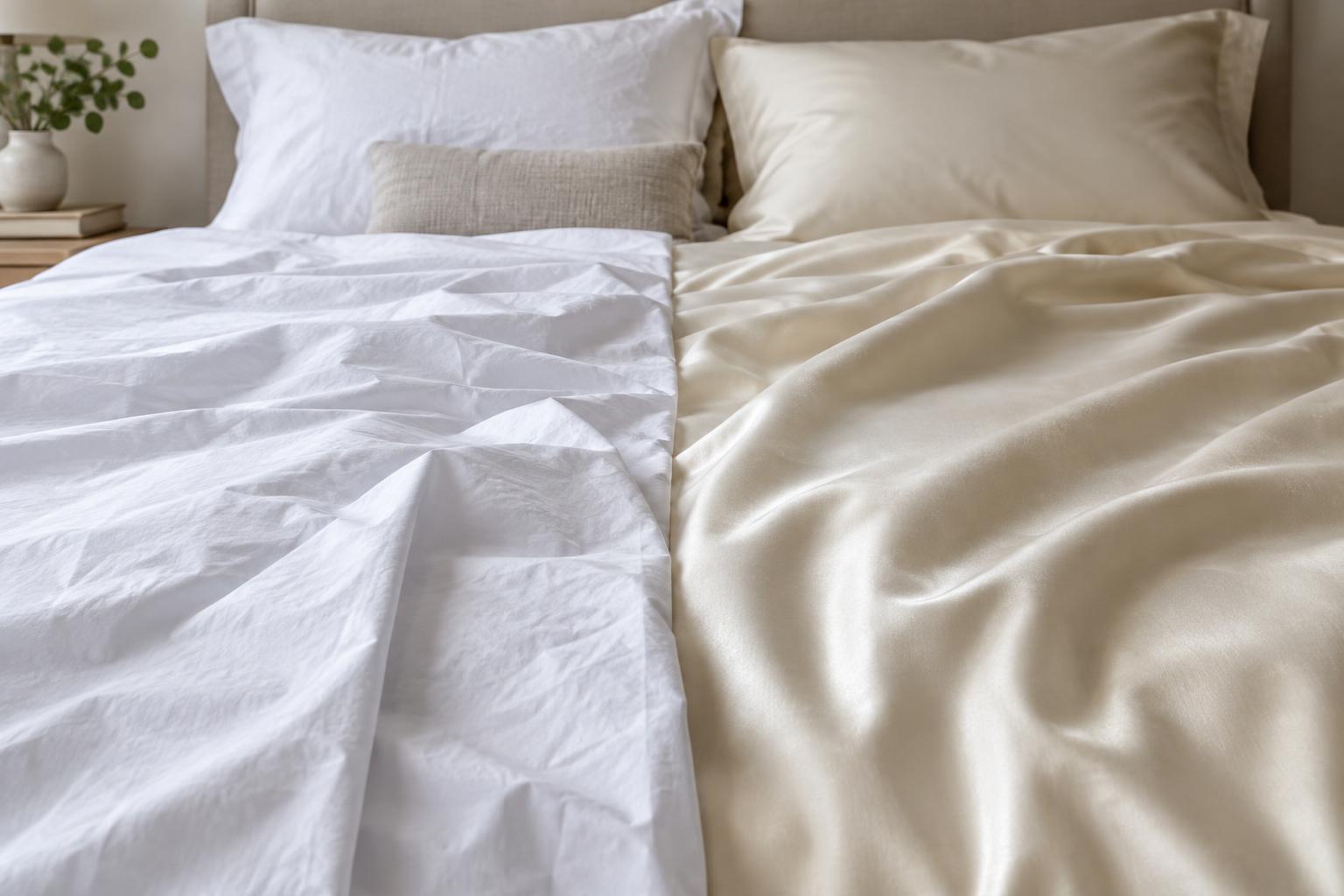
If you want a smooth, crisp sheet, cotton percale is a sensible place to start. Cotton sateen typically feels smoother and drapes more closely, but some people find its denser feel less appealing in warm rooms. These are weave names, not different fibers. A lightweight percale and a heavier percale will not necessarily feel the same.
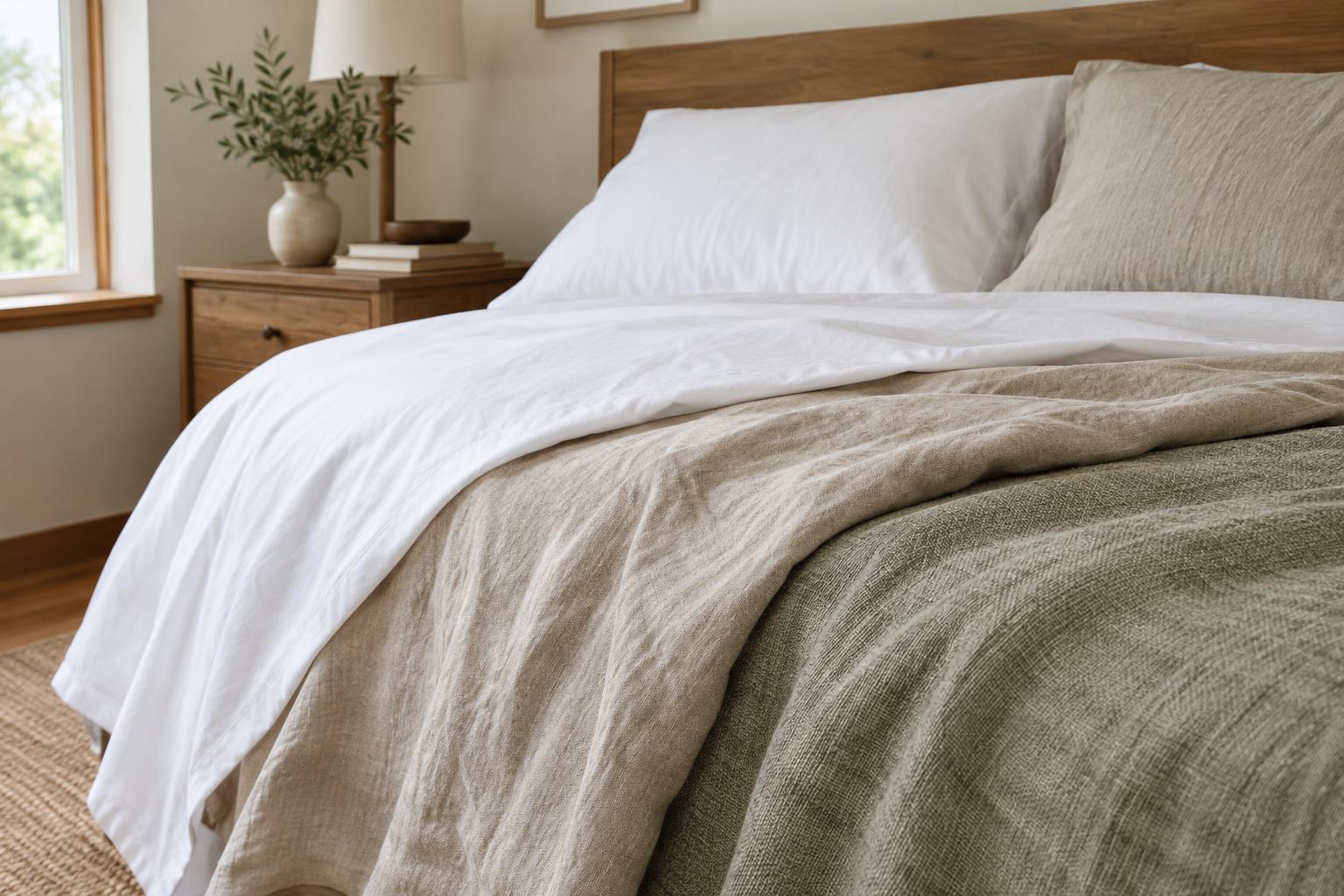
Linen usually has more visible texture and a looser drape than smooth cotton. It may feel firm or slightly rough when new, then become more pliable with washing and use. Hemp sheets can also begin with a substantial, textured feel, although some are softened during manufacturing or blended with cotton. Read descriptions of both the fiber content and the finish rather than assuming every linen or hemp set will feel rustic.
For a warm bedroom, a breathable-feeling, lightweight fabric may be more comfortable than a dense, heavy one. Cotton, linen and hemp can all be woven into sheets that allow air to move, but fabric construction and the rest of the bedding affect the result. If you tend to feel cold, consider the whole setup—including duvet and blanket weight—instead of relying on sheet fiber alone.
Think about care and the look you want
Cotton is often the easiest option for someone who wants a tidy-looking bed with straightforward laundry care. Some cotton sheets wrinkle, especially crisp percale, while sateen may look smoother after drying. Linen and hemp commonly retain more visible creases; that is part of their appeal for people who prefer an informal bedroom. If you want a pressed finish, factor in the work needed to achieve it.
Check the care label before purchase. Washing temperature, drying instructions and allowances for bleach or ironing can differ among products made from the same fiber. Overloading the washer or dryer may leave sheets more creased and make thorough rinsing and drying harder. Using the recommended settings and allowing sheets to dry fully before storage are practical habits for any of the three materials.
All sheets can show wear at high-friction areas, such as where feet rest or a rough mattress surface catches the fabric. Strong-sounding fiber descriptions do not guarantee a long-lived finished sheet. Construction, use and care also matter. Having a second set to rotate can make laundry easier and reduce how often one set is used.
Read product listings carefully
Look for an exact fiber-content breakdown, particularly if a product is described as a “linen blend” or “hemp blend.” Blends are not inherently a drawback: cotton may change the feel or care requirements in ways you prefer. What matters is knowing what you are buying. Also check whether the listing states the weave, includes a fabric weight, and describes any softening treatment.
Thread count is most relevant when comparing similarly constructed cotton fabrics, and a larger number does not by itself mean a better sheet. Linen and hemp are often described by fabric weight instead. Neither figure can tell you whether a sheet will feel pleasant against your skin. Product photos can help you judge appearance, but close-up texture images, care instructions and a clear return policy may be more useful when shopping online.
Before choosing a set, confirm which pieces it includes and compare the fitted sheet’s stated pocket depth with your mattress height, including any topper. Elastic around the fitted sheet and clearly stated dimensions may matter more to everyday comfort than a fiber preference if your current sheet slips off the bed.
Make a choice that fits your routine
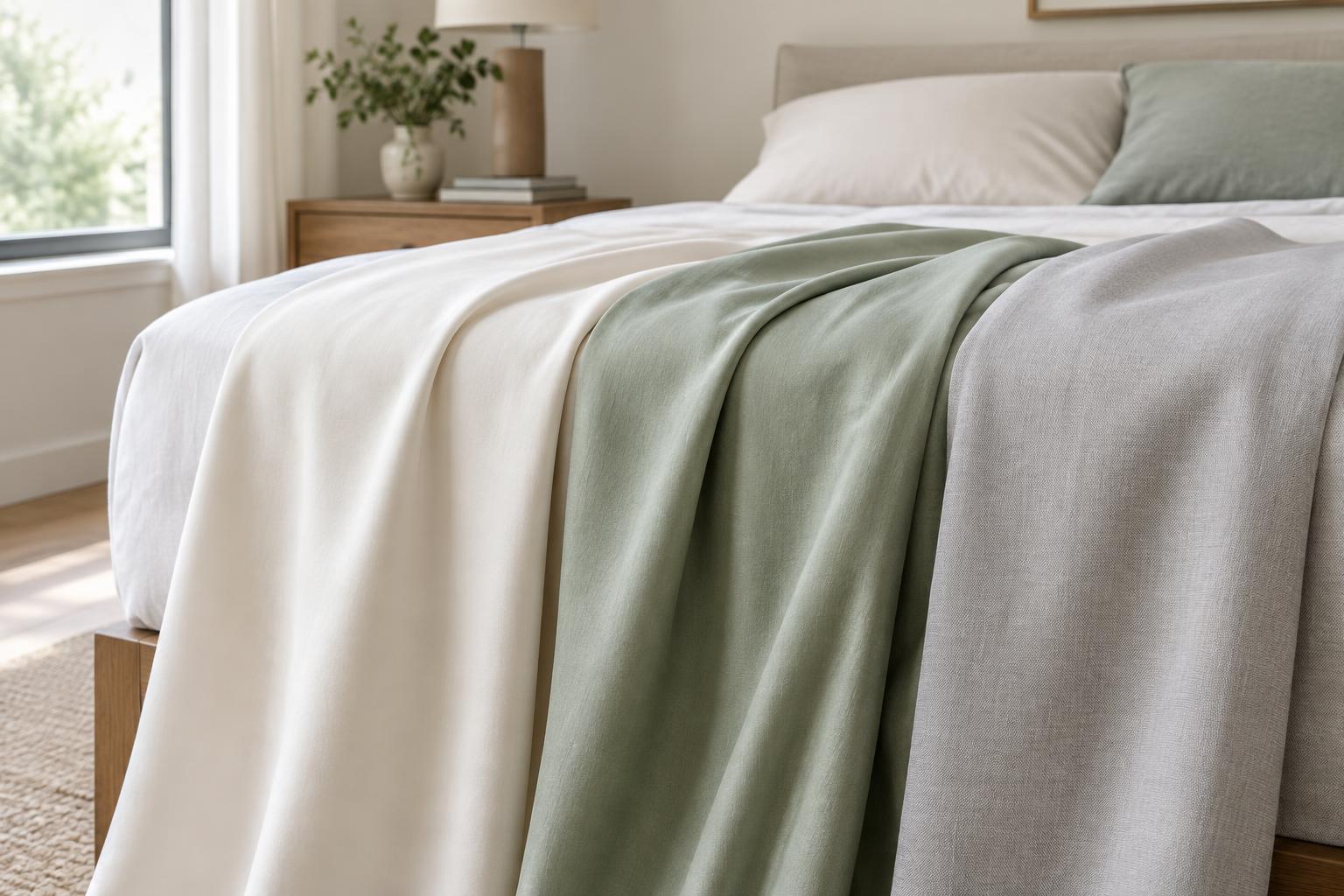
Choose cotton if you want the broadest selection of weaves and finishes, or if a particular crisp or smooth feel is your priority. Consider linen if you like visible texture, relaxed wrinkles and a fabric that may soften with use. Consider hemp if you want a textured plant-fiber sheet and find a product whose stated feel, construction and care instructions appeal to you.
If you are unsure, identify what bothers you about your current sheets first. Are they too slippery, too heavy, too wrinkled or hard to keep on the mattress? Use that answer to narrow your search, then compare products with similar weaves and weights where possible. A well-fitting sheet you enjoy laundering is more useful than one chosen on fiber name alone.