Start with the fiber label, not the product name
Sheet listings often put a familiar word such as “silky” or “cooling” in the headline. The fiber-content label is a better starting point. Lyocell and viscose are names for types of regenerated cellulose fiber, typically made from plant-derived pulp. Microfiber describes very fine fibers rather than one specific raw material; microfiber sheets are commonly made from polyester, but you should check the label for the actual fiber content.
A label also may list a blend, such as lyocell with cotton or polyester with another fiber. That matters because a blend may not behave quite like either fiber on its own. The label cannot tell you everything about comfort, though. Yarn quality, fabric construction and finishing can change how sheets feel and wear, even when two packages list the same fiber.
What lyocell and viscose have in common—and where they differ
Both lyocell and viscose begin with cellulose that is processed into new fibers. They are not simply woven plant fibers in their original form, nor are they identical materials. Lyocell is made through a different manufacturing process from conventional viscose. Some lyocell production uses a system designed to recover and reuse much of its processing solvent, but a fiber name alone does not establish the environmental impact of a particular sheet.
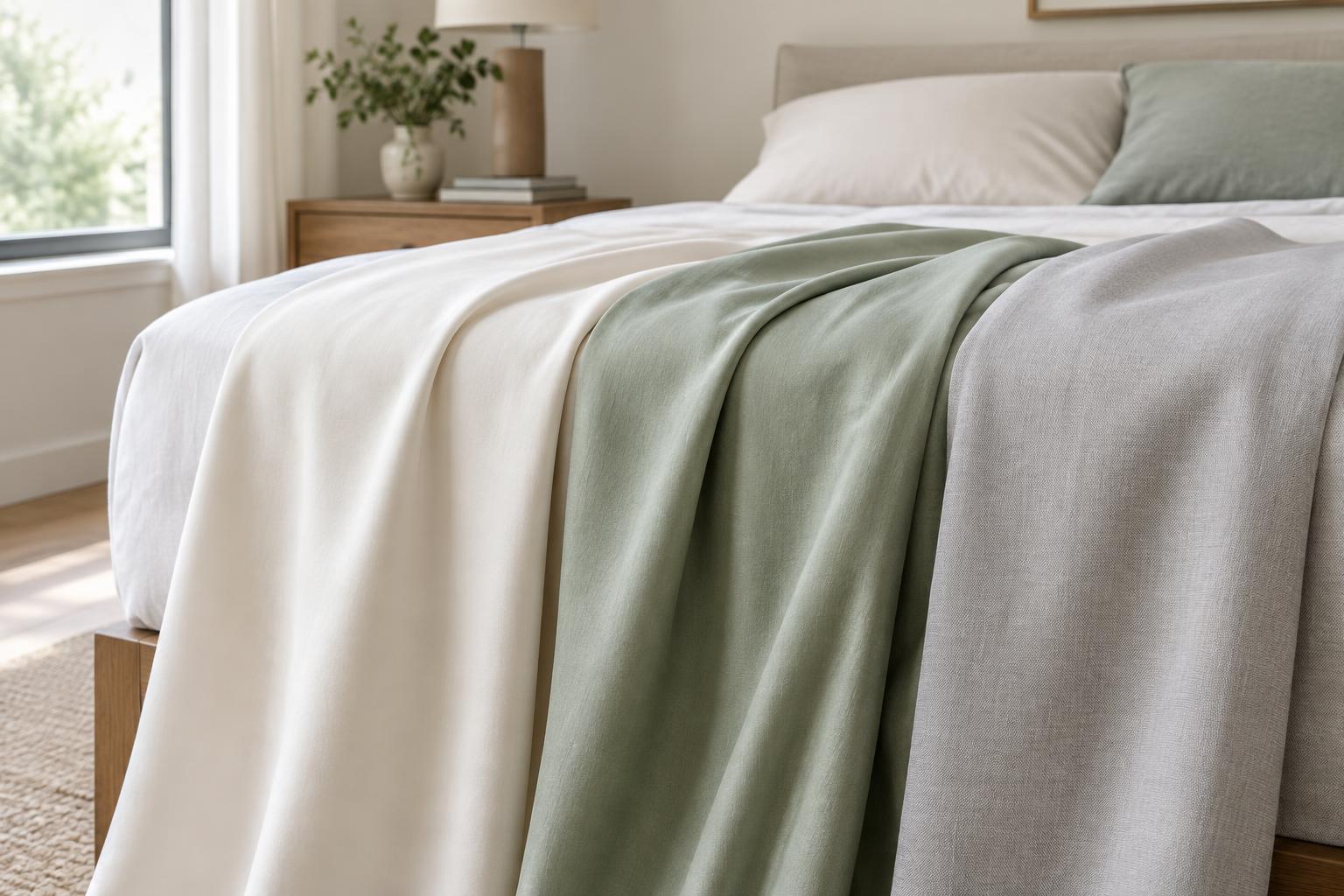
In use, both can make smooth, drapey sheets. People who dislike a stiff or crisp bed may appreciate that fluid feel. Depending on the weave and finish, either fabric may feel quite different from another set with the same fiber name. Viscose may also appear on a label as “rayon” or “viscose rayon.” If a listing says “bamboo sheets,” look for the fiber-content wording: it may describe viscose made using bamboo as the cellulose source, rather than fabric woven directly from bamboo fibers.
Check the care label before choosing either option. Some regenerated-cellulose sheets call for a gentler wash, lower heat or prompt removal from the dryer to help preserve their appearance. Follow the instructions for the specific set rather than assuming every lyocell or viscose sheet needs the same treatment.
What microfiber tells you—and what it does not
Microfiber refers to exceptionally fine fibers. In bedding, the term usually appears on lightweight, synthetic sheets that can feel smooth or brushed and are often easy to launder. Because the word describes fiber fineness, not a complete fabric recipe, check whether the package specifies polyester or another material.
Microfiber sheets can be a practical choice if you want a soft feel, straightforward care and a set that dries relatively quickly. They may be less appealing if you prefer the feel of cellulose or cotton fabrics, especially if you tend to find polyester bedding warm or less comfortable when damp. These are preferences, not guarantees: fabric weight, weave, finish and bedroom conditions all affect how a sheet feels overnight.
Synthetic microfiber can also shed tiny fibers during washing. Gentle laundering and avoiding unnecessary washes may help limit wear and shedding, while also extending the life of the sheets.
Compare construction as well as material
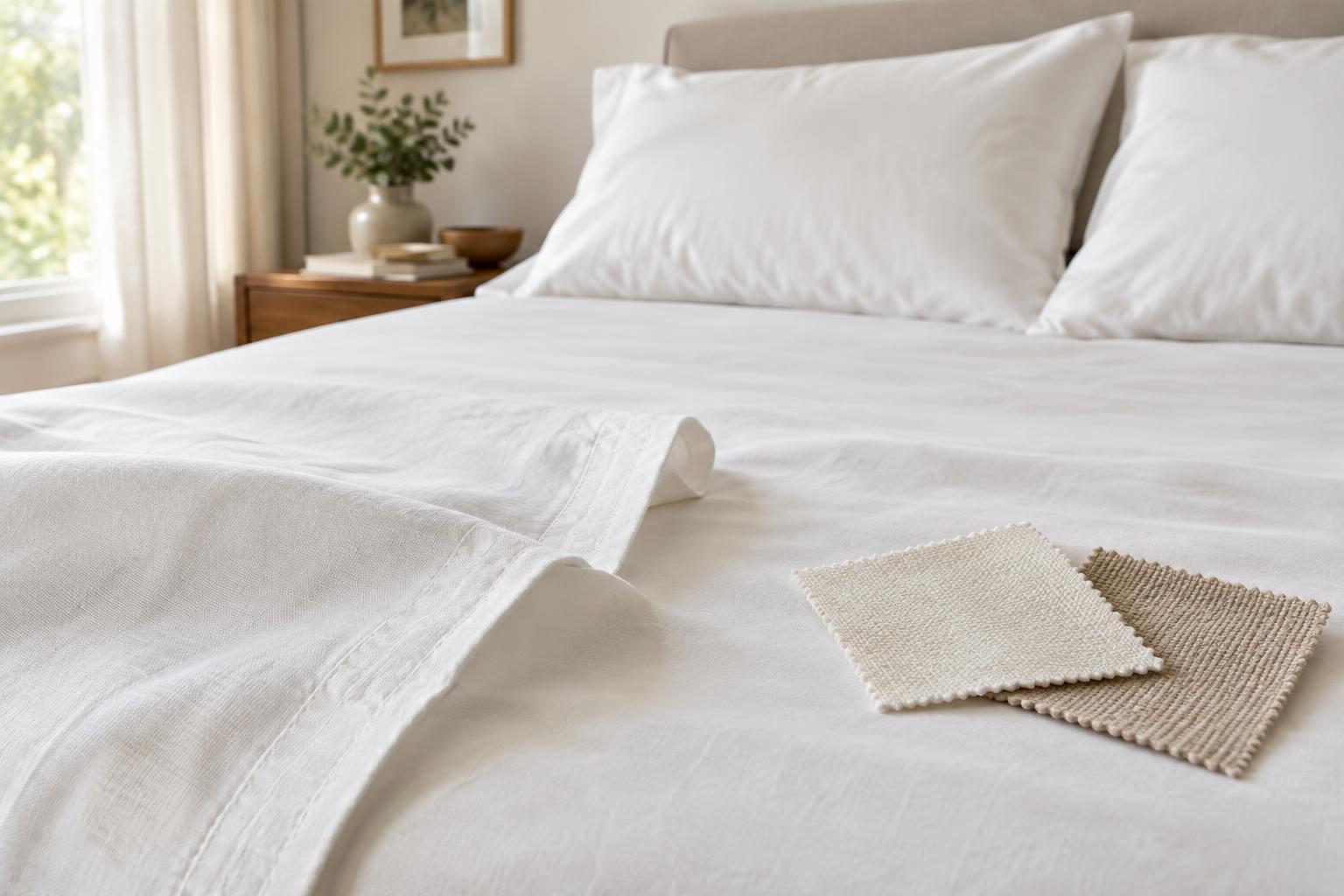
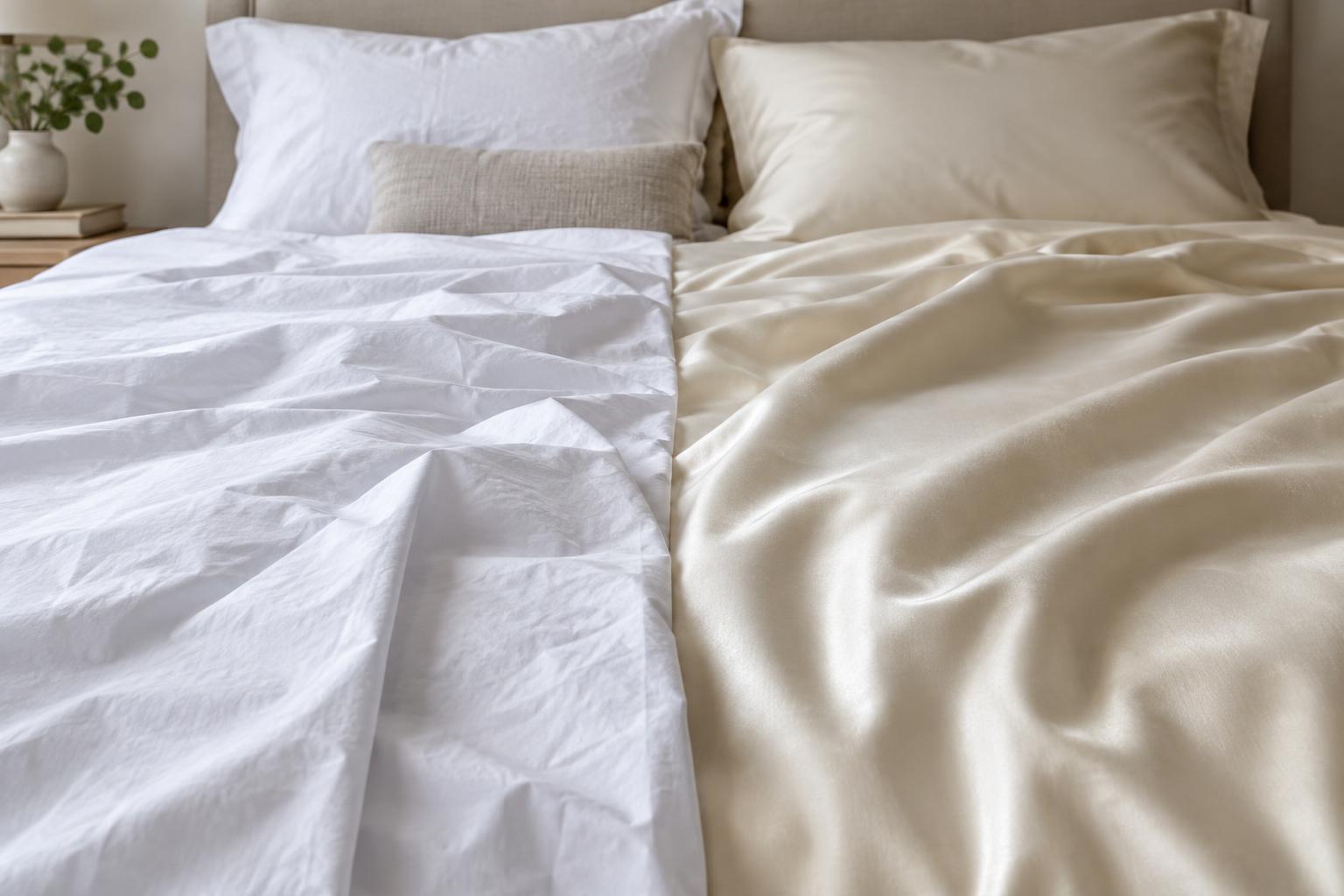
Once you know the fiber content, look at the fabric itself. A sateen weave often gives sheets a smoother, more fluid surface, while a percale weave tends to feel crisper. Brushed finishes can add softness but may change the surface with repeated laundering. Product photos rarely show these differences reliably, so a fabric swatch or a return policy can be useful when shopping online.
Do not treat thread count as a universal score. It does not compare microfiber, lyocell and viscose on equal terms, and a higher number does not automatically mean better comfort or durability. More useful details include the stated fiber blend, weave, fitted-sheet pocket depth and care instructions. Measure your mattress, including any topper, before buying: even pleasant fabric is frustrating if the fitted sheet will not stay in place.
Choose for your routine, then care for the set you buy
If you want a drapey sheet and are willing to follow potentially gentler care instructions, compare lyocell and viscose sets by their weave, weight and labels. If simple laundering and a soft synthetic feel matter most, microfiber may suit you. None of these names promises a particular sleeping temperature or lifespan, so be cautious with absolute claims such as “always cooling” or “will never pill.”
Whatever you choose, wash new sheets according to their care label, avoid overloading the machine and dry them as directed. Those habits give fabric room to move and help reduce avoidable wear. For the most useful comparison, judge a set after ordinary use and laundering—not just by how the package describes its feel.