What a mattress cover actually does
The outer fabric of a mattress is often called its cover or ticking. It gives the mattress its finished surface, but it can also affect how the layers beneath it feel. A stretchy cover may let a soft comfort layer compress more freely. A thicker, quilted cover may add cushioning of its own and make that same layer feel less immediate. Neither approach is automatically better; the useful question is how the complete mattress feels and functions.
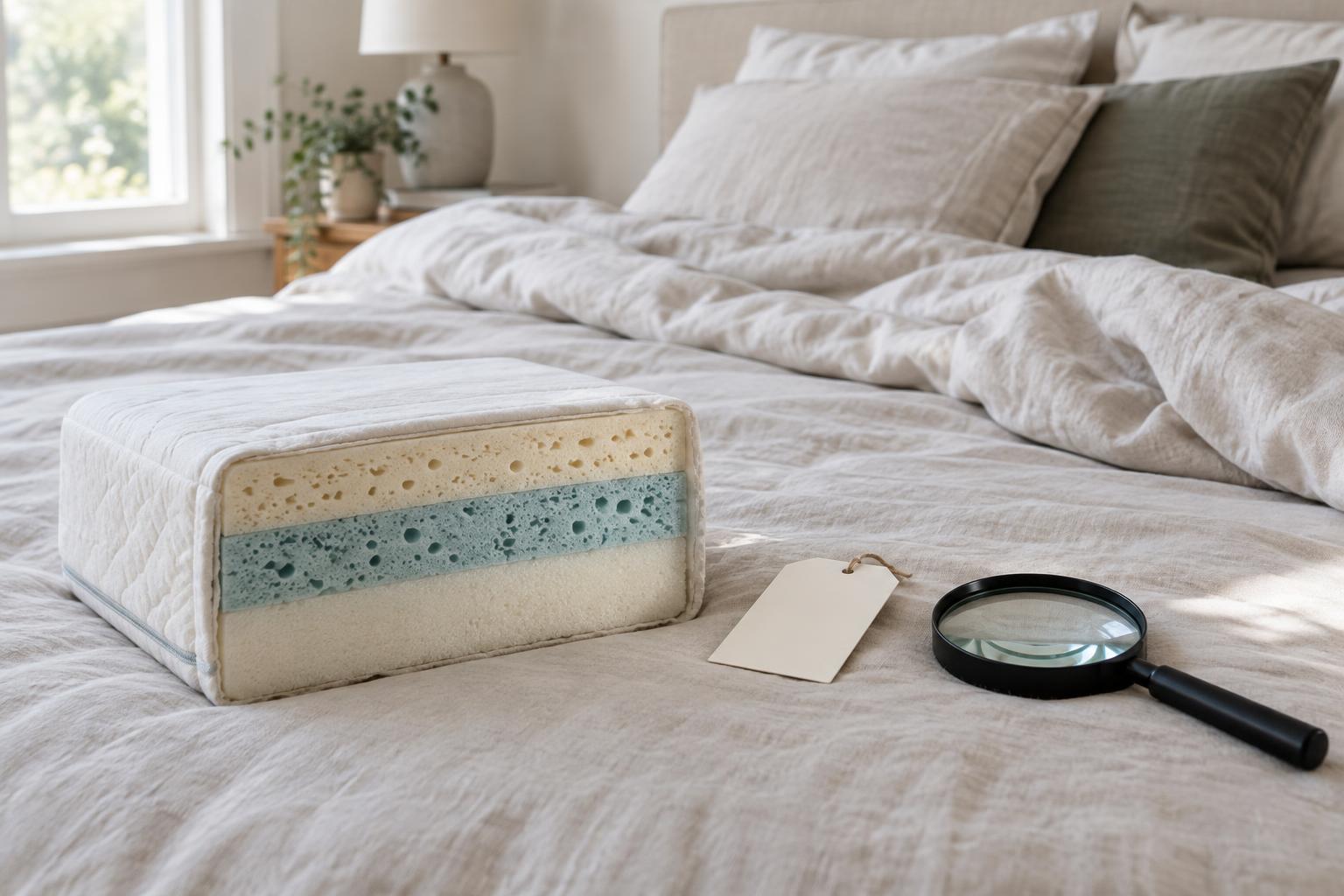
A cover is only one part of the construction. Foam, latex, springs and any padding or fire barrier beneath the fabric usually have a greater effect on overall support and durability. When comparing mattresses, treat cover descriptions as clues about the surface feel rather than proof of how the whole bed will perform.
Knit fabrics: stretch and a close fit
Knit fabrics are made from interlocking loops of yarn. Those loops typically give the fabric some stretch, allowing a cover to follow the shape of the mattress and move as the comfort layers compress. Knits are common on mattresses designed to put sleepers close to the feel of foam or latex. Their texture can range from smooth and lightweight to thick and plush, depending on the yarn and construction.
Stretch is not the same as softness, and a knit label alone says little about durability. Fabric weight, yarn quality, seams and the amount of use the surface receives all matter. A knit cover can also contain different fibers, including polyester, cotton or blends. If fiber content matters to you, check the actual label rather than assuming it from the fabric's appearance.
Woven fabrics: structure and surface texture
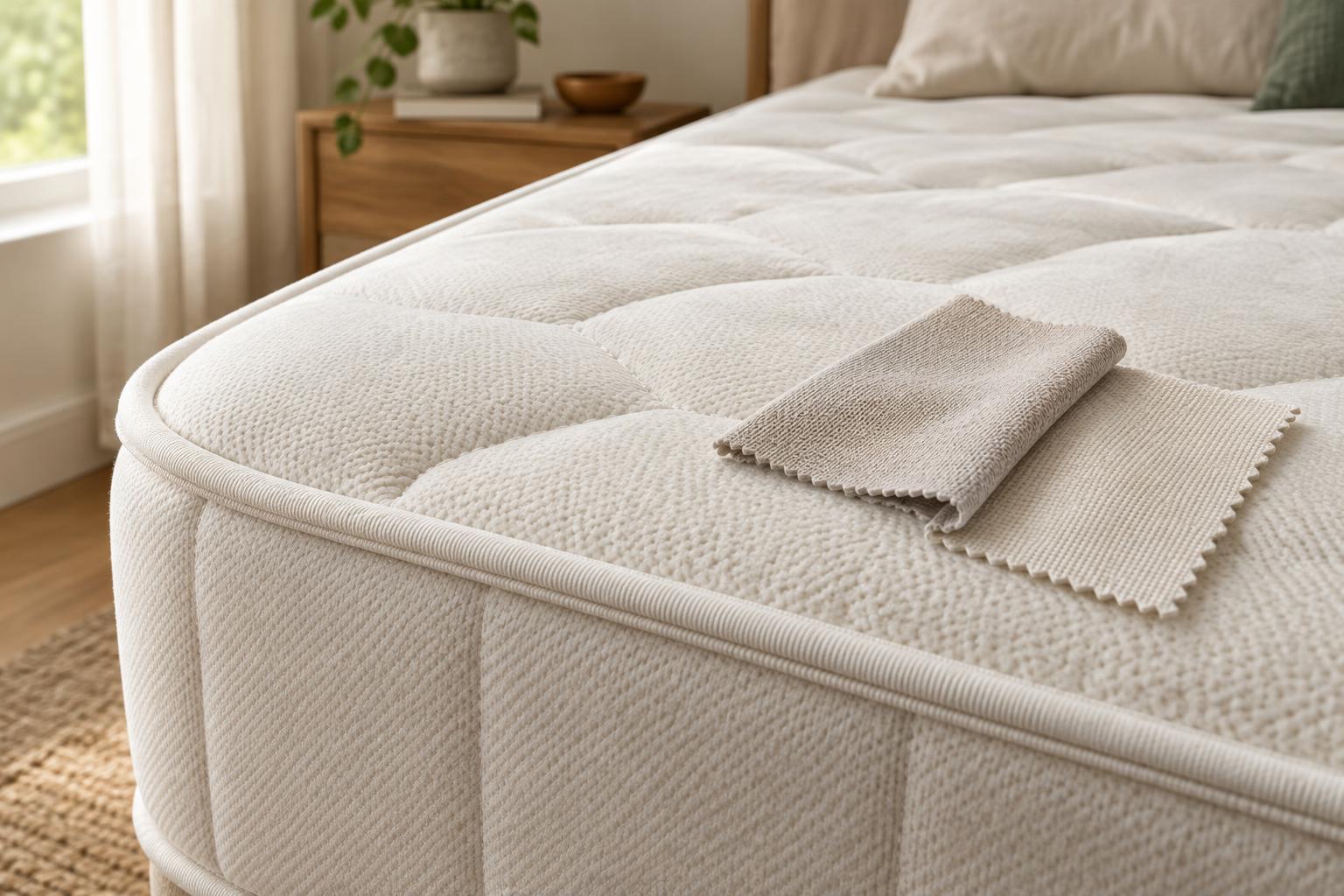
Woven fabrics are formed by crossing sets of yarns. Compared with many knits, they generally have less natural stretch and can give a mattress a more structured surface. A smooth weave may feel crisp, while a textured weave may feel more substantial. The specific fabric and any layers attached to it matter more than the word “woven” on its own.
A less stretchy surface can slightly change how readily the cushioning underneath responds to pressure. It may also hold its shape neatly around the edges of a mattress. These are tendencies, not guarantees: a thin woven cover over soft padding may feel very different from a dense woven cover pulled tightly over the same mattress. If you can try a bed in person, pay attention to the complete surface rather than judging a small fabric swatch.
What quilting adds to the feel
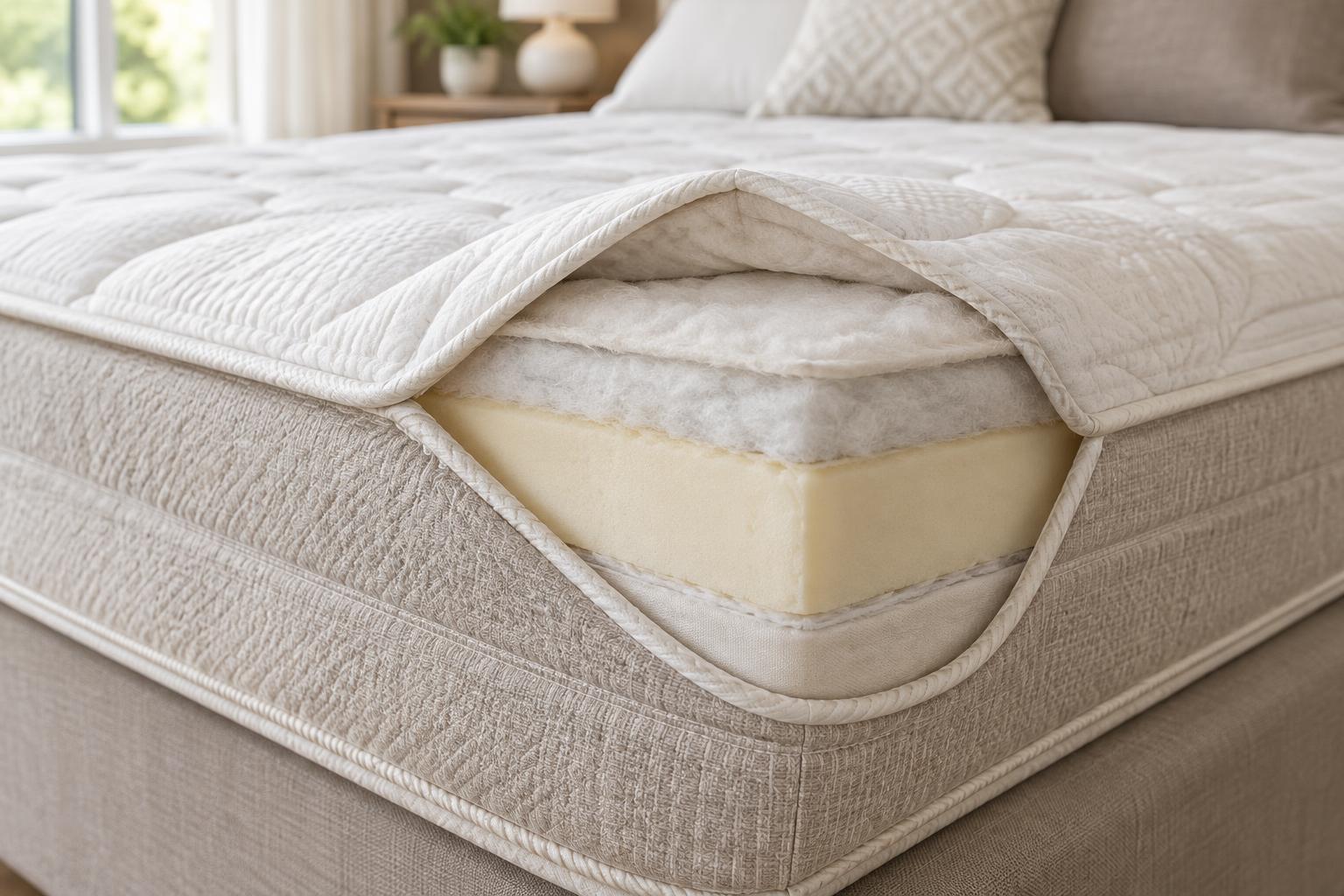
Quilting joins the outer fabric to one or more layers of padding with stitched patterns. The padding might include foam, fiber or other materials. This construction can create a cushioned top with a more distinct surface feel than a cover made of fabric alone. Stitch spacing and the type and thickness of padding influence whether the top feels lofty, firm or somewhere in between.
Quilting is a design choice, not a quality grade. Some sleepers like the gentle padding between their body and a responsive comfort layer; others prefer an unquilted cover that makes the layer beneath easier to feel. Padding can also settle or compress with use, so look beyond a plush first impression. When reading a product description, distinguish the cover fabric from the material quilted into it: they are not necessarily the same thing.
How to compare covers and care for them
Start with the construction details you can verify. Is the cover knit or woven? Is it quilted, and with what material? Does it stretch across the sleeping surface? Look for clear information about fiber content, padding and care. Claims such as “cooling” or “breathable” are most useful when they identify a feature you can assess; a cover alone cannot determine whether an entire mattress will feel cool to you.
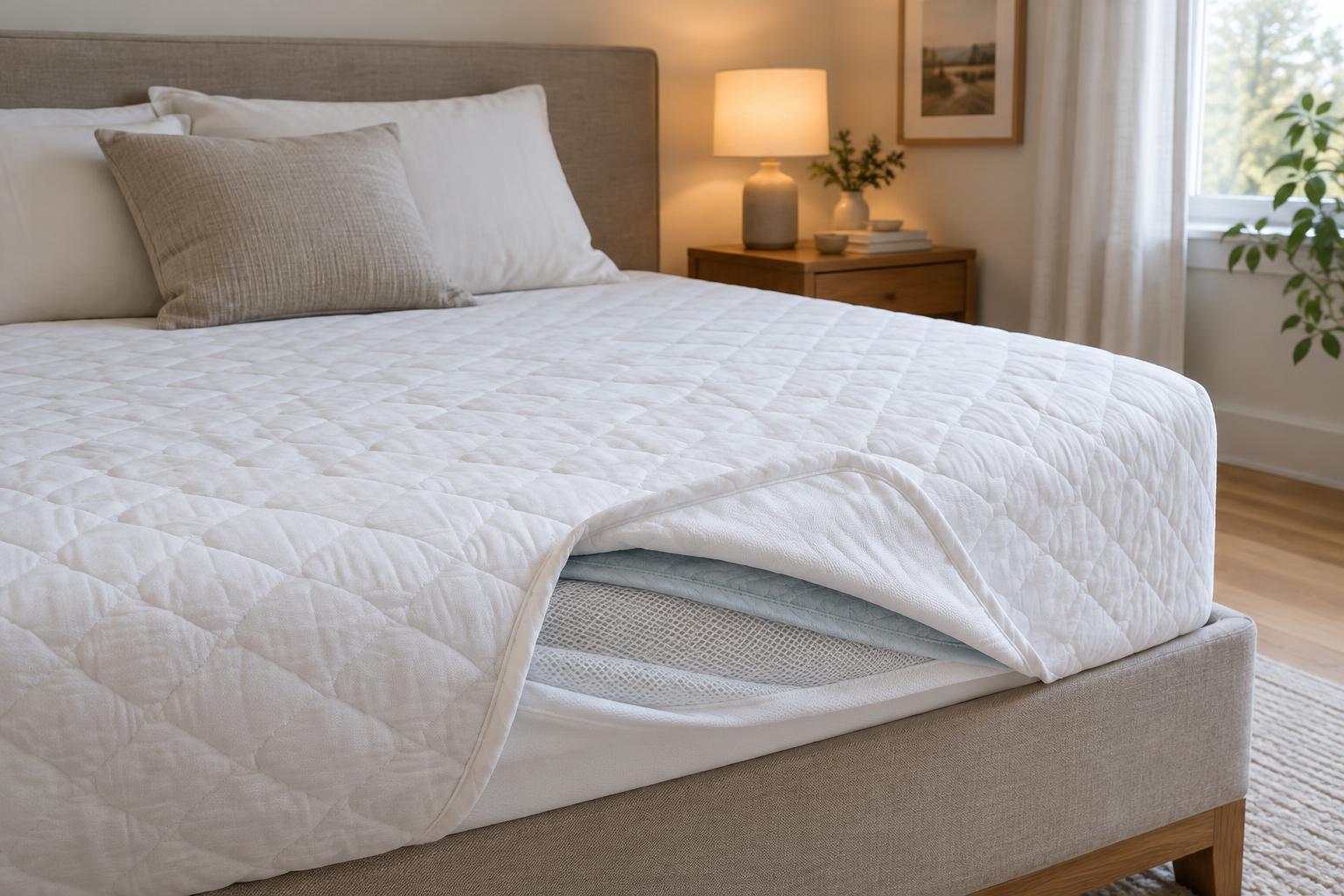
Do not assume a zippered cover is meant to be removed or machine-washed. Some mattress covers are part of a construction that includes a fire barrier, and removing them may conflict with the manufacturer's instructions. Follow the care label for your specific mattress. For everyday protection, a separate washable mattress protector can help manage spills and surface dirt while leaving the original cover in place. Choose one that fits securely and does not noticeably change the feel you selected.