Why wool blankets can felt in the wash
A wool blanket can become denser, smaller and less flexible when its fibers move against one another during washing. This change, called felting, is difficult to reverse. Agitation is a major risk, especially when it is combined with heat or a sudden change in water temperature. A gentle wash therefore matters more than a powerful clean.
Not every wool blanket has the same care requirements. Fiber blends, weave, finishes, dyes and construction can affect what a blanket will tolerate. A blanket labeled machine washable may have been made or treated for that purpose; an older or loosely woven blanket may need more caution. Start with the sewn-in care label rather than assuming that one method suits all wool.
Decide whether the whole blanket needs washing
Wool blankets do not necessarily need a full wash after every use. Shaking out loose debris and airing the blanket in a dry, shaded place may be enough between washes. If there is a small mark, try spot cleaning first. Blot up any spill promptly, then use a cloth dampened with cool water and, if needed, a little detergent suitable for wool. Dab rather than rub, and test an inconspicuous area before treating a visible spot.
Read the label before getting the entire blanket wet. If it says dry clean only, following that direction is the lower-risk choice, particularly for a valued, vintage or heavily structured blanket. If the label is missing and you cannot identify the fabric or finish, consider professional cleaning instead of experimenting with a full wash. Check for loose seams or weak areas, too: water makes a large blanket heavy and can put strain on damaged fabric.
How to hand-wash a wool blanket
Hand washing gives you control over movement, but it requires a basin or tub large enough for the blanket to sit without being packed tightly. Fill it with cool water and add the amount of wool-friendly detergent specified on its packaging. Avoid bleach, harsh cleaners and more detergent than necessary; excess suds can be hard to rinse away. Submerge the blanket and press it gently through the water. Do not scrub, twist or knead it.
Drain the soapy water and refill with cool water at a similar temperature. Gently press the blanket to release detergent, repeating with fresh water if needed. To remove water, press the blanket against the side or bottom of the tub rather than wringing it. Support its weight with both hands when lifting it out. For a large blanket, a second person can help prevent stretching.
When a machine wash is appropriate
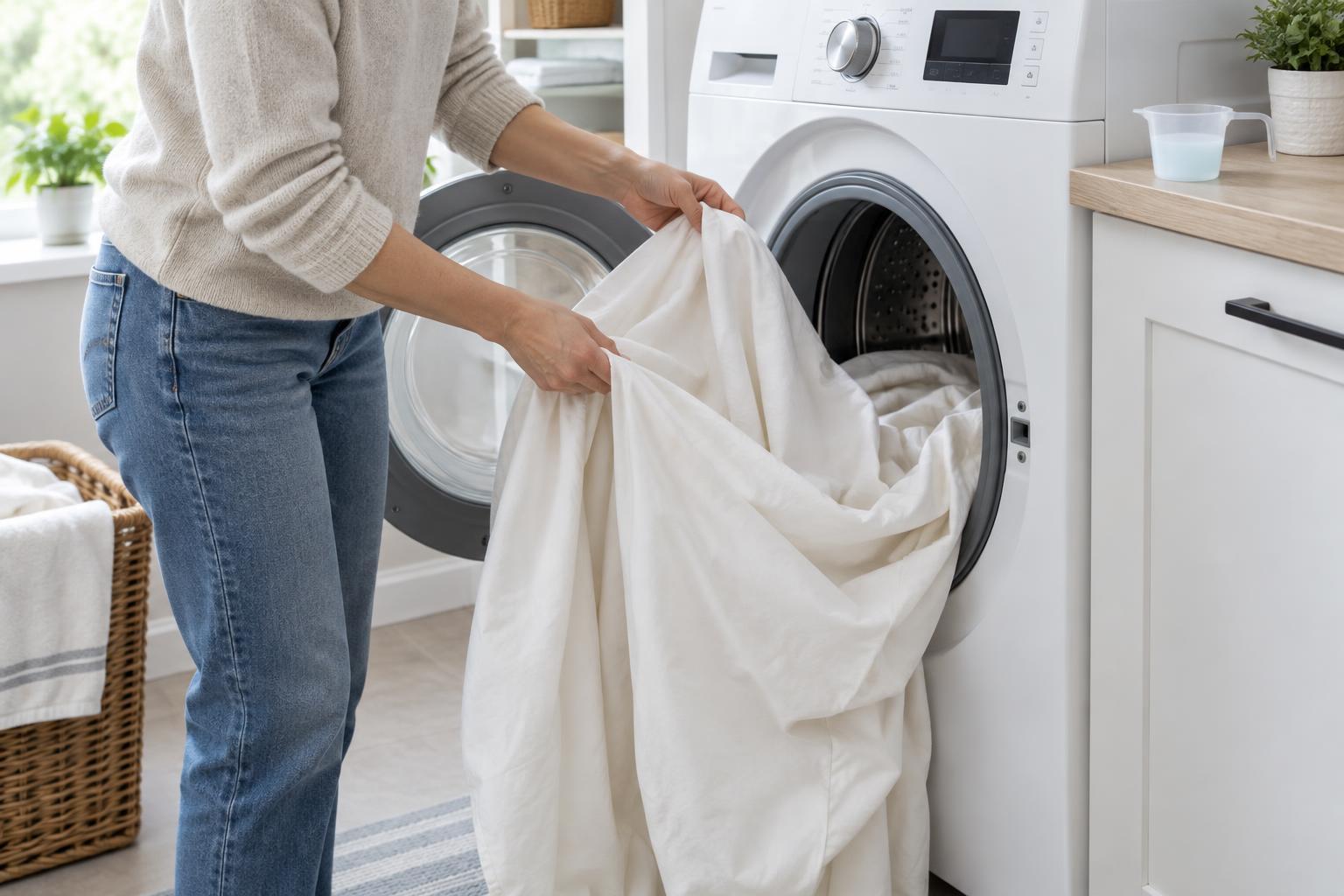
Use a washing machine only if the care label permits it and the blanket fits with room to move. An overcrowded drum can wash unevenly, while a blanket that is too large for the machine can be difficult to handle when wet. Select the wool or delicate cycle, cool water and the gentlest spin setting available. Add a wool-suitable detergent according to its directions, and wash the blanket separately so zippers, fasteners or rough fabrics cannot catch it.
Even a gentle machine cycle involves more movement than careful hand washing. If a washable blanket is especially important to you, or you are unsure how your machine's wool cycle behaves, hand washing may feel like the safer option. Remove the blanket promptly when the cycle ends; leaving it bunched up and damp can slow drying and encourage musty odors.
Dry it flat and store it only when fully dry
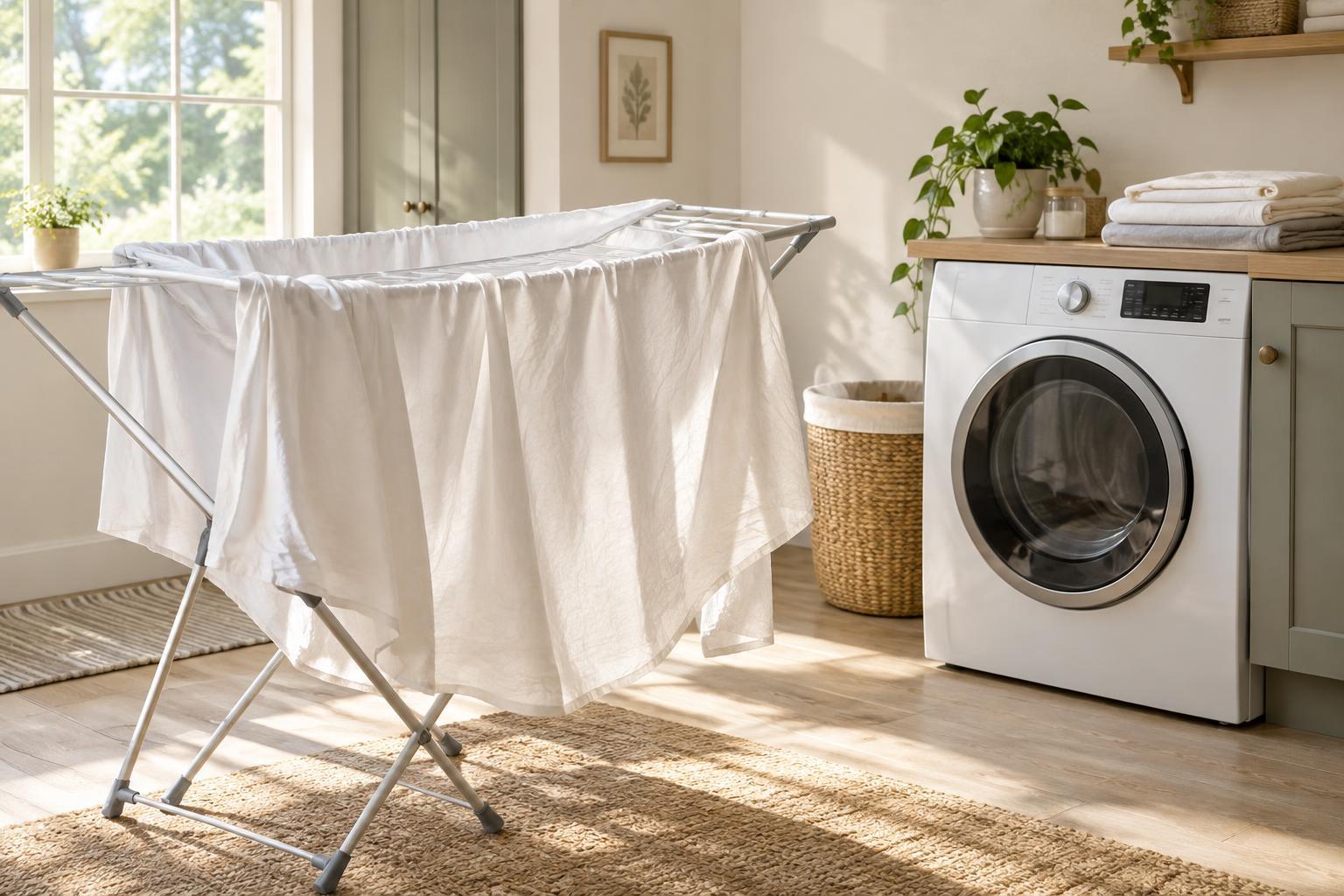
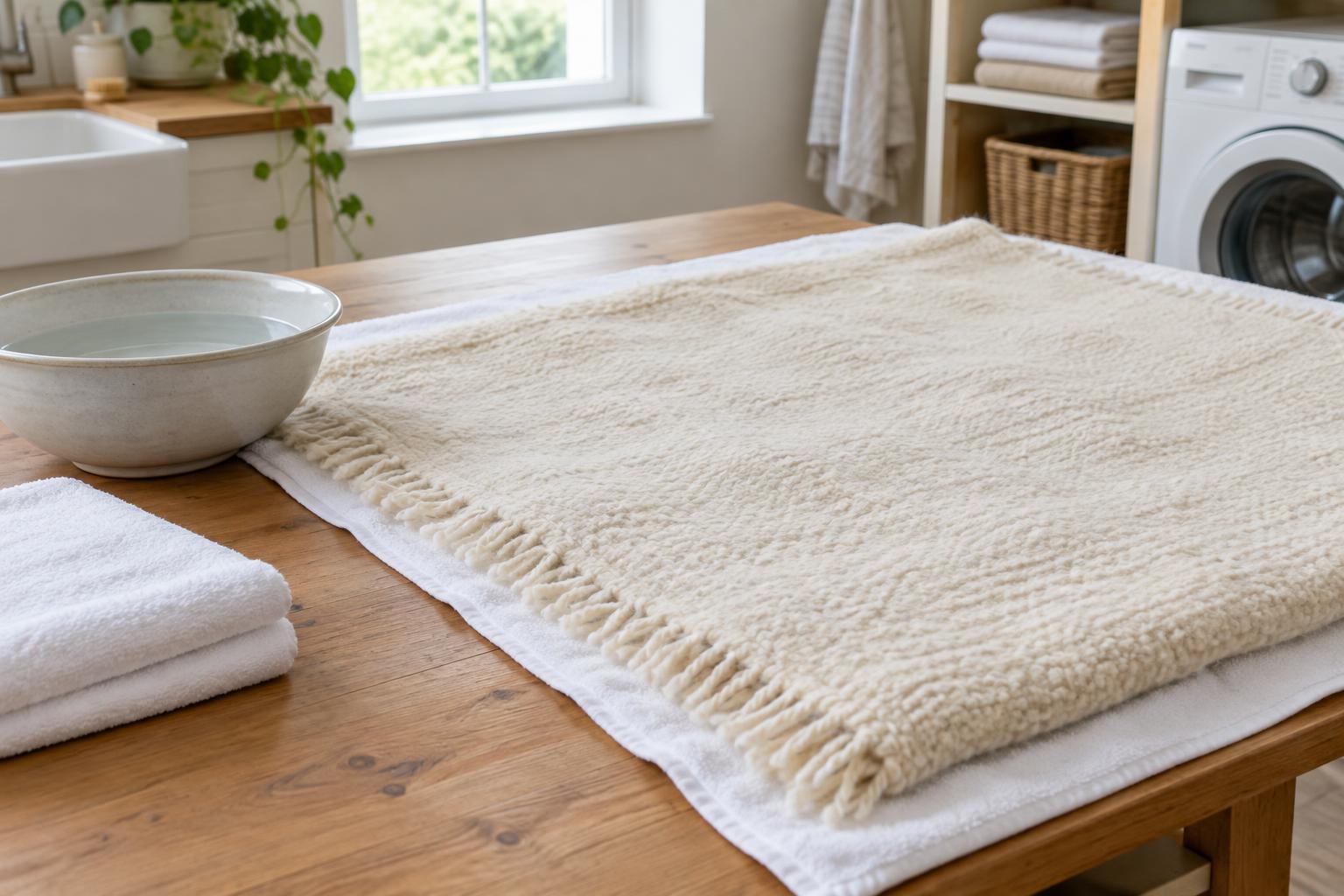
Unless the care label explicitly allows tumble drying, skip the dryer. Lay the blanket flat on clean, dry towels or a suitable drying rack that supports its full width. Gently ease it back into shape without pulling hard on the edges. Keep it away from radiators and strong direct sunlight, which can create uneven drying or affect some colors. Turn it over and replace damp towels as needed so both sides can dry.
Drying may take time, especially for a thick blanket. Before folding it, feel the middle and any dense hems for lingering dampness. Store it clean and completely dry in a breathable bag or container in a dry space. The simplest way to reduce felting risk over the blanket's life is to wash only when needed, follow its label and handle it gently from the first soak through the final dry.