What thread count actually measures
Thread count is the number of threads woven across one square inch of fabric, counting threads running lengthwise and crosswise. It can be a useful description when you are comparing sheets made with similar fibers and construction. It is not, however, a score for softness, durability or overall quality.
The number can also be presented in different ways. Some makers count the individual strands twisted together to make a multi-ply yarn, which can produce a higher advertised figure without necessarily making the sheet feel better. If a listing emphasizes a very high thread count but says little about the fiber or weave, treat the number as a reason to ask more questions rather than as a reason to buy.
Why a higher number is not always more comfortable
Packing more threads into a fabric may change its feel and weight, but comfort depends on more than density. The quality and thickness of the yarn, how the fabric is woven, and the finishing applied to it all affect the result. Two cotton sheets with the same stated thread count can feel noticeably different.
A denser sheet may appeal to someone who likes a smooth, substantial feel. Someone who prefers a light, airy sheet may be happier with a less densely woven option. Neither preference is more correct: the useful question is how the sheet feels in your bedroom, on your mattress and against your skin. Thread count alone cannot predict that.
It is especially unhelpful to compare thread counts across unlike fabrics. Linen, jersey knit, flannel and many blends are made differently from standard woven cotton sheets. A number that helps describe one type of sheet may say little about another.
Start with fiber and weave
Fiber is a better first filter than thread count. Cotton is widely available in different weights and finishes. Linen often has a more textured feel and tends to soften with use. Synthetic fibers and blends can offer different combinations of smoothness, price and ease of care. Check the actual fiber-content label rather than relying on a product name that suggests a particular feel.
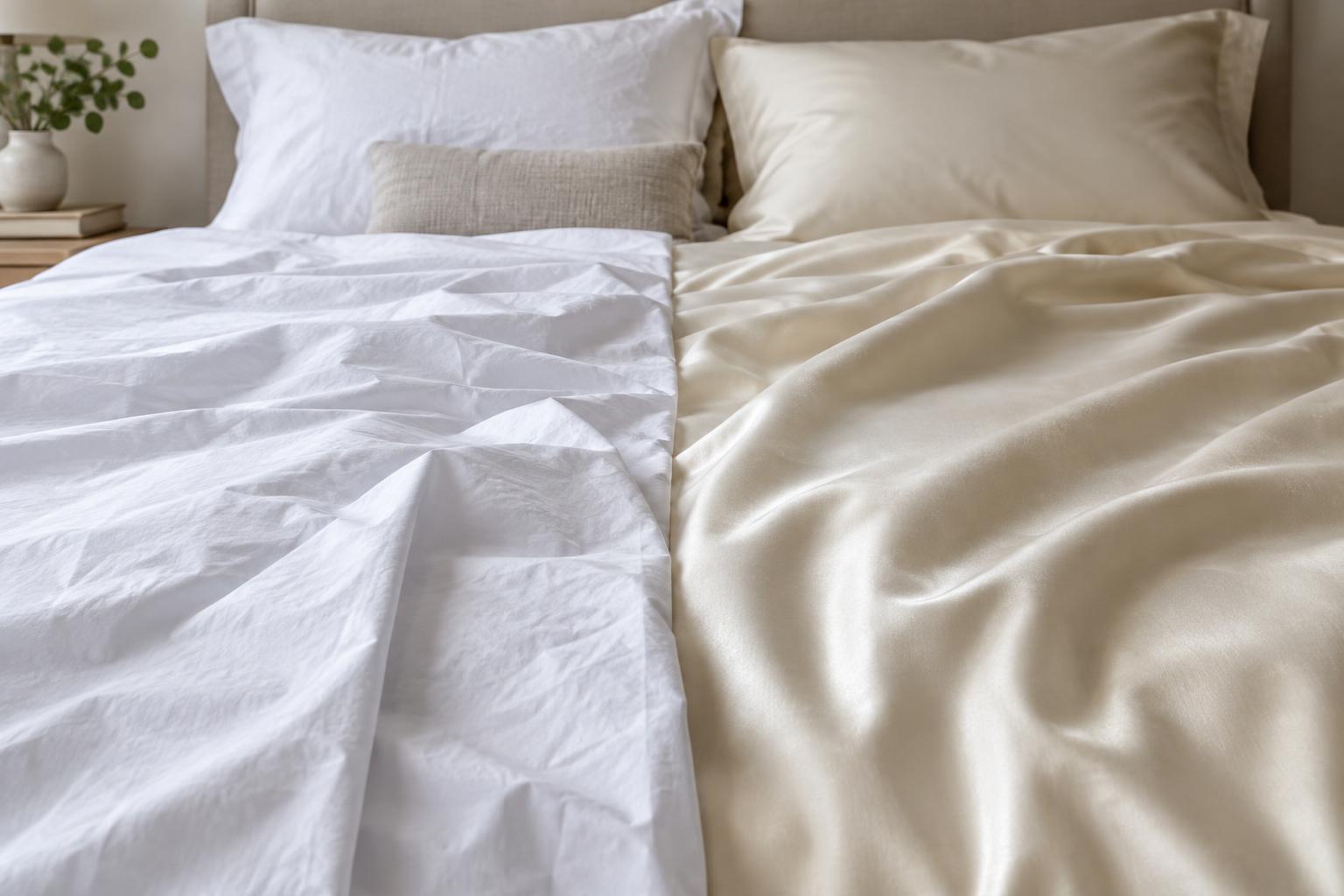
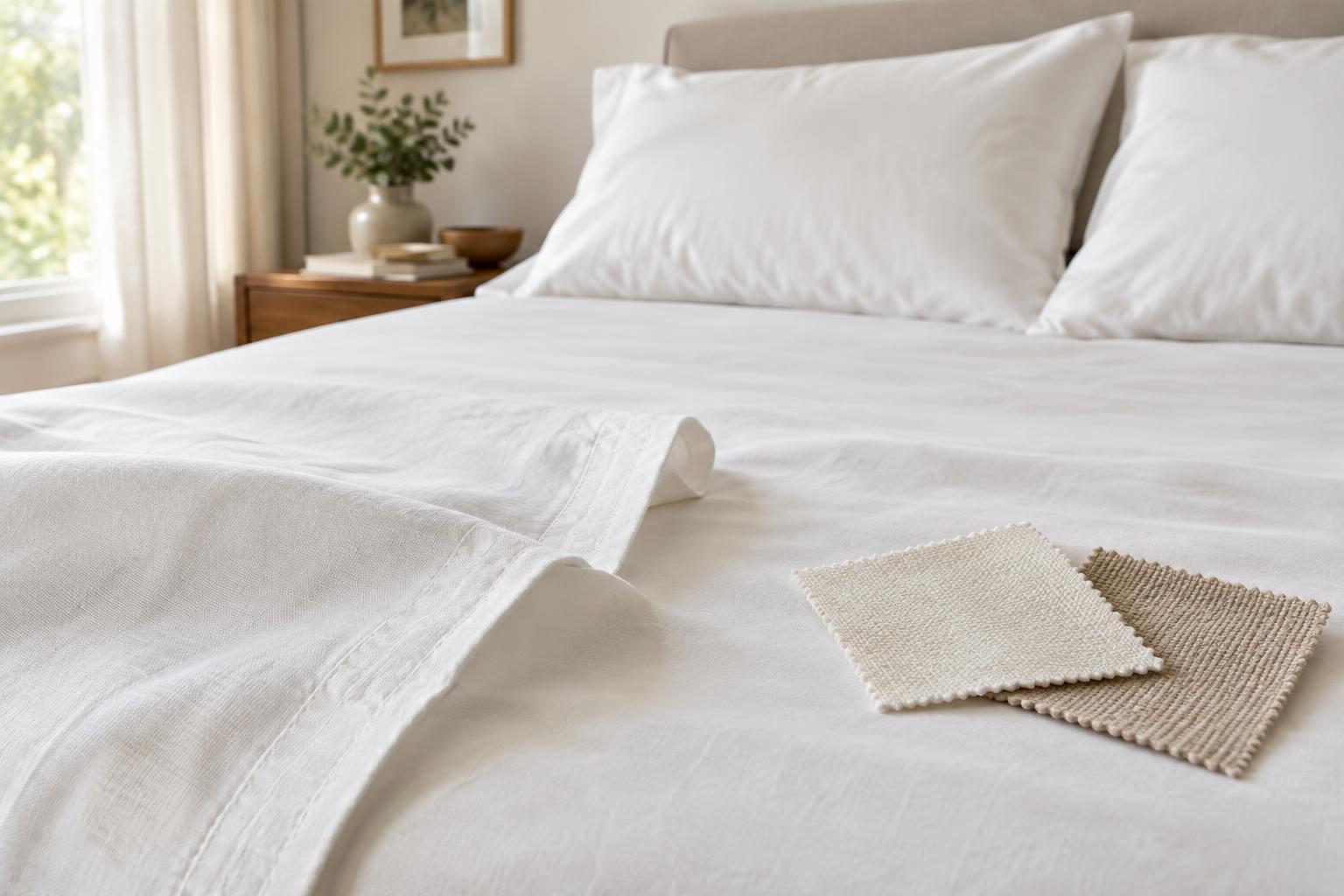
For woven cotton, consider the weave next. Percale typically has a crisp, matte feel that suits people who like sheets that feel light and fresh. Sateen is usually smoother and has a subtle sheen, with a softer drape. Those are useful starting points, not guarantees: yarn and finishing still matter. If you can feel a sample, notice whether it feels pleasantly crisp or stiff, and comfortably smooth or too slippery for your taste.
Other fabrics may meet a preference better than either weave. Flannel offers a brushed, cozy surface, while jersey has the stretch and casual feel of a knit. Choosing among them by texture and intended use will usually tell you more than comparing numbers on their packaging.
Check the details that affect everyday use
Even appealing fabric can be frustrating if the fitted sheet slips off. Measure your mattress, including any topper, and compare its depth with the fitted sheet’s stated pocket depth. Look at the elastic and construction as well as the dimensions. For flat sheets and pillowcases, check the measurements against your bed and pillows rather than assuming every set labeled for the same size will fit alike.
Read the care label before buying. A sheet that needs more careful laundering than you are willing to do is unlikely to be a satisfying choice. Product descriptions may mention features such as wrinkle resistance or a washed finish; consider whether those features matter to you, but do not assume they reveal how the fabric will feel after repeated washing. Clear return terms are helpful when you cannot inspect the sheets in person.
A practical way to use thread count
Think of thread count as one specification to consider after you have chosen a fiber and a likely weave. When comparing two otherwise similar woven cotton sheets, the number may offer a clue about how densely they are made. It should not override a preferred texture, an accurate fit, straightforward care or a price that makes sense for you.
For an online purchase, look for a complete fiber description, weave, dimensions and washing instructions. For an in-store purchase, handle the fabric if possible and compare it with sheets you already enjoy using. The best sheet is not the one with the biggest number on the label; it is the one whose feel and practical details suit the way you sleep and care for your bedding.