The difference starts with how you use them
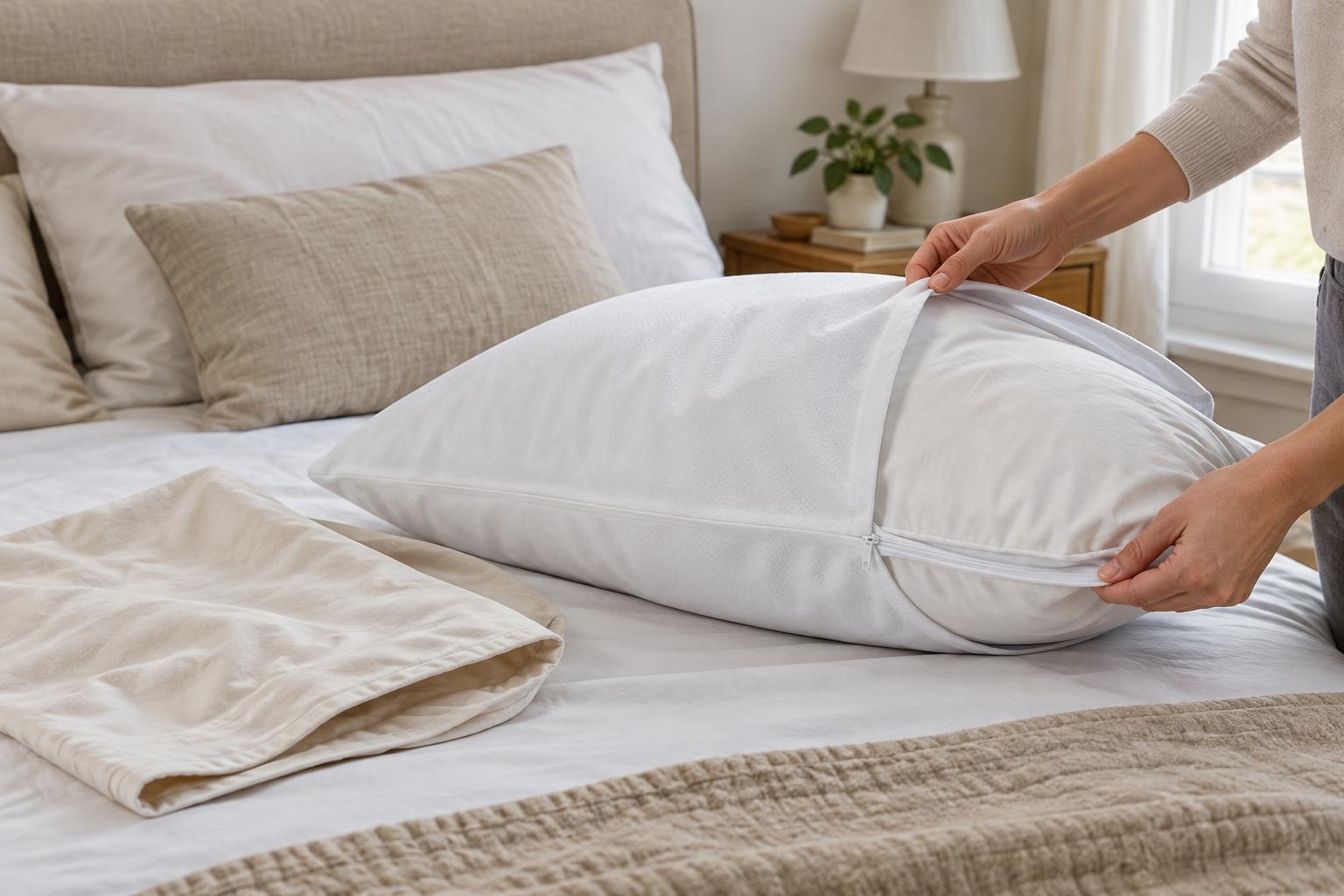
A pillowcase is a removable cover intended for a pillow you sleep on. It protects the pillow from everyday contact and provides the surface your face and hair touch. Most pillowcases have an open end, sometimes with an inner flap that helps keep the pillow from showing.
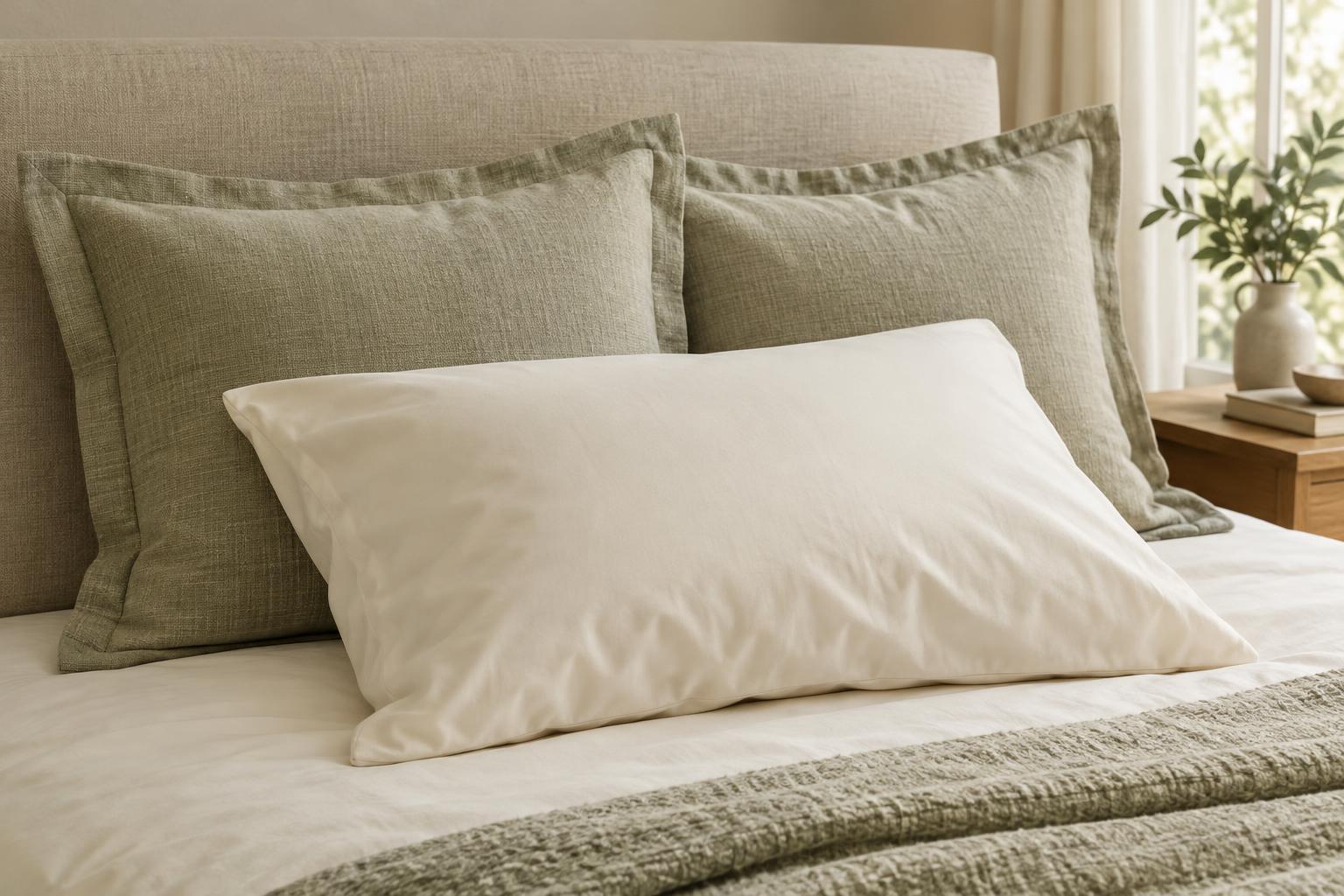
A pillow sham is typically a decorative cover for a pillow displayed on a made bed. Shams often have an envelope opening on the back, a border around the edges, or details such as piping and embroidery. These features can make a bed look finished, but they are not necessary for sleep. There is no strict rule against sleeping on a sham; its fabric, trim and ease of washing matter more than its label.
Choose a sleep surface by feel and upkeep
For a pillow you use nightly, prioritize a fabric you find comfortable against your skin. Cotton is a common choice with a familiar feel, while linen can feel textured and relaxed. Smooth weaves may feel different from crisp ones even when both are made from cotton. Fabric names and thread-count claims alone cannot tell you how a cover will feel, so check the weave, finish and care label when comparing options.
Think about how often you will wash the cover, too. A straightforward pillowcase with a durable seam and an opening that holds the pillow securely is usually convenient for regular changes. If you want a cleaner-looking edge without decorative trim, an envelope-style pillowcase can offer it. Keep in mind that fabric treatments, dyes and finishes may affect how a cover feels after laundering.
Use shams to build the look of the bed
A sham lets you add color, pattern or texture without committing your nightly pillowcase to those choices. You might place shams in front of sleeping pillows for a simple layered look, then move them aside at bedtime. This keeps embellishments such as buttons or raised stitching away from where you rest your head.
Consider both the cover and what goes inside it. A decorative insert can give a sham a fuller appearance, while a regular pillow may create a softer, more casual shape. If you prefer fewer items to arrange each morning, one pair of shams may be enough—or you may decide that ordinary pillowcases suit your room better. Shams are optional, not a requirement for a complete bed.
Check size, closure and construction before buying
Start with the dimensions of your actual pillows and the measurements listed for the covers. Terms such as standard, queen, king and Euro are useful guides, but dimensions can vary between products. Euro shams are commonly made for square inserts rather than the rectangular pillows used for sleep. A sham’s flange, or flat border, may add to its overall dimensions without adding space for the insert.
Look at the opening as carefully as the front. A back-envelope closure hides the insert when the sham is displayed, but it should have enough overlap to stay closed. Zippers and buttons can create a tidy finish, though their placement may make a cover less appealing for sleeping. Check seams, trim and fabric weight if you expect to remove and wash the cover frequently.
Put together a practical bedding setup
If you are buying only one type of cover, start with pillowcases for every pillow used for sleep. Choose the right fit and a fabric you are willing to launder regularly. Add shams if you want a decorative layer, and check their care instructions before choosing delicate fabrics or elaborate details. A washable sham may be more practical if it will be handled often.
You can also use the same color across cases and shams for a quiet look, or vary their textures for contrast. The simplest test is whether the arrangement works in daily life: the pillows you sleep on should be easy to uncover, comfortable to use and straightforward to keep clean. Let decoration support that routine rather than complicate it.