Start with what the label is describing
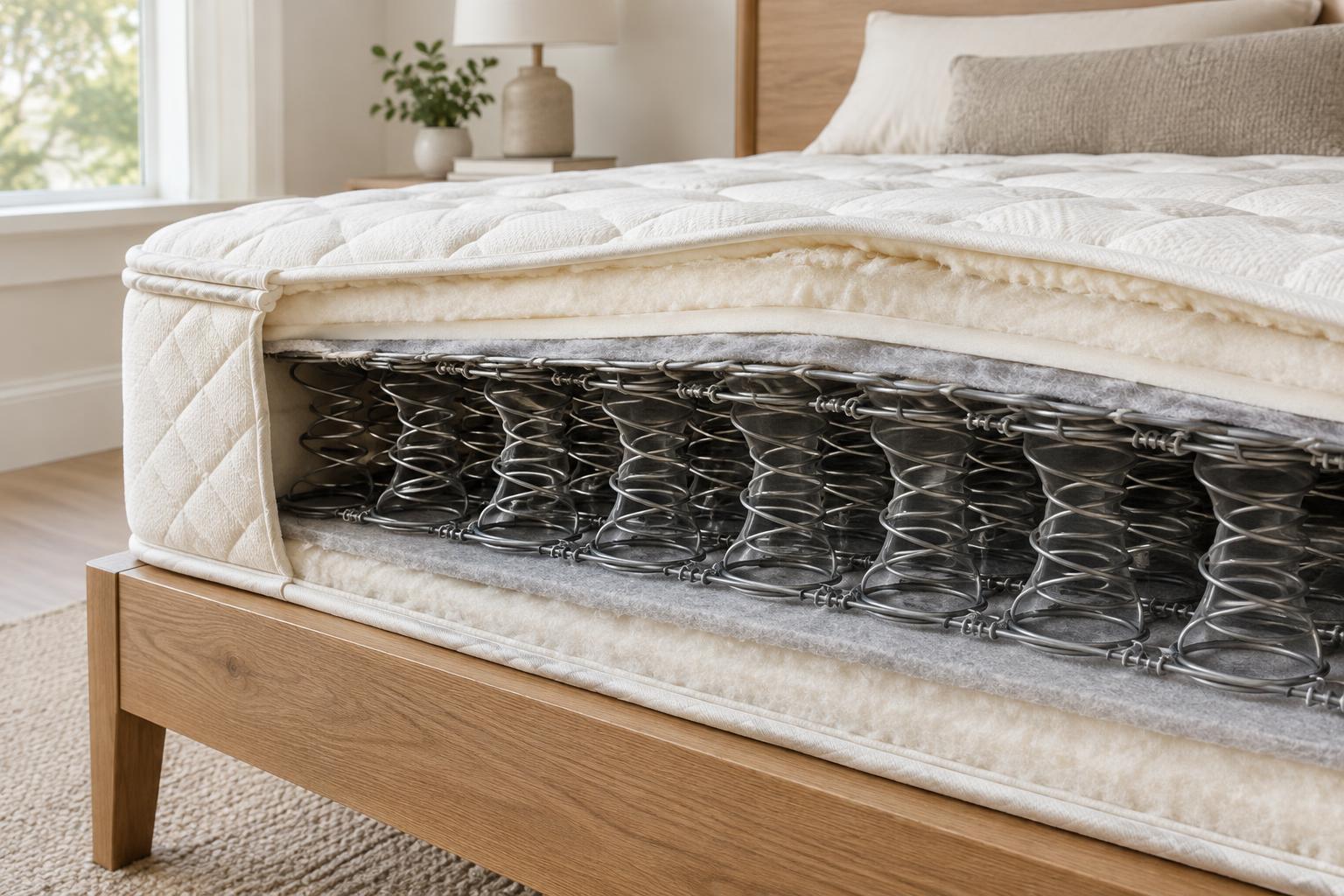
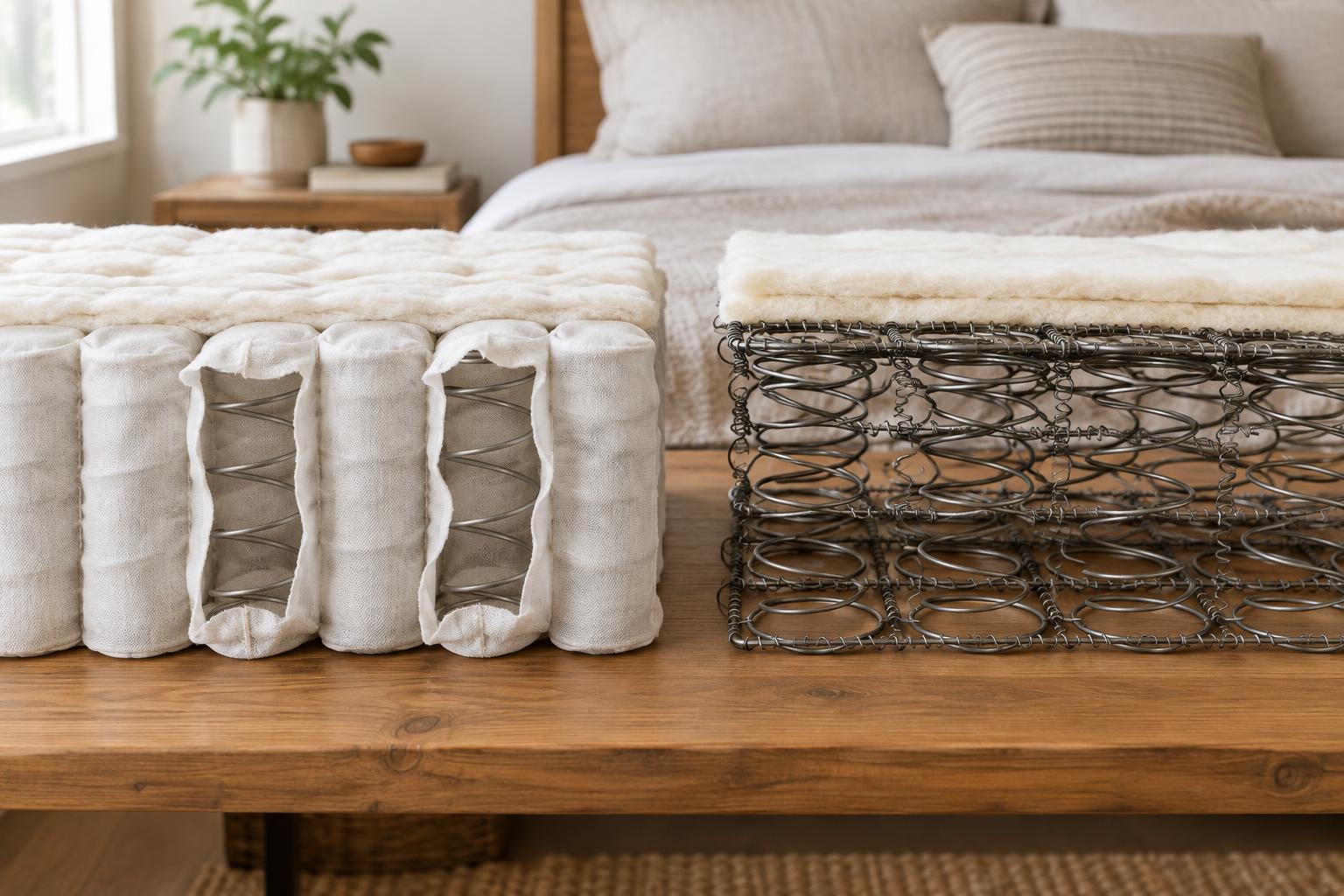
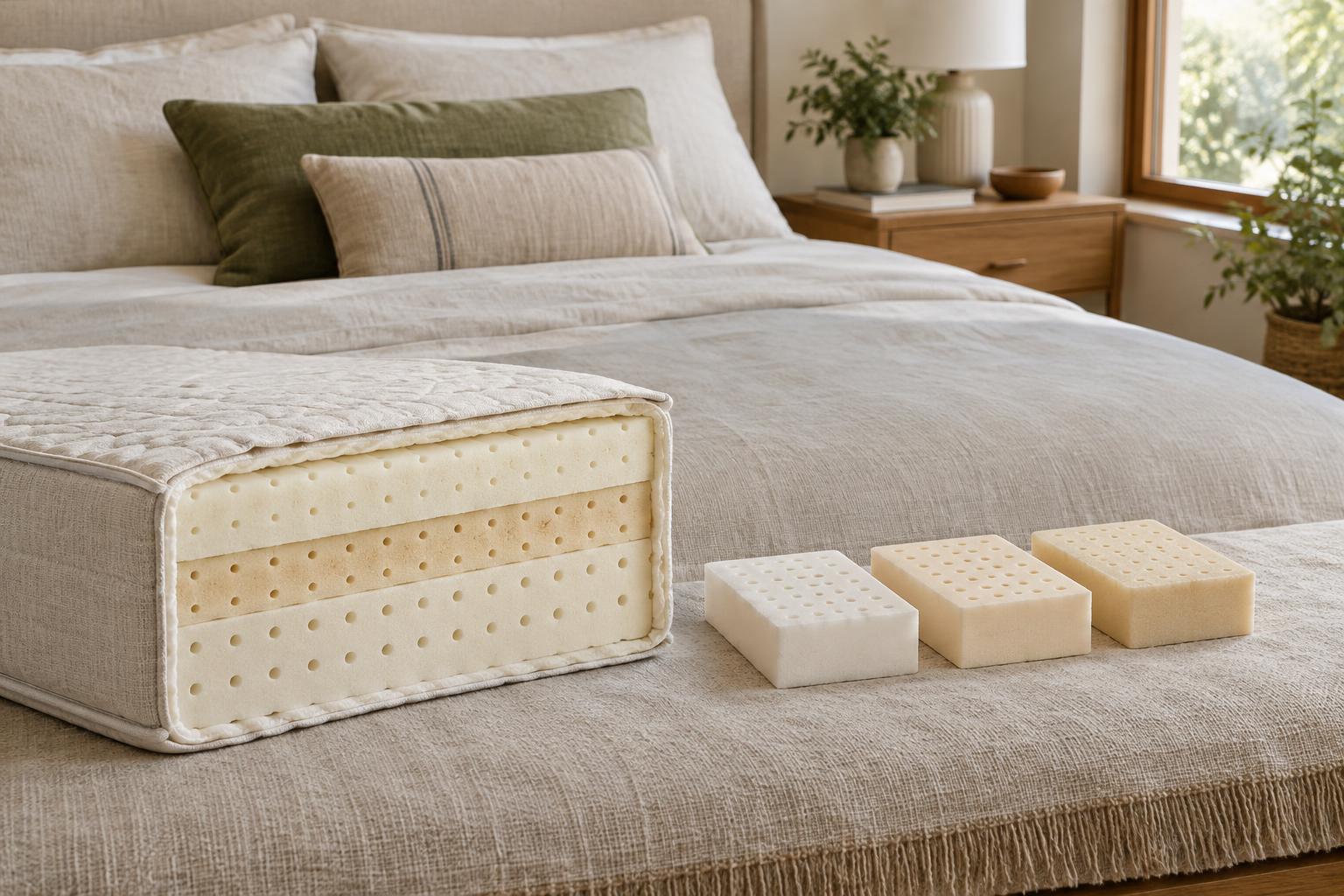
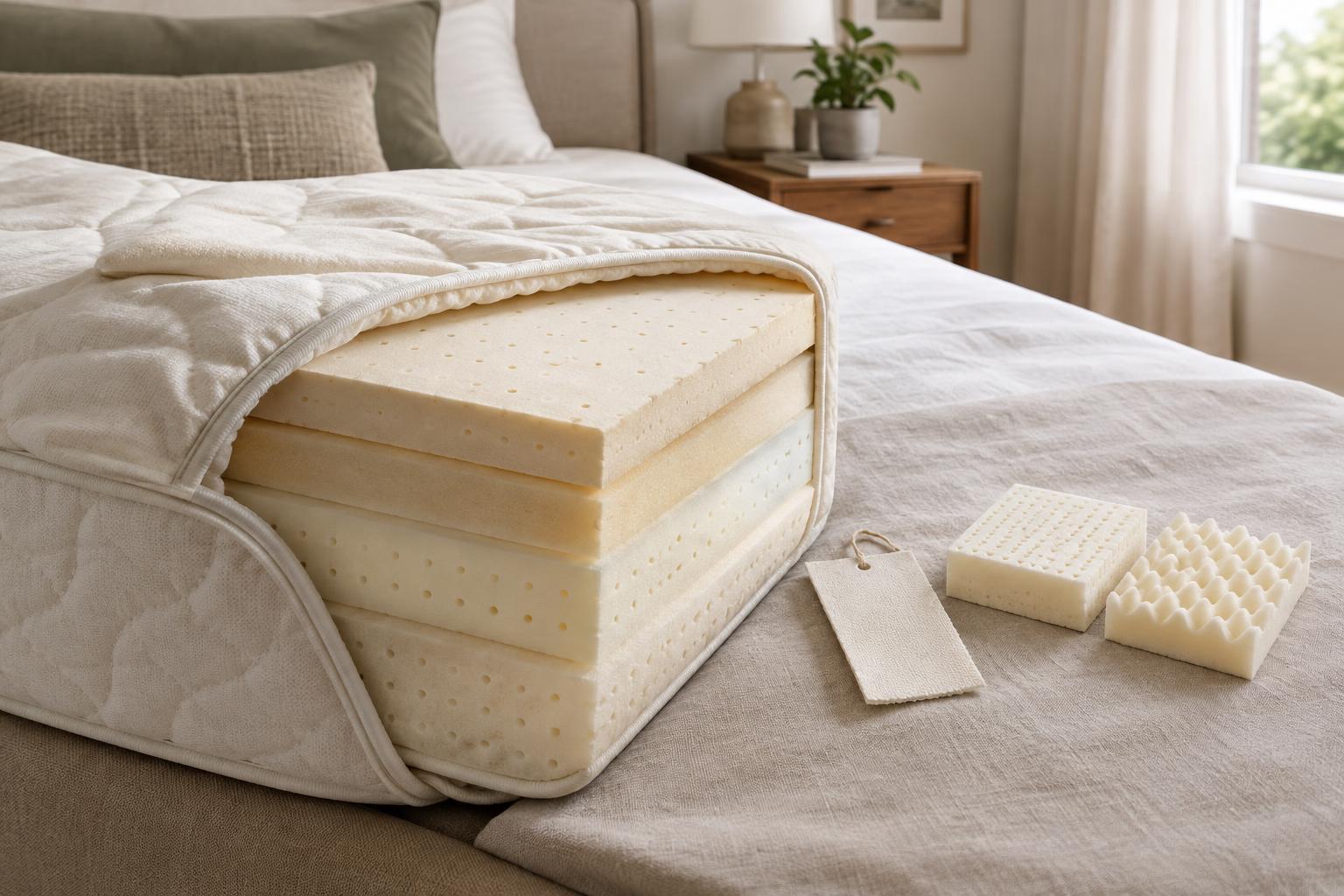
A latex mattress is rarely one uniform block of material. It may contain several latex layers, a different type of foam, a fabric cover, wool or other padding, and adhesives. When a product page says “natural latex mattress,” first ask whether that description applies to every foam layer, only the comfort layer, or the mattress as a whole.
Look for a component list that names each layer from top to bottom, including its material and thickness. If the seller describes only the surface layer, you do not yet know what provides most of the bed’s depth and support. A clear layer breakdown makes it easier to compare two mattresses that share a prominent label but use different constructions.
Separate latex content from marketing terms
Natural latex foam is made using latex from rubber trees. Synthetic latex is made from manufactured polymers, while blended latex combines natural and synthetic latex. These descriptions concern the foam’s latex content; they do not describe the cover, other fillings or the entire finished mattress. If a listing says “latex blend,” ask what is blended and whether the stated proportions refer to the latex foam rather than the whole bed.
Terms such as “all latex” and “100% natural latex” need context. “All latex” may mean that the mattress’s main foam layers are latex, not that every component is latex. “100% natural latex” may describe a particular layer. Ask the seller to identify which layers meet the claim and to explain any other foam, fiber or adhesive used in the mattress.
“Organic” is a separate claim from “natural.” If organic content matters to you, look for a named certification, what material or product it covers, and enough detail to verify that the claim applies to the mattress you are considering. A certification for a cotton cover, for example, does not by itself establish that the latex layers or complete mattress are certified.
Understand what Dunlop and Talalay tell you
Dunlop and Talalay refer to ways of making latex foam, not to whether its latex content is natural, synthetic or blended. A mattress can use different content and processing combinations, so a label that says “Talalay latex” or “Dunlop latex” does not answer the ingredient question on its own.
The two processes can produce different feels, but the process name alone is not a reliable firmness rating. Layer thickness, foam formulation and the rest of the mattress also affect how a bed feels. Some mattresses use a softer latex layer near the surface and a firmer layer below it; the most useful description identifies the process and firmness of each layer separately. Treat broad claims that one process is always softer, cooler or better as prompts to ask for more detail, not as purchasing rules.
Read the layer specifications as a complete design
Thickness tells you how much of each material is present. A thin latex comfort layer over a different foam support core is a different design from a mattress built mostly from latex, even if both are advertised as latex mattresses. Check the order of the layers as well as their thickness: a firm layer buried beneath a plush top layer may not describe the feel you notice first.
Firmness labels such as soft, medium and firm are useful starting points, but they are not standardized across sellers. Some listings also give a latex layer’s indentation load deflection, often shortened to ILD, or its density. These figures add detail, yet they are most helpful when you know which layer they describe and compare products using similar measurement methods. Density is not a direct substitute for a firmness rating.
Also check for zoned layers, removable or rearrangeable layers, and the materials in the cover and quilting. Zoning may change support in selected areas, while a thick quilted cover can change how readily you feel the latex beneath it. If you plan to move or rotate the mattress, check its stated weight and care instructions rather than assuming its construction will be easy to handle.
Use a short comparison checklist
Before choosing between two latex mattresses, write down five things for each one: the materials in every layer; which latex layers are natural, synthetic or blended; whether each latex layer is Dunlop or Talalay; the thickness and firmness of each layer; and what the cover, quilting and adhesives contain. Mark anything the listing does not say so you can ask a specific question instead of guessing.
Finally, read the seller’s comfort exchange, return and warranty terms. A detailed label can help you narrow your choices, but it cannot guarantee how a mattress will feel to you. Clear construction information paired with clear purchase terms gives you a more useful basis for comparison than a single appealing material claim.