Start with the room, not the mattress
A guest-room mattress has a different job from one chosen for a single person’s nightly use. You may not know every visitor’s preferences, and the room might also serve as an office or storage space. Before comparing mattresses, decide how many people the bed needs to accommodate and how much floor space must remain usable.
Measure the room with the bed in mind, including the frame and any headboard. Leave space to open doors and drawers and to walk around the bed. If a larger mattress makes the room awkward to use, a smaller bed with clear access may be the more welcoming choice. Check the dimensions of an existing frame or foundation rather than assuming that its labeled size tells you everything about the fit.
Think about the full bed height, too. A thick mattress on a tall frame can make getting in and out less convenient for some guests, while a low setup may be difficult for others. If the room has a sofa bed, trundle, or other convertible furniture, confirm its mattress specifications before shopping; those beds can have different thickness requirements.
Choose a broadly usable feel
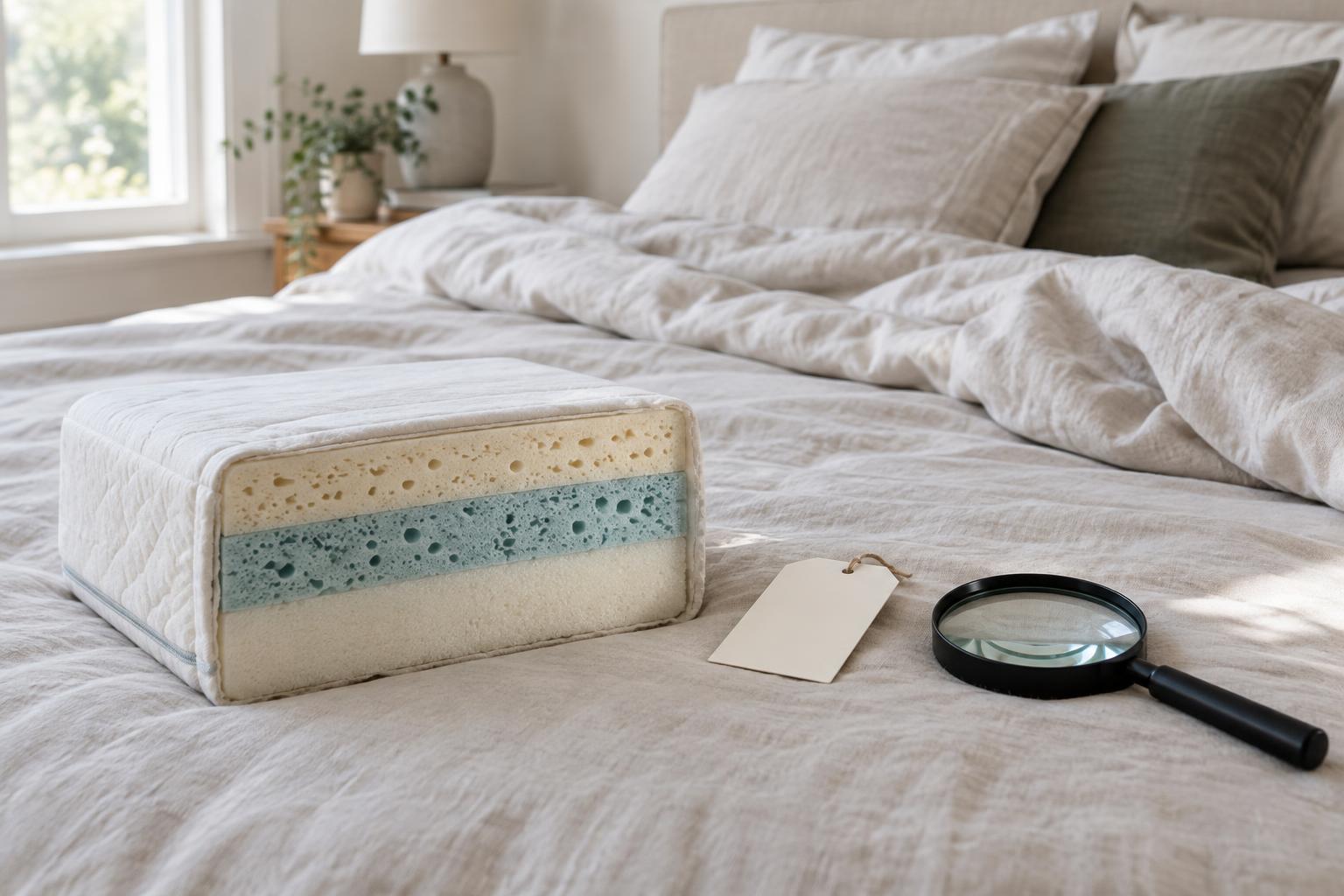
There is no firmness that suits everyone. For a guest room used by many people, a mattress described as medium or medium-firm can be a reasonable starting point, but those labels are not standardized. Read the description of the layers and, if possible, try the mattress yourself to understand what the label means for that particular model.
Look for a surface that offers some cushioning without allowing a sleeper to sink so deeply that changing position feels difficult. Pay attention to how the mattress feels near the edge, especially if guests will sit there while dressing. A stable edge can make a compact bed easier to use, though edge feel varies by construction.
Avoid treating a guest mattress as a way to solve every visitor’s sleep concern. If you regularly host someone with a known preference, that preference may matter more than broad appeal. A removable topper can sometimes make a firm surface feel softer for a particular visit, but it cannot reliably correct a mattress that lacks adequate support or has developed a lasting dip.
Compare construction with the pattern of use
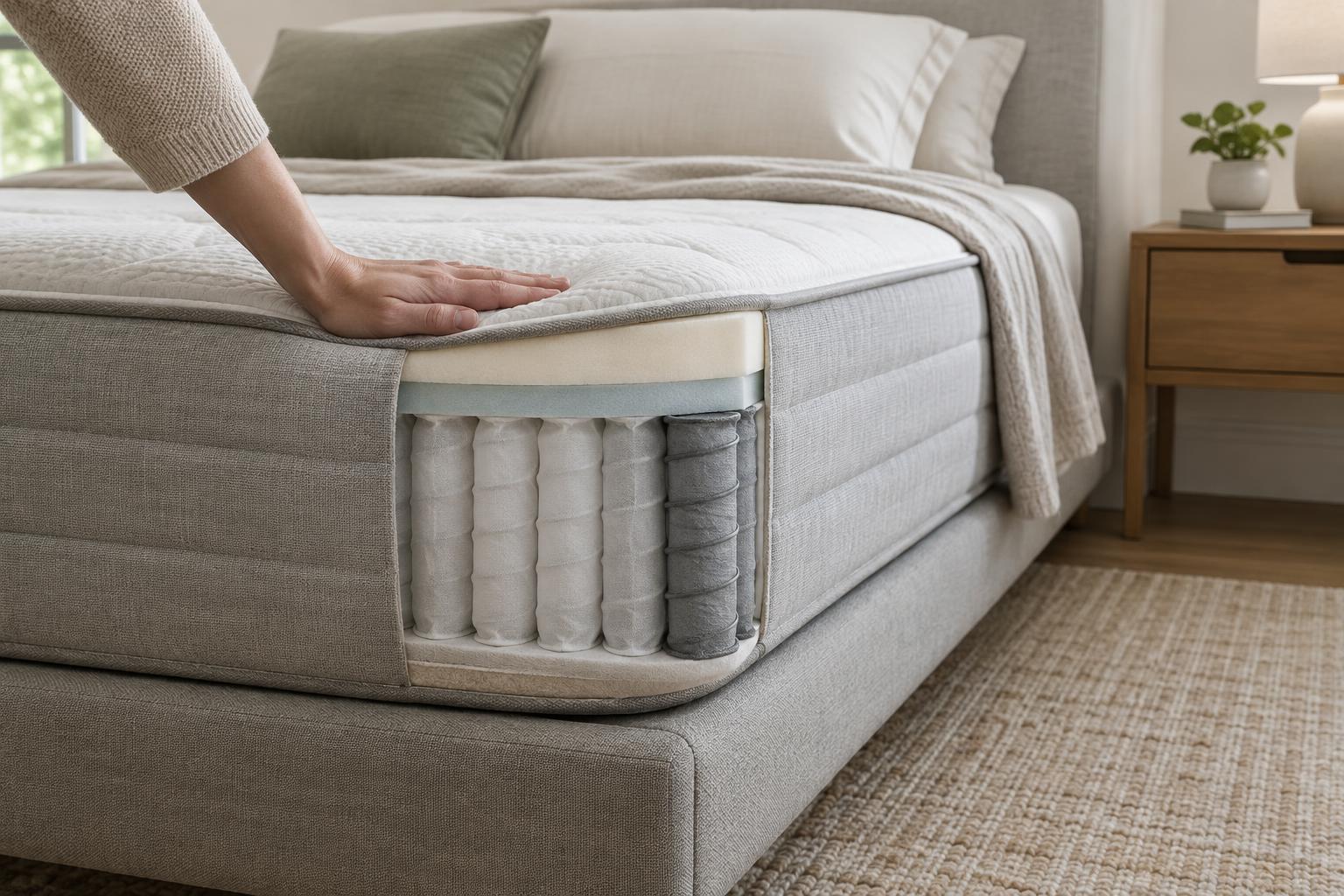
Foam, innerspring, hybrid, and latex mattresses can all work in a guest room. Rather than choosing by category alone, compare the details that affect daily use: the height and feel of the comfort layers, the support system, the weight of the mattress, and the care instructions. A mattress that is difficult to lift may be inconvenient when you change sheets or clean a room with little space around the bed.
Occasional use does not mean construction is irrelevant. A guest mattress still needs to sit on an appropriate base and retain a reasonably even surface. Check the maker’s foundation requirements, particularly for platform beds with slats or a foldaway setup. If you already own a frame, confirming compatibility before ordering can prevent a costly mismatch.
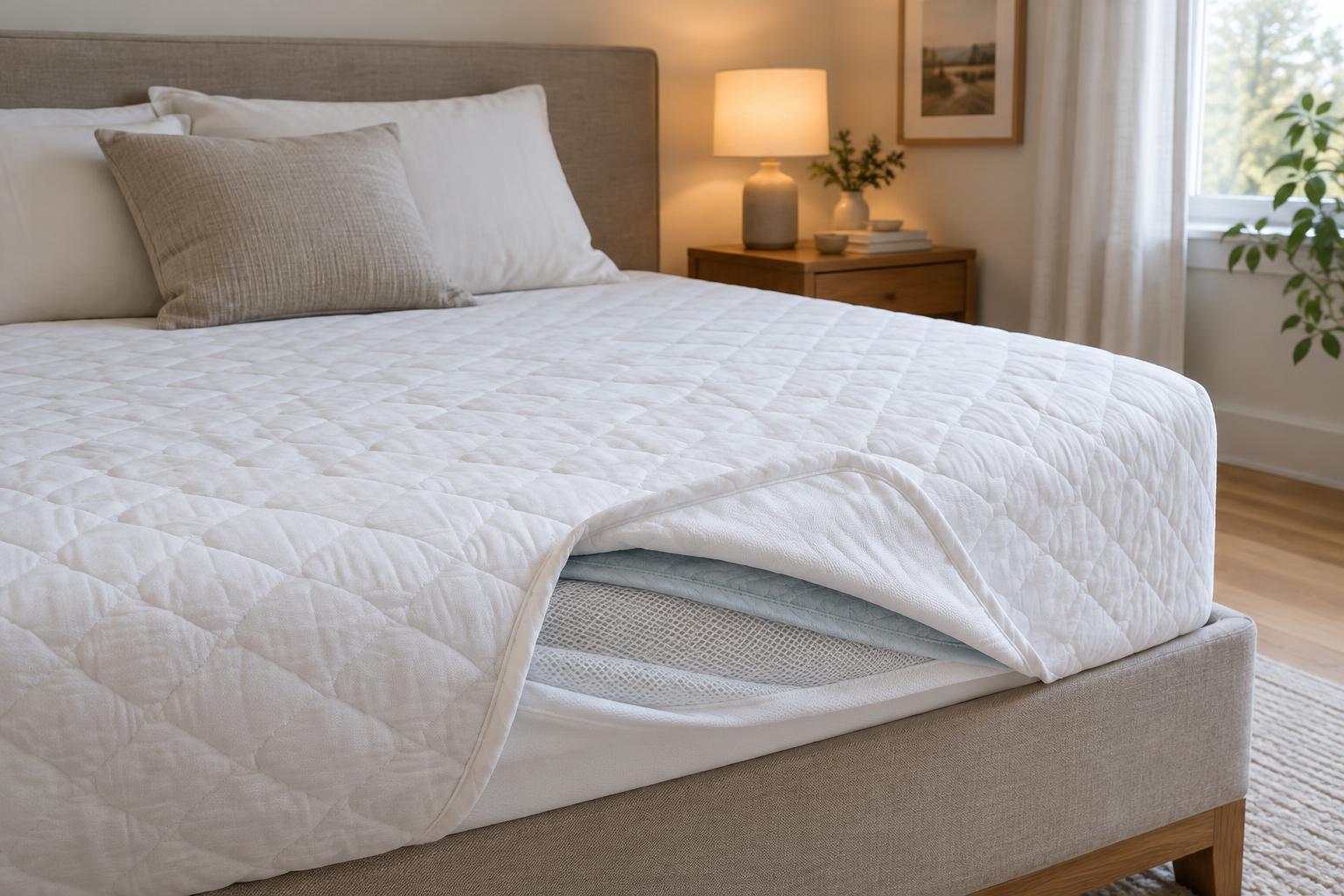
Consider the room’s conditions as well. If the space is often closed up between visits, make it easy to air the room and access the mattress for cleaning. Choose bedding that can be washed according to its care label, and consider a washable mattress protector to help manage spills and routine wear.
Budget for the complete guest bed
Set a budget for the whole setup, not just the advertised mattress price. A frame or foundation, sheets that fit the mattress depth, pillows, a protector, delivery, and removal of an old mattress can change the total. Buying a thicker mattress may also mean replacing sheets that no longer fit securely.
Compare policies before deciding that two similar-looking options offer the same value. Check whether a sleep trial applies to your purchase, what steps a return requires, and whether any fees are excluded from a refund. Read the warranty for its coverage and care requirements, but do not treat a long warranty as a promise that a mattress will feel comfortable for a particular guest.
If visits are infrequent, it may be tempting to buy solely on price. A more useful question is whether the mattress meets the room’s size and support needs at a total cost you can accept. Expensive features offer little benefit if they do not address a requirement you can identify.
Make the bed easy to maintain and adjust
Once the mattress is in place, follow its care instructions. Some mattresses may be rotated; others have a designated top and should not be flipped. Keep any required support underneath it, and check periodically for loose frame parts or slats that have shifted. These simple checks help you distinguish a bed-base problem from a change in the mattress itself.
Before guests arrive, give them clean bedding and a choice of pillows if space allows. A spare blanket lets someone adjust warmth without requiring a different mattress. After a visit, remove the bedding, look for spills, and clean the mattress only as its manufacturer recommends. Keeping the setup straightforward makes it easier to prepare the room for the next person—and easier to notice when the mattress itself needs attention.