What a firmness rating tells you
Mattress firmness describes how hard or soft a bed feels when you lie on it. Many brands use a scale from 1 to 10, with lower numbers indicating a softer feel and higher numbers a firmer one. A label such as “medium-firm” can be a useful starting point, but it is not a standardized measurement. One brand’s 6 may feel noticeably different from another brand’s 6.
A rating also compresses several sensations into one number. A mattress might have a plush top that gives way quickly to a firmer core. Another might feel firm at the surface but allow more gradual sinking. When comparing products, read the description of the comfort layers and construction alongside the rating. Treat the number as a guide to which mattresses to investigate, not as a promise of how one will feel to you.
Firmness and support are not the same thing
Firmness is the sensation you feel at the surface. Support is how well the mattress holds your body in a comfortable position as you settle into it. A soft mattress can have a supportive core, while a firm mattress can still feel poorly suited to your shape or sleeping position. Choosing the firmest option is not automatically the best way to get support.
Pay attention to both pressure and alignment when assessing a mattress. If your shoulders or hips feel uncomfortably compressed, the surface may offer too little cushioning for you. If you feel as though your midsection drops much farther than the rest of your body, the mattress may allow more sink than you prefer. These observations are more useful than trying to identify a perfect rating from a chart.
Why the same mattress feels different to different people
Body weight affects how far someone sinks into a mattress. A lighter sleeper may experience mainly the upper comfort layers and perceive a bed as firm. A heavier sleeper may compress those layers more and feel the structure underneath. Body shape matters too: broad shoulders or more prominent hips can change where pressure is concentrated.
Sleeping position provides another useful clue. Side sleepers often look for enough cushioning to accommodate the shoulder and hip. Back sleepers may prefer a balance of surface comfort and steadiness under the torso. Stomach sleepers may favor a feel that limits excessive sinking around the midsection. These are starting points, not rules; your comfort matters more than a category assigned to your position.
If two people share a bed, discuss firmness separately before choosing a compromise. Consider whether either person regularly feels too warm, dislikes a bouncy surface, or is disturbed by movement. Those preferences are not captured by a firmness number, yet they can shape how comfortable the mattress feels over a full night.
Read beyond the number when comparing models
Look at what creates the stated feel. A thick, soft comfort layer may offer a different experience from a thin one over a firm core, even when both mattresses carry the same rating. Memory foam often responds differently from more springy foams or latex. An innerspring or hybrid design can also feel different depending on its cushioning layers and how readily its coils compress.
Check whether a rating refers to the whole mattress or a selectable firmness option within one model. For a flippable mattress, confirm which side has which feel. Read the seller’s descriptions of cushioning, sink and responsiveness, but remember that terms such as “plush” and “luxury firm” are descriptive labels rather than precise specifications.
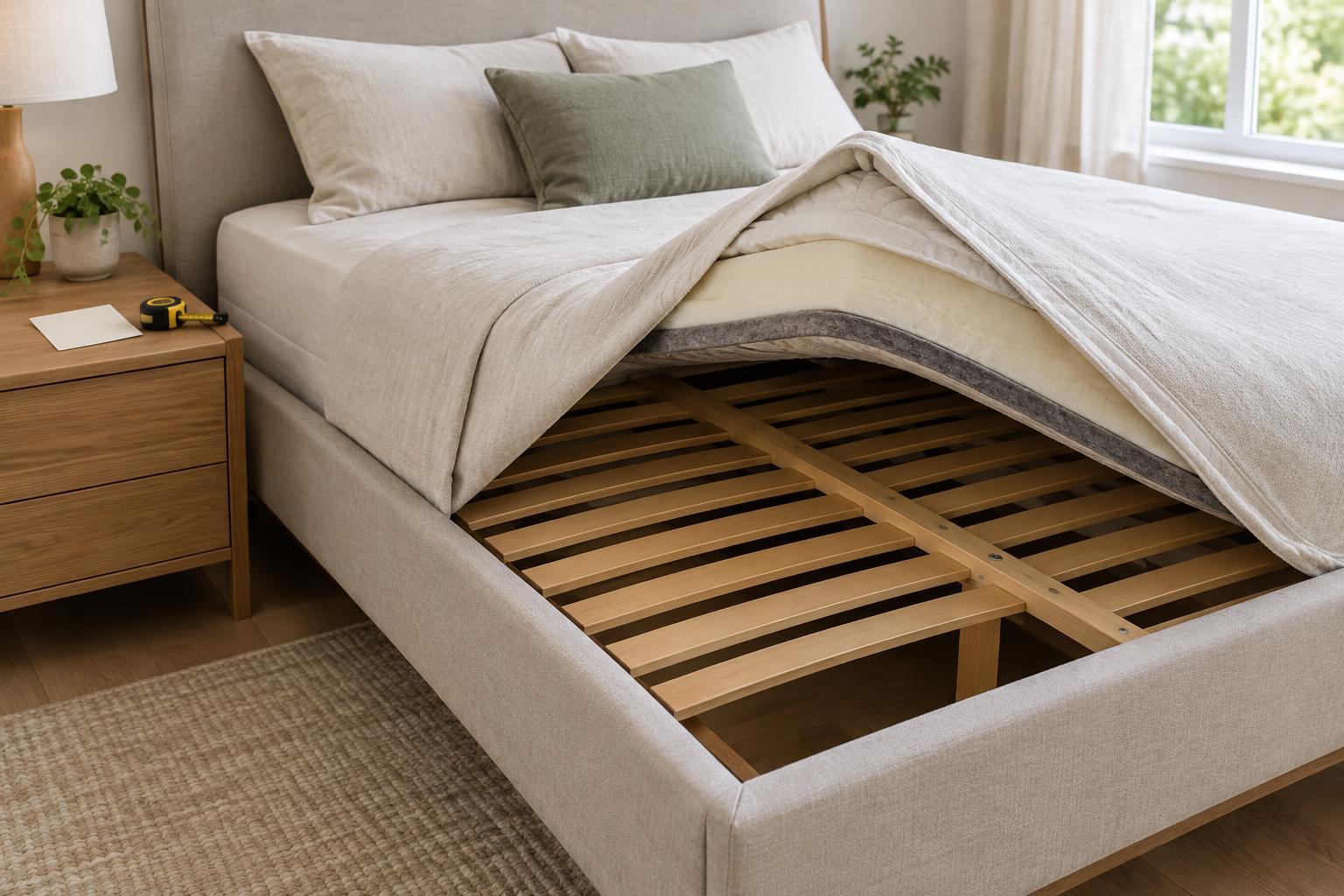
The surface beneath a mattress can affect the experience as well. Before deciding that a bed feels unlike its description, check the maker’s requirements for the bed frame or foundation. A showroom setup, an existing bed base and a new base at home may not present an identical comparison.
Use the rating to narrow your search, then verify the fit
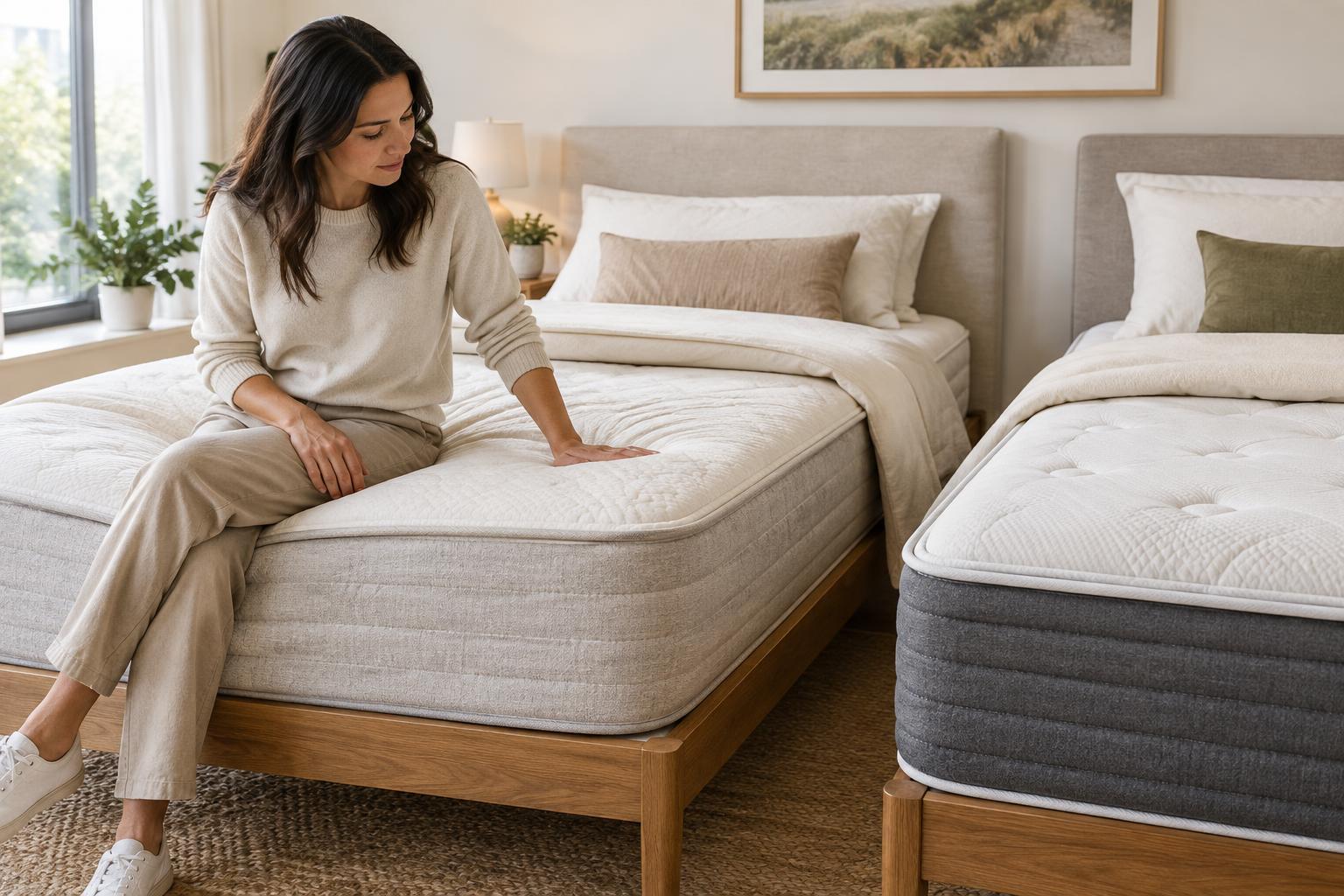
Start with a firmness range that seems plausible for your preferences rather than fixating on one number. If you can try a mattress, lie in your usual sleeping position long enough to notice how your shoulders, hips and midsection feel. Try changing positions as you normally would. A brief press with your hand or a moment sitting on the edge will not tell you much about the sleeping surface.
When shopping online, compare construction details and read the trial, return and warranty terms before ordering. Note whether a return involves fees, a required break-in period or specific condition requirements. If reviews help you decide, look for descriptions of the reviewer’s build, sleep position and preferences rather than treating someone else’s firmness score as definitive.
A useful firmness rating helps you ask better questions: How much cushioning is on top? How deeply might I sink? What happens if the feel is wrong for me? Answering those questions gives you a stronger basis for choosing than any single number can provide.