What a pillow protector does
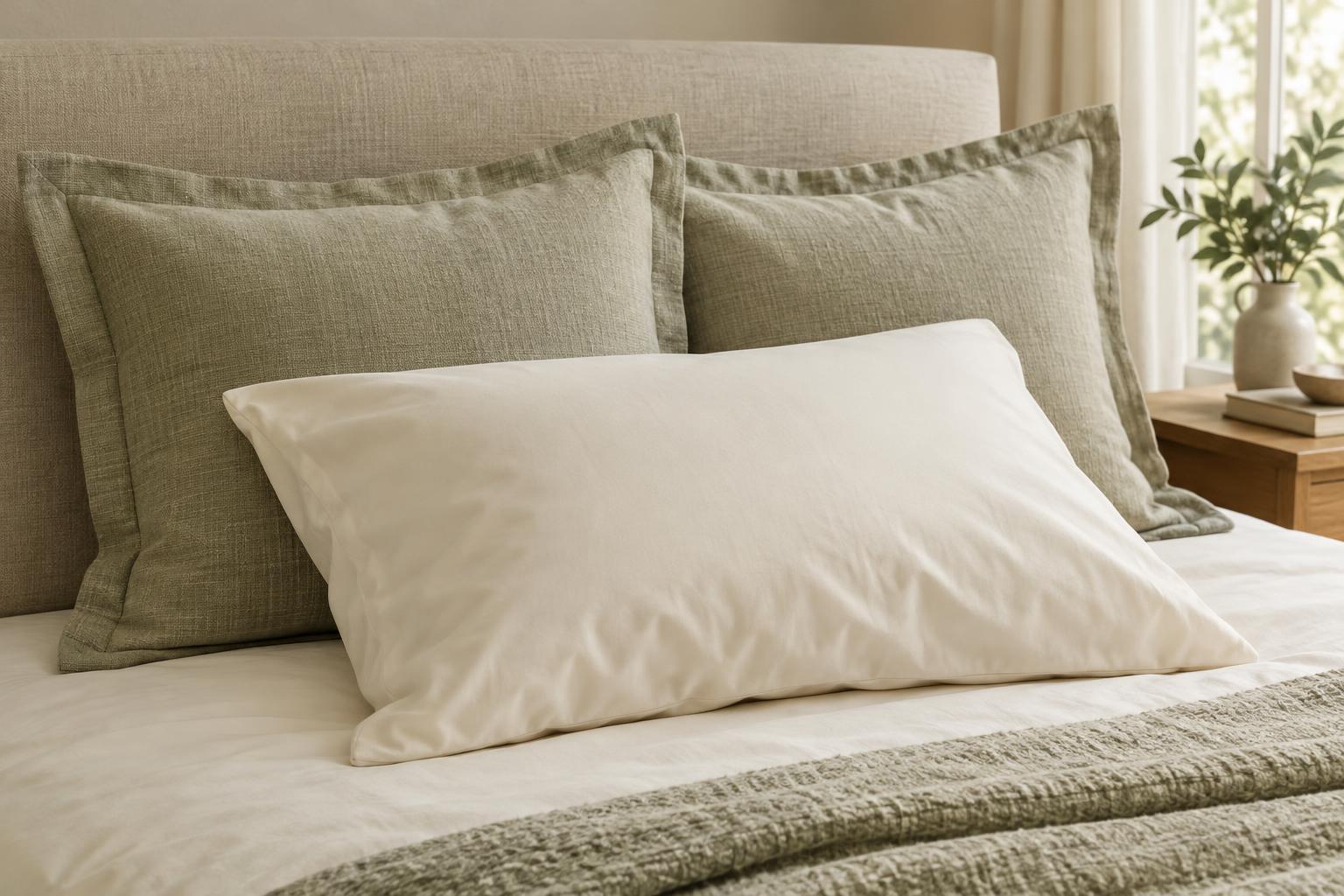
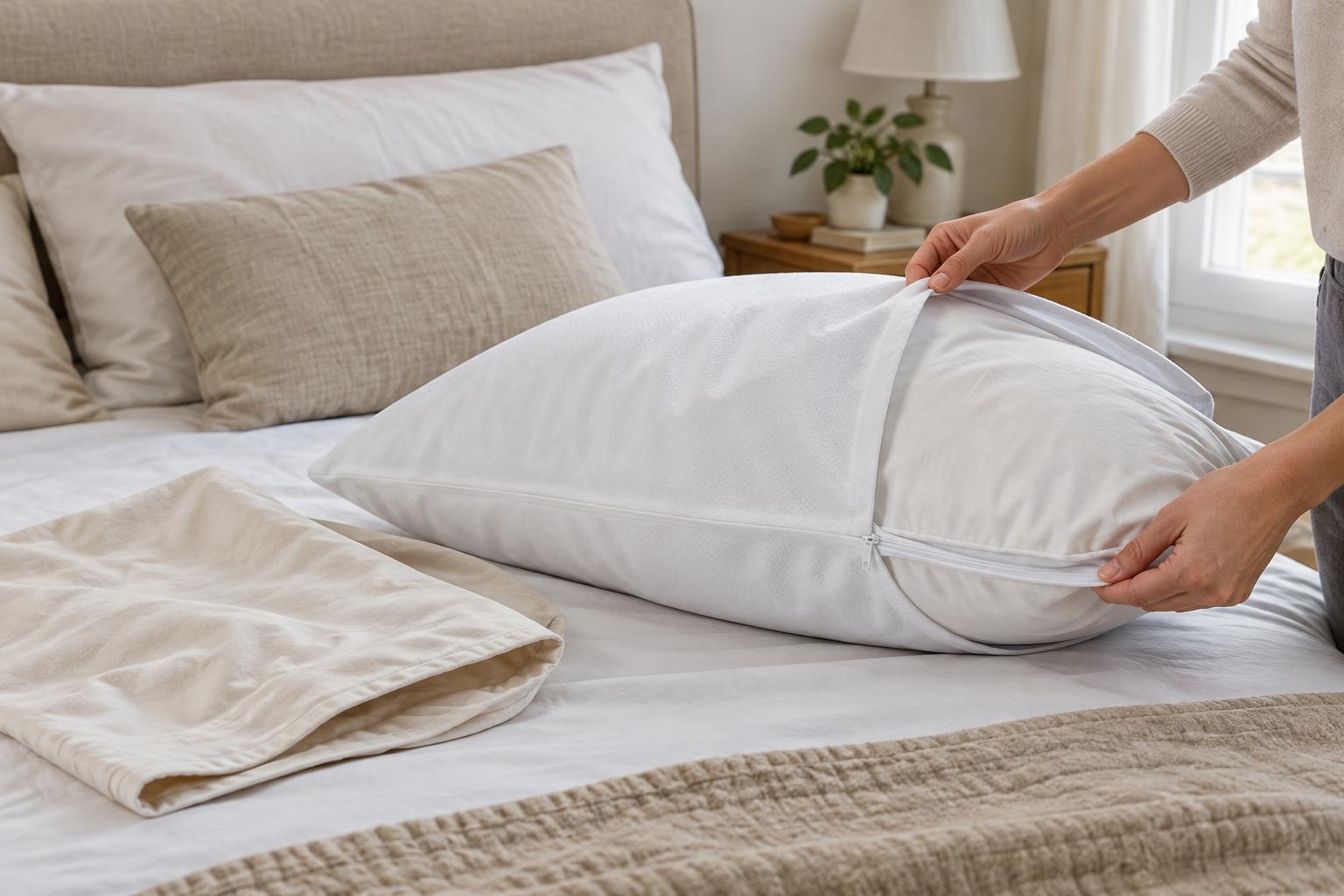
A pillow protector is a removable cover that goes directly over a pillow, underneath the pillowcase. The pillowcase is the outer layer you see and feel each night; the protector adds another layer between everyday use and the pillow itself. Most protectors close with a zipper or an envelope-style opening so they stay in place.
That extra layer can help keep skin oils, sweat, hair products, dust and small spills from reaching the pillow. This matters because a pillow’s fill and inner cover can be harder to clean or dry than a removable fabric cover. A protector does not eliminate the need to wash your pillowcase or follow the pillow maker’s care instructions. It simply gives you a layer that is usually easier to remove and launder.
When an extra layer is worth considering
A protector can be especially useful for a pillow you want to keep in good condition but cannot wash easily. Some pillows can be machine-washed, while others call for spot cleaning or have fills that take a long time to dry. Before buying a protector for a particular pillow, check both care labels: the added layer should make upkeep simpler, not create a new cleaning problem.
It may also be a practical choice for guest pillows, children’s pillows, or any pillow exposed to frequent spills and stains. People who use leave-in hair products or skincare products at bedtime may appreciate a washable barrier. If you are concerned about dust reaching the pillow, look for a close-fitting, fully enclosing design; an open-ended cover leaves part of the pillow exposed. A protector is a housekeeping tool, not a treatment for allergies or other health concerns.
You may not need one if your pillow already has a removable, washable outer cover and you find that cover easy to maintain. Even then, a separate protector can reduce how often you need to remove the pillow’s own cover. Whether that trade-off is worthwhile depends on how the extra layer feels and how much laundry you are willing to do.
Materials and features to compare
Basic fabric protectors, often made from cotton or polyester, focus on providing a washable barrier against ordinary soiling. Fabric weight and weave affect how substantial they feel, but a fabric-only protector should not be assumed to stop liquid from passing through. If spills are your main concern, look for a product specifically described as waterproof, and check whether the protective layer covers the entire pillow or only one side.
Waterproof protectors commonly pair a fabric surface with a thin backing. That construction can be helpful for liquid spills, though it may feel less breathable or make more noise than a plain fabric cover, depending on the product and the pillow beneath it. Water-resistant is a different description: it generally suggests some resistance to moisture, not a guarantee that liquid will stay out. Product descriptions are useful for comparing construction, but they cannot tell you exactly how a cover will feel in your bedroom.
Pay attention to the closure as well. A zipper can help a protector stay fully enclosed, while an envelope opening may be quicker to put on and take off. Check for fabric or stitching around the closure if you dislike feeling a zipper edge through your pillowcase. Whichever style you choose, the protector should sit smoothly rather than bunching under your head.
Getting the fit and feel right
Start with your pillow’s dimensions, not just the size name on the package. A protector that is too tight can compress a lofty pillow and change its feel; one that is too loose can wrinkle inside the pillowcase. Gusseted protectors, which have side panels, may fit a thick pillow more comfortably than a flat cover. If you use an unusually shaped or contoured pillow, check that the protector is compatible with its shape.
Your pillowcase remains important because it is the layer closest to your face. Still, a protector can change the overall feel of a pillow, particularly if it has a stiff backing or a snug fit. After putting it on, lie down in your usual sleeping position and notice whether the pillow feels flatter, warmer or noisier. Comfort is a reasonable reason to choose a lighter protector—or to go without one.
How to care for a pillow protector
Wash the protector according to its label, and make sure it is completely dry before putting it back on the pillow. Cleaning needs vary with use: a guest pillow stored between visits may need a different routine from one used every night. If a spill gets past the protector, clean and dry the pillow according to its own care instructions rather than assuming the outer layer kept it dry.
Inspect the protector when you change the pillowcase. A broken zipper, loose seam or worn waterproof backing can reduce its usefulness. Replacing a damaged protector is generally simpler than dealing with a stained pillow, but no cover can make a pillow last indefinitely. Choose the level of protection you need, then make sure the pillow still feels comfortable enough to use.