Start with the mattress you already have
The key question is whether your mattress needs a different surface feel or has lost its underlying support. A topper adds a layer above the mattress, so it can make a firm bed feel softer or change how the surface responds. It cannot rebuild compressed foam, repair damaged springs or level a deep dip. If the mattress feels supportive but you want more cushioning, a topper may be a sensible first step. If you roll toward the middle or feel a pronounced hollow, a replacement is more likely to address the problem.
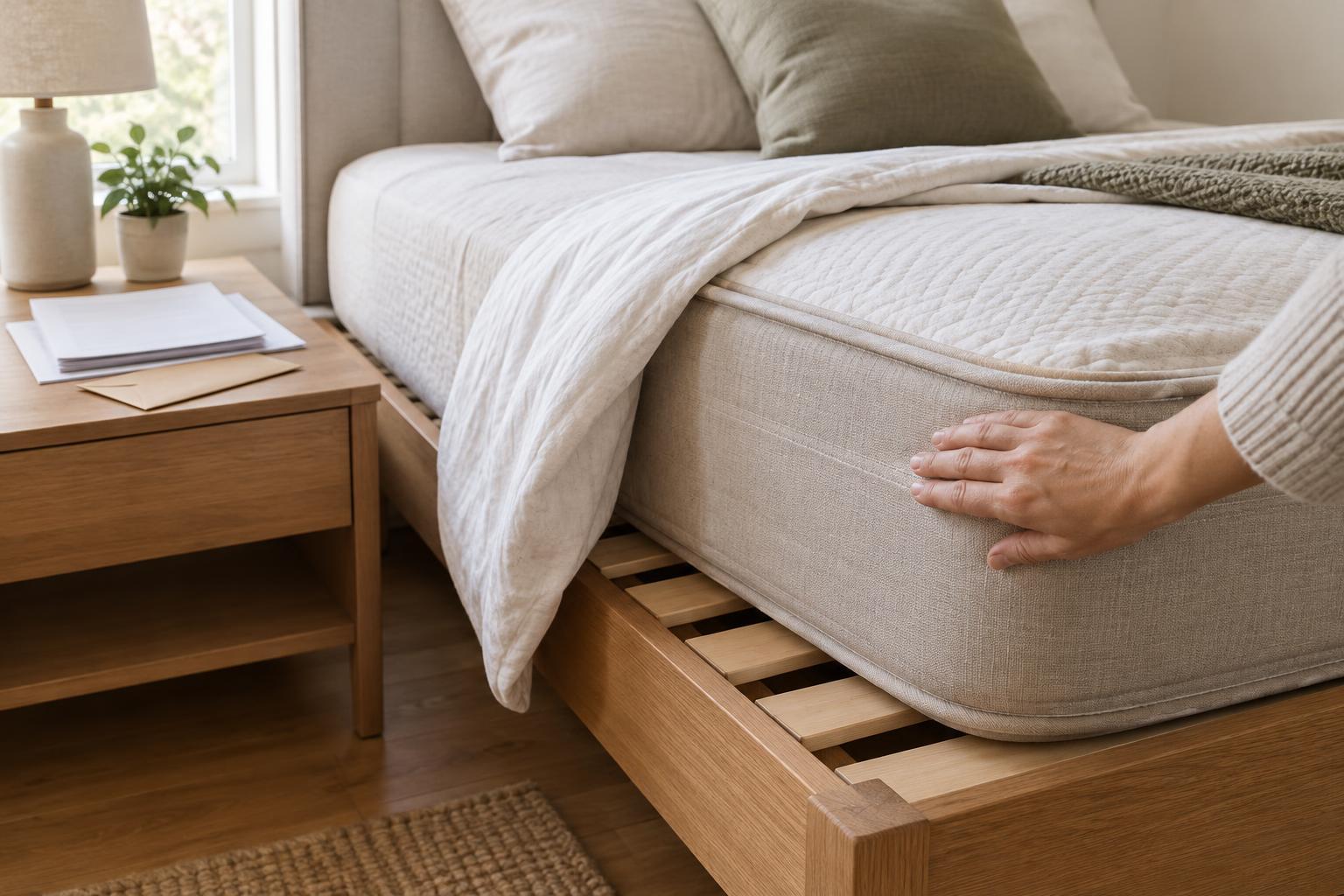
Inspect the bed without its sheets and topper. Look for visible dips, uneven edges or areas that remain compressed after you get up. Then check the foundation, slats or bed frame: a loose or uneven base can make a sound mattress feel unstable. If possible, try the mattress on a suitable, even base before deciding it has failed. Consider how it feels across several nights, rather than judging it only after one unusually poor night of sleep.
When a topper is worth considering
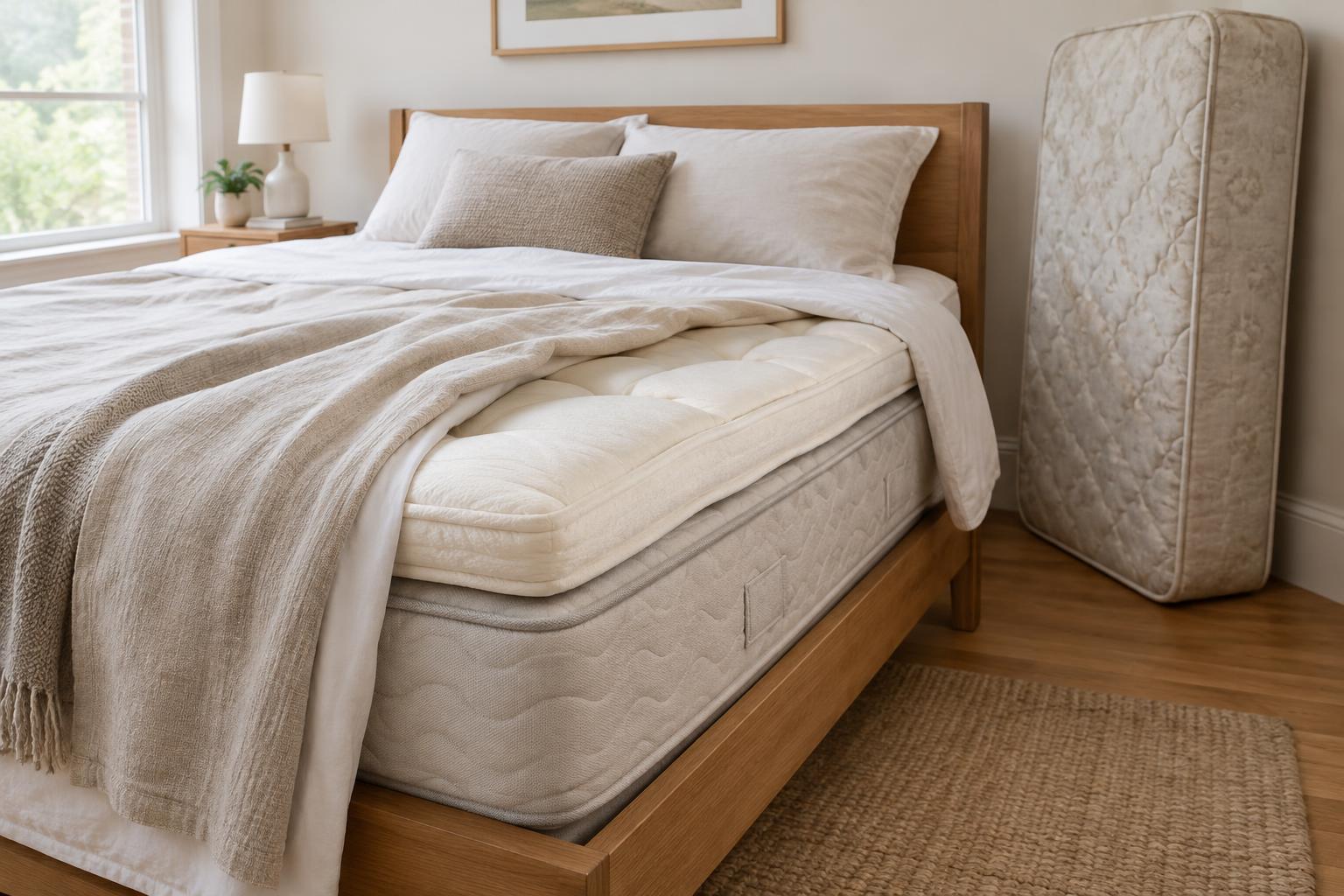
A topper is most useful when the mattress is broadly even and supportive but its surface does not suit you. A softer topper can add cushioning to a bed that feels too firm. A firmer-feeling topper may slightly change the feel of a soft surface, though it usually cannot make an unsupportive mattress truly firm. Toppers can also be a practical way to adjust a guest bed or a mattress you are not ready to replace.
Material affects the experience. Memory foam tends to contour closely and may feel slower to respond when you move. Latex generally feels more responsive, while fiber-filled toppers offer a plush surface that may compress with use. Thickness matters as much as material: a thick, soft topper changes the feel more dramatically and can make it harder to move on the bed. If your main complaint is mild, a modest change may be easier to live with than the thickest option available.
Check the topper’s dimensions, cover-care instructions and return terms before ordering. A topper that shifts, overhangs or prevents a fitted sheet from staying on can create a new annoyance. If you share the bed, discuss whether both sleepers want the same change; one person’s welcome softness may feel excessive to the other.
Signs a new mattress is the better purchase
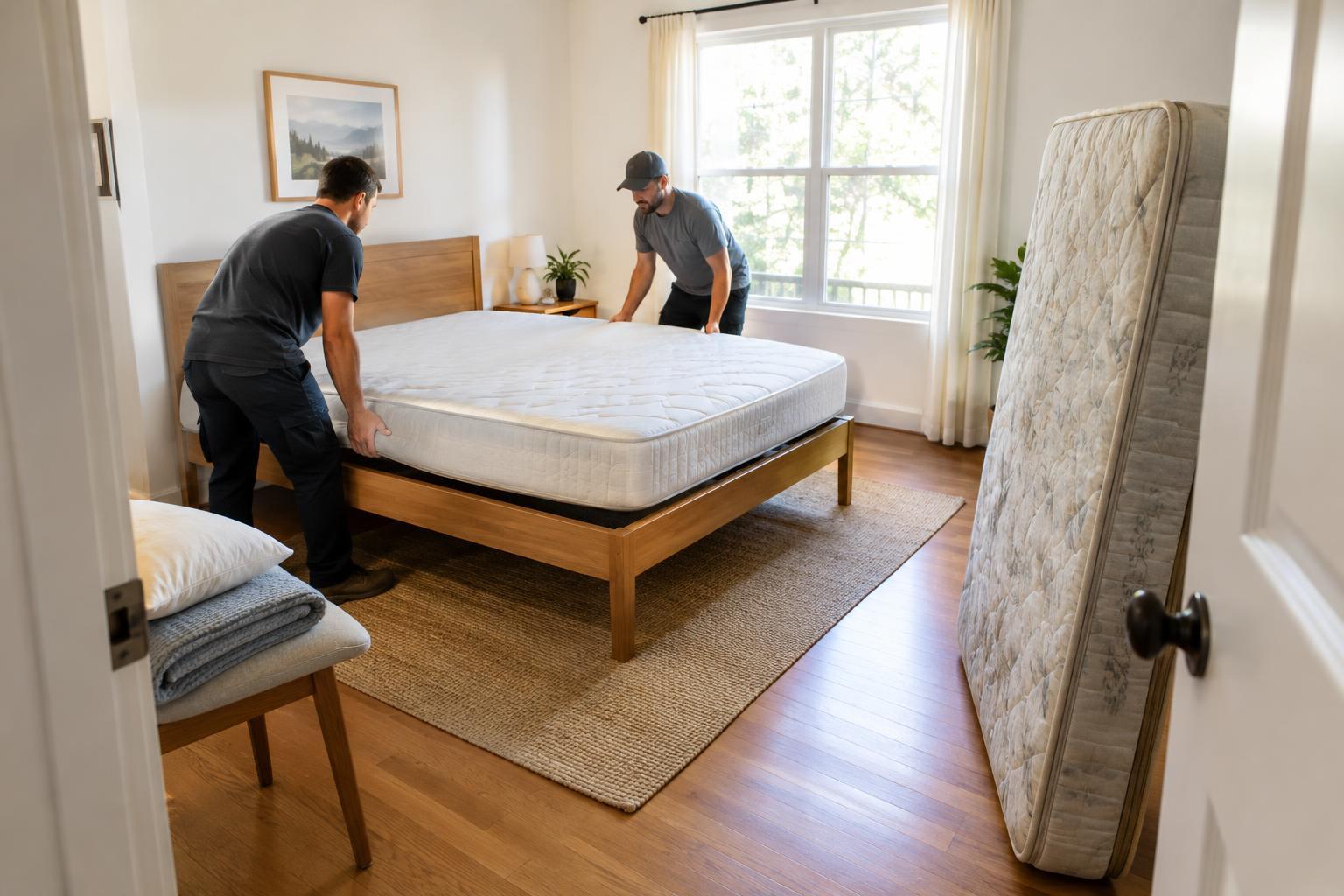
Consider replacing the mattress when the problem comes from its structure rather than its surface. Persistent sagging, a noticeable slope, broken components or a feeling that you sink too far are difficult for a topper to correct. A topper follows the shape beneath it, so placing one over a dip often leaves the dip in place. Replacement also makes more sense if the mattress no longer suits your sleeping space or is difficult to keep clean.
Before shopping, describe what is wrong with your current bed in specific terms. Is it too soft throughout, or only worn in one area? Do you want more cushioning at the surface, or better support underneath? Those answers are more useful than relying on a single firmness label, which can vary between brands. If the mattress is relatively new, check its warranty and the required foundation specifications; a covered defect may offer another route, although warranties do not generally guarantee that a mattress will feel comfortable to you.
Compare the full cost, not just the price tag
A topper usually costs less than a new mattress, but it is only a bargain if it solves the right problem. Adding a topper to a worn-out bed may delay a replacement without making the bed comfortable. Conversely, replacing a supportive mattress because its surface feels slightly too firm may cost more than necessary. Include any needed protector, sheets or foundation changes in your budget, and consider what you will do with the old item.
Read return and trial policies carefully for either purchase. Look for the length of the trial, any minimum use period, return fees and requirements to keep the product clean or in good condition. Toppers and mattresses may have different policies, even from the same seller. Measurements matter too: a thick topper increases the bed’s overall height, which can affect fitted sheets and how easily you get in and out.
Make the decision in two steps
First, rule out an uneven bed base and assess whether the mattress still supports you consistently across its surface. If it does, and your main complaint is that the top feels too firm or lacks cushioning, compare toppers with a clear goal for how much change you want. If support is uneven or the mattress has a persistent dip, direct your budget toward a replacement instead.
Second, compare products by the details you can verify: construction, dimensions, care instructions and return terms. When trying a new feel, allow time to notice whether it works during ordinary sleep, not just during a brief lie-down. Neither a topper nor a new mattress guarantees perfect comfort, but identifying whether you need a surface adjustment or a sounder base makes the choice much clearer.