Start with a comfortable base layer
Adjustable warmth begins with the sheet closest to you. A fitted sheet should stay in place without pulling tightly at the corners or bunching beneath you. Check its pocket depth against your mattress, including any topper. If you use a flat sheet, it can serve as a light covering on its own and create a washable layer between you and a blanket.
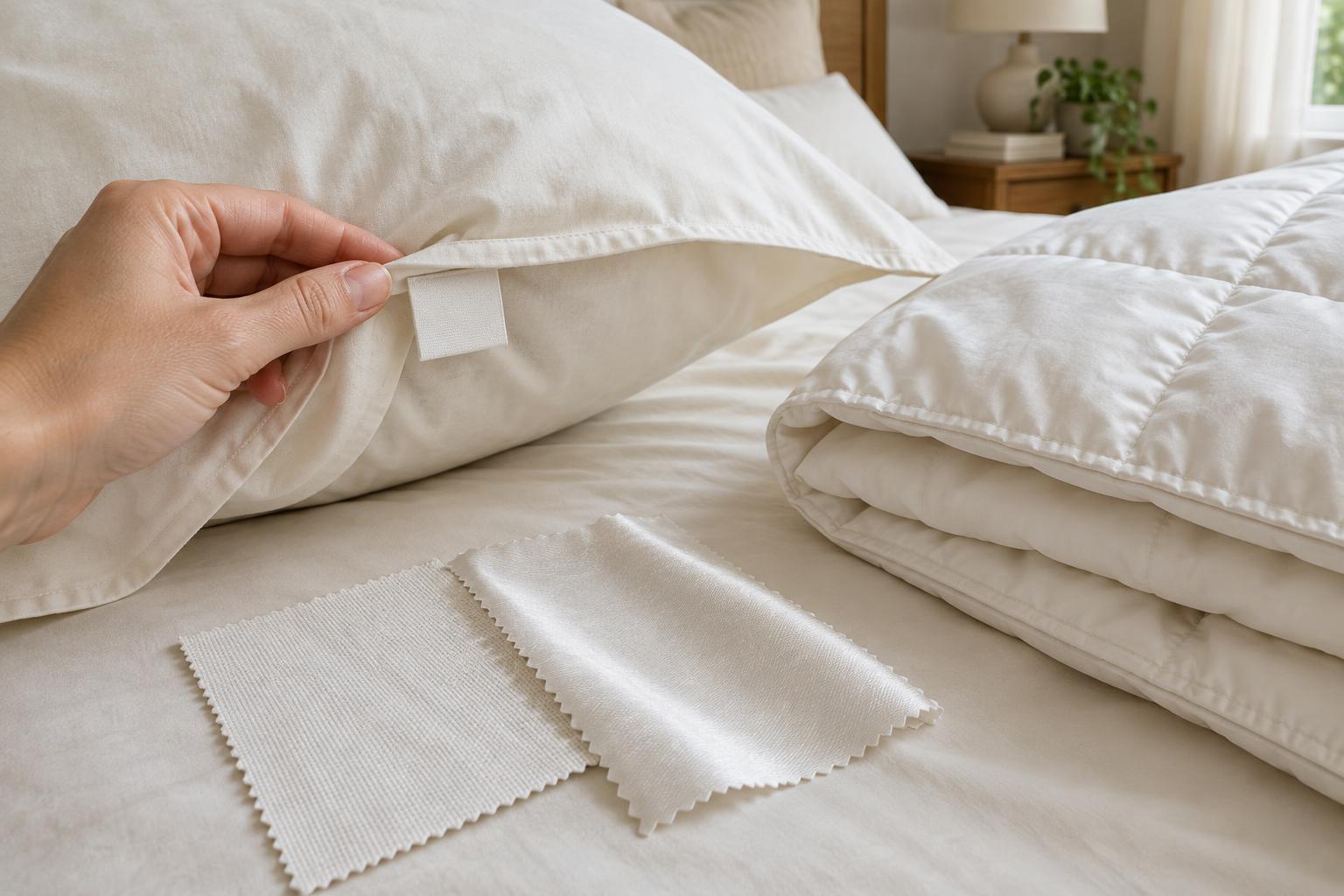
Fabric affects how the base layer feels, but no single material suits everyone. Cotton sheets come in a range of weaves: percale often feels crisp, while sateen tends to feel smoother and more draped. Linen has a looser, textured feel. Synthetic fabrics vary widely, so consider their feel and care instructions rather than relying on a broad material label. If you often feel too warm, begin with sheets you find comfortable on their own before adding heavier covers.
Build warmth with removable layers
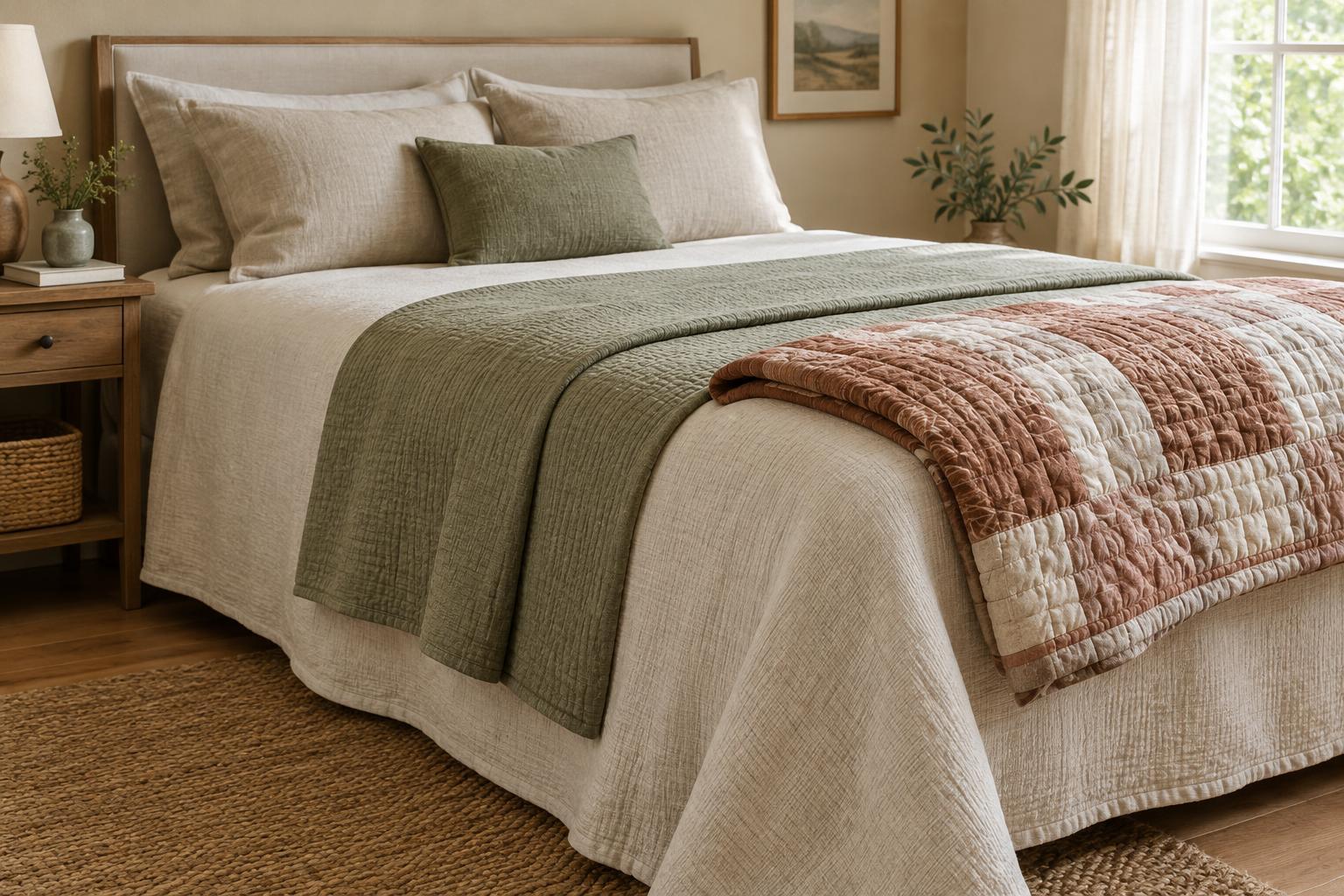
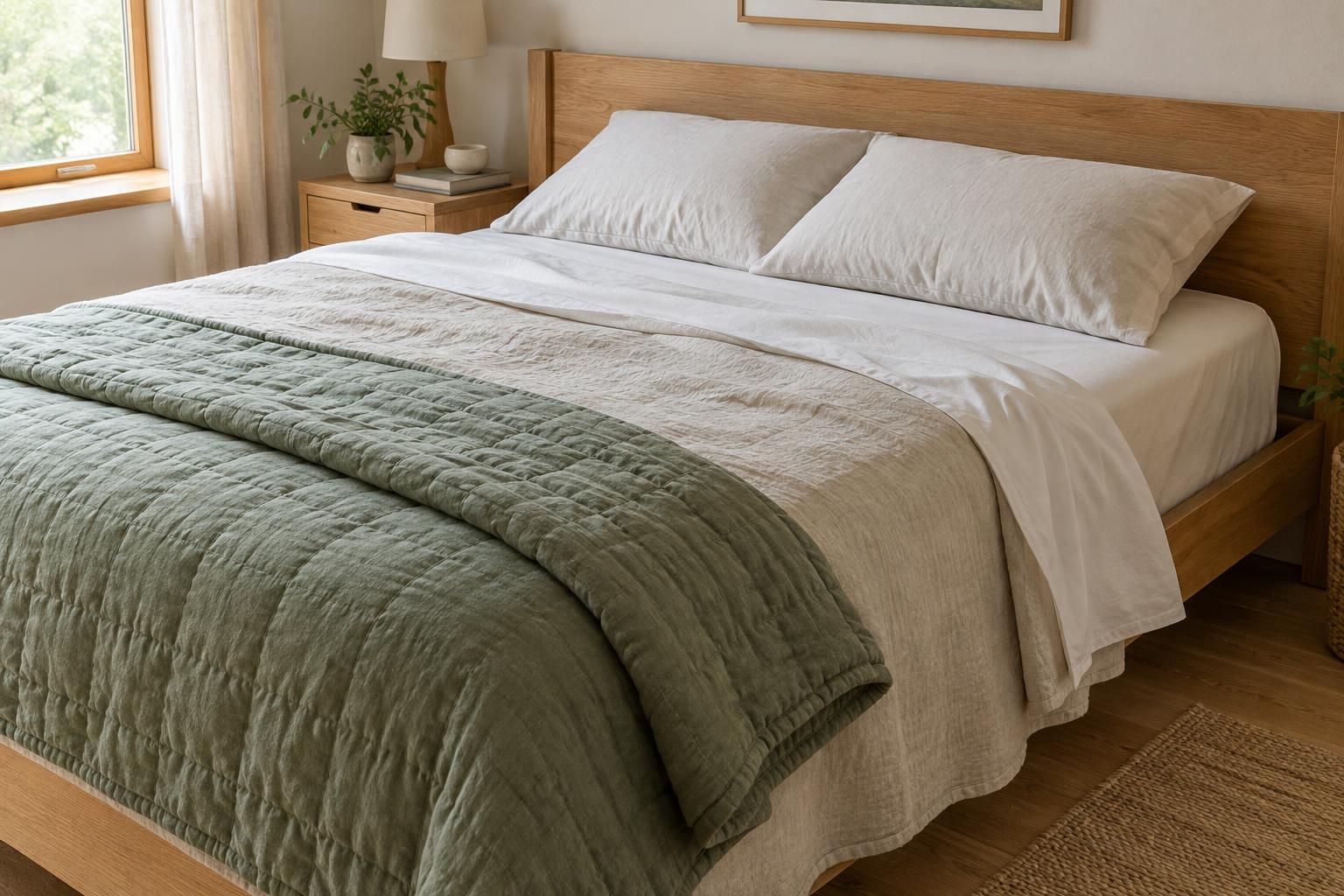
Choose layers that do different jobs instead of stacking several bulky covers. A light blanket over the top sheet adds modest warmth and is easy to fold back. A quilt or coverlet can provide another step up, while a duvet or comforter can be reserved for colder nights. You do not need every layer on the bed at once; keeping an extra blanket nearby may be more useful.
Weight and warmth are not the same thing. A dense blanket can feel reassuring without necessarily providing as much insulation as a loftier one. Likewise, a thick-looking cover may feel warmer or cooler depending on its fill, shell and how much air it traps. When shopping, compare the complete item rather than judging by thickness alone. Select layers you can lift, fold and store comfortably, since a layer is only adjustable if removing it is easy.
Make changes simple during the night
Arrange bedding so the smallest adjustment requires the least effort. On a mild night, you might use a top sheet and light blanket, with a folded quilt at the foot of the bed. When the room feels cooler, pull up the quilt. When it feels warmer, fold the blanket down while keeping the sheet in place. Leaving space at the foot or beside the bed for a removed layer helps keep it off the floor.
Tucking also changes how a setup feels. A tightly tucked top sheet can hold covers close around your feet, while a loose arrangement makes it easier to vent warmth. If you share a bed with someone whose preferences differ, separate blankets on each side may be simpler than trying to agree on one stack. You can still use a shared sheet or decorative cover if you like, but make sure each person can adjust their own sleeping layer.
Adapt the stack to the room
Bedding works alongside the bedroom, not independently of it. Room temperature, airflow, sleepwear and the mattress surface can all affect how warm the same blanket feels. Before replacing your bedding, notice whether the problem occurs throughout the night or only at certain times. If you start out chilly but wake up warm, for example, a removable blanket may be more practical than a permanently heavier duvet.
Seasonal changes do not require an entirely new set of sheets. You can keep a base you enjoy and swap one outer layer as needed. A lighter quilt may be enough when the room stays mild; a warmer duvet can take its place when the room is cooler. Store unused bedding clean and dry, and allow enough space that it is not tightly compressed unless its care instructions recommend otherwise.
Keep the system manageable
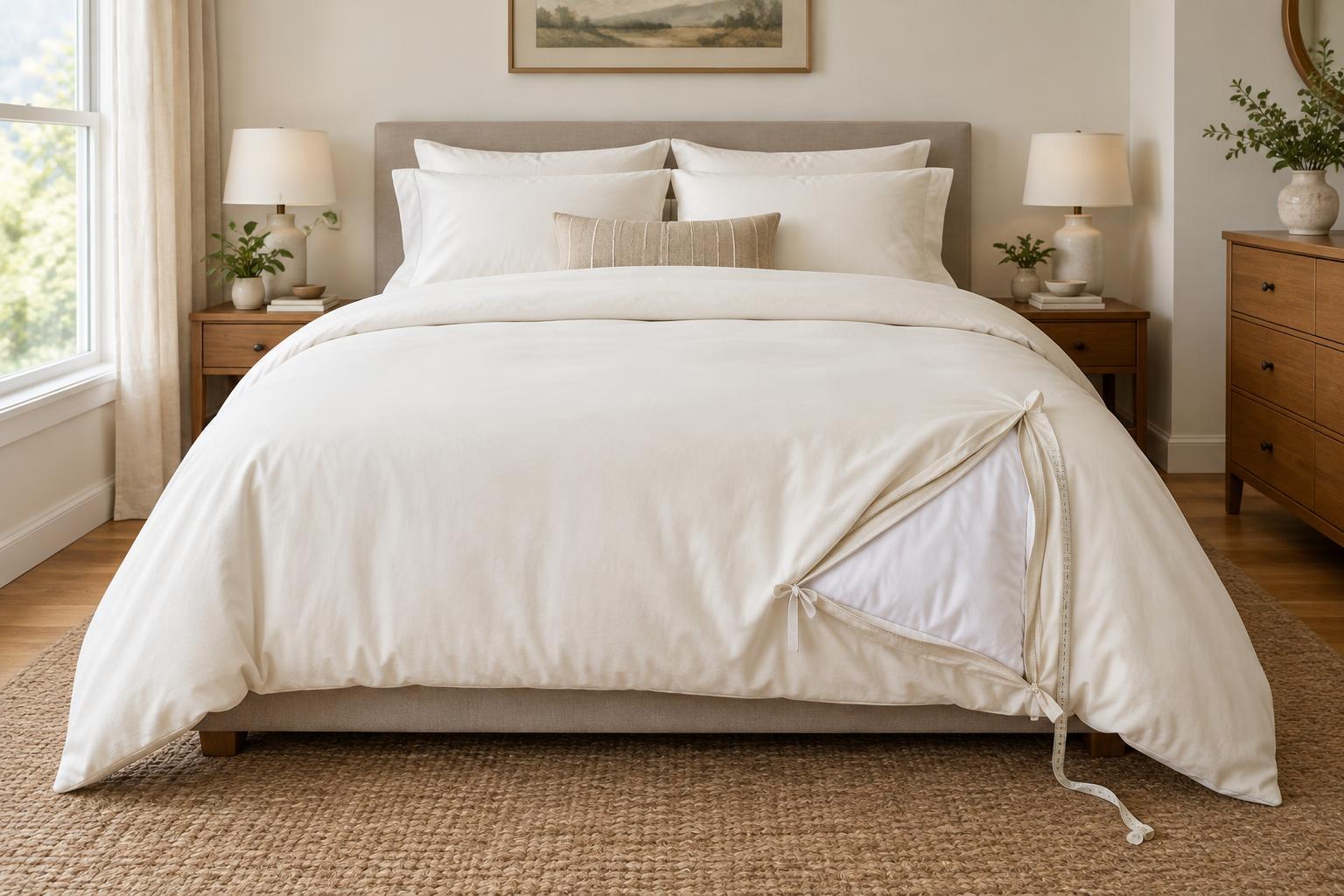
A useful layering system should also be realistic to wash. Sheets and covers used next to the body generally need more frequent laundering than an outer blanket that rarely touches skin. A duvet cover can protect its insert and may be easier to wash than the insert itself. Always follow each item’s care label, especially for filled bedding or fabrics that may shrink.
Before buying another layer, identify the gap in your current setup. Do you need a light cover for nights when the duvet is too much, or an extra blanket that can be added without changing the whole bed? Start with one versatile piece and try it in different positions. The best arrangement is the one that lets you make a small, comfortable adjustment without rebuilding the bed each time the temperature changes.