Why mattresses use adhesives
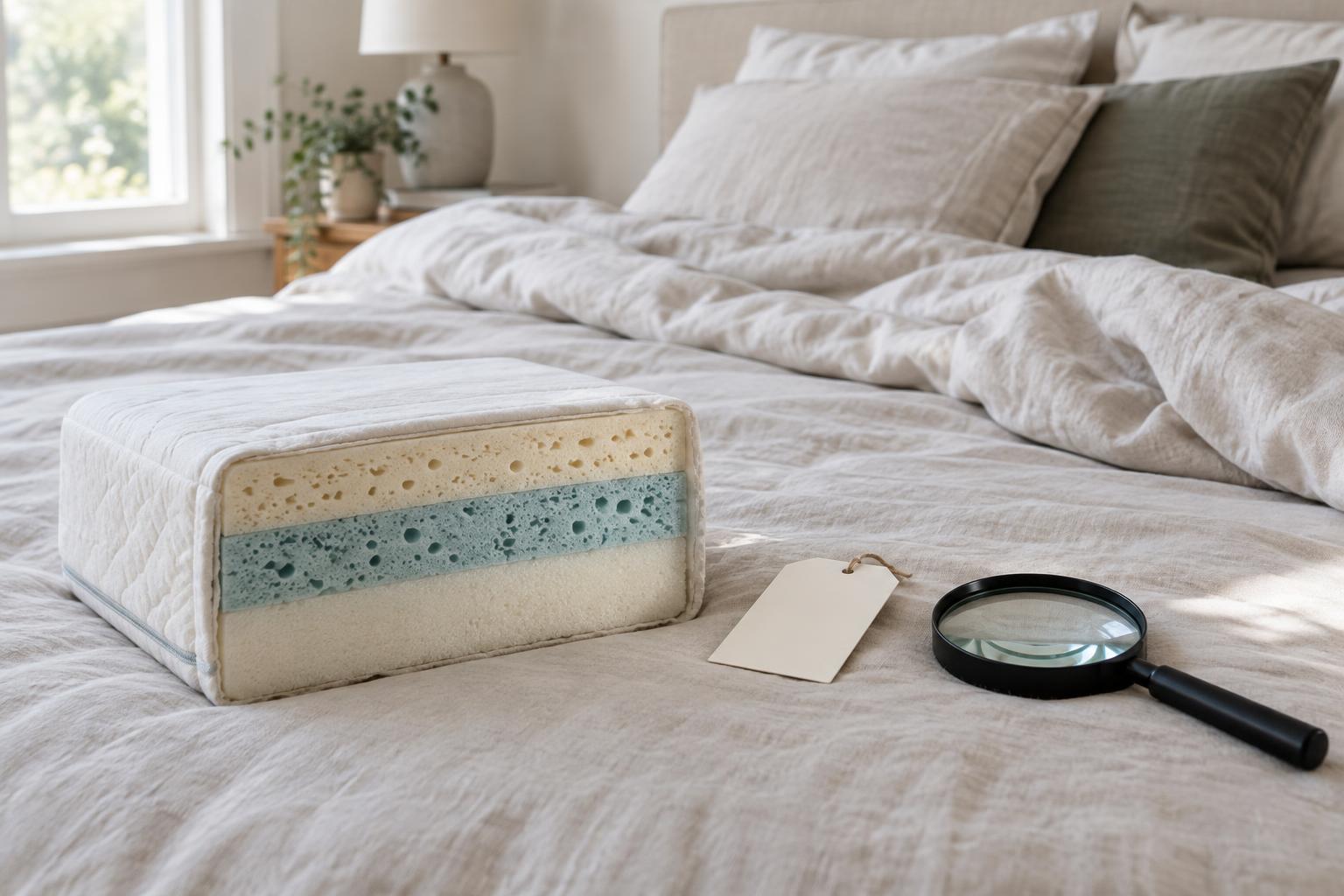
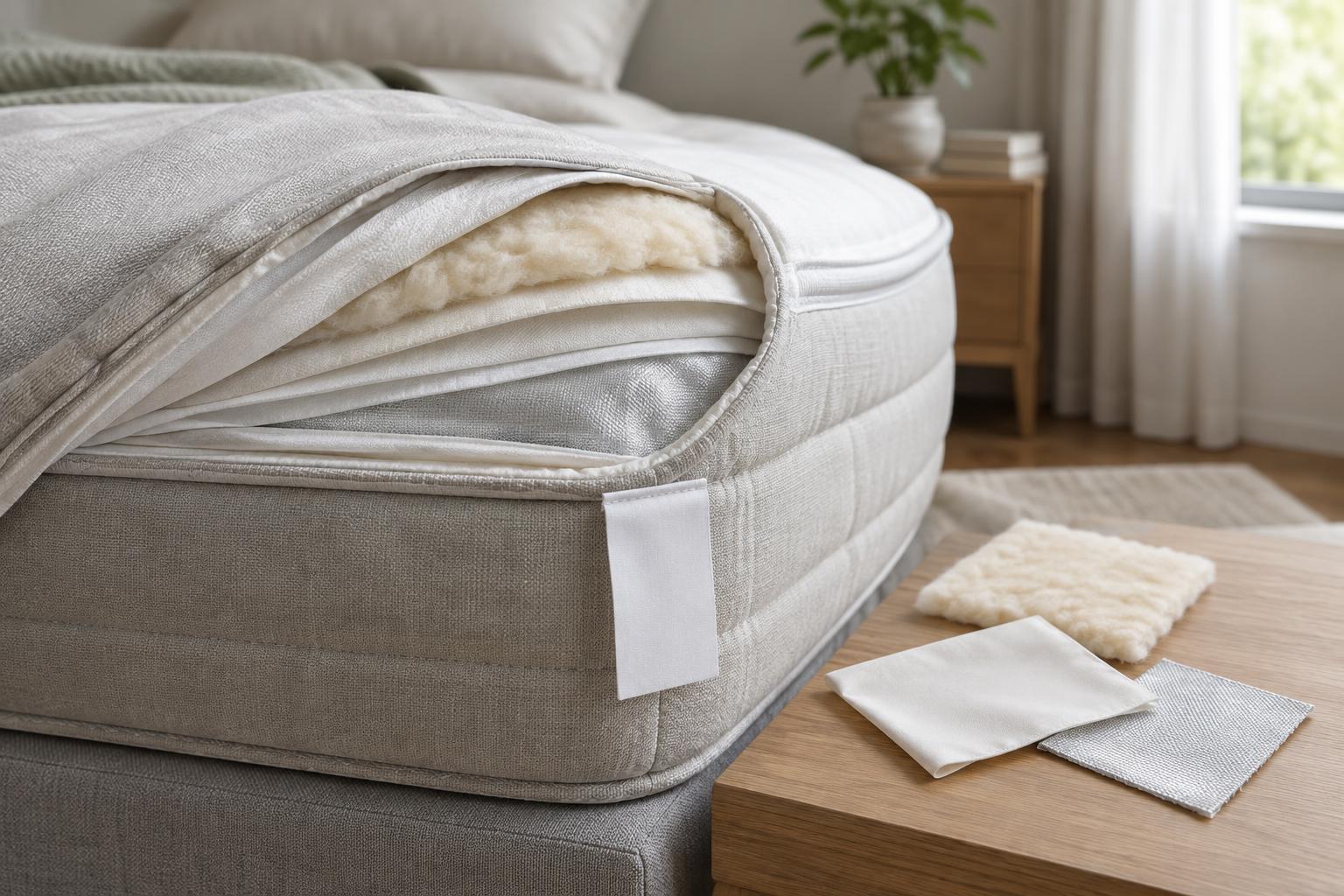
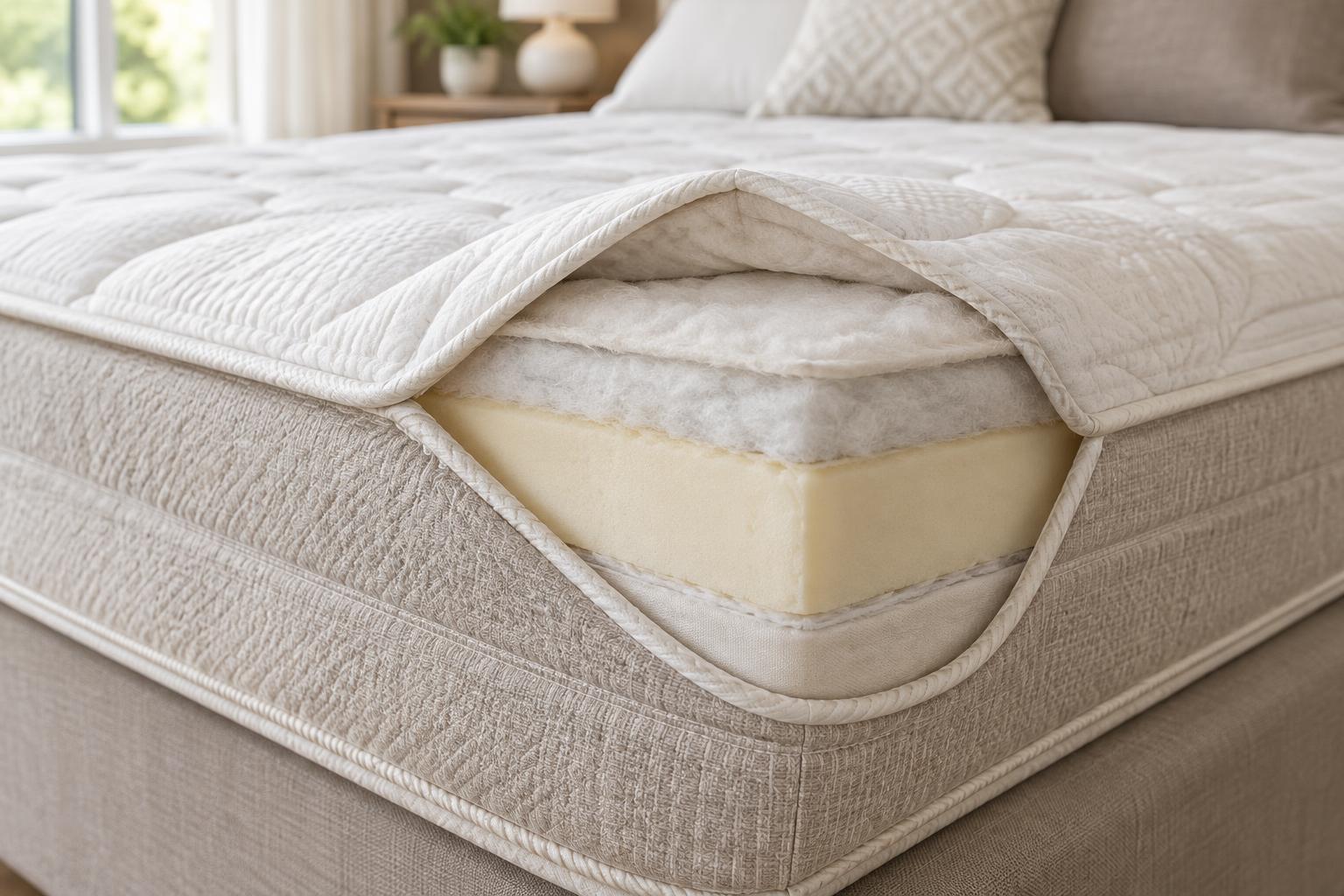
A mattress may contain several foam layers, fabric panels, a coil unit, and padding around its edges. Adhesives can help keep these components aligned during assembly and everyday use. A bonded comfort layer, for example, is less likely to slide across the support layer beneath it when someone changes position. Adhesive may also secure foam around a coil unit or hold fabric to a backing material.
Bonding is only one way to build a mattress. Some components are stitched, quilted, wrapped, or held in place by a tight cover instead. Many mattresses combine these methods. The presence of glue does not, by itself, tell you whether a mattress is well made or comfortable. What matters is where it is used, whether the bond holds up, and how the finished mattress feels and performs as a whole.
Where bonding can affect the feel
Adhesive is often applied between foam layers rather than throughout the foam. The amount, placement, and application method can vary. A suitable bond should keep layers together without creating obvious stiff patches or lumps. In a mattress with a plush top, bonding may help the top layer retain its intended position. Around the perimeter, it may help keep edge components aligned.
A mattress that uses fewer adhesives is not automatically softer or more durable. Loose layers need another reliable way to stay in place, and a cover that restrains them too tightly can also affect the feel. Likewise, a glued mattress should not feel rigid simply because its layers are bonded. If you can try a mattress, pay attention to its complete construction: surface feel, ease of movement, edge stability, and whether the layers seem to shift.
Odor and material information: useful questions to ask
A new mattress can have an odor when first unpacked, especially if it was compressed for shipping. That smell may come from more than one component, including foam, fabric, packaging, or adhesive. Odor alone cannot identify which material is responsible or establish whether a mattress meets a particular emissions standard. If smell is an important concern for you, ask the seller what materials are used and what finished-product or component documentation is available.
Read certification descriptions carefully rather than treating a logo as a guarantee about every part of the bed. A certification may apply to a foam component, a textile, or an entire finished product, depending on its scope. Ask what was assessed and whether the adhesive is included. If a seller describes a mattress as “glue-free” or “low odor,” request a clear explanation of how its layers are held together or what the description means. These questions are more useful than assuming a label covers details it does not specify.
How to look for bonding problems
Most adhesive joints are hidden, so you cannot fully inspect them in a showroom. You can still look for signs that components are not staying where they belong. Uneven ridges, a top layer that bunches or slides, gaps near the edge, or foam that visibly separates may warrant a closer look. Keep in mind that an uneven feel can have other causes, including compressed packaging that has not yet expanded as directed.
Before buying, check the warranty language for what counts as a defect and how to report one. Also check whether the mattress has a removable cover and, if so, what the manufacturer permits you to do with it. Do not cut into a mattress to investigate a bond: that can damage the bed and complicate a warranty claim. If an existing mattress appears to be separating, take photographs, note where the problem occurs, and contact the seller or manufacturer.
A practical buying checklist
Start with construction, not a claim that one bonding method is universally best. Ask what the main layers are, which ones are bonded, and whether other parts are stitched or contained within the cover. Then consider the questions that matter to you: Is component information available? Is any certification clearly explained? Are the return terms workable if the mattress feels or smells different from what you expected? Can you find clear instructions for setup and care?
Finally, compare adhesive information alongside the mattress’s support, comfort, size, and price. A transparent description of construction is helpful, but it cannot replace trying the mattress when possible or understanding the return policy when buying online. Treat bonding as one part of the design: its job is to keep the intended layers in place without drawing attention to itself during normal use.