Prepare before you lie down
A showroom visit works best when you know what you are trying to learn. Before going, note the size you need, your budget, your usual sleeping positions and what you do or do not like about your current mattress. If you share a bed, invite the other sleeper if possible. Neither person should have to guess how a mattress feels to the other.
Wear comfortable clothes that let you lie in your normal positions. Bring a short list of requirements, but leave room to change your mind. Labels such as “medium” and “firm” are useful starting points, not consistent measurements across brands. Ask a salesperson to show you a small range of options, then give yourself time to try them without a running sales pitch. You can say that you would like a few quiet minutes on each bed.
Use the same routine on every mattress
Resist judging a mattress by pressing it with your hand or sitting on its edge. Lie near the center in the position you most often use to fall asleep, then try any other positions you regularly use. Stay long enough for the initial novelty to fade and for you to notice whether you keep shifting to get comfortable. A showroom trial cannot reproduce a full night, but a few deliberate minutes are more revealing than a few seconds.
Pay attention to how your shoulders, hips and lower back feel against the surface. Notice whether you feel comfortably supported or as though you are sinking farther than you want. If you sleep on your side, consider whether the surface allows room for your shoulder and hip. If you sleep on your back or stomach, notice whether your midsection feels well supported. These are personal comfort checks, not a way to diagnose or treat pain.
Then roll over and sit up as you normally would. Does moving feel easy, or do you feel stuck? If edge support matters to you, sit and lie near the side of the bed. A partner can lie down too, change positions and get up while you remain still; this offers a simple comparison of how much movement you notice. Try the same sequence on each candidate so your impressions are easier to compare.
Compare the bed, not just the first impression
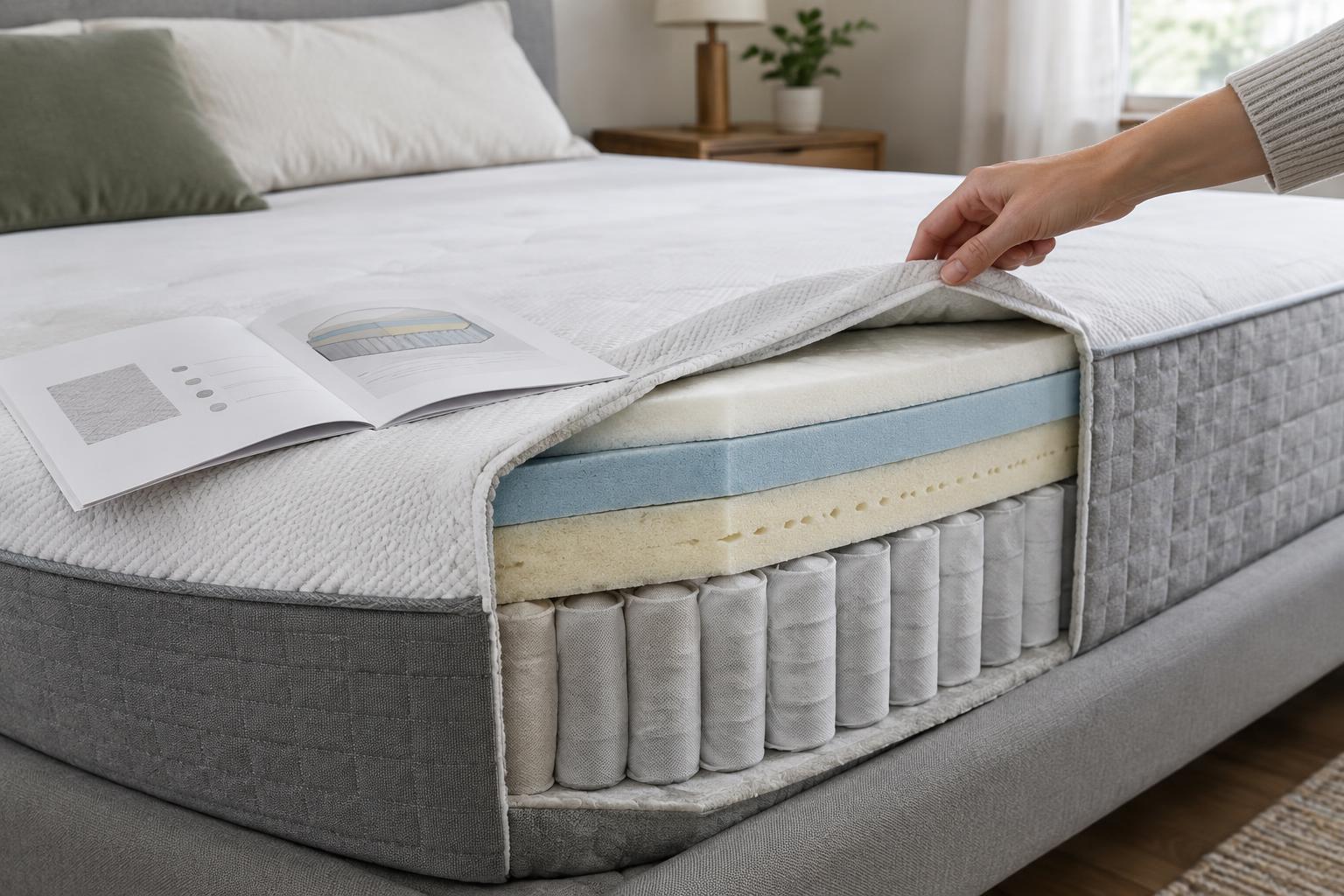
Showroom details can change what you feel. A thick mattress protector, plush topper or unfamiliar pillow may make a bed seem different from the version delivered to your home. Ask what is on the display mattress and whether it is included in the purchase. If possible, use a pillow with a height similar to your own, especially when comparing beds in your usual side- or back-sleeping position.
Keep brief notes on two or three promising models rather than trying to remember an entire showroom. Record the exact model name, size, feel, construction described on the label and your own impressions of support, ease of movement and edge comfort. If a model stands out immediately, try a different one before returning to it. A second visit to your favorite can help reveal whether it still feels right after the contrast wears off.
Ask what happens after the showroom
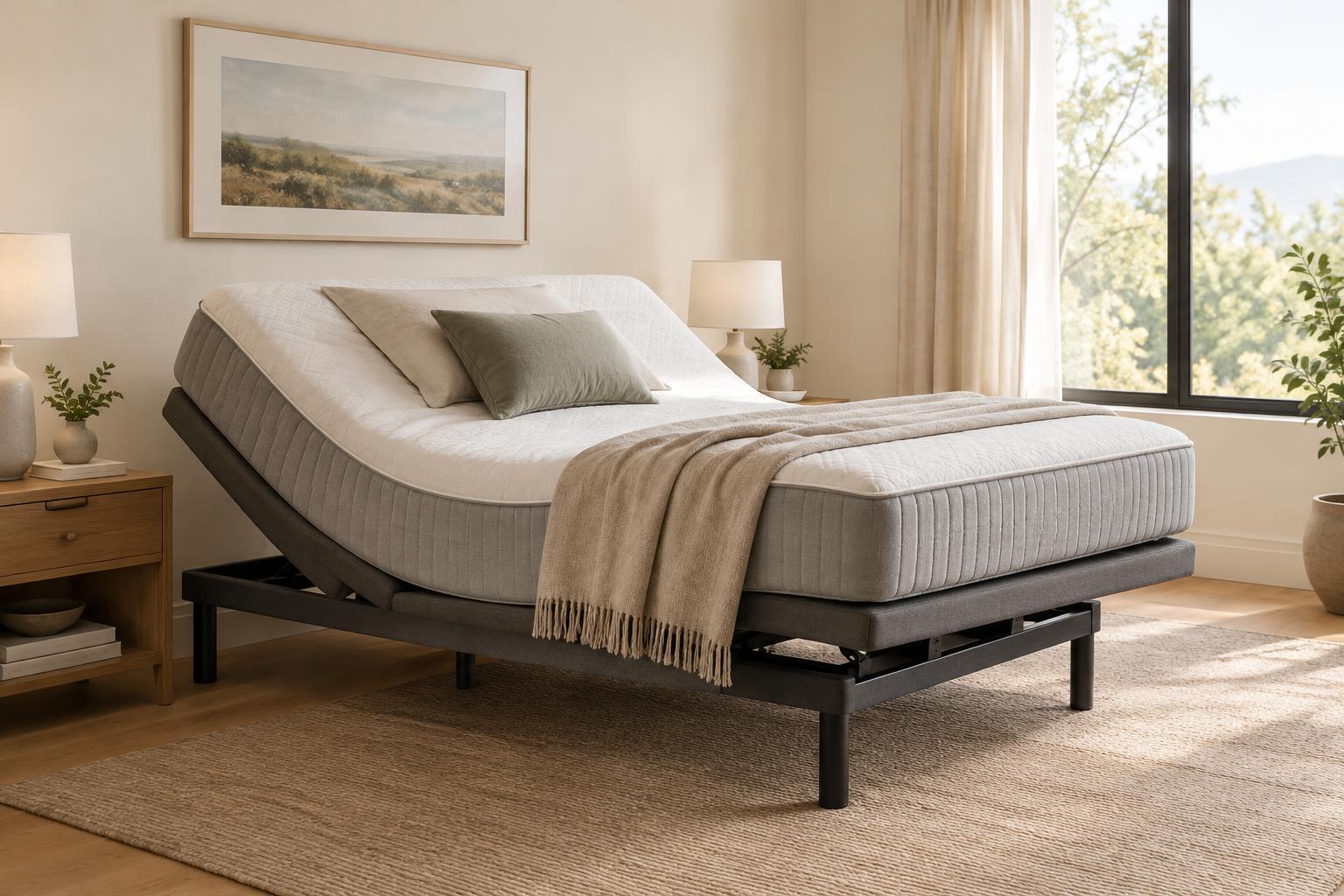
Comfort in a store is only part of a buying decision. Before paying, read the written terms for any home trial, return, exchange or warranty. Ask when a trial begins, whether there is a required adjustment period, who pays any collection or exchange fees, and what condition the mattress must be in. Also confirm delivery arrangements, removal of an old mattress and whether your existing base meets the new mattress’s support requirements.
Check that the written order matches the mattress you tried, including its model, size and firmness option. If a salesperson describes a feature or policy that matters to your decision, ask where it appears in the product information or purchase terms. You do not need to decide on the spot. A useful showroom visit gives you a clearer shortlist and fewer unanswered questions—not pressure to make an instant choice.