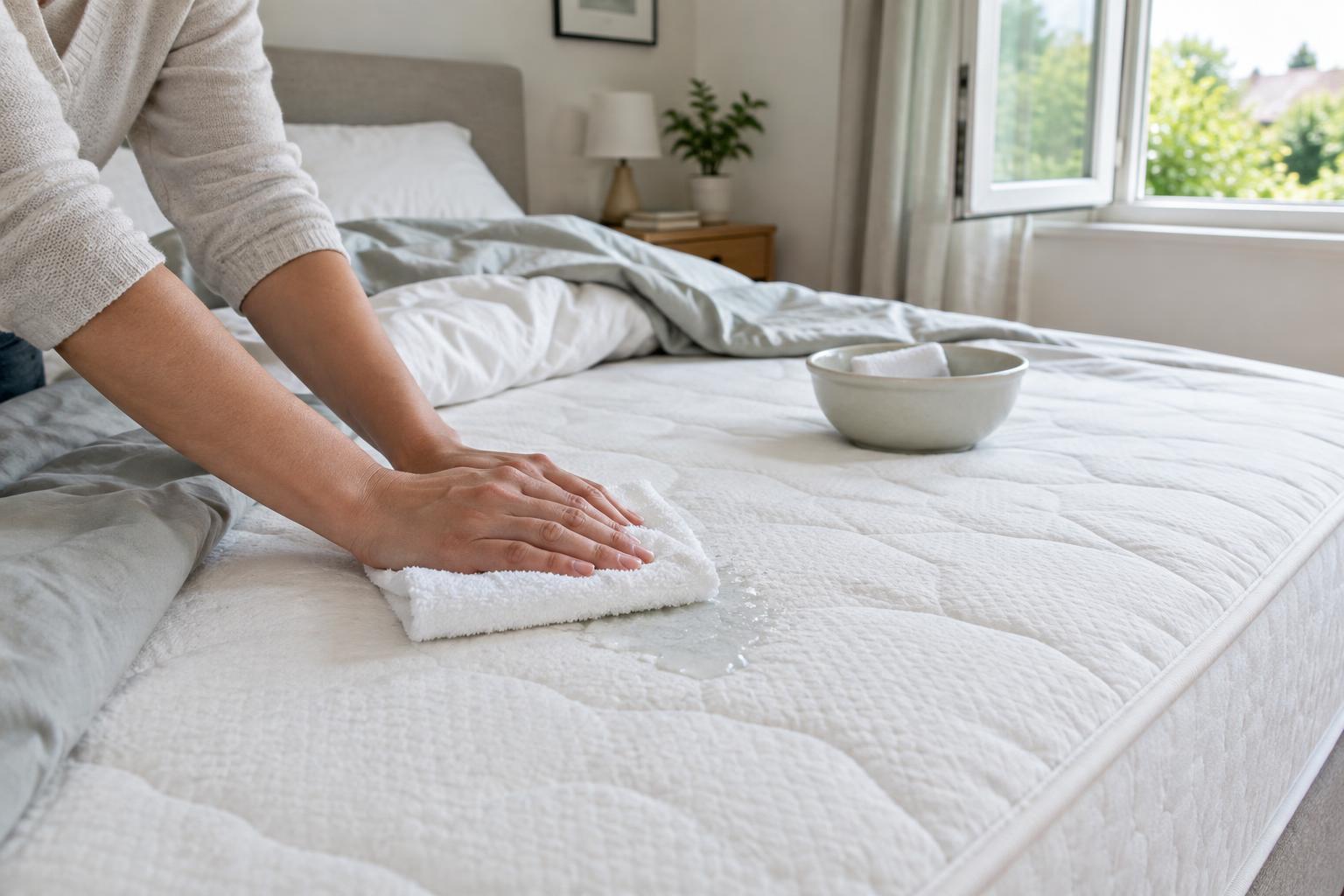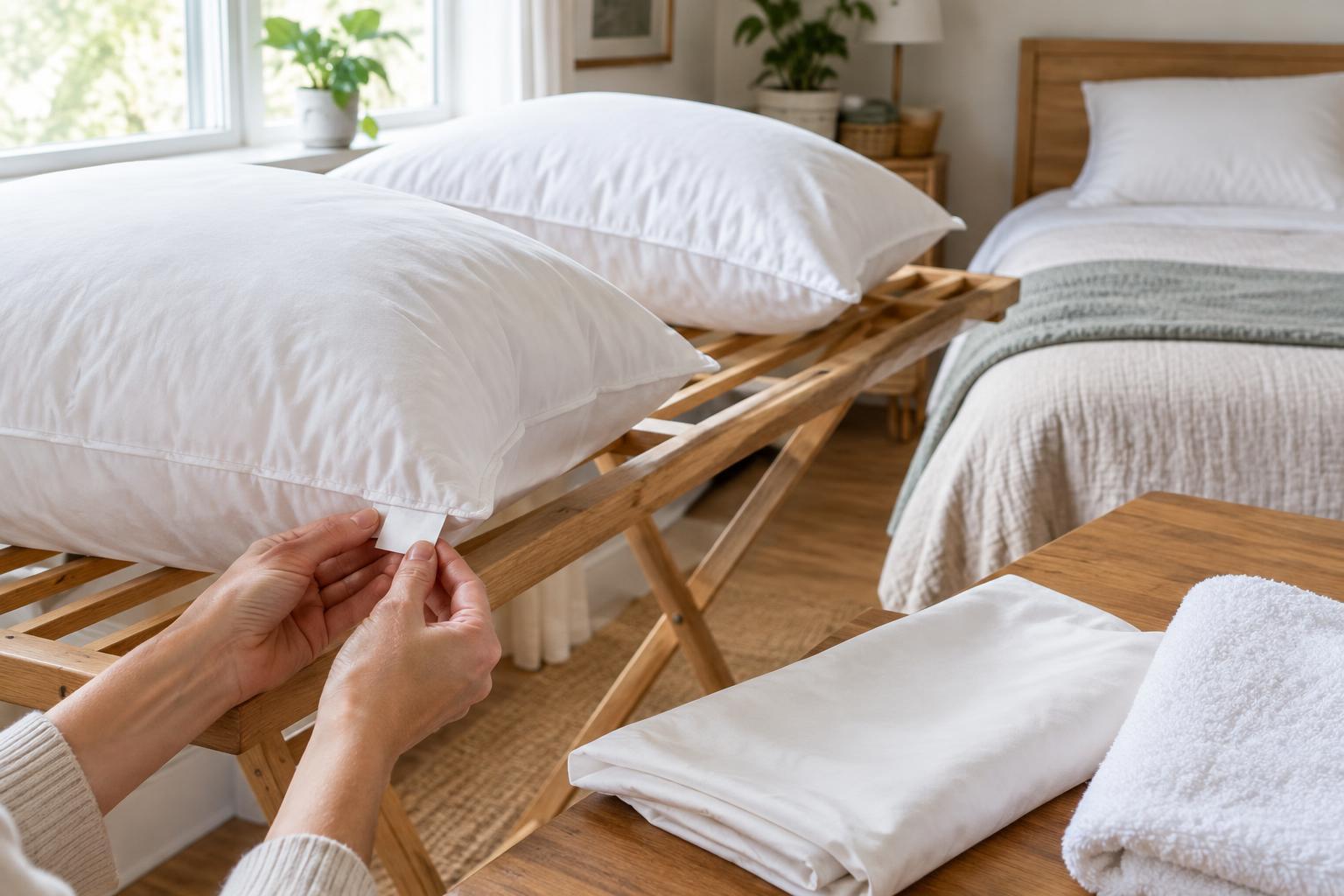
Care and MaintenancePillow care depends on what is inside. Learn how to check the care label, wash or spot-clean common fills, dry them thoroughly, and keep pillows fresher between cleanings.
Read article · 3 min↗

Care and MaintenanceA comforter or duvet insert needs room to move through the wash and dry completely afterward. Learn how to read its care label, judge whether your machine is large enough, and choose a cleaning approach that protects the filling.
Read article · 4 min↗
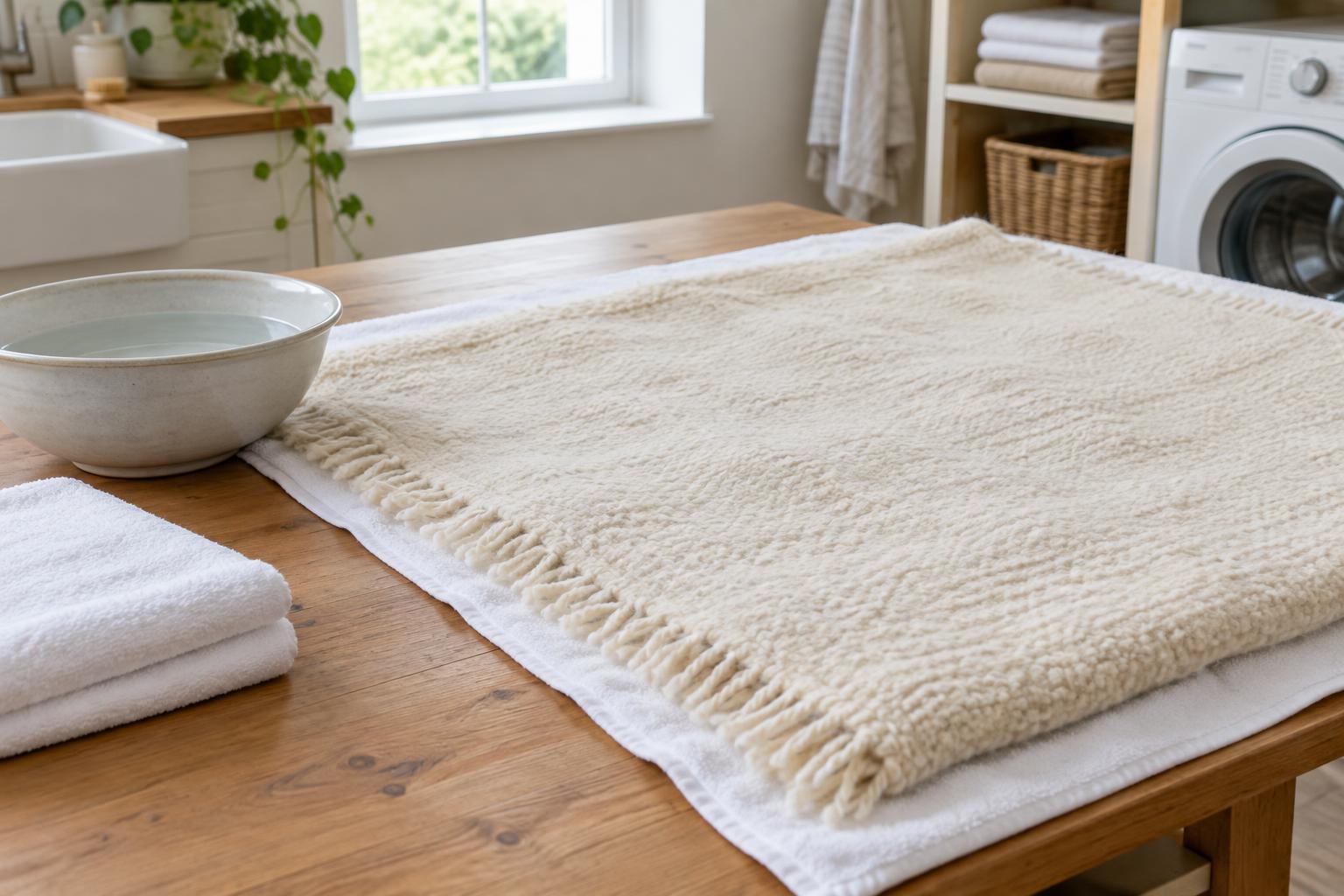
Care and MaintenanceWool blankets need gentle handling to stay soft and keep their shape. Learn when to wash, how to choose between hand and machine washing, and how to dry a blanket without unnecessary heat or agitation.
Read article · 4 min↗
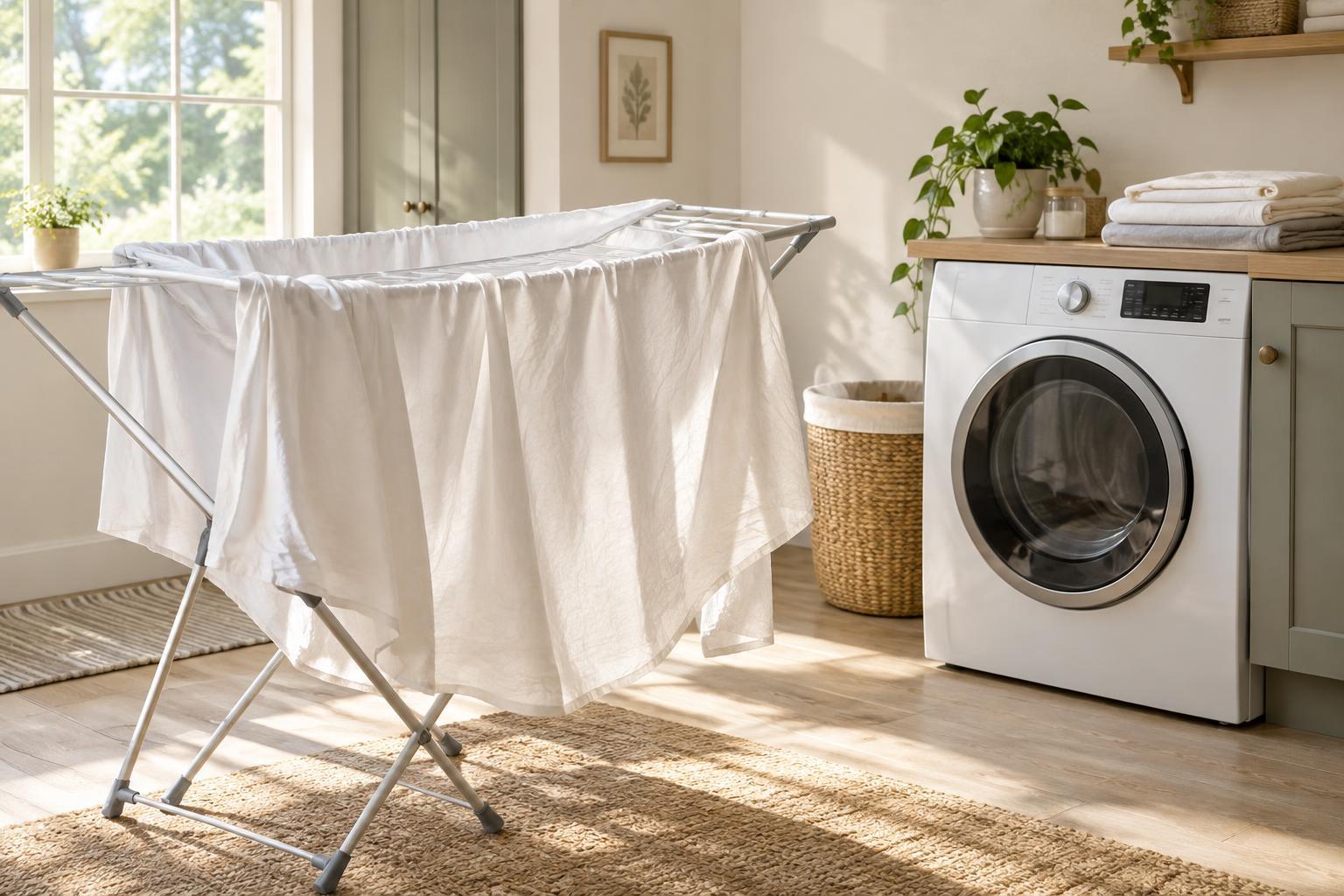
Care and MaintenanceA practical guide to drying sheets with less heat, less overdrying and fewer wrinkles. Learn when to use a dryer, when to air-dry, and how to keep different fabrics feeling comfortable.
Read article · 4 min↗
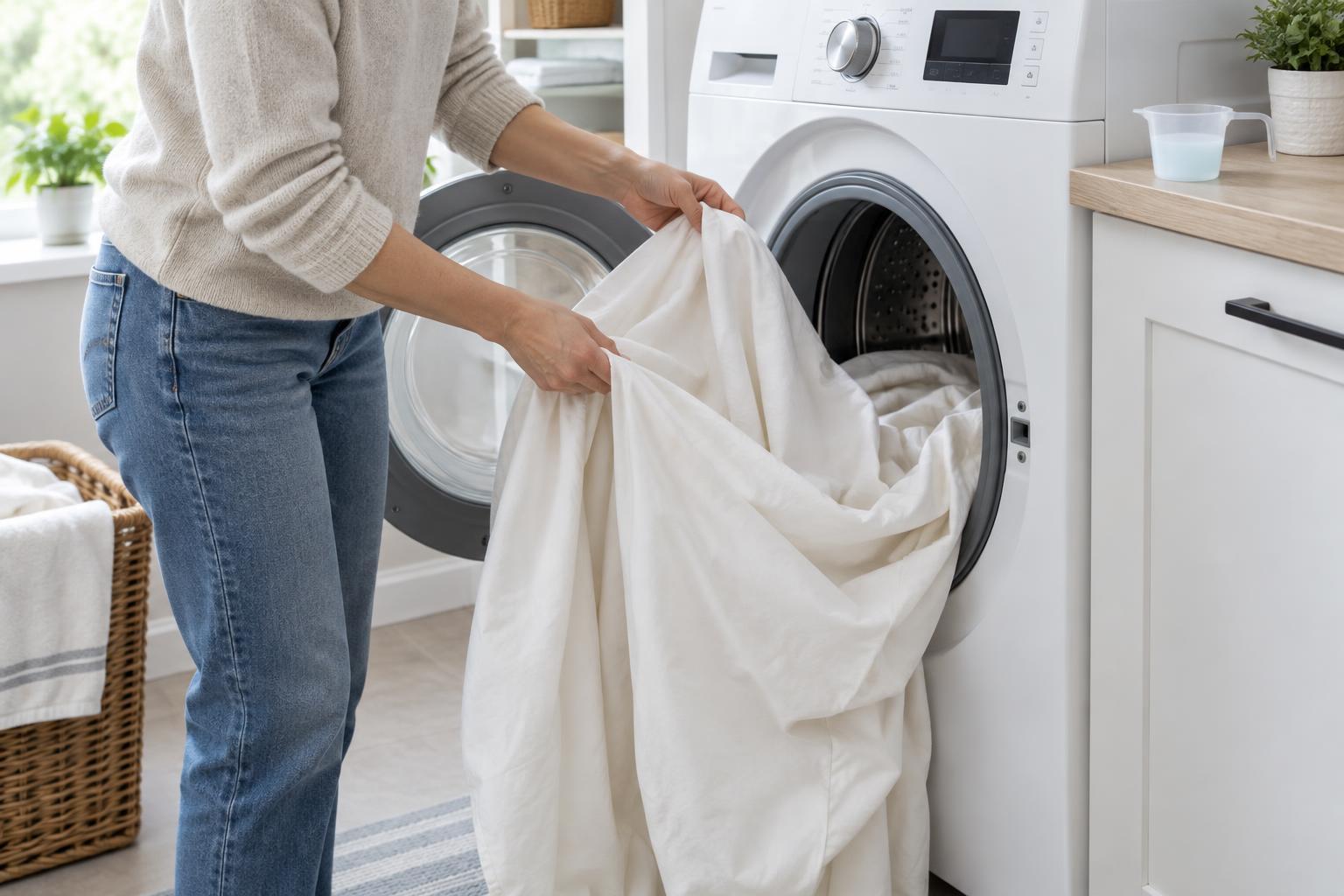
Care and MaintenanceSheets that emerge from the washer in a tight knot may still have soap trapped in their folds. Learn how load size, wash settings, detergent and drying habits can help sheets come out cleaner and easier to handle.
Read article · 4 min↗

Care and MaintenanceA weekly sheet wash is a useful starting point, but your routine can change with how you sleep, the season and the bedding you use. Learn when to wash pillowcases more often, how to adjust the schedule and how to make laundry day easier.
Read article · 4 min↗
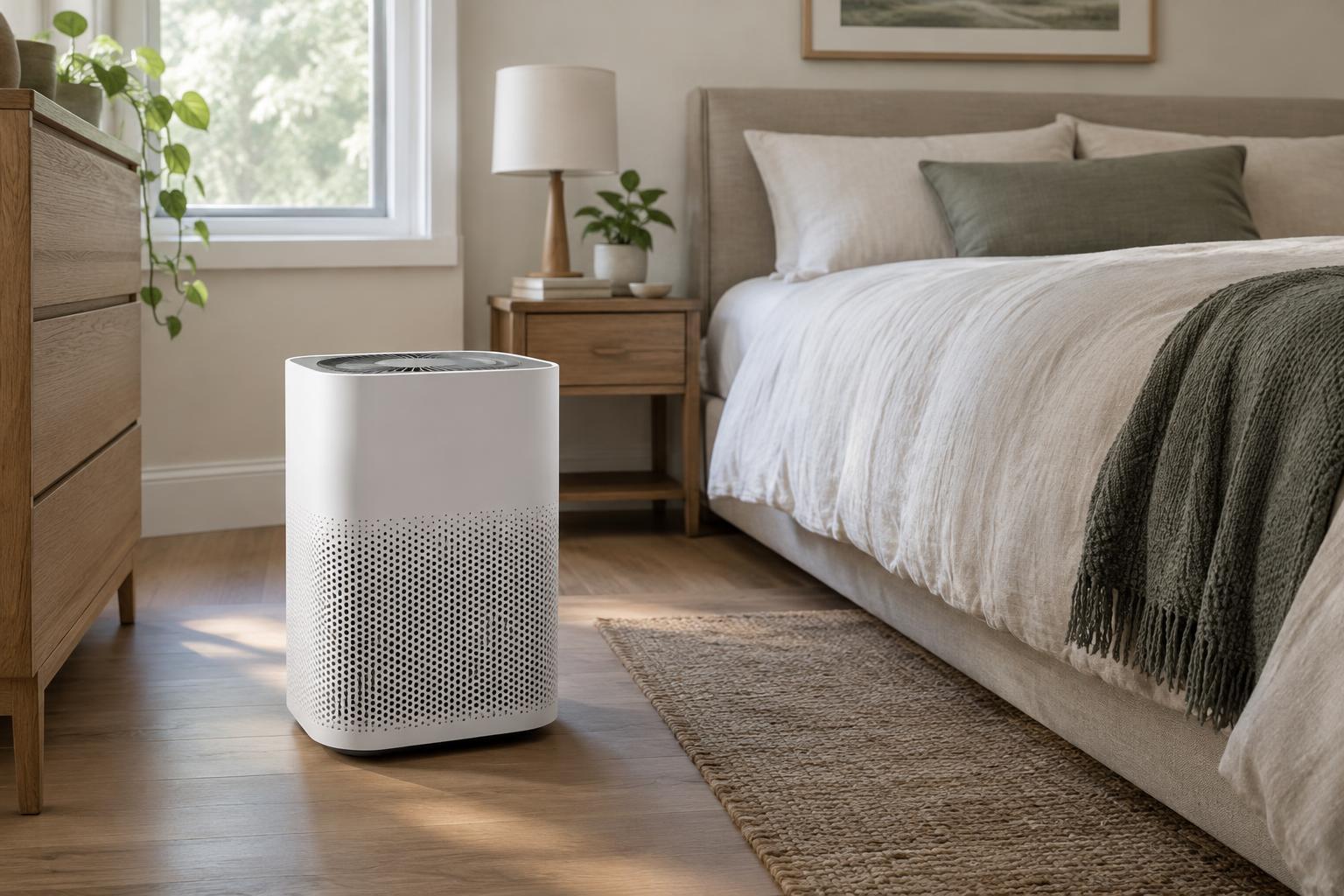
Bedroom ComfortA bedroom air purifier is easiest to choose when you start with the room’s size, then check its particle-cleaning capacity, filter costs and sound at a speed you can live with. This guide explains what the main filters do, where to place a unit and how to maintain it.
Read article · 4 min↗
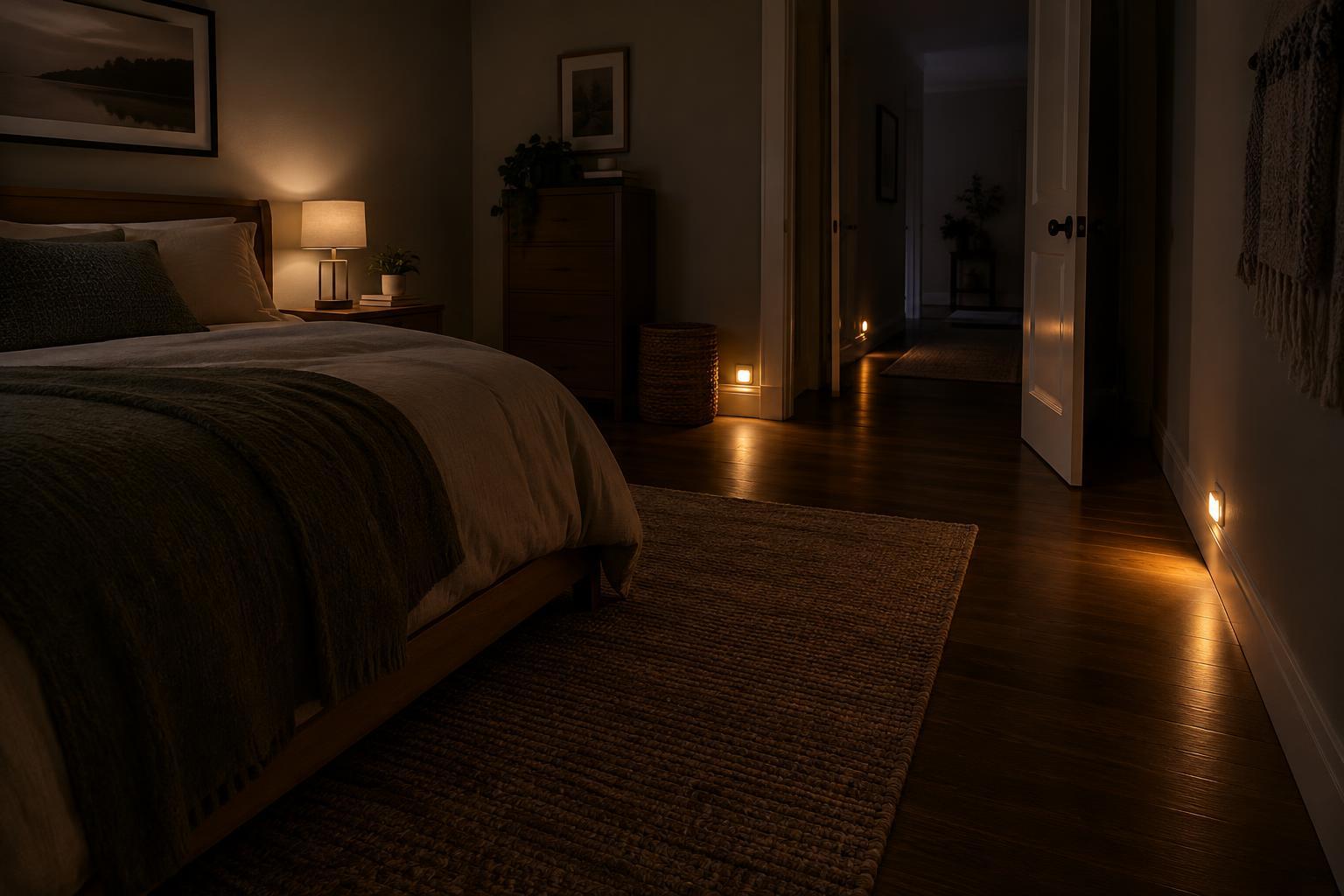
Bedroom ComfortA useful bedroom night-light makes the route to the door, bathroom or bedside essentials easier to see without filling the room with light. Learn how to choose a fixture, place it along a walking path and check it from the places you actually move at night.
Read article · 4 min↗
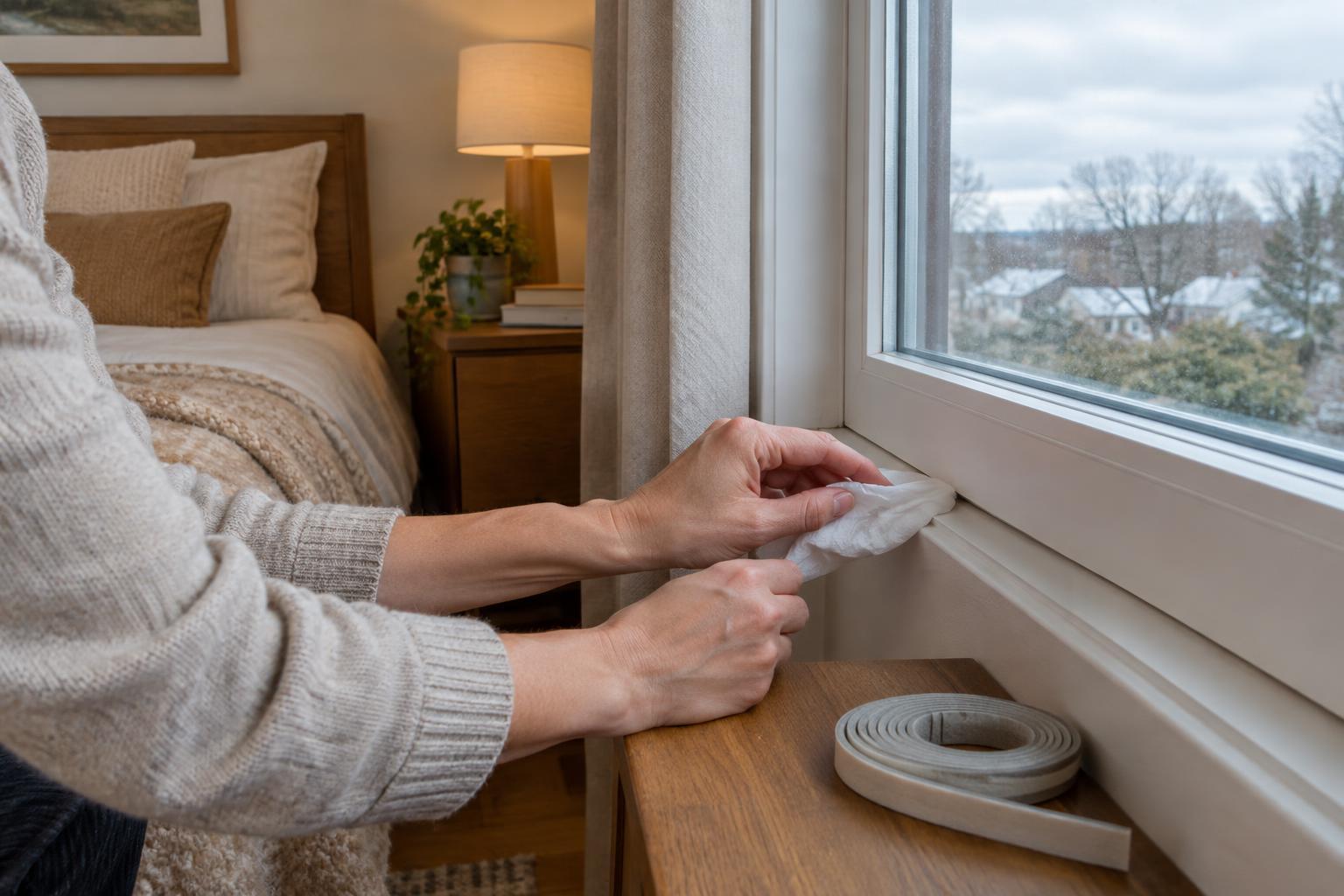
Bedroom ComfortA bedroom can feel chilly even when the heating is on if outside air slips around a window or door. Learn how to locate common leaks, choose simple fixes, and avoid sealing problems that need a more careful repair.
Read article · 4 min↗

Bedroom ComfortDaylight can make a bedroom feel welcoming, but direct sun and bright reflections may make it harder to rest, read or use a screen. Learn how to locate the source of glare and choose window coverings, room layouts and finishes that soften the light without making the space feel closed in.
Read article · 4 min↗
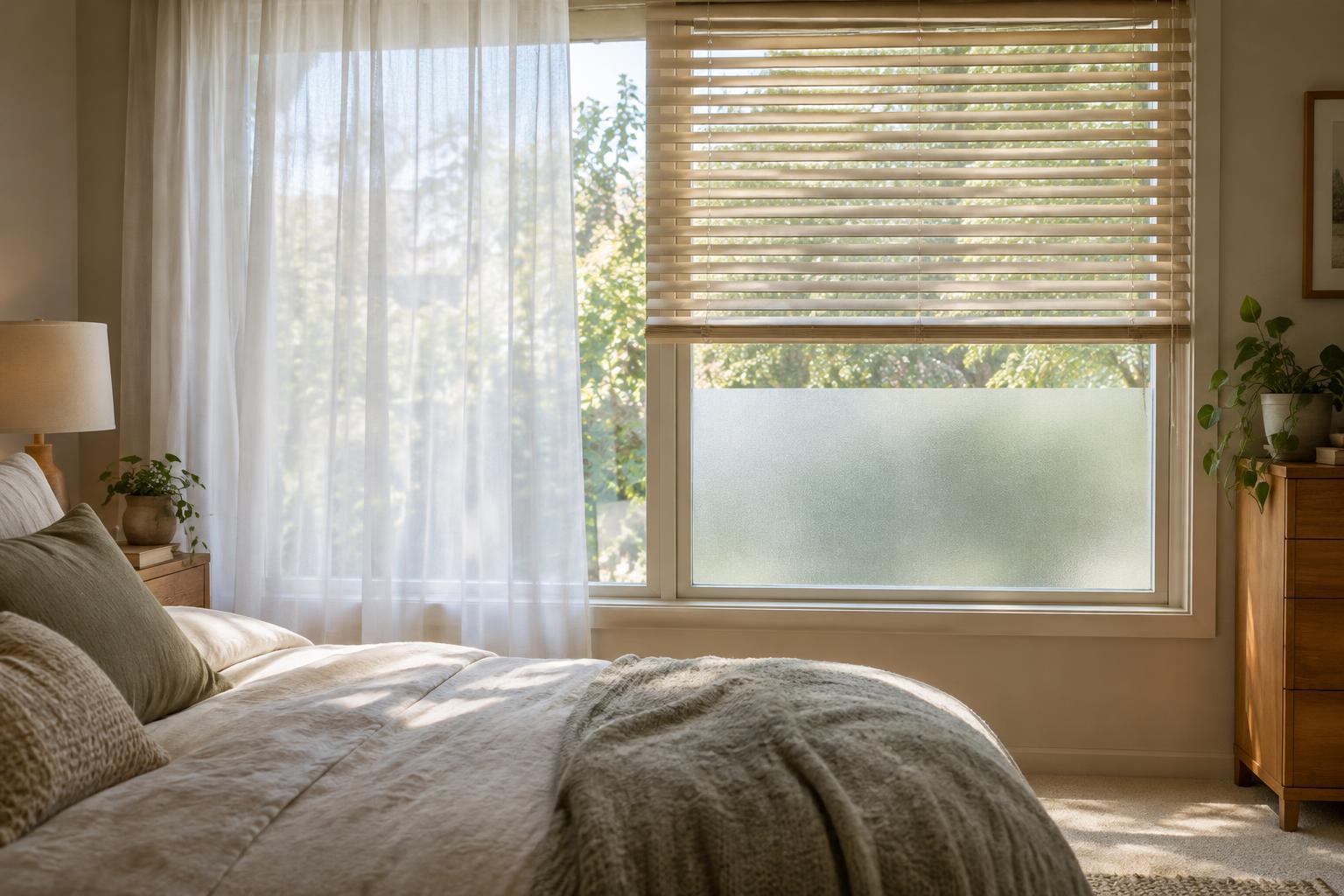
Bedroom ComfortA bedroom can feel open to daylight without feeling exposed. Learn how sheer curtains, blinds and window film affect visibility, light and everyday use, and how to choose a combination that also works after dark.
Read article · 3 min↗
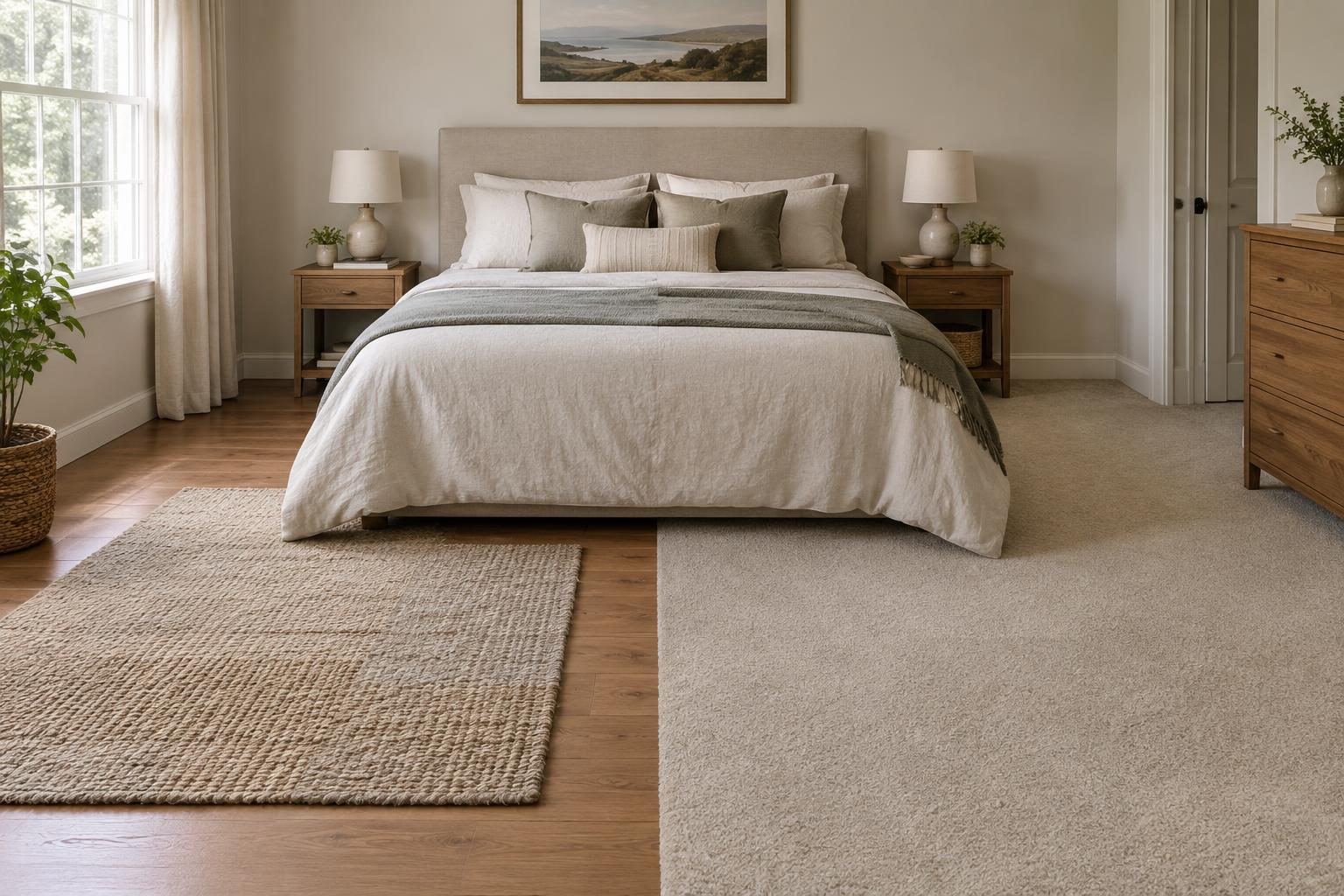
Bedroom ComfortCarpet can make a bedroom feel softer and quieter, while hard flooring is often easier to wipe clean and change with a rug. Compare the trade-offs in comfort, sound, upkeep and long-term flexibility before choosing.
Read article · 4 min↗
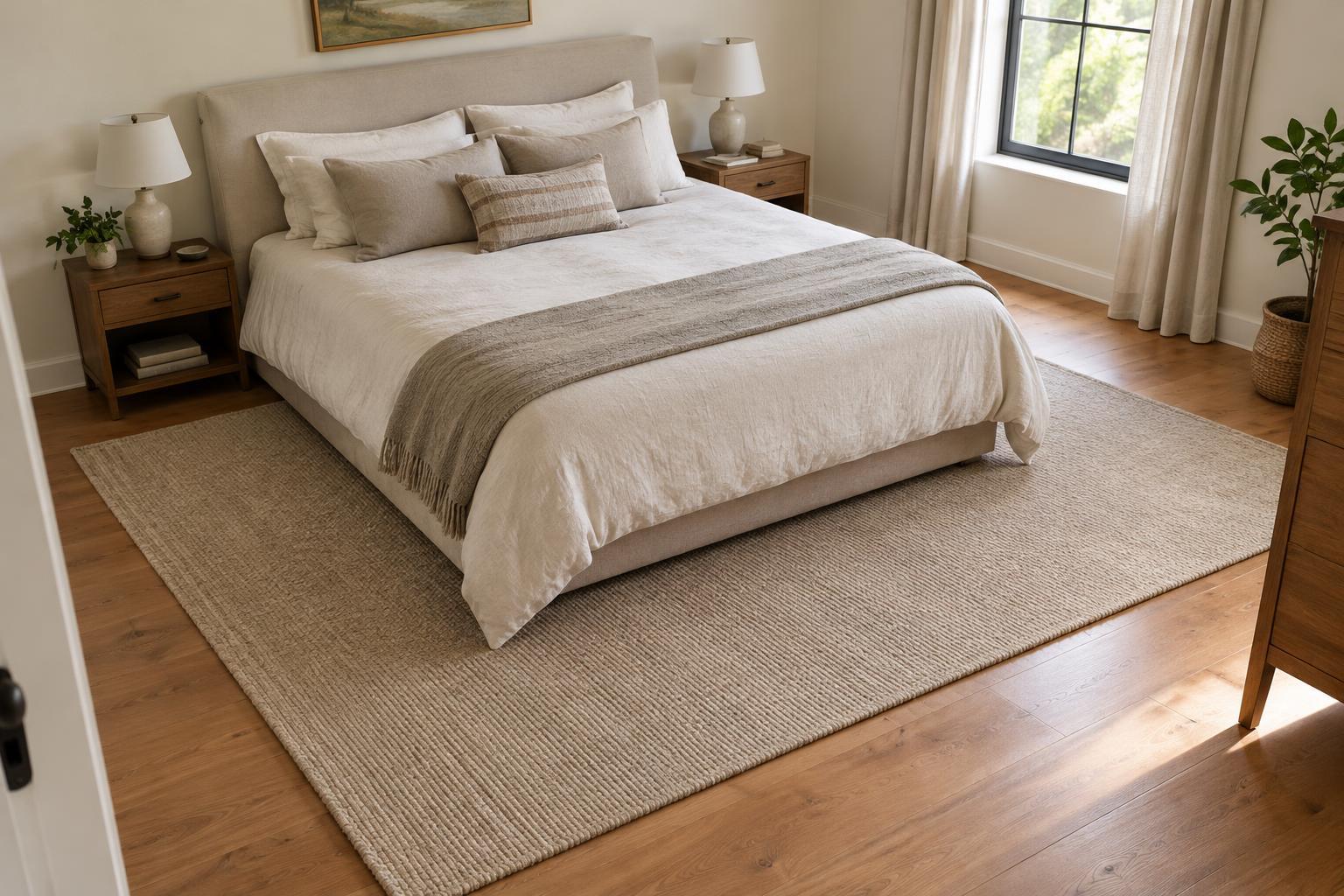
Bedroom ComfortA bedroom rug should give your feet a comfortable landing without crowding the room. Learn how to measure for a rug, compare common placements, and account for walkways, furniture and easy care.
Read article · 4 min↗

Bedroom ComfortAn upholstered headboard can feel soft for reading, while wood and metal offer different looks and cleaning routines. Learn how to compare comfort, construction and everyday upkeep before choosing one for your bedroom.
Read article · 4 min↗
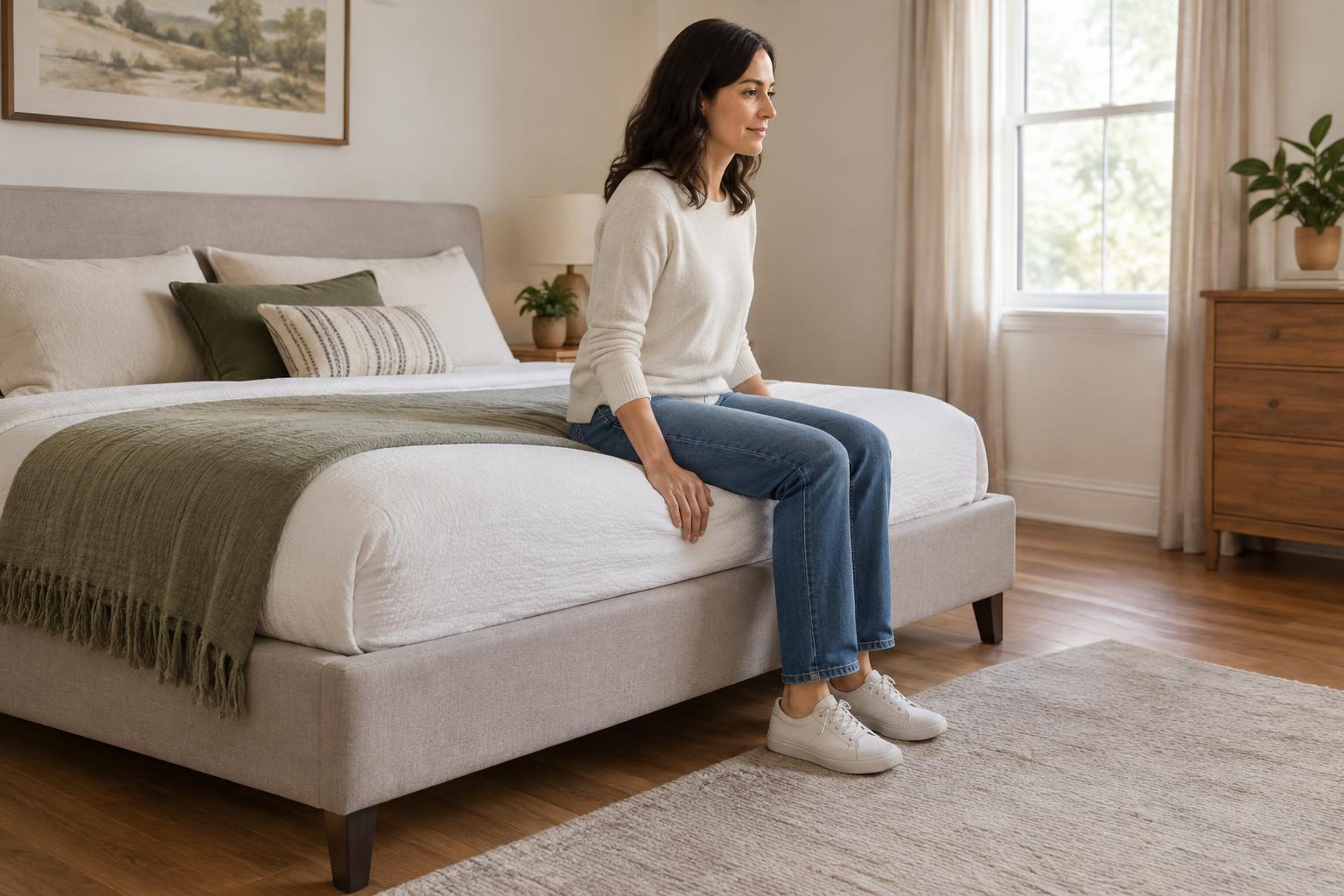
Bedroom ComfortA bed frame changes more than the look of a bedroom. Its height, combined with the mattress and foundation, affects how far you lower yourself to sit and how easily you can stand again. Learn how to assess the finished bed height and choose a setup that feels comfortable and steady.
Read article · 4 min↗

Bedroom ComfortA bedside table is most useful when you can reach it comfortably without stretching or knocking things over. Learn how to compare its height with your mattress, check the space beside your bed, and arrange everyday items within easy reach.
Read article · 4 min↗

Bedroom ComfortA well-placed bed leaves enough room to move, open storage and use the bedroom comfortably. Learn how to measure the space around your bed, compare common layouts and test a plan before moving heavy furniture.
Read article · 4 min↗
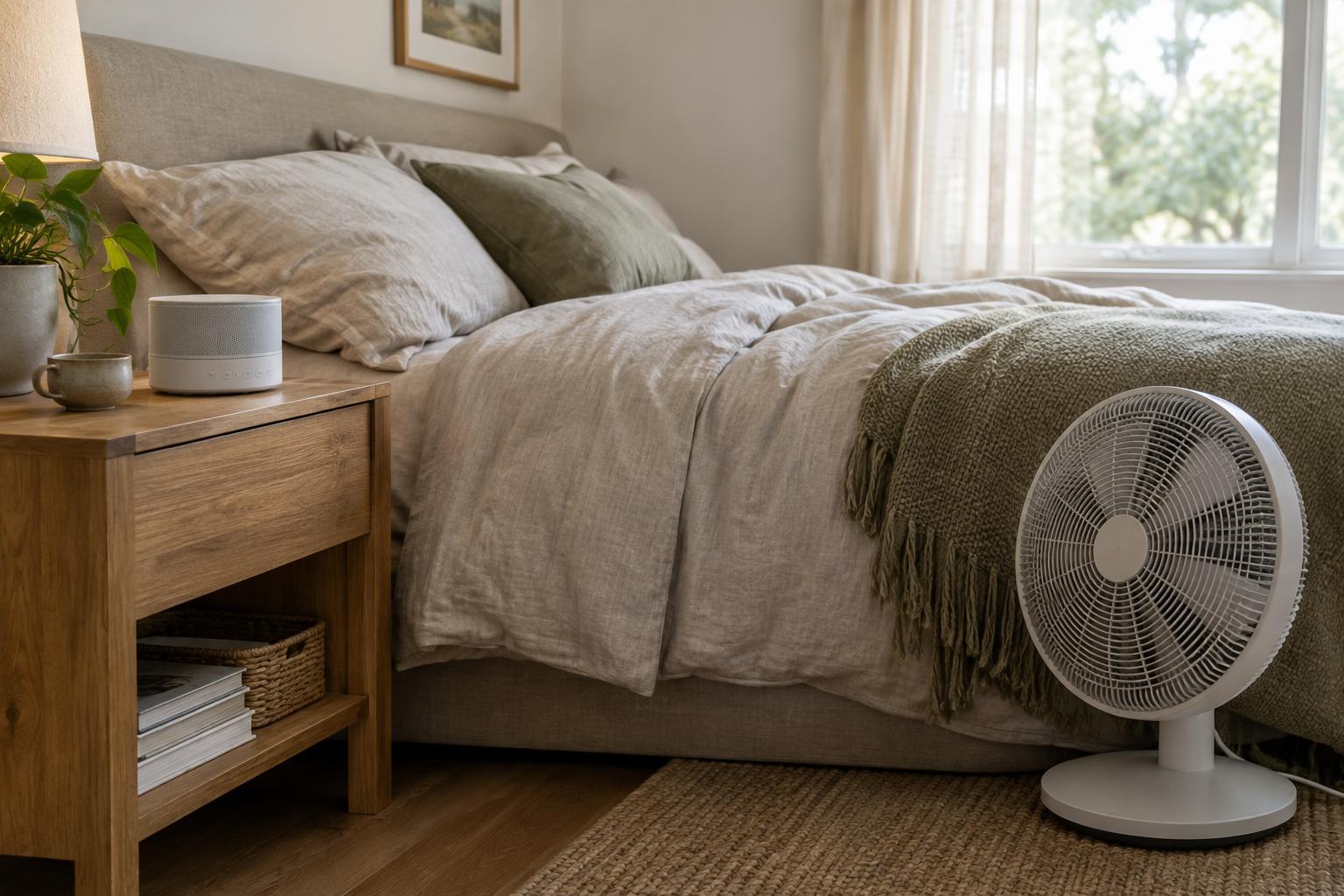
Bedroom ComfortA fan and a sound machine can both make intermittent bedroom noises less noticeable, but they differ in airflow, sound choices, placement and upkeep. Compare their practical trade-offs before deciding which fits your room.
Read article · 4 min↗

Bedroom ComfortA quieter bedroom starts with finding the paths sound takes into the room. Learn how door gaps, window seals, curtains, rugs and furniture affect noise, and which changes are worth trying first.
Read article · 4 min↗

Bedroom ComfortThe right bedroom bulb depends on what you do in the room and where the light falls. Learn how to compare lumens and color temperature, plan separate lights for reading and winding down, and check whether LED bulbs will work with your fixtures and dimmers.
Read article · 4 min↗

Bedroom ComfortA comfortable bedroom needs more than one overhead light. Learn how to combine ambient, task and accent lighting, place fixtures where they are useful, and choose controls that make the room easy to use throughout the day.
Read article · 4 min↗

Bedroom ComfortBlackout curtains, blinds and shades can all make a bedroom darker, but they differ in how they cover the window, handle light leaks and fit the room. This guide explains the trade-offs and how to choose a practical setup.
Read article · 4 min↗
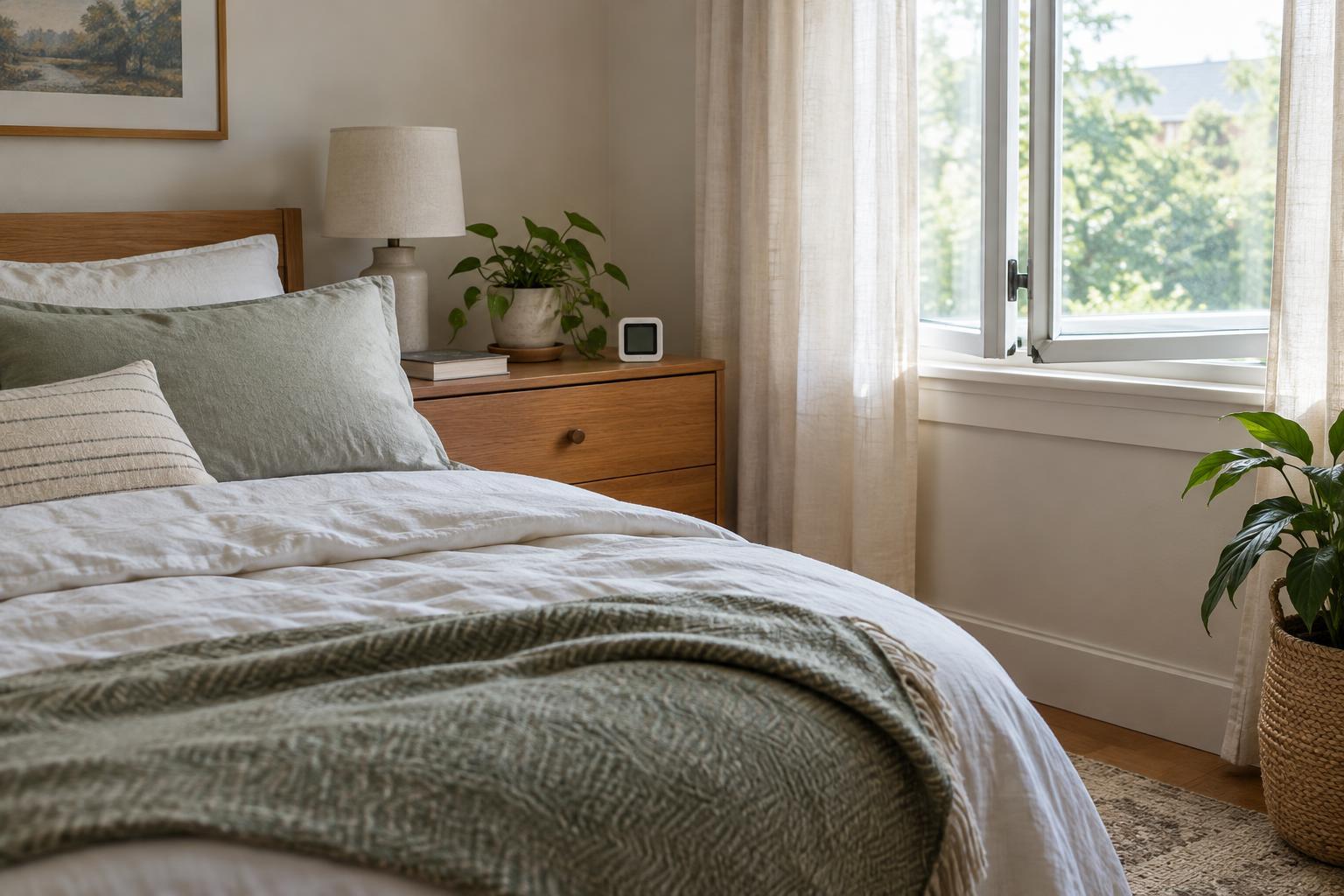
Bedroom ComfortBedroom humidity affects how the room feels and how well bedding dries between uses. Learn where to place a hygrometer, how to interpret its readings, and when ventilation, a humidifier, or a dehumidifier may help.
Read article · 4 min↗

Bedroom ComfortA comfortable bedroom needs more than the right mattress and bedding. Learn how windows, built-in vents and simple airflow habits can help a room feel fresher without overlooking temperature, outdoor conditions or safety.
Read article · 4 min↗

Bedroom ComfortCeiling and portable fans can both make a bedroom feel more comfortable, but they move air in different ways. Compare coverage, noise, placement, upkeep and flexibility before choosing one for your room.
Read article · 4 min↗

Bedroom ComfortA comfortable bedroom temperature depends on more than a thermostat number. Learn how to choose a starting setting, adjust for the season, and use bedding, airflow, and humidity to make the room feel right.
Read article · 4 min↗
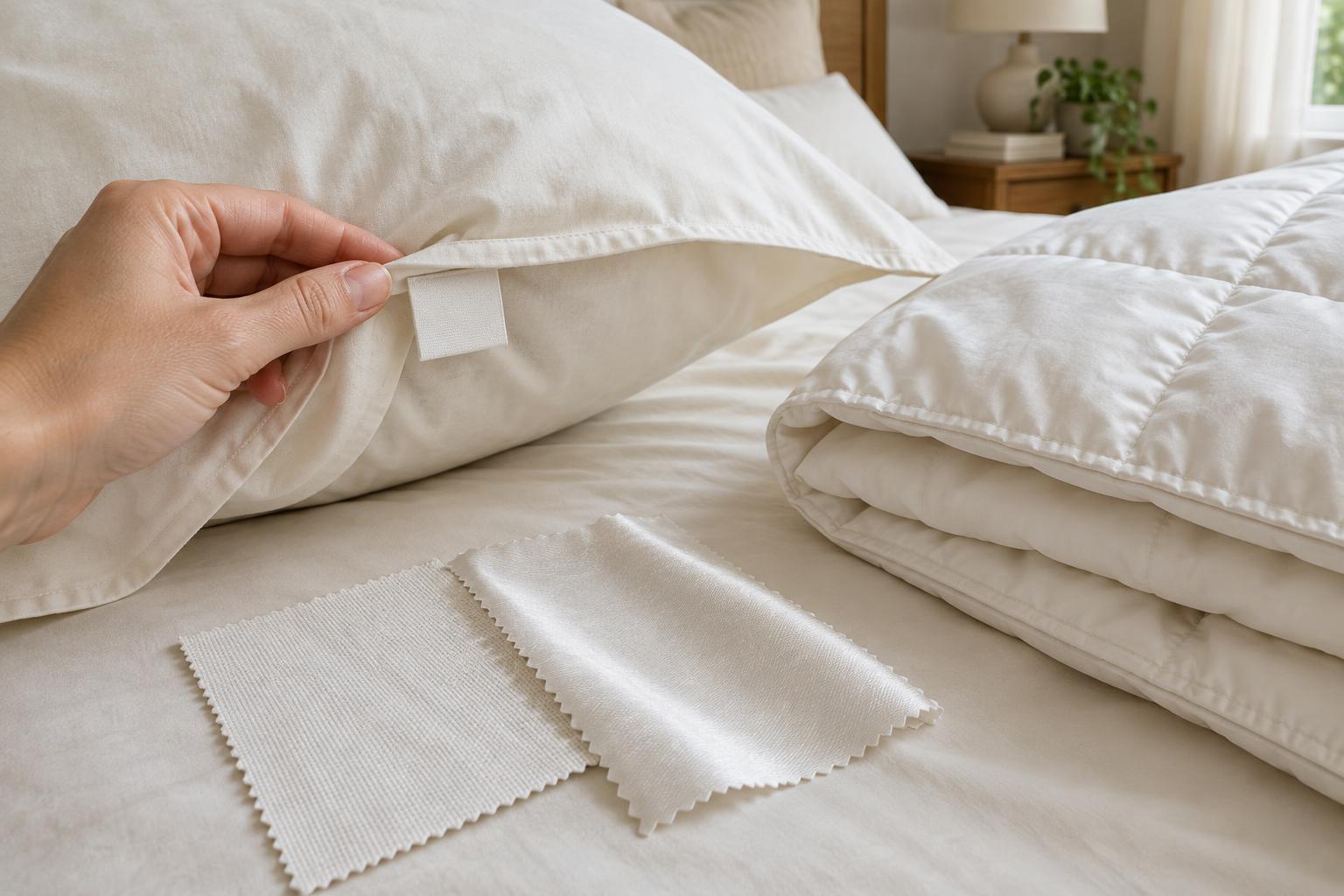
Bedding and PillowsBedding labels can tell you more than whether a sheet is cotton or a comforter is down. Learn how to separate fiber content from fabric construction, interpret common terms such as percale and sateen, and compare labels without relying on a single marketing claim.
Read article · 4 min↗
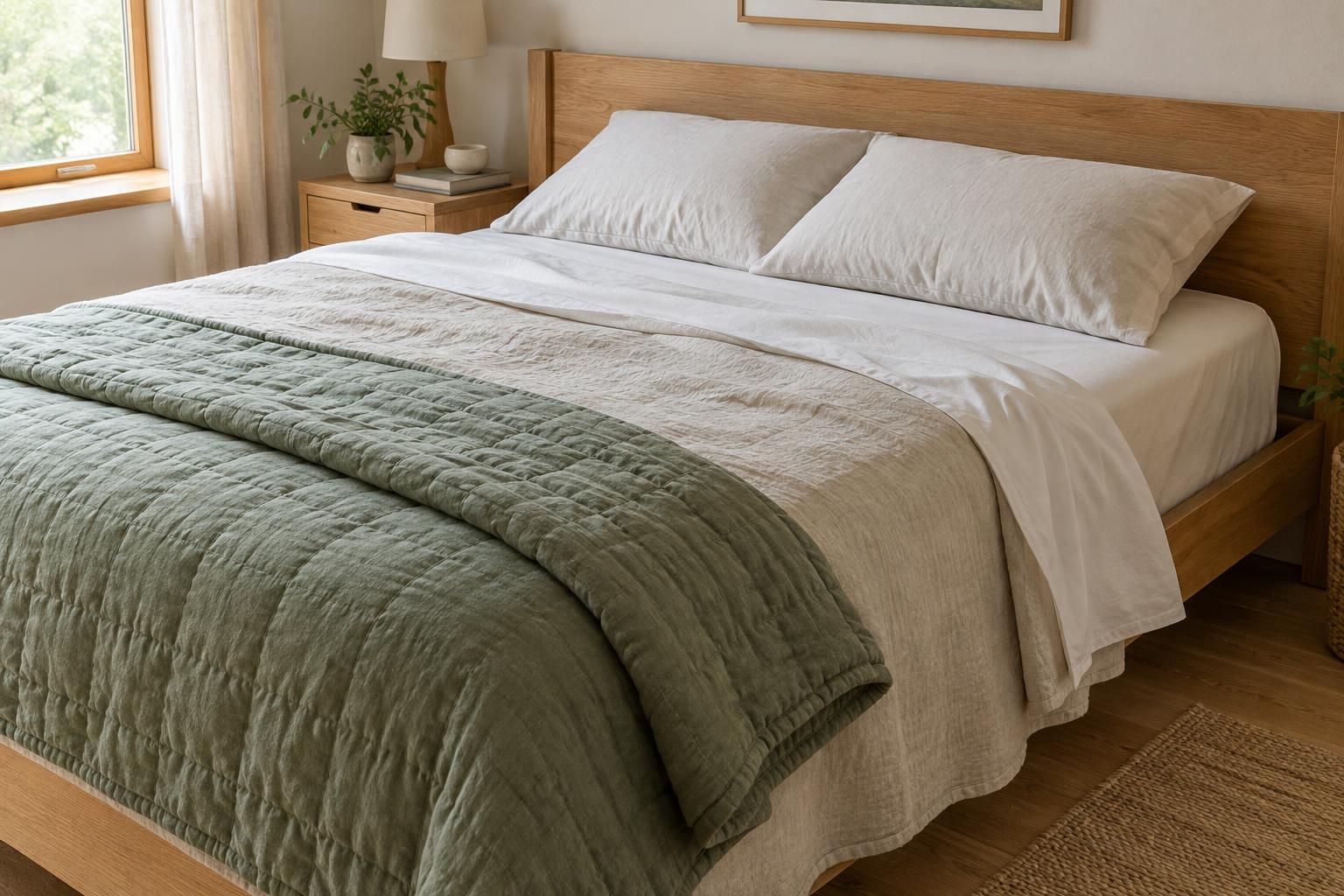
Bedding and PillowsA flexible bedding setup makes it easier to respond to changing room temperatures and different sleep preferences. Learn how to choose a breathable base, add removable layers and arrange blankets so warmth is easy to adjust.
Read article · 4 min↗
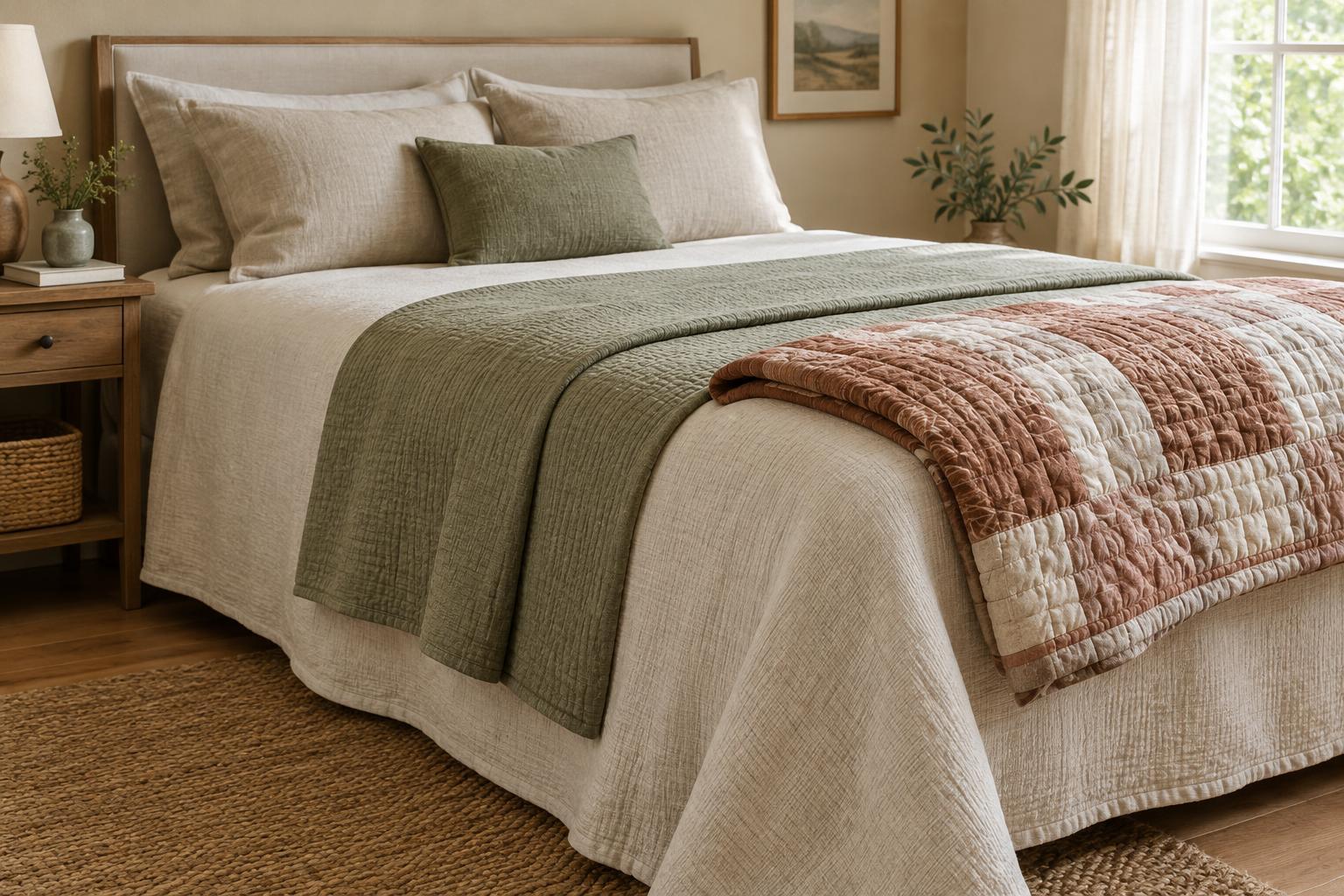
Bedding and PillowsQuilts, coverlets and bedspreads can all finish a bed, but they differ in construction, warmth and how far they hang over the sides. Learn what each one does best and how to choose a layer that suits your room and routine.
Read article · 4 min↗
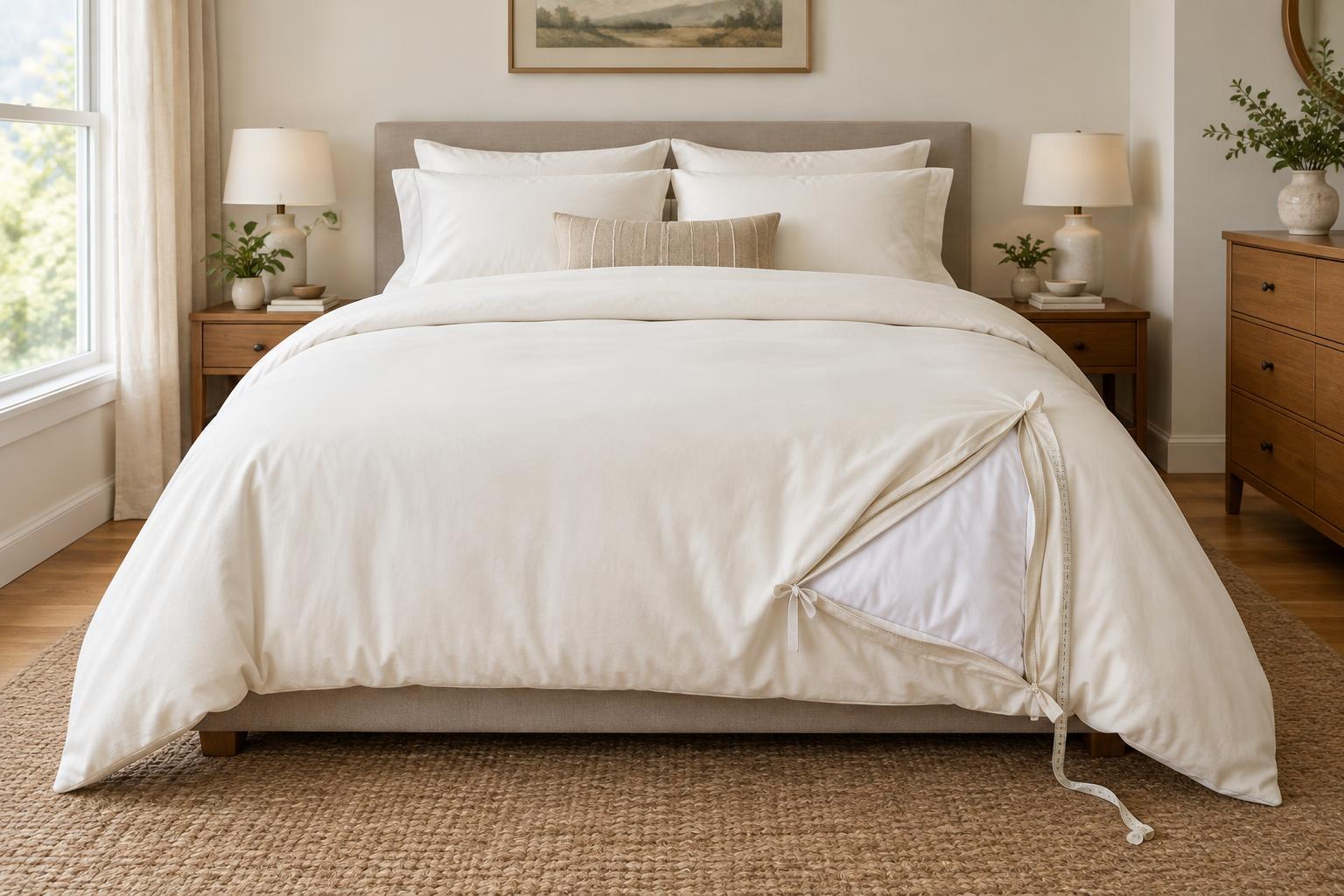
Bedding and PillowsA duvet cover needs to fit its insert, but the insert also needs to suit the bed. Learn how to compare actual measurements, choose the drape you want and avoid a cover that bunches or pulls tight.
Read article · 4 min↗

Bedding and PillowsA duvet insert’s warmth rating is a starting point, not a promise of how it will feel in your bedroom. Learn how to compare tog ratings and other labels, then account for room temperature, fill, construction, and your own sleep preferences.
Read article · 4 min↗
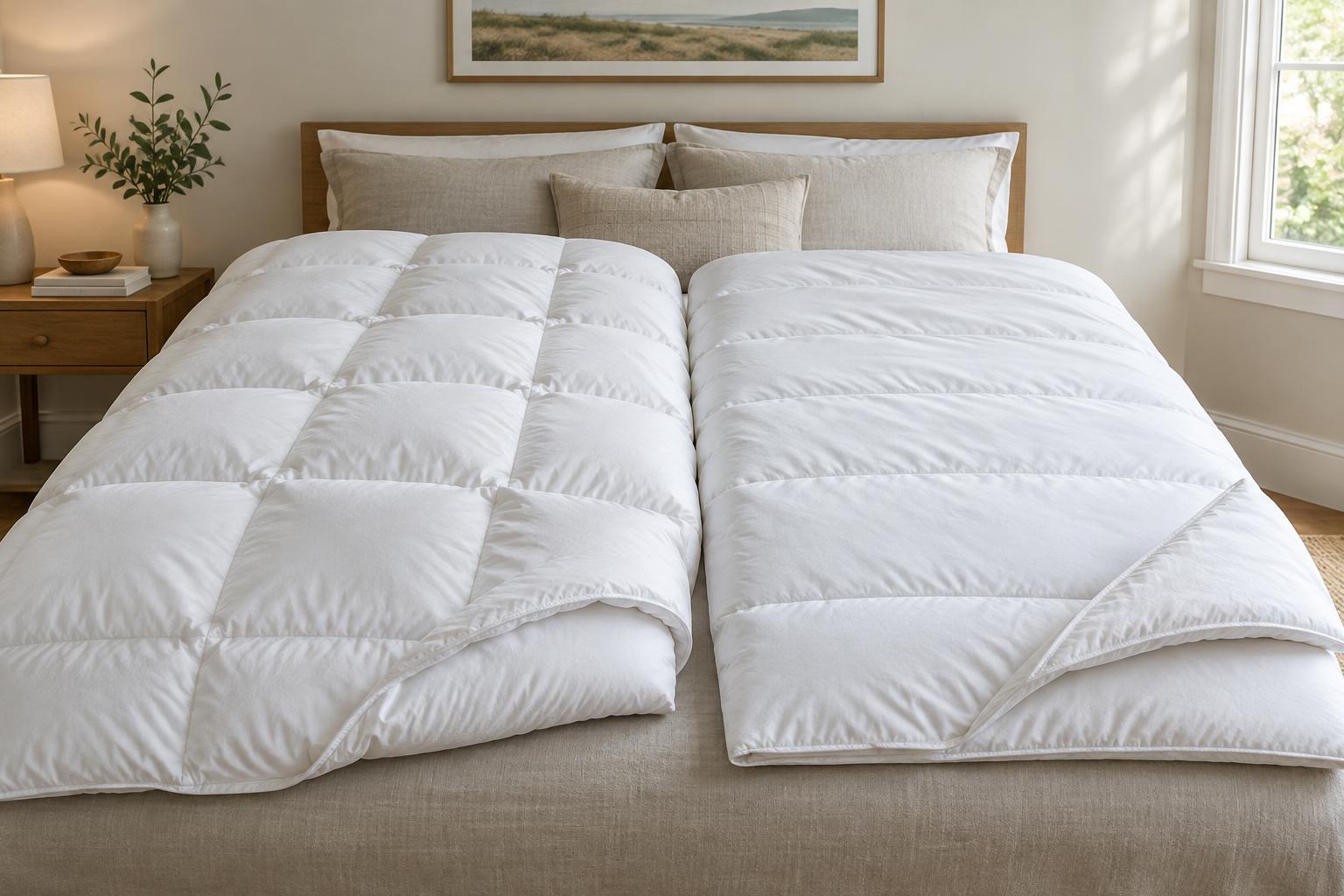
Bedding and PillowsDown and down-alternative duvet inserts can both make a bed feel inviting, but they differ in weight, warmth, care and cost. Learn what the labels can—and cannot—tell you before choosing an insert.
Read article · 4 min↗
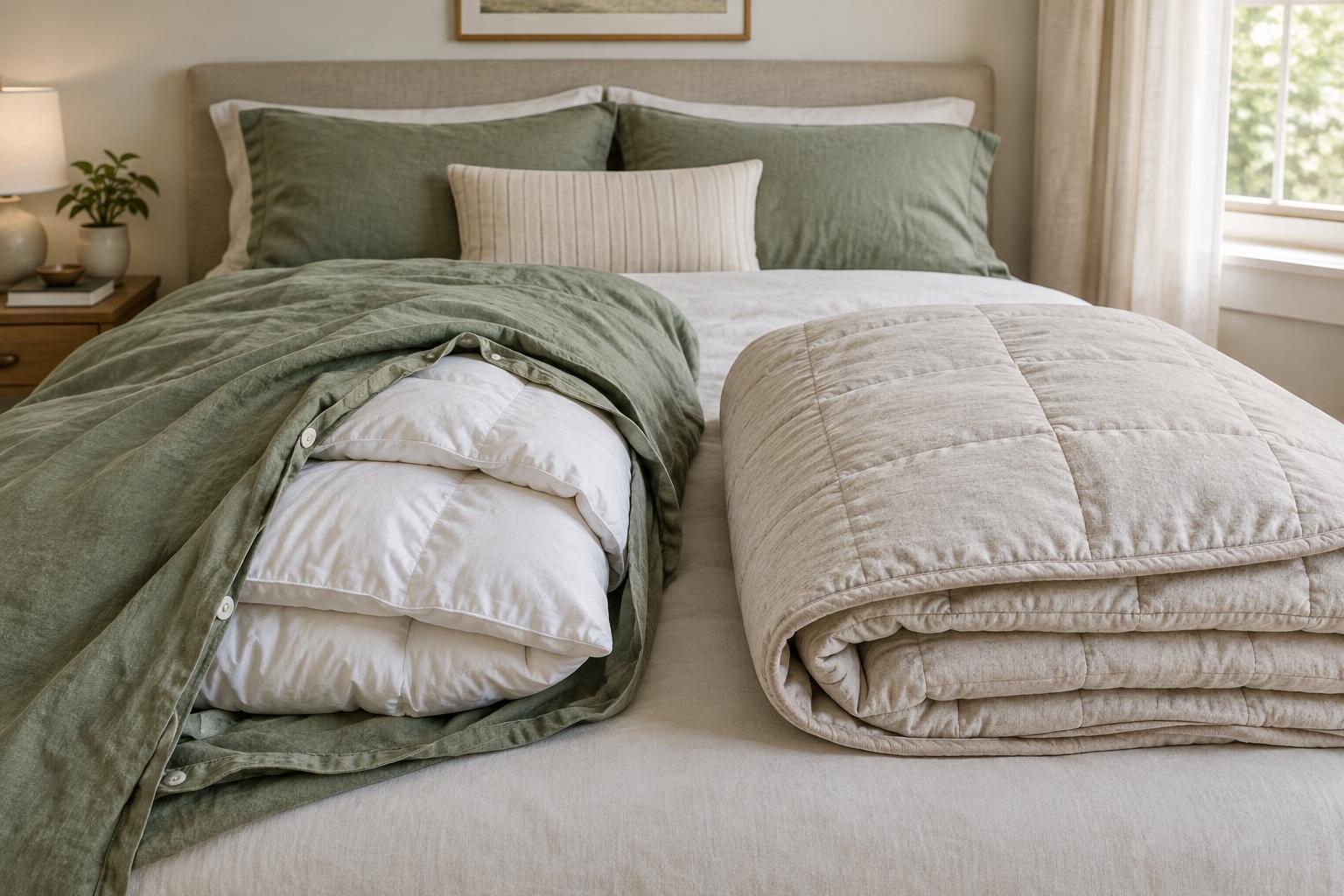
Bedding and PillowsA duvet insert and a comforter can look much the same on a bed, but they are designed for different routines. Learn how their construction, covers, warmth and care requirements compare so you can choose the option that suits your bedroom.
Read article · 4 min↗
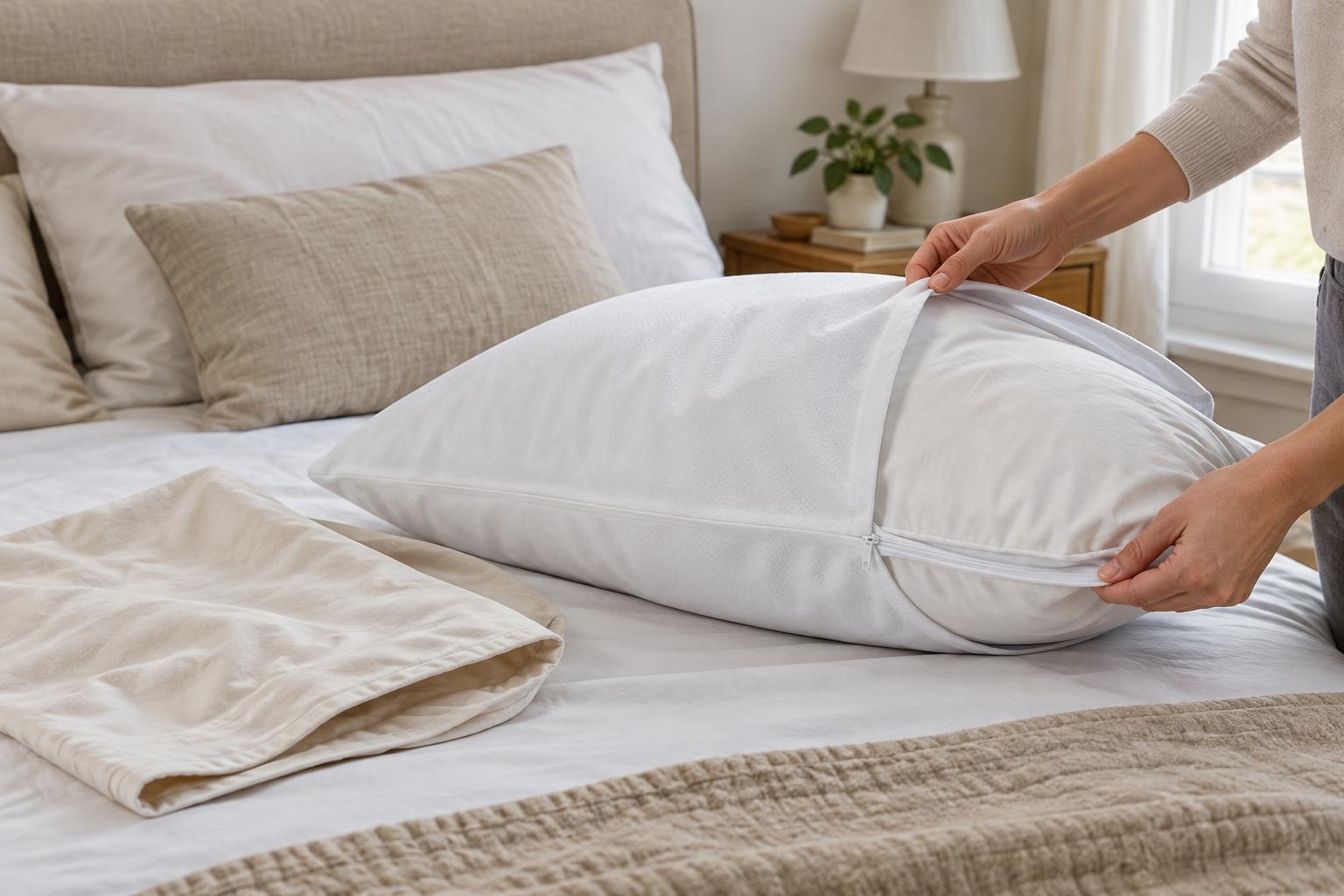
Bedding and PillowsA pillow protector is a removable layer that sits between your pillow and pillowcase. Learn what it can help keep off your pillow, how common materials differ, and when an extra layer is worth using.
Read article · 4 min↗

Bedding and PillowsPillowcases and pillow shams may fit the same pillow, but they usually serve different purposes. Learn how they differ in feel, construction, sizing and care so you can choose what belongs under your head and what belongs on display.
Read article · 3 min↗
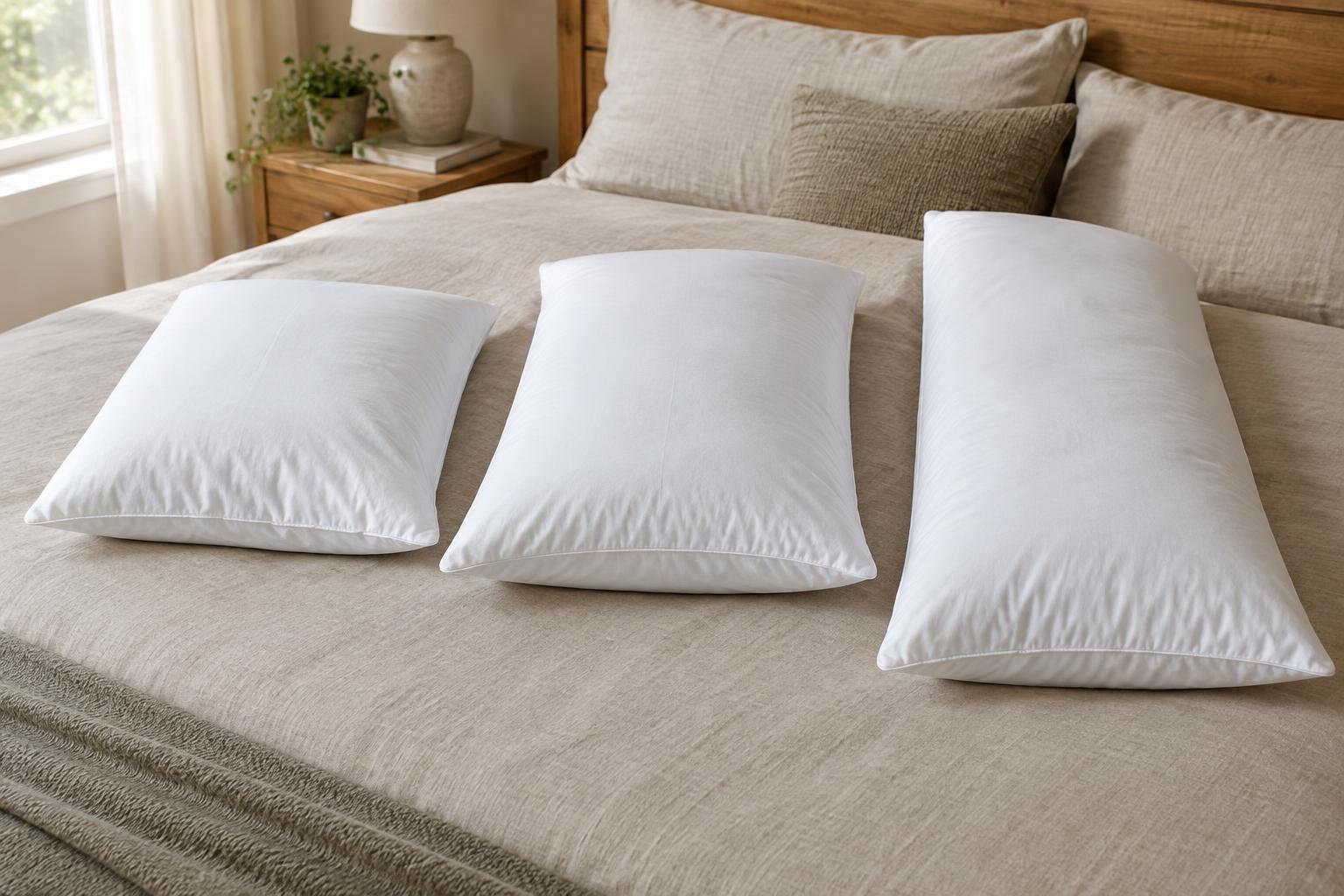
Bedding and PillowsStandard, queen and king pillows share a similar width but differ in length. Learn the usual dimensions, how each size sits on a bed, and what to check when buying pillowcases and shams.
Read article · 4 min↗
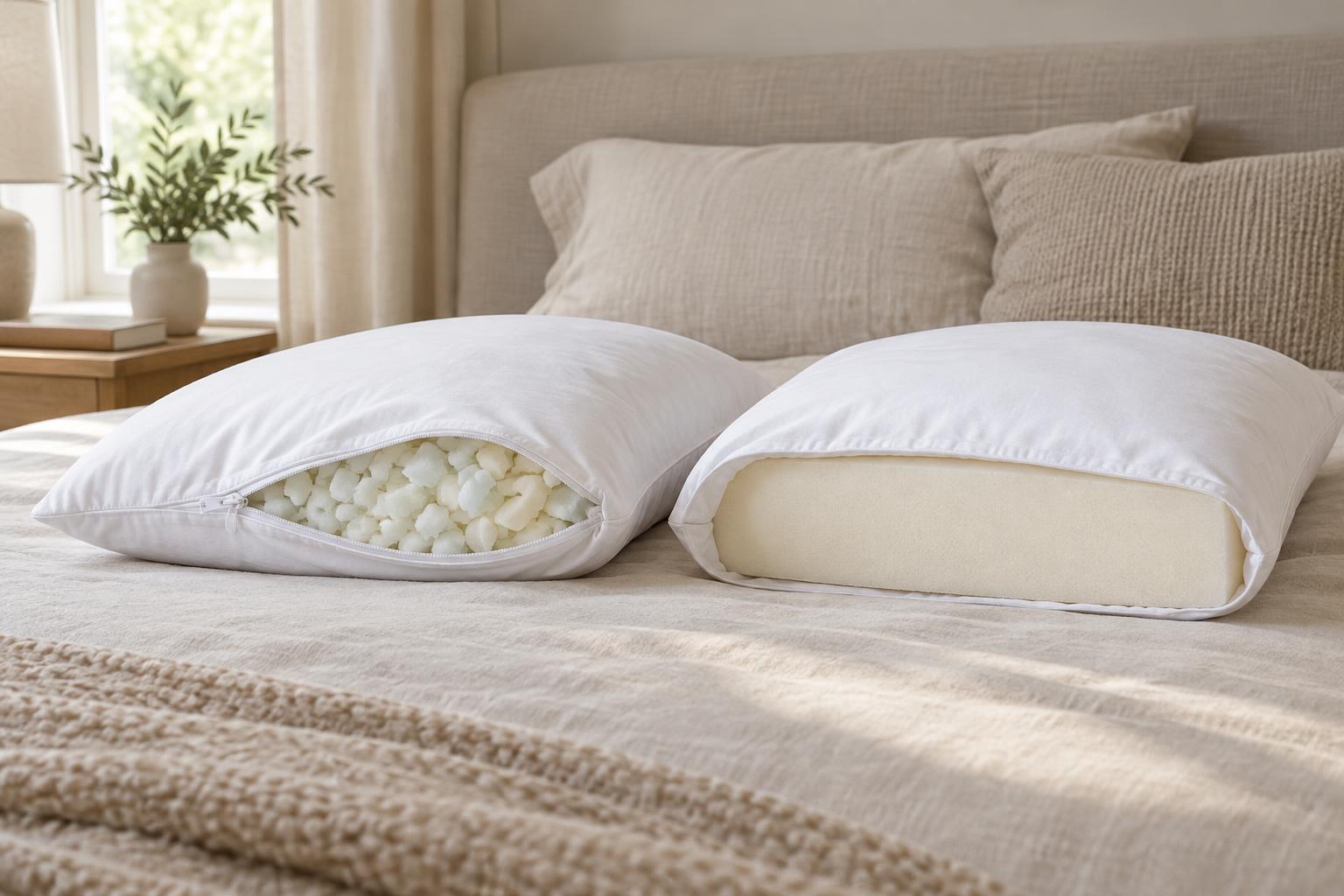
Bedding and PillowsShredded and solid foam pillows can feel quite different, even when they use similar materials. Learn how their construction affects shape, support, temperature and upkeep—and which details to check before buying.
Read article · 4 min↗
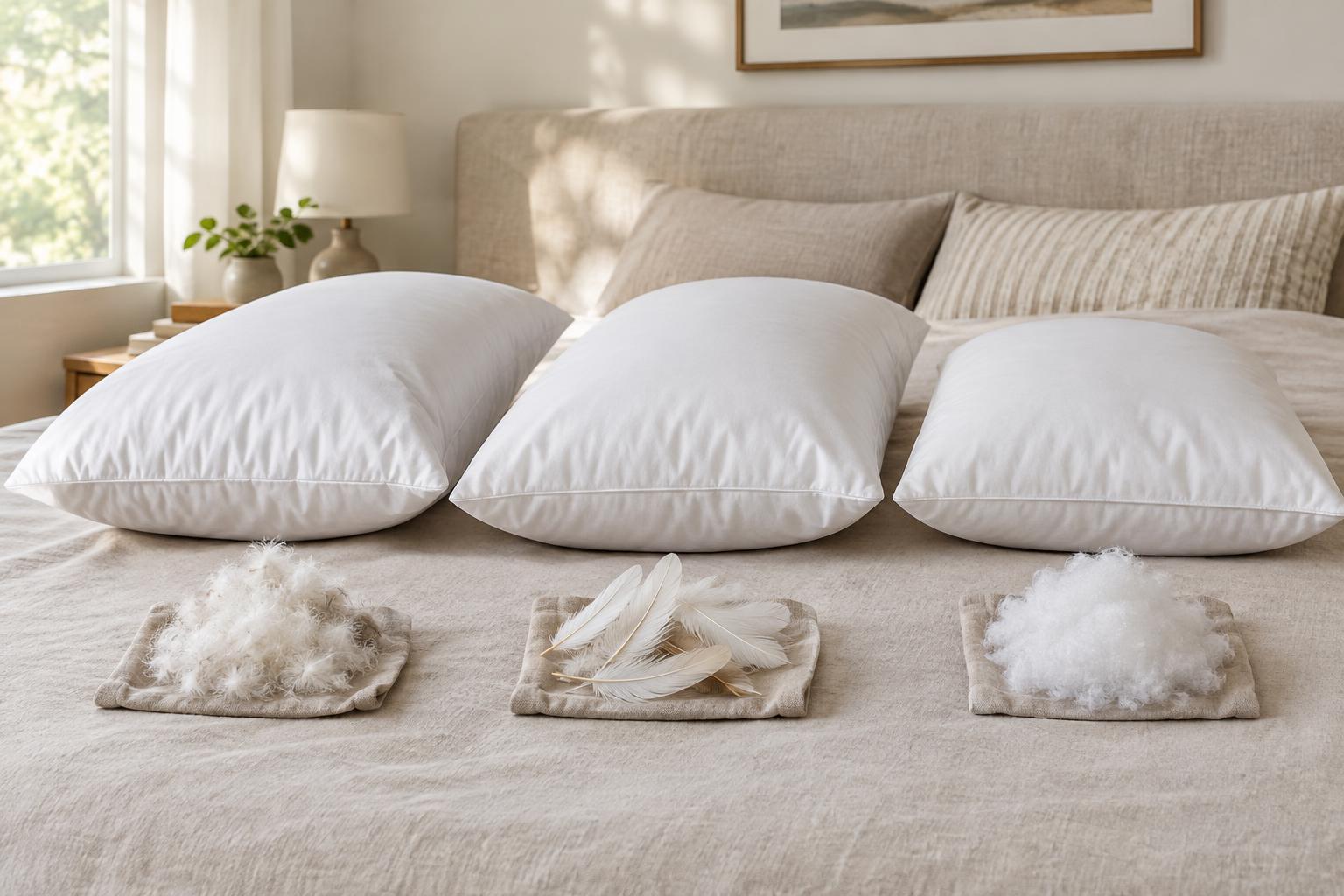
Bedding and PillowsDown, feather and down-alternative pillows can feel similar at first glance, but their fill, support and care needs differ. Learn how each type is made and what to check when choosing a pillow for your bed.
Read article · 4 min↗
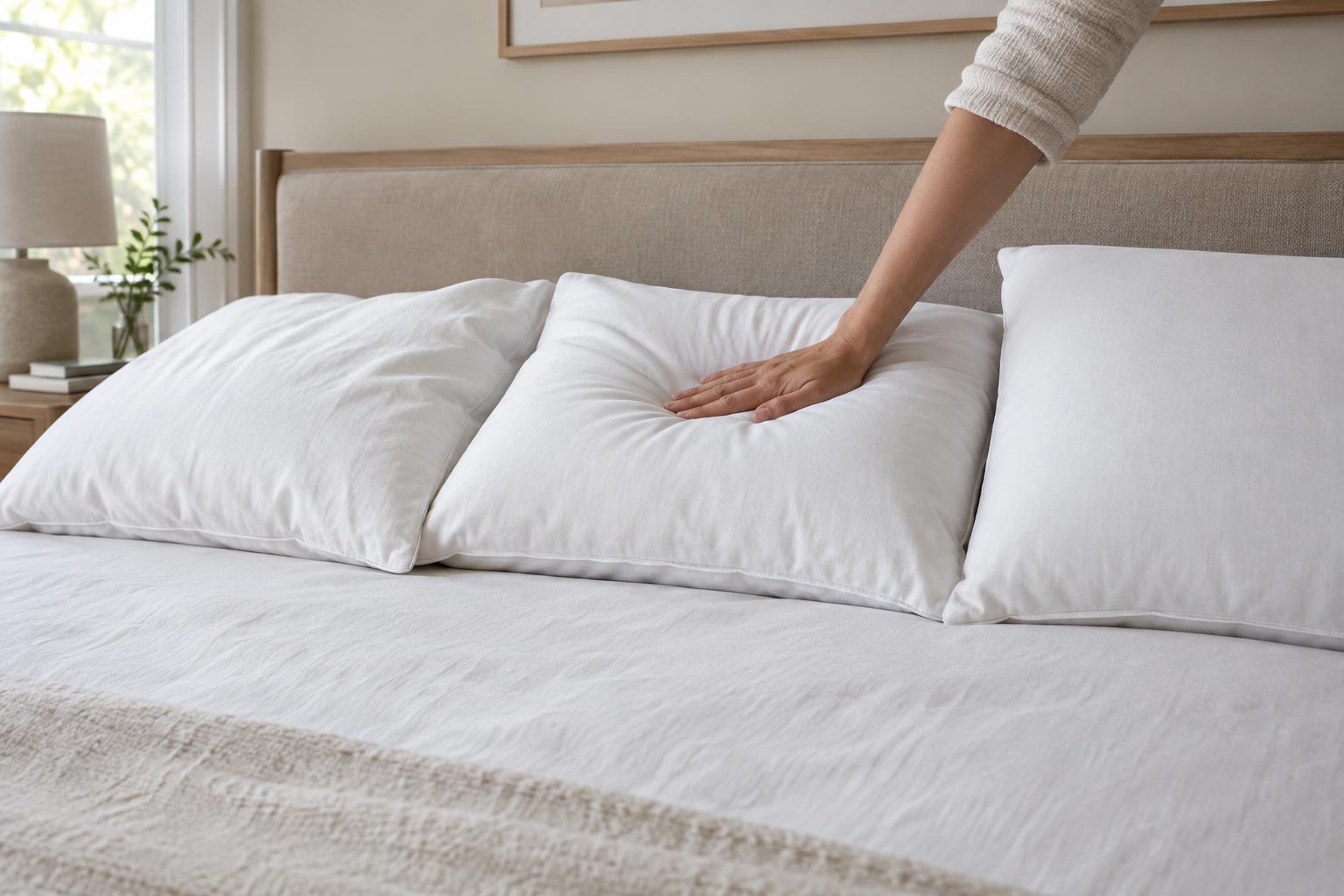
Bedding and PillowsPillow firmness describes how readily a pillow compresses, but it is only one part of a comfortable fit. Learn how firmness works with loft, sleep position and mattress feel, then use a simple at-home check to compare options.
Read article · 4 min↗
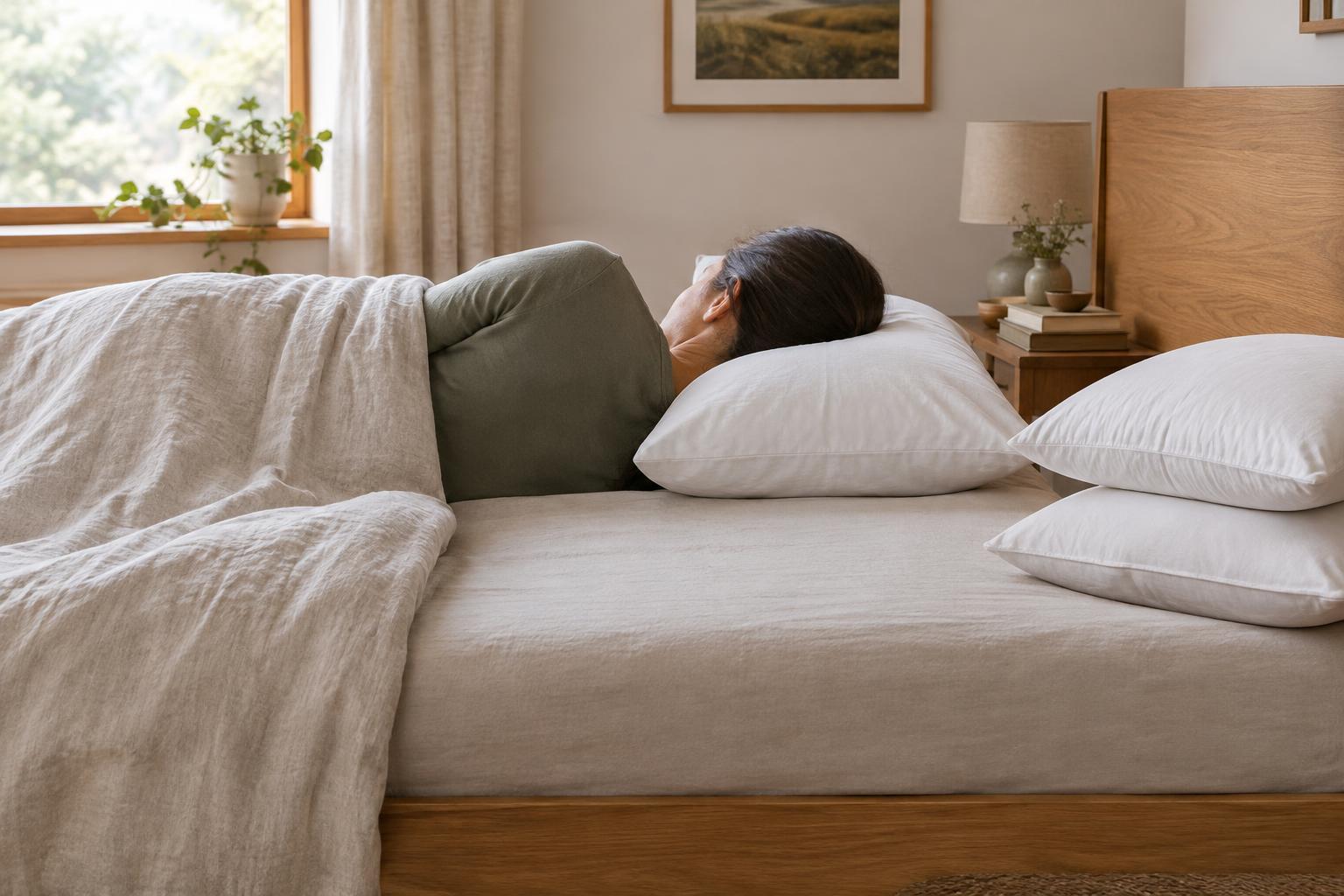
Bedding and PillowsPillow loft is the height of a pillow, but the height you feel while lying down matters more than the number on a label. Learn how sleep position, shoulder width, mattress feel and fill affect your choice—and how to check the fit at home.
Read article · 4 min↗
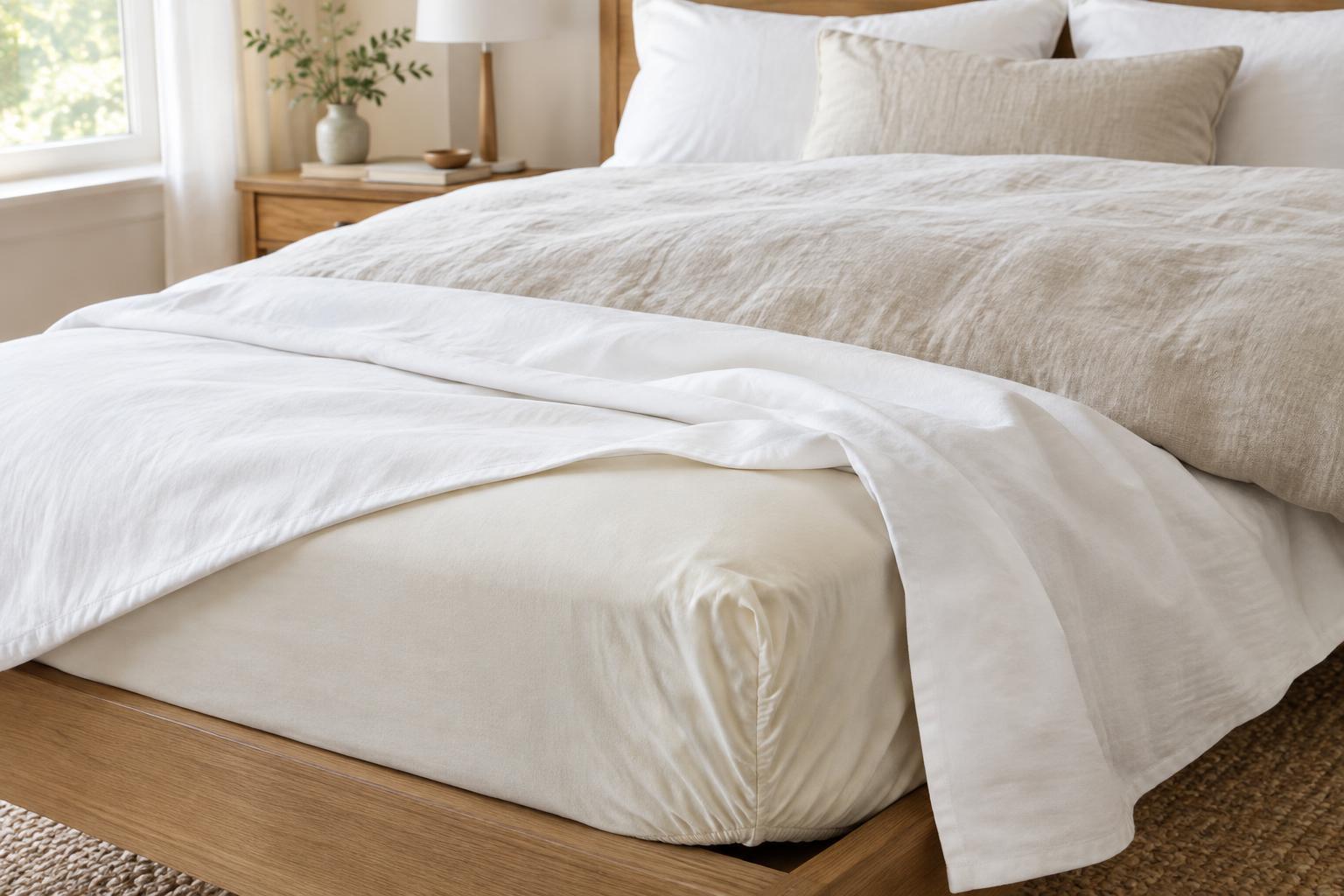
Bedding and PillowsA fitted sheet covers the mattress and stays in place with elastic. A flat sheet lies above the sleeper, usually beneath a blanket or duvet. Learn how each sheet works, when you might use both, and what to check before buying.
Read article · 4 min↗
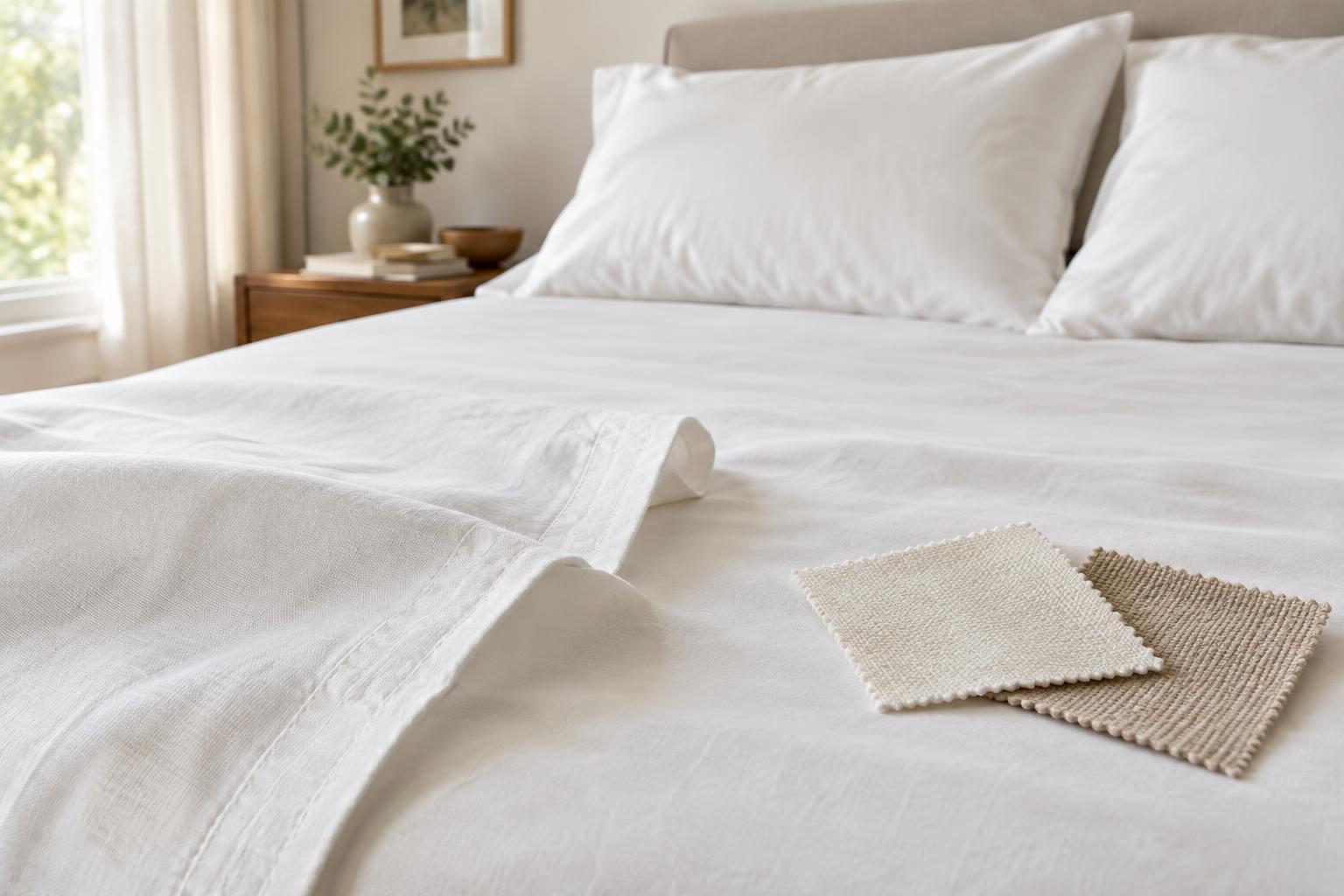
Bedding and PillowsThread count can help describe a cotton sheet, but it cannot tell you how the fabric will feel, breathe or hold up on its own. Learn what the number means, why it varies, and which details are more useful when comparing sheets.
Read article · 4 min↗
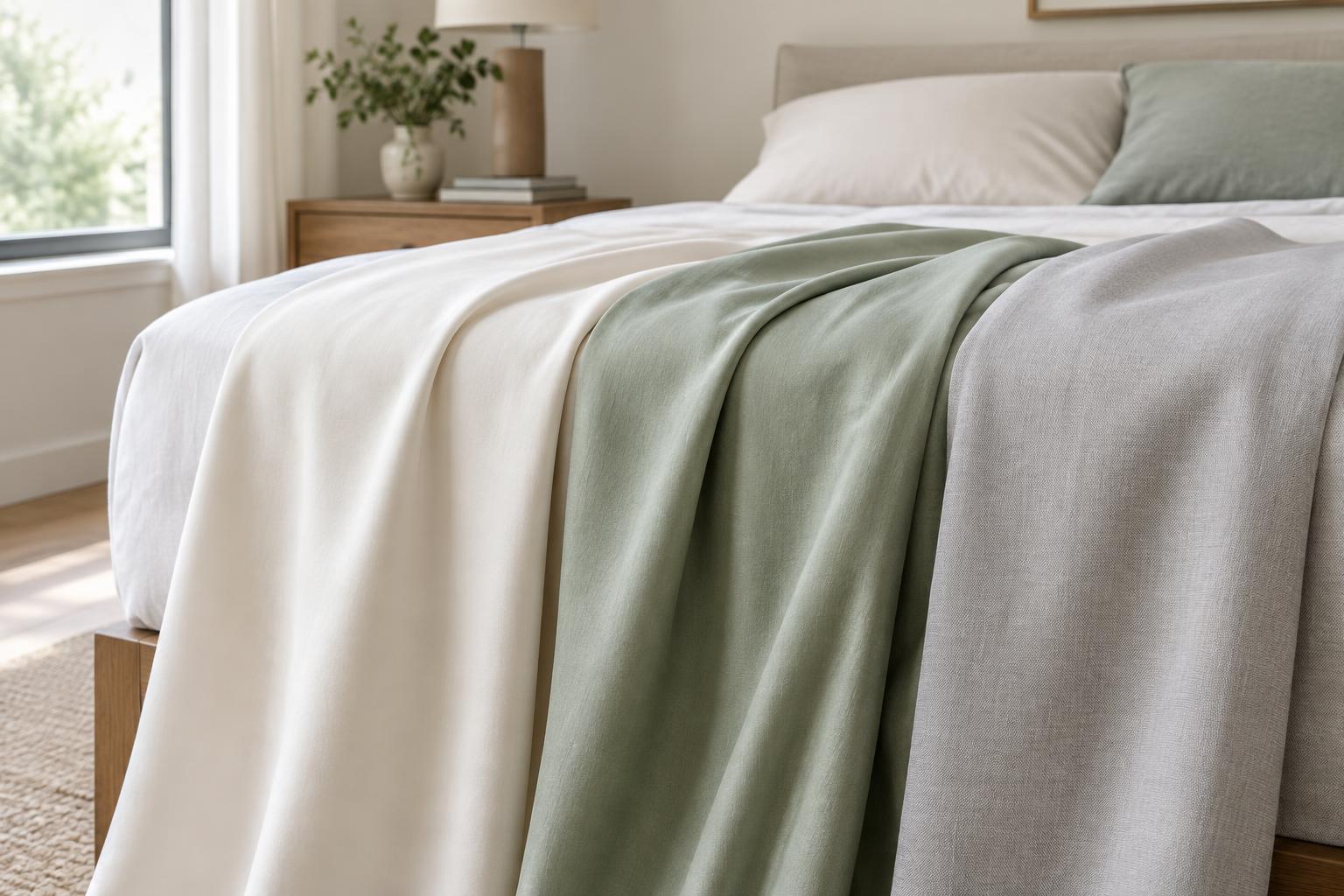
Bedding and PillowsLyocell, viscose and microfiber can all feel soft, but their names describe different things. Learn what each label tells you about a sheet’s fibers, what it leaves out, and how to compare comfort, construction and care before buying.
Read article · 4 min↗
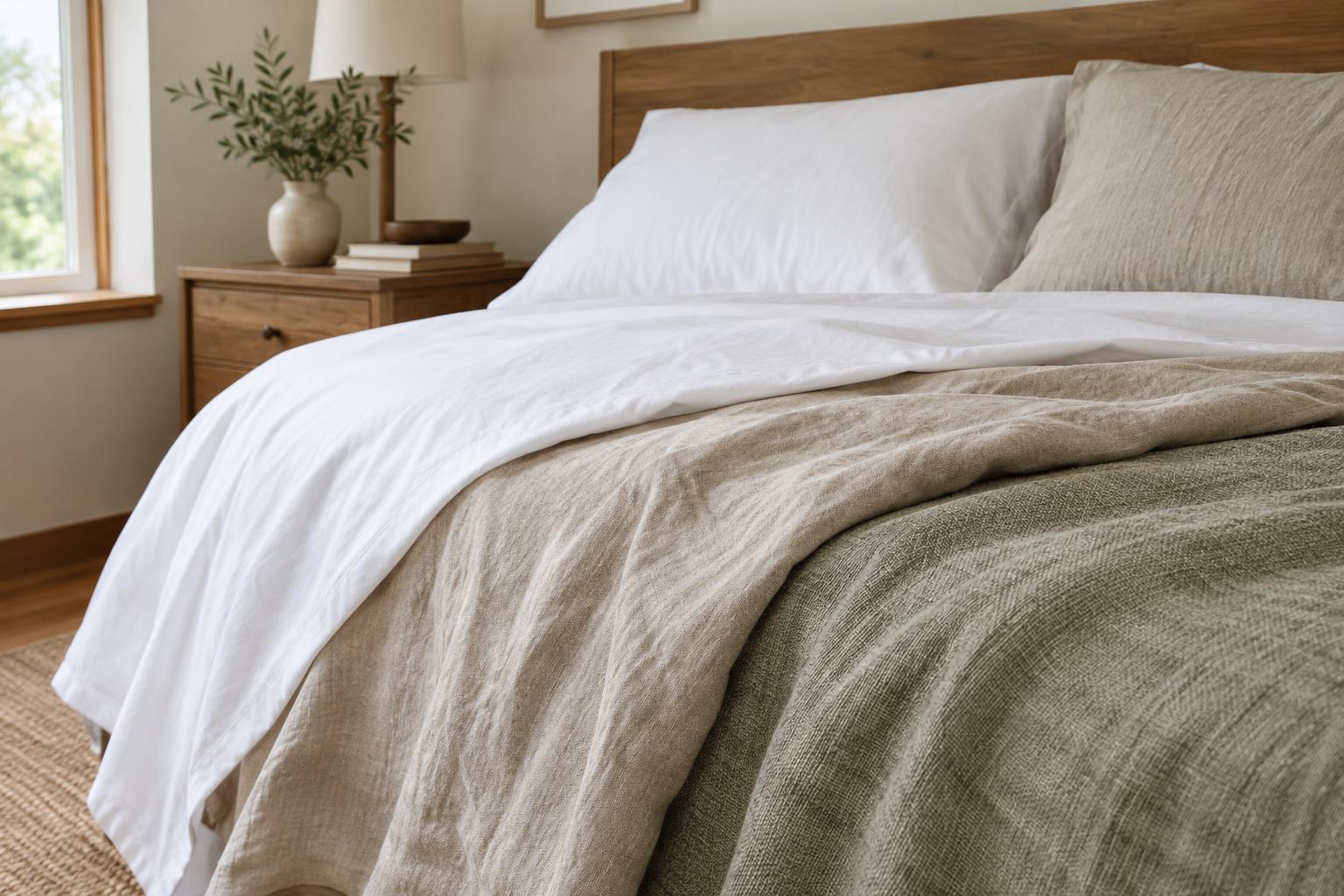
Bedding and PillowsCotton, linen and hemp can all make comfortable sheets, but fiber is only part of the story. Compare how they tend to feel, how weave and finishing affect them, and what to check for care, fit and construction before buying.
Read article · 4 min↗
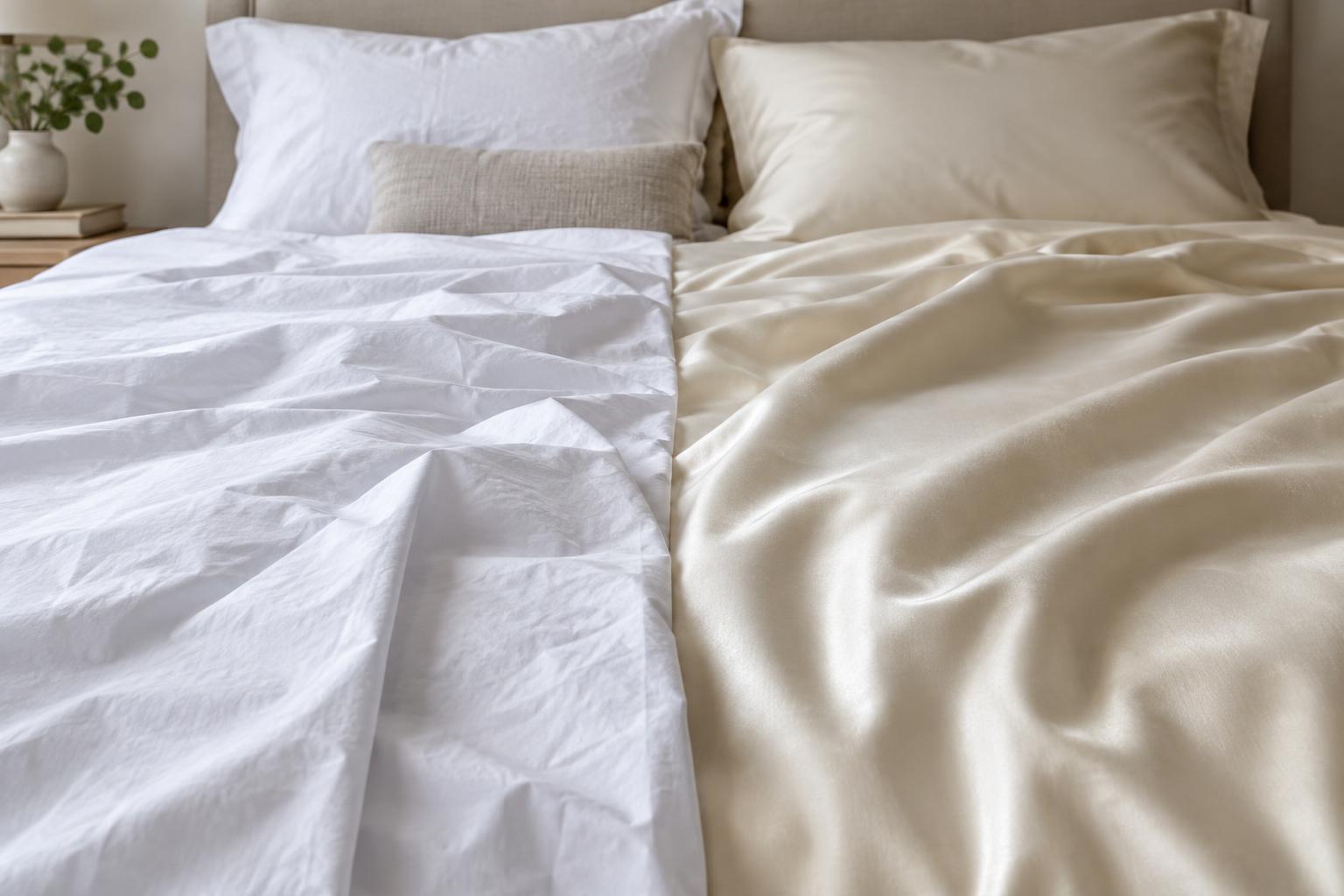
Bedding and PillowsPercale and sateen describe how fabric is woven, not what it is made from. Learn why percale tends to feel crisp and matte while sateen tends to feel smoother and more drapey, and how to choose sheets that suit your bed and care routine.
Read article · 4 min↗
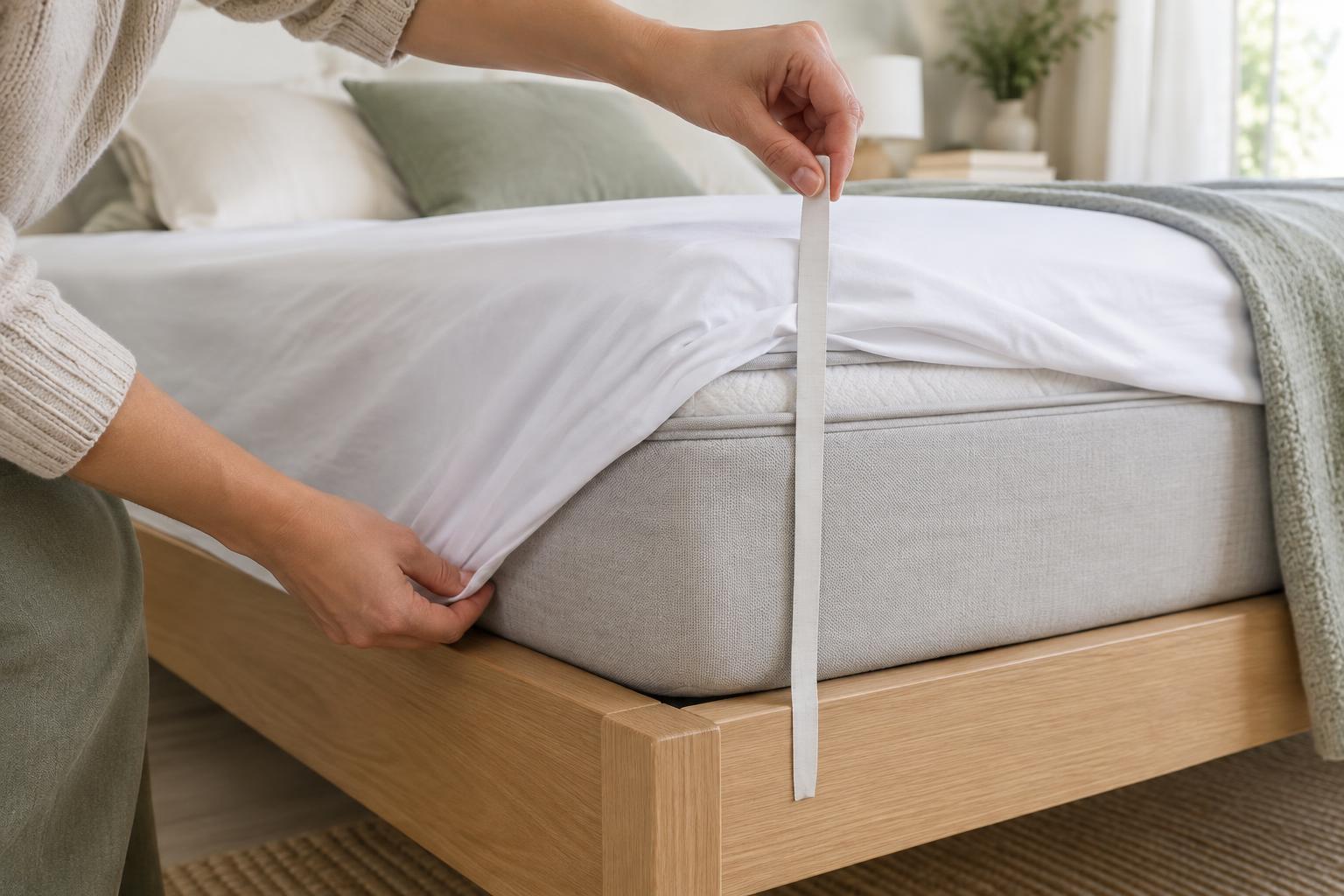
Bedding and PillowsA fitted sheet needs to match more than the name on your mattress label. Learn how to measure width, length and height, account for toppers, and choose a pocket depth that stays secure without leaving excess fabric.
Read article · 4 min↗